The Ultimate Guide to Maximizing Affiliate Revenue in 2026: A Deep Dive
Using WordPress to run an affiliate business is still the most scalable way to generate passive income. However, the ecosystem has matured dramatically over the last few years. What worked seamlessly in 2018—or even 2023—will actively harm your website's performance today. The simple act of inserting a naked, blue affiliate link into a massive wall of unstructured text is no longer sufficient for serious marketers.
Today's digital landscape is highly competitive. With the rise of AI Overviews, generative search, and Google's relentless Helpful Content Updates, publishers must adapt. If you want to rank at the top of the Search Engine Results Pages (SERPs) and turn casual readers into high-ticket buyers, your affiliate architecture must be flawless. Choosing the right WordPress affiliate plugins is not just a matter of convenience; it is the fundamental infrastructure of your business.
1. The Death of the "Informational" Affiliate Blog
Let's address the elephant in the room: standard informational blogging is dead. If a user searches for a simple question like "What is a CRM?", generative AI engines like ChatGPT or Google's SGE (Search Generative Experience) will answer it directly at the top of the page. The user has no reason to scroll down and click on your website.
However, AI engines are terrible at making nuanced purchasing decisions. When users have transactional intent—meaning they are ready to pull out their credit card—they search for comparison queries like "Pipedrive vs Salesforce" or "Best CRM for small agencies". Here, AI relies on highly structured comparison sites and product reviews to aggregate data.
"Generative AI bypasses traditional informational articles. But when users have buying intent, AI relies on highly structured comparison sites. If you build the exact tables and rating boxes that AI systems trust, you become AI-proof."
To survive and thrive, your WordPress site must transition from being a "blog" to becoming a "structured data engine". This is why tools that simply cloak links are no longer enough. You need plugins that generate dynamic product archives, clear pros and cons layouts, and highly optimized schema markup.
2. Link Management vs. Conversion Engines
When searching for affiliate plugins, marketers usually fall into the trap of confusing two entirely different categories of tools: Link Managers and Conversion Engines.
The Role of Link Managers (The Foundation)
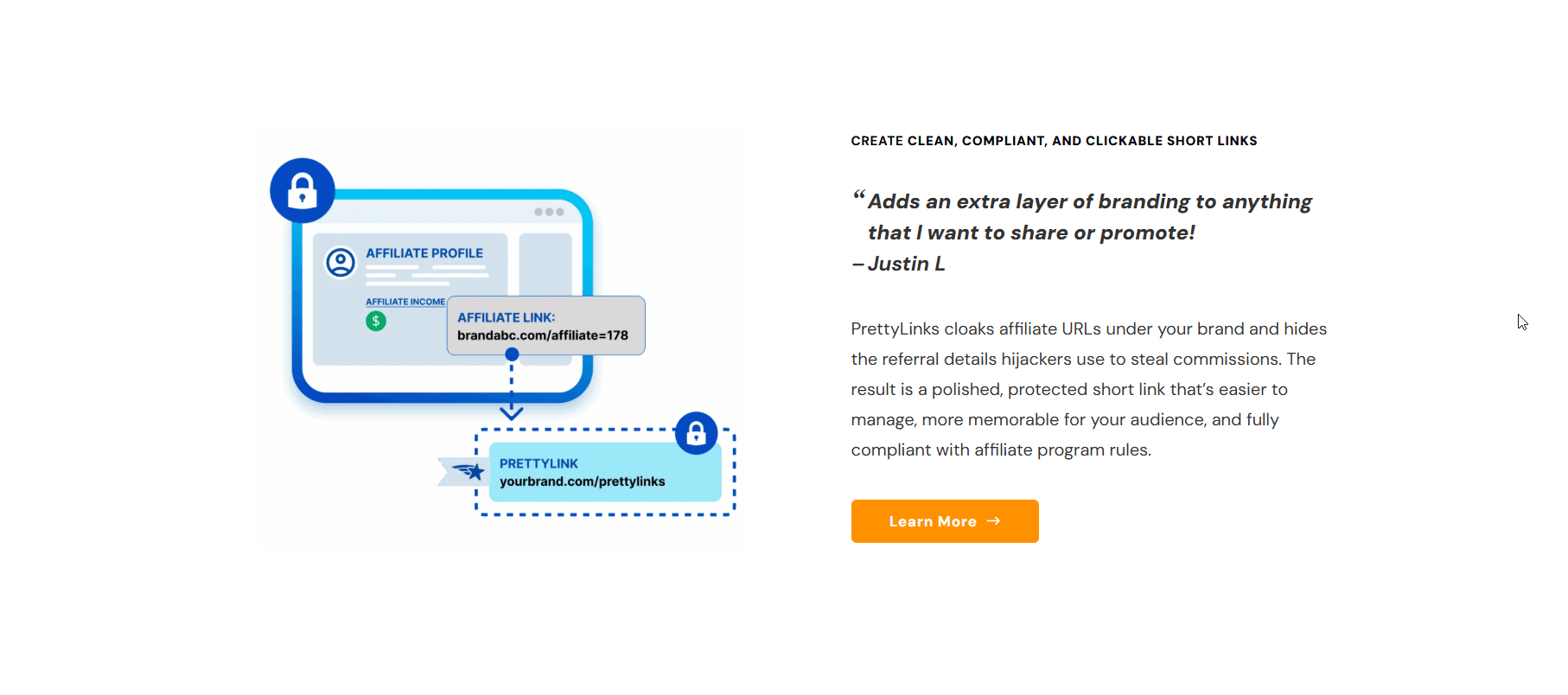
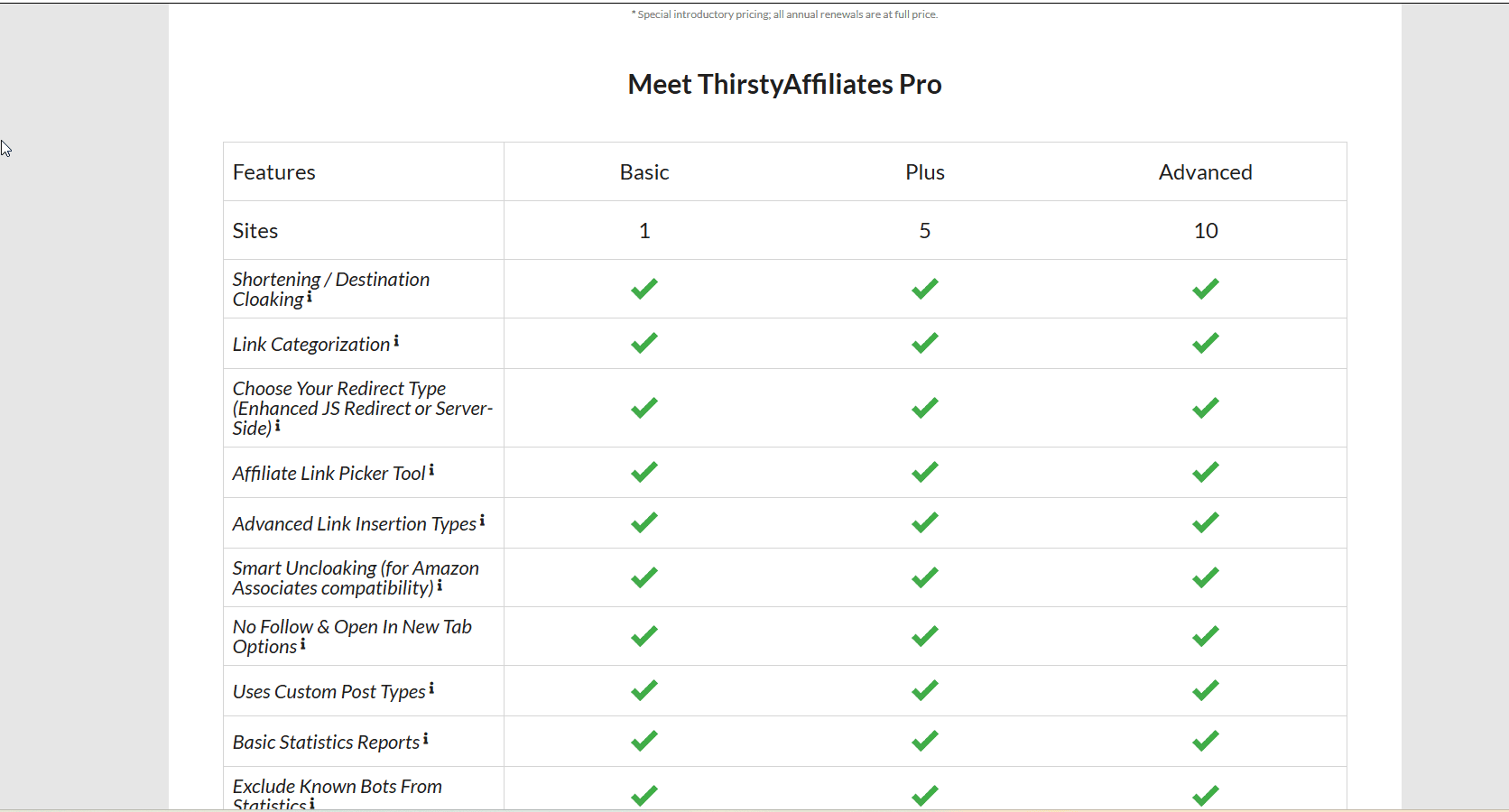
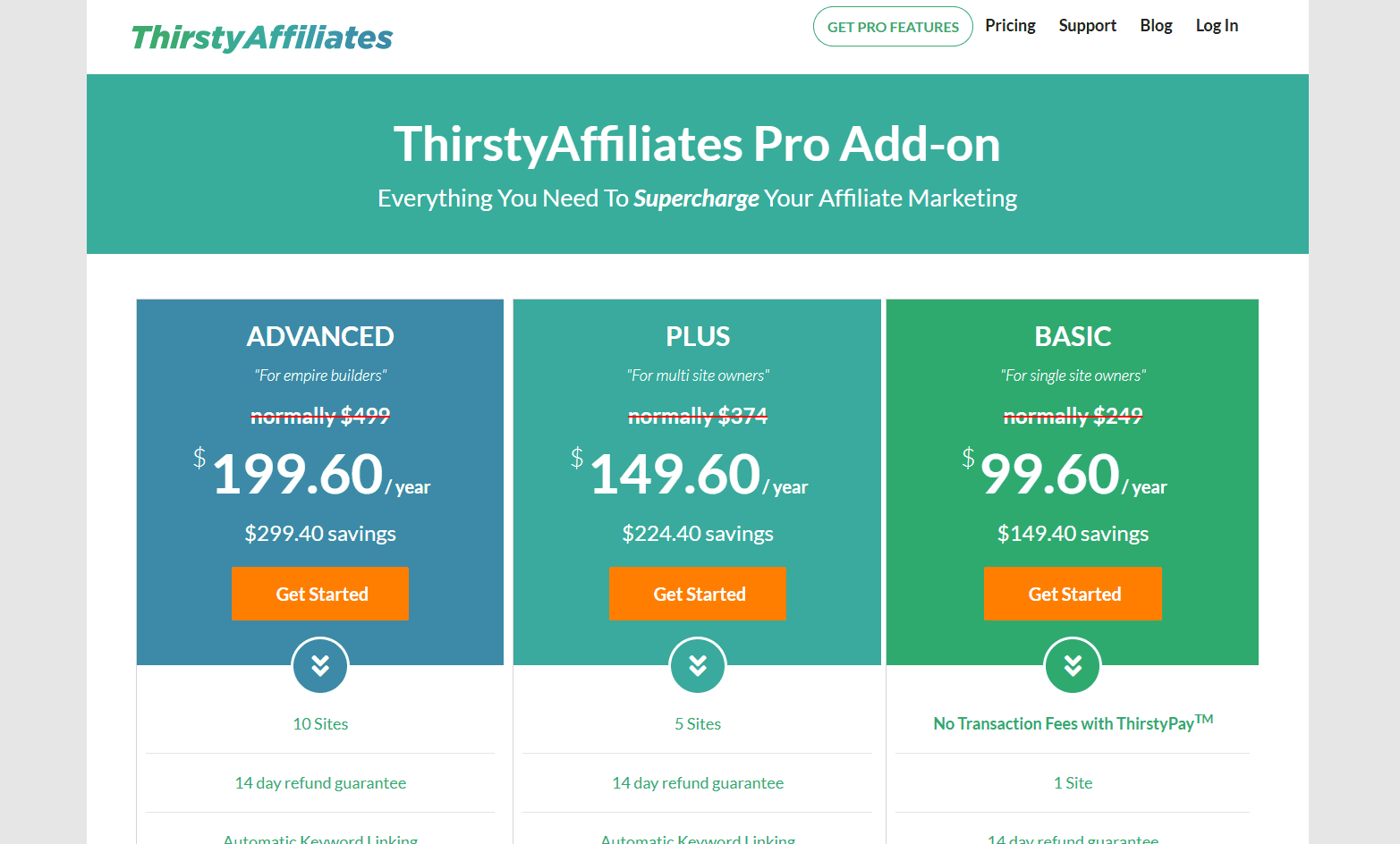
Plugins like Pretty Links and ThirstyAffiliates fall into this category. They are absolutely essential for maintaining a clean, organized backend. Instead of pasting a horrific, 200-character affiliate URL filled with tracking parameters into your posts, these tools cloak the link to look like yourdomain.com/recommends/product.
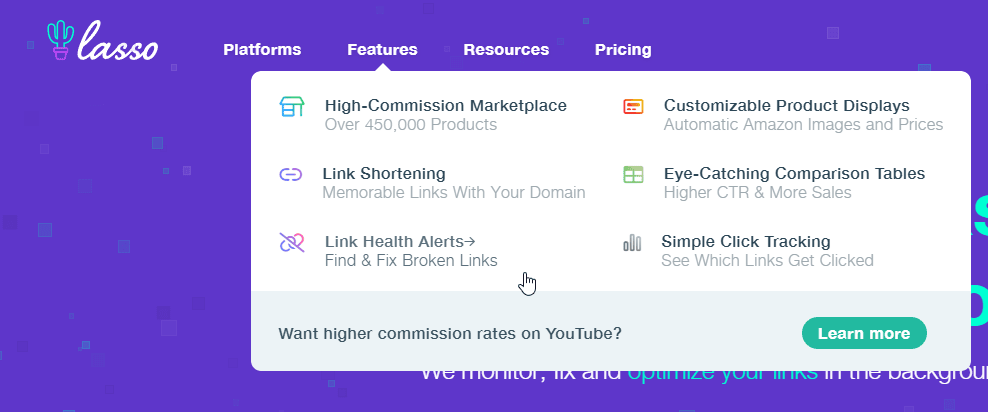
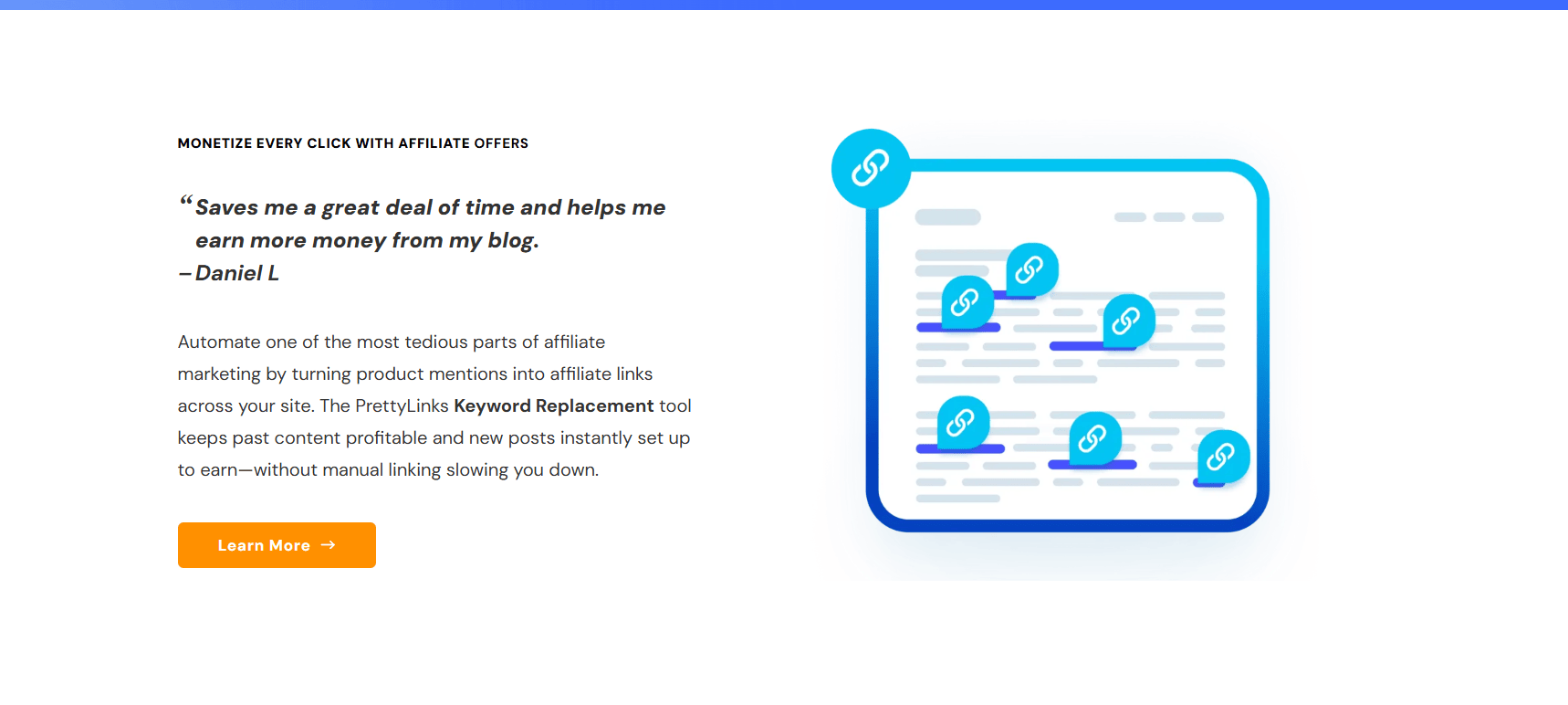
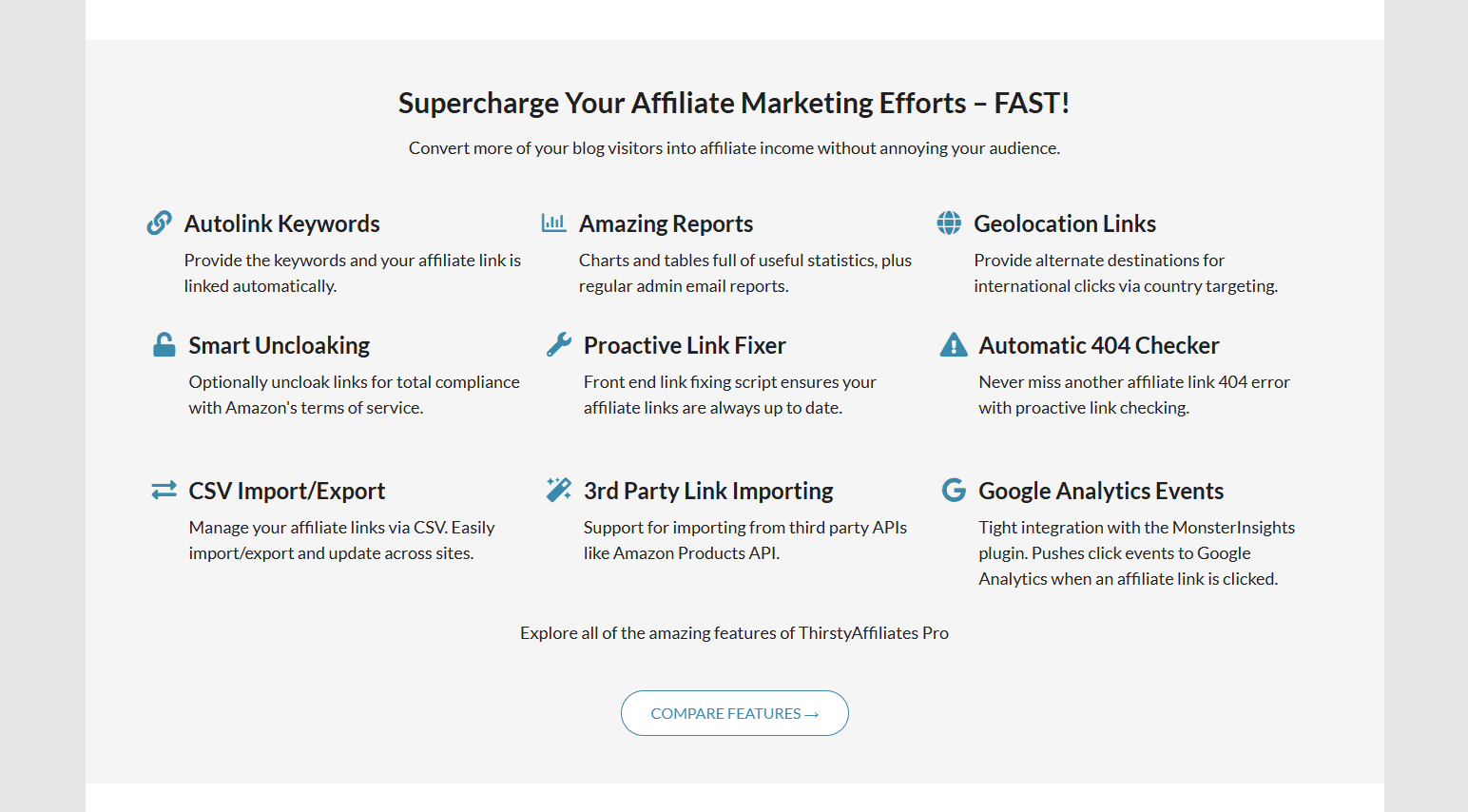
They provide vital click-tracking data, allow you to organize links into categories, and offer features like automatic keyword linking. But here is the harsh truth that many beginners ignore: link cloakers do not increase your conversion rates. They only organize the traffic you already have. They operate in the background.
The Power of Conversion Engines (The Margin Makers)
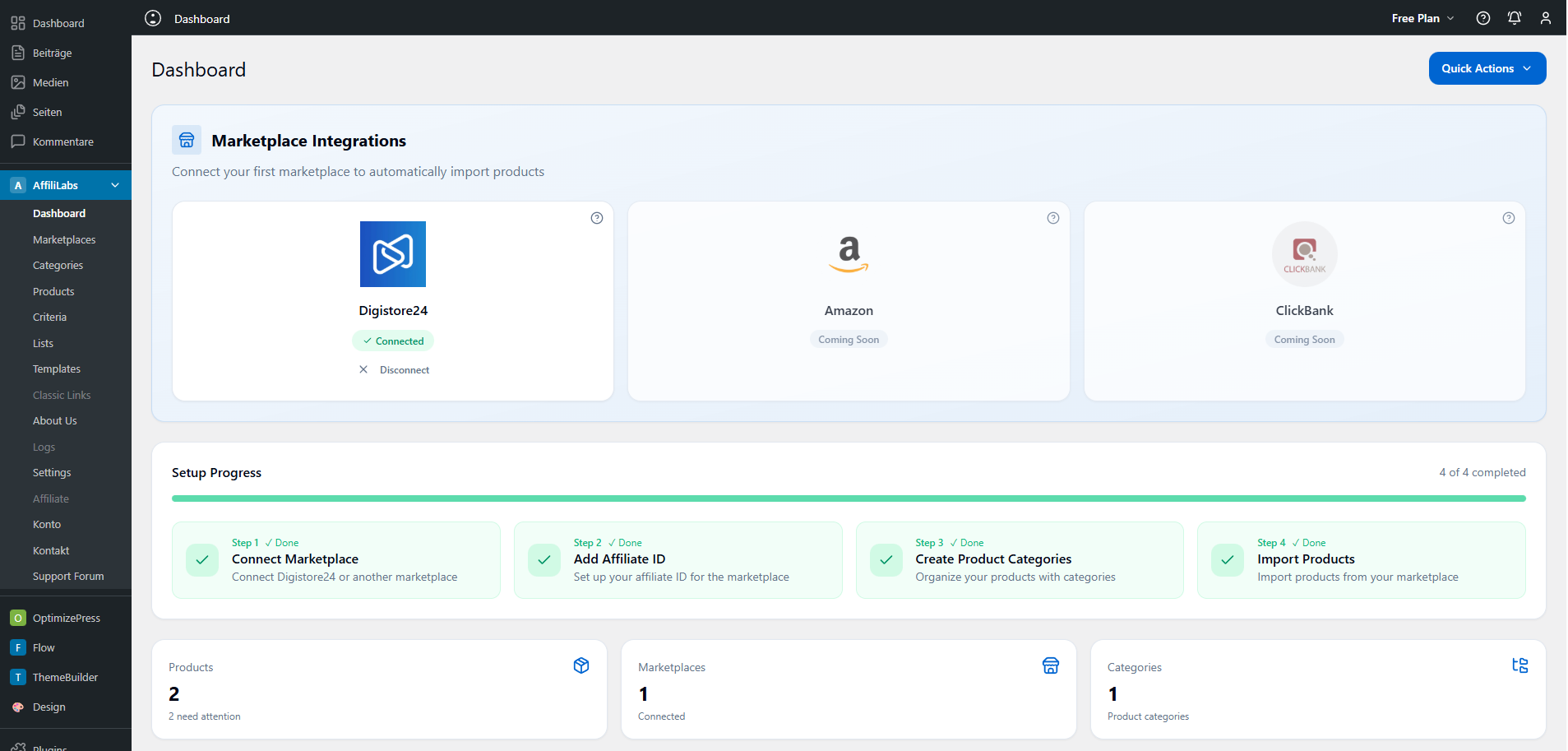
If you want to drastically improve your Click-Through Rate (CTR) and capture high-ticket commissions (like those found on Digistore24), you must deploy visual Conversion Engines. These are tools like Affililabs or AAWP.
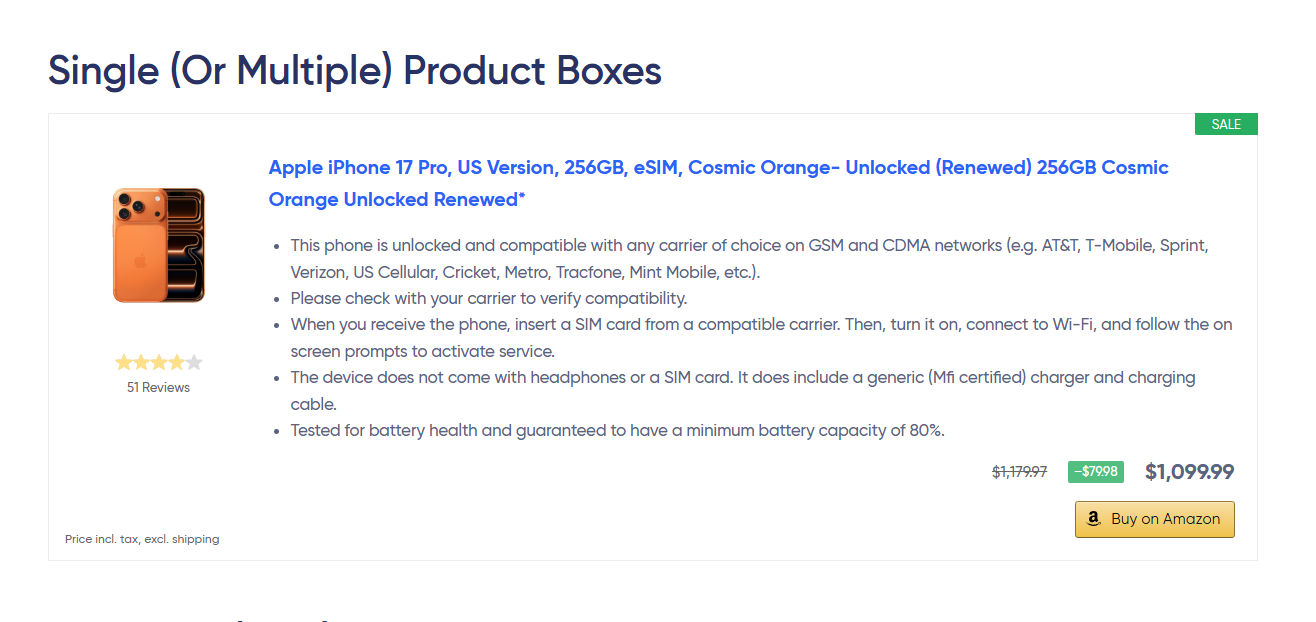
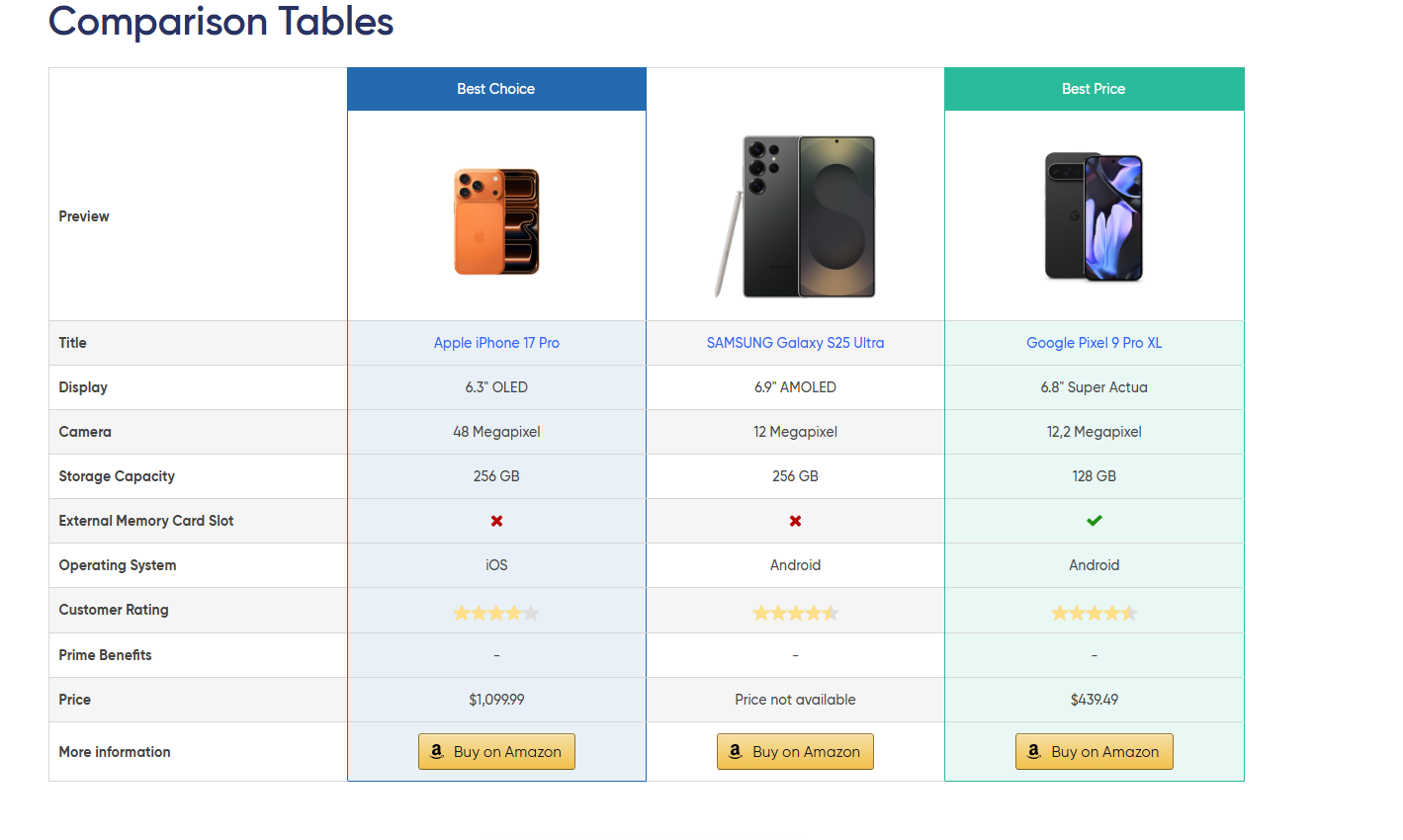
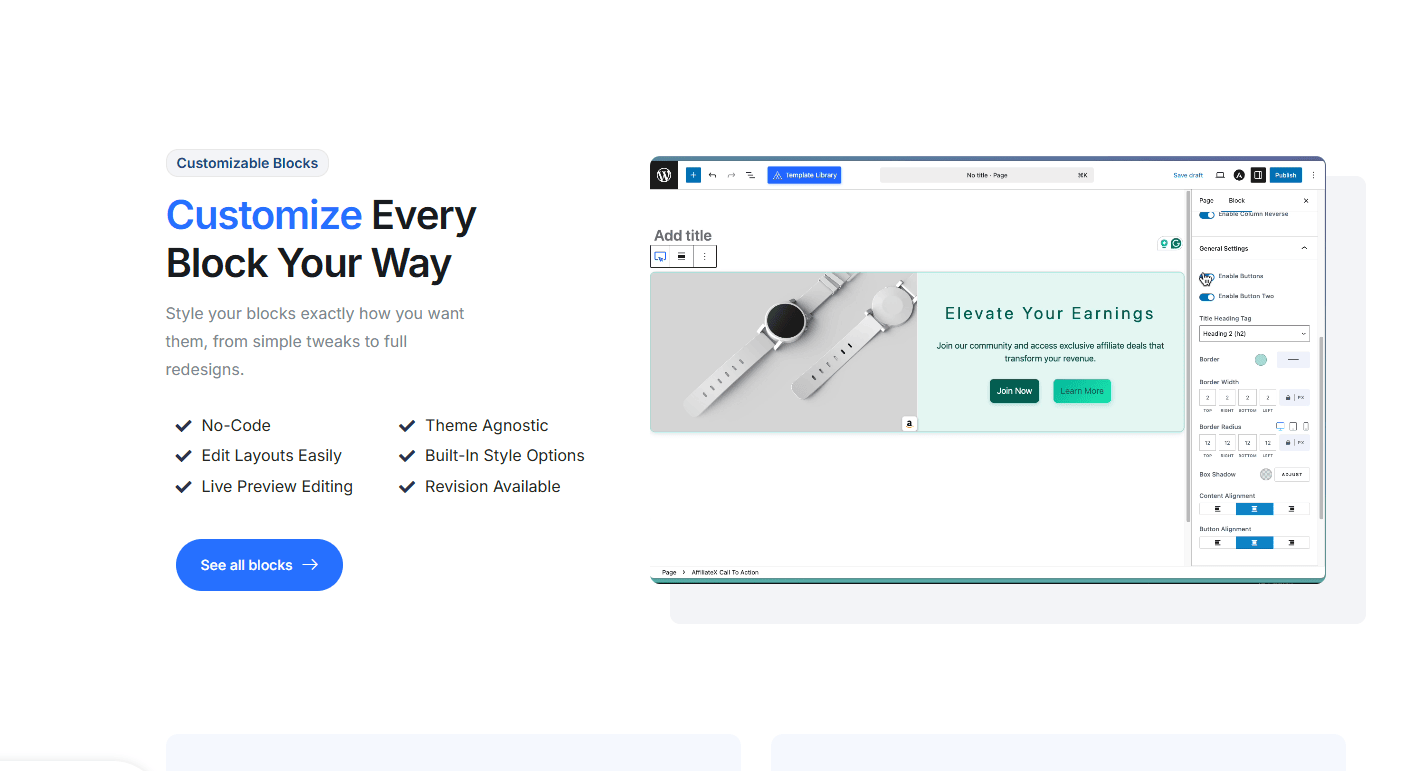
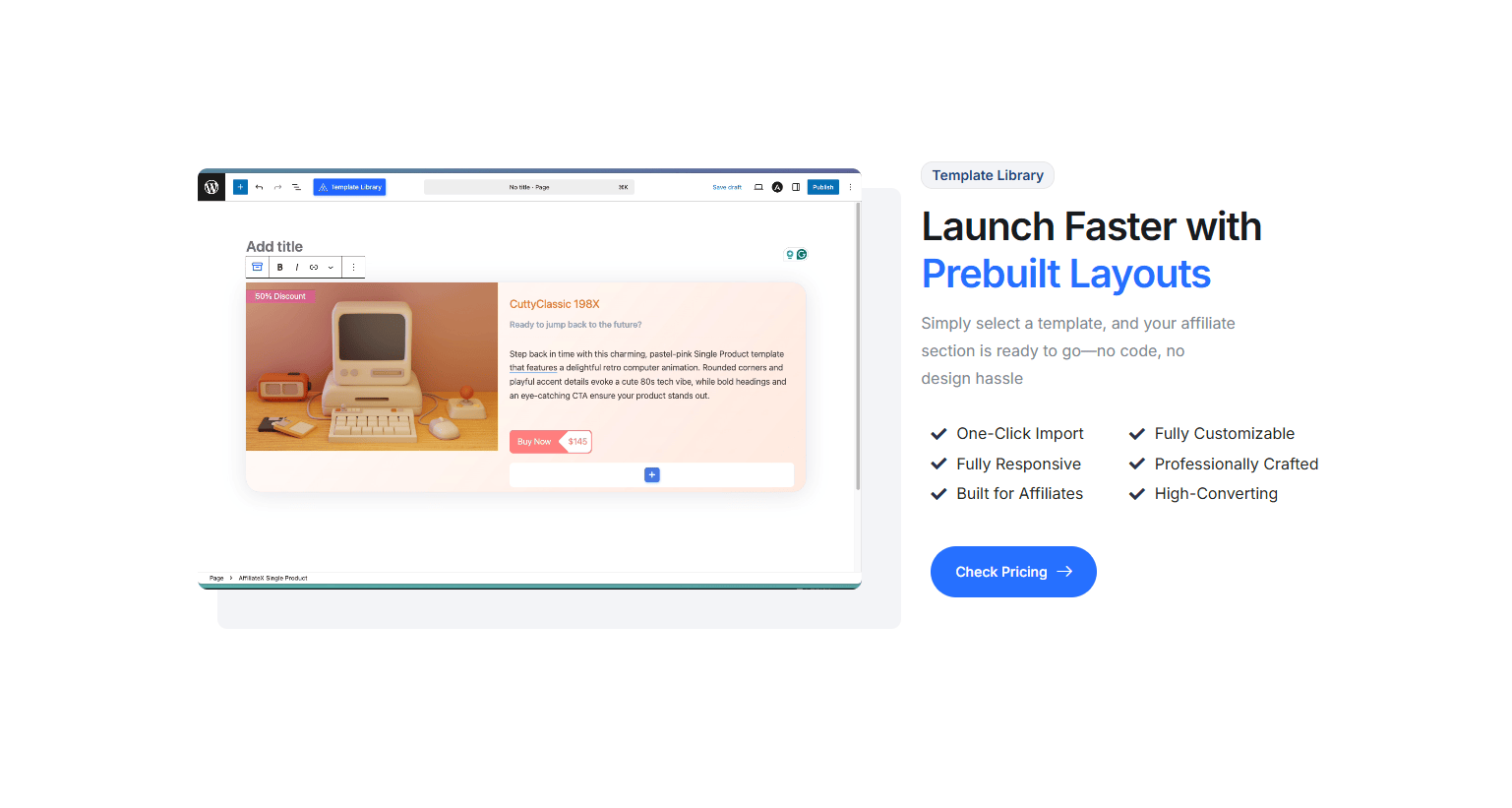
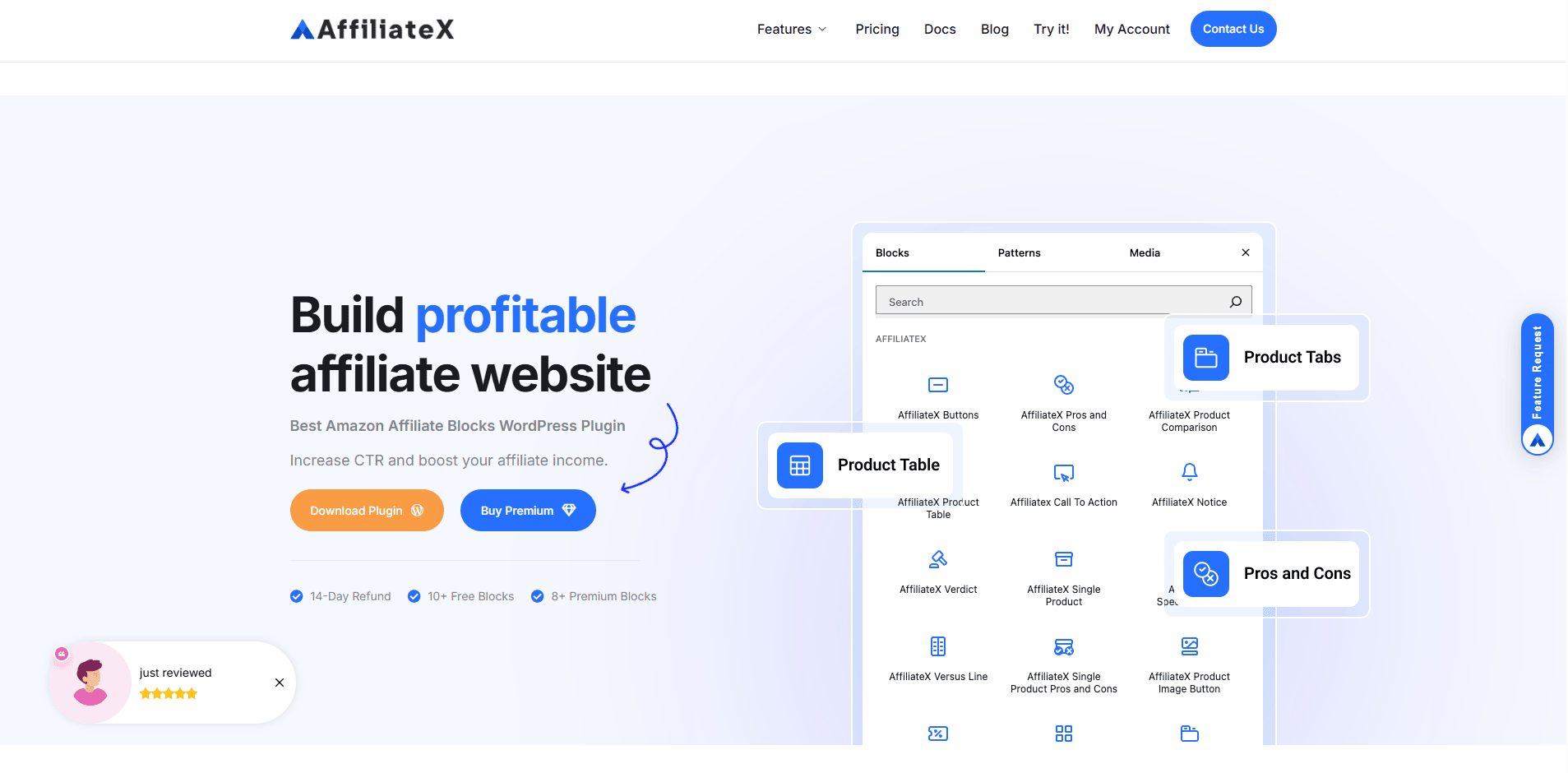
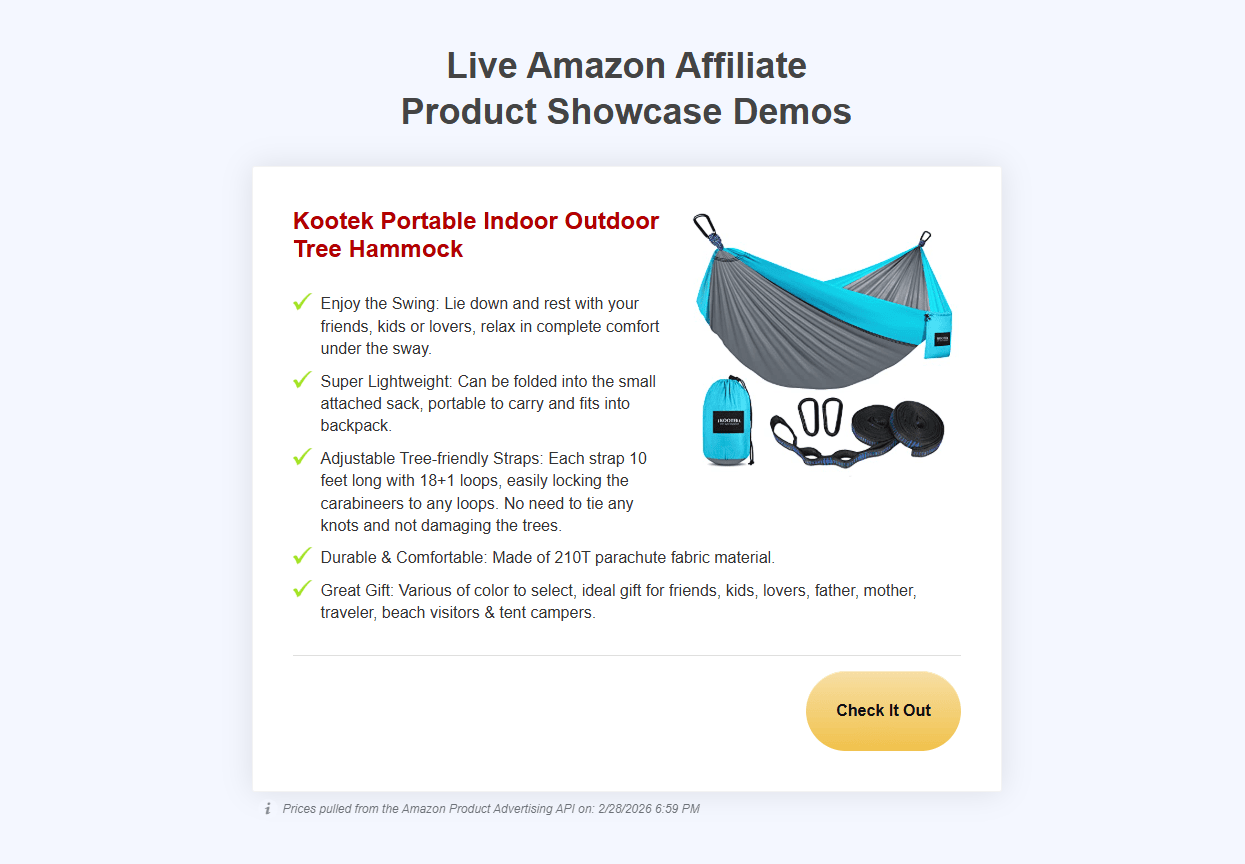
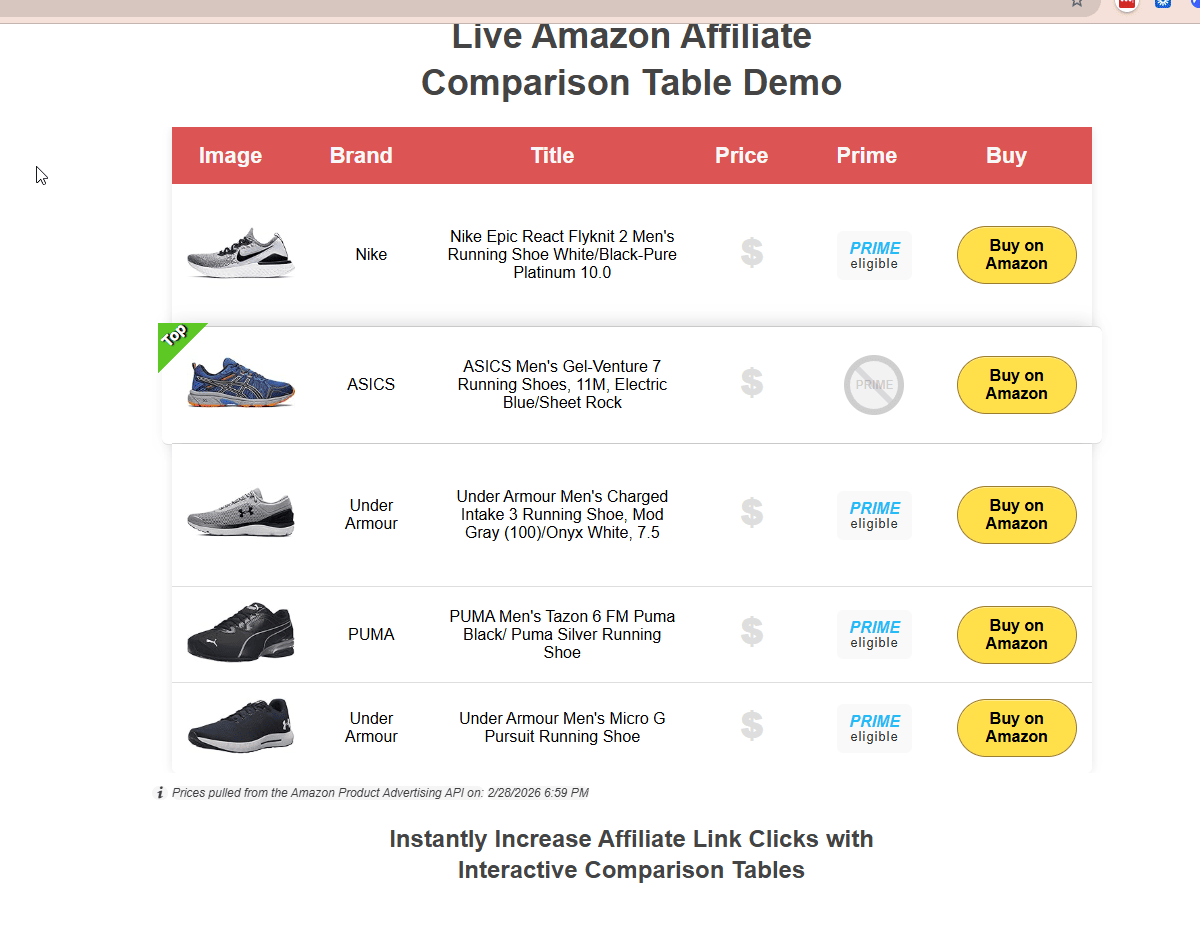
A conversion engine doesn't just hide a link. It actively sells the product. It renders beautiful, mobile-responsive product boxes, highlights the most important key features, displays dynamic pricing, and places a massive, undeniable "Buy Now" Call-to-Action (CTA) button right in front of the reader's eyes. When visitors see a well-structured comparison table rather than a block of text, their cognitive load drops, trust increases, and buying intent skyrockets.
3. The API Crisis: Why "Zero-API" is the Future
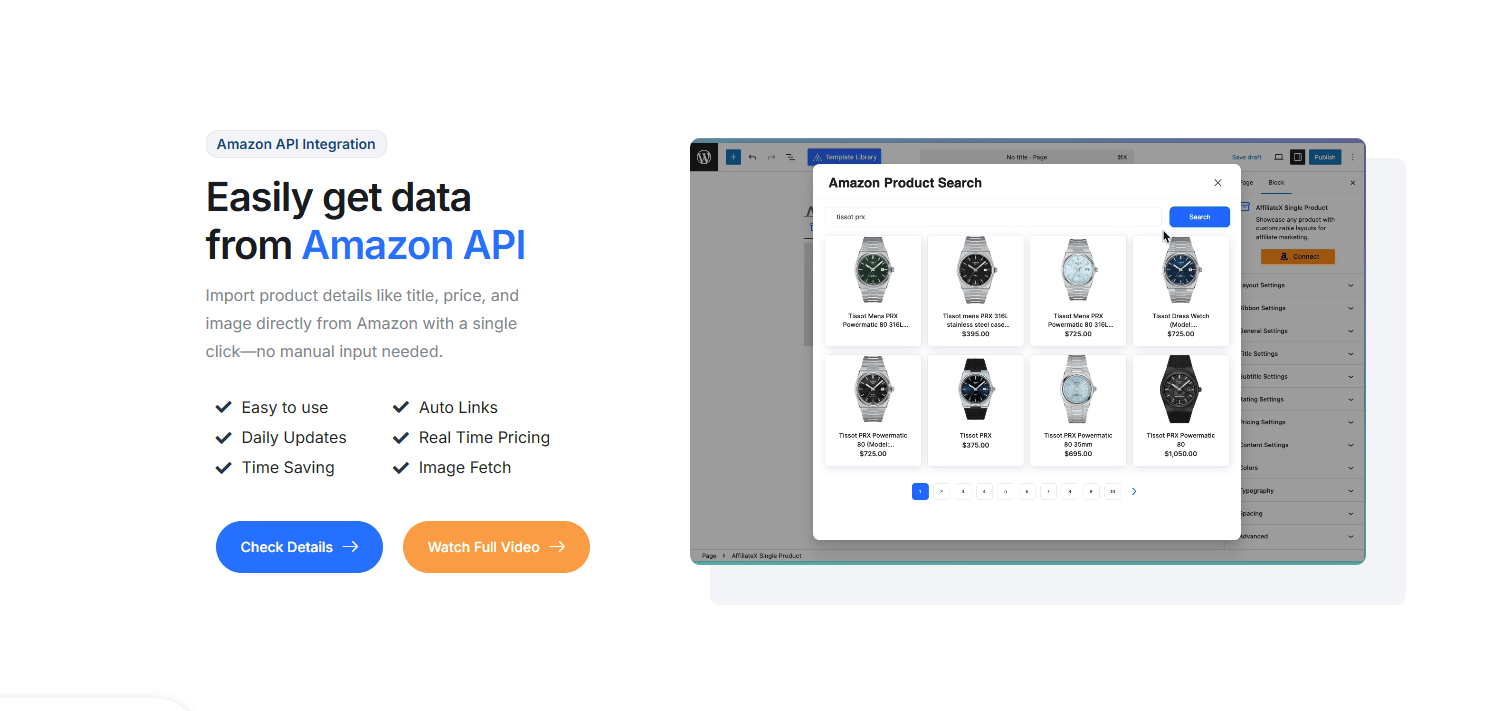
For years, the Amazon Associates program was the holy grail for niche site builders. You simply plugged your Amazon Product Advertising API (PA-API) key into a tool, and it pulled all the data. But times have changed.
Amazon has become incredibly strict. They aggressively throttle API requests, demand consistent sales quotas to keep your API key active, and routinely suspend accounts for minor compliance infractions. If your API key gets revoked, traditional plugins will break, leaving your site littered with blank spaces and broken images, effectively destroying your revenue overnight.
- The API Catch-22: Beginners need the API to build beautiful boxes to get sales, but Amazon requires you to get sales before they give you full API access.
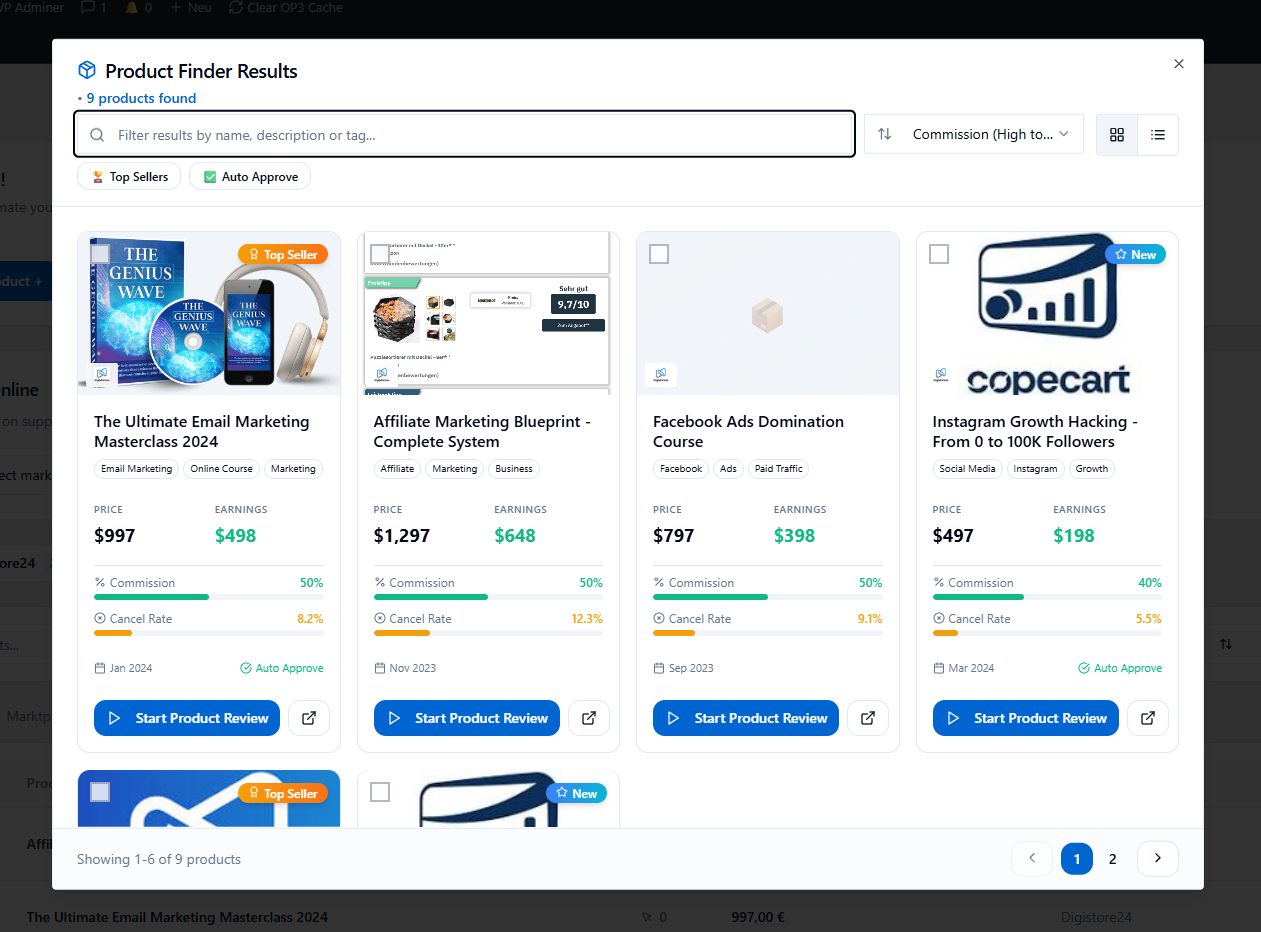
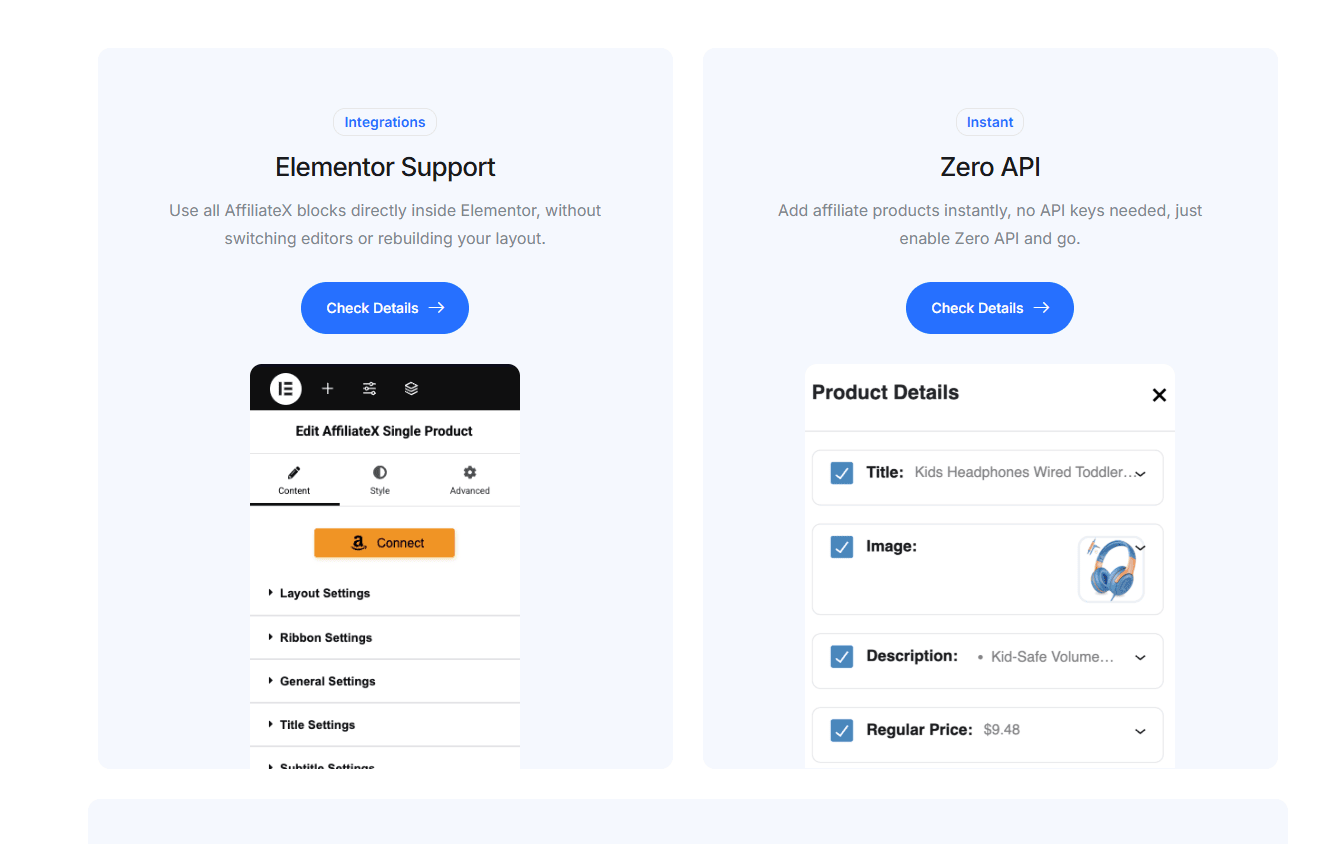
- The Zero-API Solution: Modern, disruptive plugins have recognized this massive flaw. Tools equipped with "Zero-API" or "No-API" functionality allow you to import products, fetch images securely, and build stunning conversion boxes without ever needing to touch a developer key.
By removing the API hurdle, you gain total control over your business, unchained from the unpredictable policy changes of massive affiliate networks.
4. Automation and AI: Stop the Manual Grind
The most expensive resource in your business is not your hosting or your software stack; it is your time. Traditionally, building a profitable affiliate portfolio meant spending days researching products, writing mundane product descriptions, finding images, and manually coding shortcodes into WordPress.
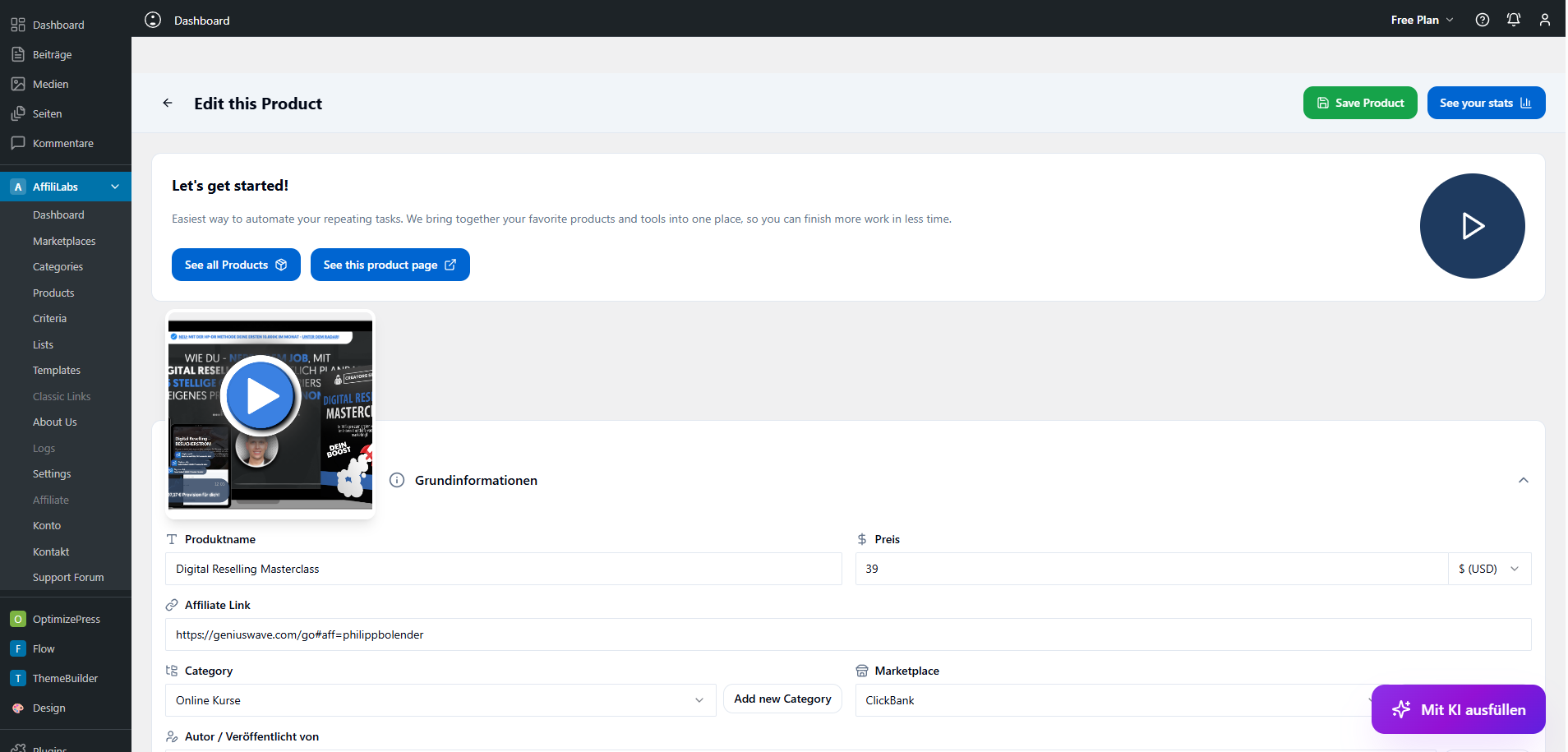
The integration of Artificial Intelligence into affiliate plugins is the biggest leap forward the industry has seen in a decade. A tool like Affililabs doesn't just import a product; it understands it. By leveraging AI cores natively inside WordPress, the plugin can automatically rewrite manufacturer descriptions to avoid duplicate content penalties. It can analyze sentiment to auto-generate realistic ratings (e.g., 9.8/10), and instantly craft "Pros & Cons" lists based on real data.
"We replaced the manual work with AI. From product import to the final, SEO-optimized review—everything happens in seconds, passing AI detection and flying completely under Google's radar."
This allows single publishers to scale their content output exponentially, deploying highly optimized, transactional pages in minutes rather than days.
5. Best Practices for Affiliate Success in 2026
To ensure your WordPress affiliate site remains profitable and avoids Google penalties, stick to these core principles:
- Prioritize Structured Data (Schema Markup): Ensure your conversion plugin outputs clean Product and Review Schema. This is what allows Google to display golden review stars and pricing directly in the search results, massively boosting your organic CTR.
- Diversify Beyond Amazon: Stop chasing pennies. While Amazon is great for physical products, the real margins are in digital products, software, and high-ticket courses. Look for plugins that integrate flawlessly with networks like Digistore24 or ClickBank.
- Mobile-First Rendering: Over 70% of affiliate purchases happen on mobile devices. If your comparison tables break or require horizontal scrolling on a smartphone, you are burning money. Test your product boxes obsessively on mobile screens.
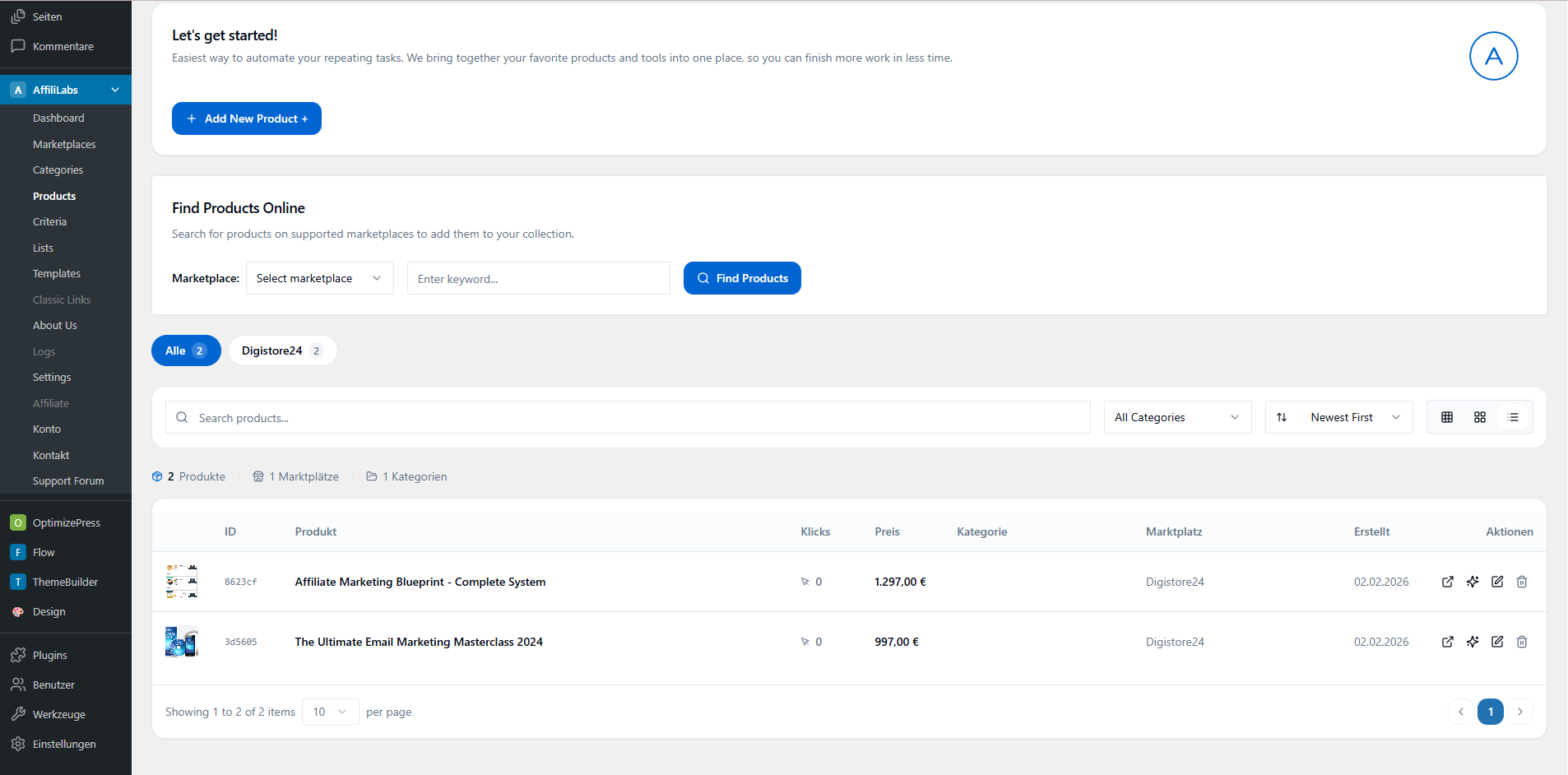
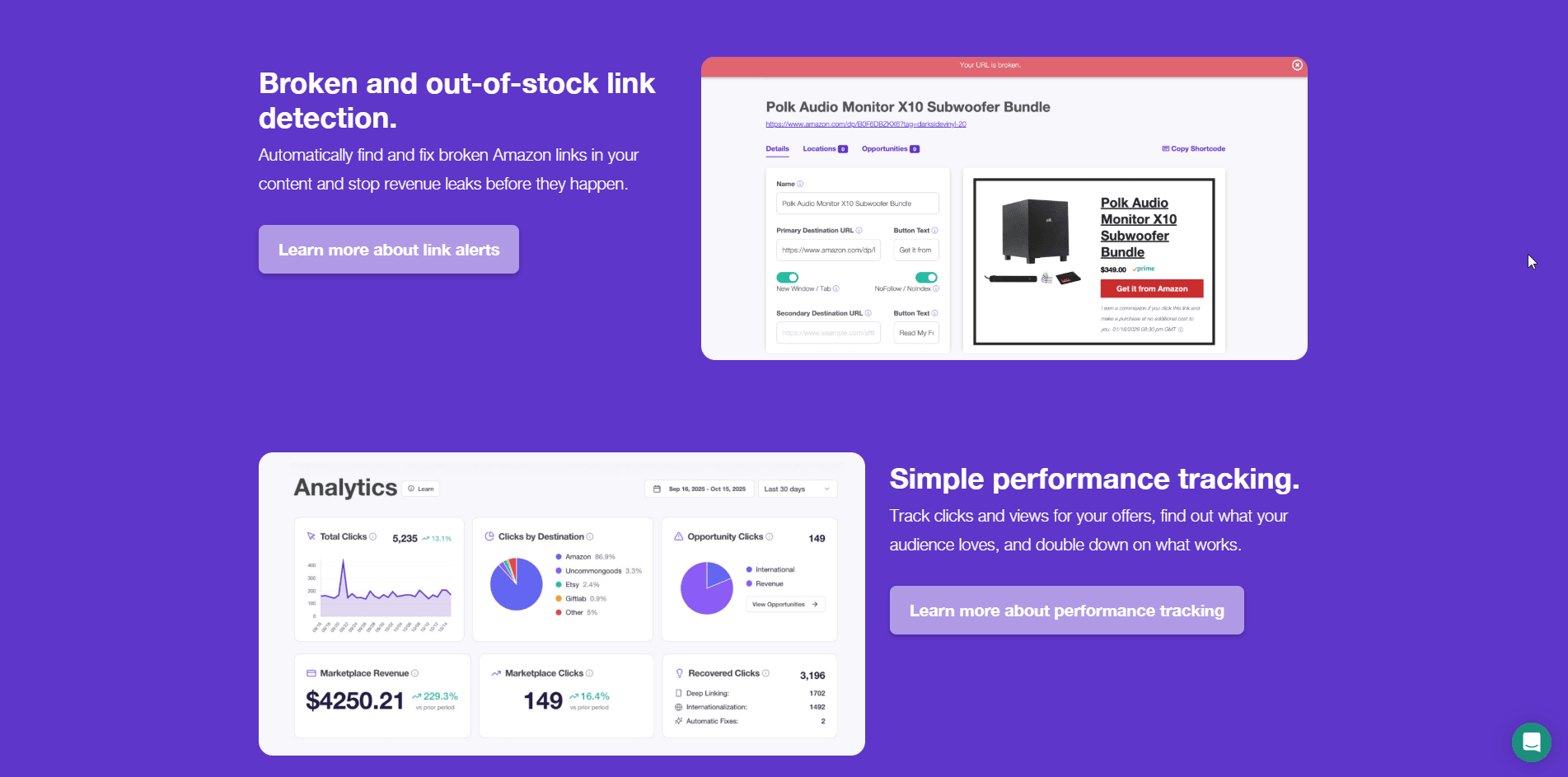
- Track Everything: Rely on tools that offer granular dashboard insights. You must know exactly which product box on which specific page is driving your conversions to scale your paid ads or SEO efforts effectively.
Final Conclusion
The days of duct-taping five different free plugins together to run an affiliate site are over. To compete today, you need a streamlined, professional revenue architecture. WordPress affiliate plugins are the engine of your business.
By investing in a premium, AI-driven conversion ecosystem, you eliminate the manual grind, ensure total network compliance, and present your readers with irresistible product displays. Evaluate the tools listed in our showdown above, take advantage of the free trials, and start building digital assets that generate predictable, passive cash flow month after month.