

Seamless Amazon Associates Integration with Oxygen Builder
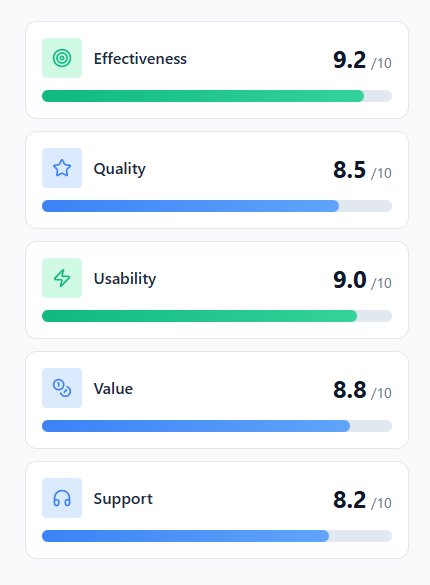
Yes, it is highly effective. Integrating Amazon Associates links into an Oxygen Builder website is not only feasible but offers significant advantages for affiliate marketers.
- Unlocks powerful design flexibility for highly customized affiliate displays.
- Requires manual attention to compliance and link management, especially at scale.
- Ideal for building high-converting product review sites or comparison tables within Oxygen Builder.
Understanding Amazon Associates and Oxygen Builder Synergy
Integrating Amazon Associates links into an Oxygen Builder website creates a powerful synergy for affiliate marketers. Oxygen Builder provides unparalleled design freedom, allowing for highly customized layouts that can significantly enhance the presentation of affiliate products. This combination moves beyond generic affiliate blocks, enabling a tailored user experience that can drive conversions.
The core benefit lies in Oxygen’s ability to visually construct complex page elements, which can then be populated with Amazon product information and links. This approach ensures that affiliate content feels native to the site, rather than an afterthought. Understanding how these two platforms work together is the first step toward building a high-performing affiliate website.
Advantages and Limitations of Amazon Associates with Oxygen Builder
Key Advantages
- Full design control over affiliate displays, enhancing user experience.
- Direct integration into Oxygen’s visual builder streamlines content creation.
- Potential for higher conversion rates through bespoke layouts and calls-to-action.
Potential Limitations
- Increased responsibility for Amazon’s strict compliance rules, including disclosures.
- Manual link management can become cumbersome for large sites without dedicated tools.
- Requires a foundational understanding of Oxygen Builder’s features for advanced implementations.
Setting Up Your Amazon Associates Account
Before integrating any links, establishing a fully approved Amazon Associates account is a mandatory first step. This process involves providing your website details, payment information, and agreeing to Amazon’s operating agreement. Ensure your website is live and contains sufficient content before applying, as Amazon reviews sites for quality and relevance.
Once approved, you gain access to the Associates Central dashboard, which is your hub for generating links, tracking earnings, and accessing various promotional tools. Familiarize yourself with the interface, as this is where you will obtain the unique tracking IDs necessary for all your affiliate links. Proper setup ensures all your efforts are correctly attributed.
Amazon Associates: Amazon’s affiliate marketing program, allowing website owners and bloggers to earn commissions by advertising products from Amazon.com on their sites. Participants earn a percentage of sales when customers click through their unique links and make a purchase.
Generating Amazon Associates Links Correctly
Generating the right type of Amazon Associates link is crucial for both compliance and effectiveness. The primary method involves using the SiteStripe tool, which appears at the top of Amazon.com when logged into your Associates account. SiteStripe allows for quick generation of text, image, or text+image links directly from any product page.
For more advanced needs, the Associates Central dashboard offers options for creating custom links, banners, and even product advertising API access for developers. Always ensure your links include your unique tracking ID to guarantee proper commission attribution. Incorrectly generated links will not track sales, leading to lost revenue.
Insider Tip
For efficiency, consider using Amazon’s ‘Short Link’ option via SiteStripe. These shorter URLs are cleaner, easier to manage, and still contain your full tracking information, making them ideal for embedding within Oxygen Builder elements.
Integrating Text Links in Oxygen Builder
Embedding Amazon Associates text links within Oxygen Builder is a straightforward process, crucial for contextual product mentions. Simply copy the generated text link from SiteStripe or Associates Central. Within Oxygen, select any text element, highlight the desired anchor text, and insert the Amazon Associates URL using the standard link option in the text editor.
It is vital to use descriptive and relevant anchor text that clearly indicates what the user will find on Amazon. Avoid generic phrases like “click here.” This practice not only improves user experience but also aligns with Amazon’s compliance guidelines. Ensure the link opens in a new tab to keep users on your site while they browse Amazon.
Embedding Product Image Links in Oxygen
Visual appeal significantly impacts conversion rates, making product image links a powerful tool in Oxygen Builder. After generating an image link via SiteStripe, you’ll receive an HTML snippet. In Oxygen, you can insert this snippet using a ‘Code Block’ element, or more efficiently, extract the image URL and the affiliate link separately.
For better control, add an ‘Image’ element in Oxygen, upload the product image, and then wrap it in a ‘Link Wrapper’ element. Paste your Amazon affiliate URL into the link wrapper. This method allows for greater customization of image size, styling, and responsiveness, ensuring your product visuals are both attractive and functional. Remember to add appropriate alt text for SEO and accessibility.
Creating Call-to-Action Buttons for Amazon Products
Call-to-action (CTA) buttons are essential for guiding users to Amazon and converting interest into sales. Oxygen Builder excels at creating highly customizable buttons. Start by adding a ‘Button’ element to your page. Design the button to stand out with compelling text like “Check Price on Amazon” or “Buy Now.”
Paste your Amazon Associates link directly into the button’s URL field. For optimal performance, ensure the button is prominently placed and visually distinct from other page elements. Experiment with colors and sizes to maximize click-through rates, always keeping your site’s overall design aesthetic in mind. This direct approach makes the purchasing path clear for your audience.
Affiliate Link Click-Through Rates
Industry data suggests that well-placed, visually distinct call-to-action buttons can achieve click-through rates ranging from 2% to 10% or even higher, significantly outperforming plain text links in many contexts.
Leveraging Oxygen’s Dynamic Data for Affiliate Links
For advanced users managing numerous product reviews or comparison tables, Oxygen Builder’s dynamic data capabilities can streamline affiliate link management. Instead of manually updating each link, you can store Amazon URLs in custom fields (e.g., using Advanced Custom Fields or Meta Box) associated with your posts or custom post types. Oxygen can then dynamically pull these URLs into link wrappers or button elements.
This approach drastically reduces maintenance effort, especially when Amazon product URLs change or you need to update multiple links simultaneously. By connecting a ‘Link Wrapper’ or ‘Button’ element to a custom field containing the Amazon URL, your affiliate content becomes scalable and easier to manage. This is particularly powerful for large-scale affiliate sites.
Ensuring Amazon Associates Compliance with Oxygen
Adhering to Amazon Associates’ strict compliance requirements is non-negotiable to avoid account suspension. Key rules include clear disclosure of your affiliate relationship, avoiding misleading claims, and not cloaking Amazon links in a way that hides their destination. Always include a prominent disclosure statement on pages containing affiliate links, such as “As an Amazon Associate, I earn from qualifying purchases.”
Oxygen Builder allows you to easily add these disclosures as text elements or even as part of a reusable global section. Additionally, ensure you do not use Amazon’s trademarks or logos improperly. Regularly review Amazon’s operating agreement, as rules can change, to maintain full compliance and protect your affiliate income stream.
Compliance Warning
Failing to disclose your affiliate relationship clearly and prominently can lead to immediate termination of your Amazon Associates account. Always make it obvious to your readers that you may earn a commission from their purchases.
Optimizing Affiliate Link Placement for Conversions
Strategic placement of Amazon Associates links within your Oxygen Builder content is paramount for maximizing conversions. Links should be integrated naturally where they add value and align with reader intent. Place links near relevant product mentions, within comparison tables, or at the end of a compelling review section where purchase intent is highest.
Avoid overwhelming users with too many links or placing them in irrelevant areas, which can appear spammy and erode trust. Use Oxygen’s layout capabilities to create dedicated product boxes or comparison charts that highlight key features and direct users to Amazon. Thoughtful placement guides users efficiently through their purchasing journey.
“Effective affiliate marketing isn’t about pushing products; it’s about providing value and guiding informed decisions. Your design should reflect that.”
— Sarah Johnson, Digital Marketing Strategist
Tracking and Analyzing Affiliate Performance
Understanding which Amazon Associates links perform best is crucial for refining your strategy. Amazon Associates Central provides detailed reports on clicks, conversions, and earnings. Regularly review these reports to identify top-performing products, content types, and link placements. This data allows you to double down on what works and adjust underperforming elements.
While Amazon tracks clicks to their site, you can also integrate Google Analytics with your Oxygen Builder site to track clicks on your outbound affiliate links. This provides a more comprehensive view of user behavior before they leave your site. Analyzing this data helps you optimize your content and design within Oxygen for maximum affiliate revenue.
Advanced Strategies for Scaling Amazon Affiliate Content
Scaling an Amazon affiliate site built with Oxygen Builder requires more than just manual link insertion. Consider implementing advanced strategies like creating custom product templates using Oxygen’s Repeater component, pulling product data from custom fields. This allows for rapid deployment of new product pages or comparison sections with consistent branding and affiliate link integration.
Another strategy involves using a dedicated WordPress affiliate plugin to manage all your links, including Amazon. Tools like AffiliLabs.ai can centralize link management, provide advanced tracking, and even help with link cloaking (if done compliantly and with proper disclosure). This can significantly reduce the administrative burden as your site grows, allowing you to focus on content creation and SEO.
Potential Affiliate Earnings
While highly variable, successful niche affiliate sites can generate anywhere from a few hundred to several thousand dollars per month, with top-tier sites potentially earning five or six figures, largely dependent on traffic, niche, and conversion optimization.
Exploring Alternative Affiliate Management Solutions
While direct integration is effective, managing a large volume of Amazon Associates links can become complex. Exploring alternative affiliate management solutions can enhance efficiency and control. WordPress plugins designed for affiliate marketing offer features like centralized link management, automatic disclosures, and advanced analytics. These tools can save significant time compared to manual updates.
For instance, AffiliLabs.ai offers a robust platform for managing all your affiliate links, including those from Amazon. It provides features like link health checks, performance tracking, and easy integration into your WordPress site, offering a compelling alternative to purely manual link handling within Oxygen Builder. Such solutions are particularly beneficial for scaling your affiliate operations beyond a handful of links.
Insider Tip
When considering an affiliate management plugin, look for one that offers a ‘no-follow’ option for external links by default and allows for easy global updates. This ensures both SEO best practices and simplifies compliance with Amazon’s terms of service.
Common Mistakes to Avoid with Amazon Links in Oxygen
Even experienced marketers can fall into common traps when using Amazon Associates links with Oxygen Builder. One significant mistake is neglecting to regularly check for broken or outdated product links, which leads to a poor user experience and lost commissions. Amazon product availability and pricing change frequently, making ongoing maintenance crucial.
Another error is over-optimizing for clicks without considering conversion. A visually appealing button might get clicks, but if the product page doesn’t match expectations or the product isn’t truly relevant, conversions will suffer. Focus on genuine recommendations and transparent information to build trust, which is the ultimate driver of long-term affiliate success.
Case Study: The Broken Link Dilemma
The trap: A content creator meticulously built out 50+ product review pages in Oxygen, each with multiple Amazon links. Over time, many products went out of stock or were replaced, leading to broken links and frustrated users. The site’s conversion rate plummeted, and trust was eroded.
The win: By implementing a monthly link audit process and integrating a tool that flags broken affiliate links, the creator was able to quickly identify and update outdated Amazon URLs. This proactive approach restored user confidence, improved SEO, and saw conversion rates recover within three months.
Future-Proofing Your Amazon Associates Integration
To ensure your Amazon Associates integration with Oxygen Builder remains effective long-term, adopt a strategy of continuous improvement and adaptation. Amazon’s policies and market trends evolve, so staying informed is key. Regularly audit your content and link performance, and be prepared to update disclosures or link types as needed.
Leverage Oxygen’s global styles and reusable components to make future updates efficient. If Amazon introduces new link types or tracking methods, having a modular site structure will allow for quicker adaptation. A flexible, well-maintained Oxygen site ensures your Amazon Associates efforts remain profitable and compliant for years to come.
Action Checklist for Amazon Associates in Oxygen
- Set up Associates Account: Complete Amazon Associates registration and obtain approval within 7 days.
- Generate First Link: Use SiteStripe to create a text link for a relevant product by end of day.
- Implement Disclosure: Add a clear affiliate disclosure to all relevant pages immediately.
- Embed Links: Integrate at least one text and one image link into an Oxygen page by tomorrow.
- Create CTA Button: Design and implement a compelling Amazon CTA button within 3 days.
- Review Compliance: Read Amazon’s Operating Agreement and ensure all practices align by next week.
- Monitor Performance: Check Amazon Associates Central reports weekly for click and conversion data.
Common Questions
Can I cloak Amazon Associates links in Oxygen Builder?
Amazon’s policy strictly prohibits link cloaking that obscures the fact that the link leads to Amazon. While you can use URL shorteners, the destination must be clear. If using a plugin like AffiliLabs.ai for cloaking, ensure it’s done compliantly with clear disclosures, and the user can still identify the Amazon destination.
How often should I check my Amazon links for breakage?
It is recommended to check your Amazon Associates links at least once a month, or more frequently for high-volume content. Products can go out of stock, be discontinued, or have their URLs changed, leading to broken links and lost commissions. Automated tools can assist with this process.
Is Oxygen Builder suitable for large-scale Amazon affiliate sites?
Yes, Oxygen Builder is highly suitable for large-scale Amazon affiliate sites due to its flexibility, performance optimization capabilities, and dynamic data integration. When combined with custom post types and custom fields, it allows for efficient management and scaling of hundreds or thousands of product-focused pages.