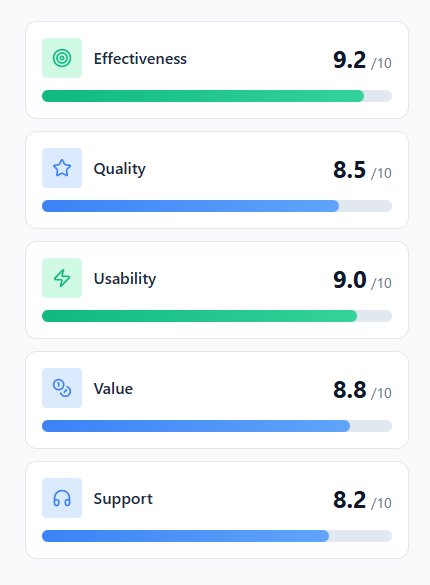


A Robust Framework for Authentic Reviews
Highly Recommended. The 5-Step WordPress Product Review method is highly effective for content creators prioritizing detailed, trustworthy evaluations. It is ideal for affiliate marketers, bloggers, and small businesses aiming to build authority and foster audience trust through comprehensive product insights.
- Provides a clear, structured path to producing high-quality, engaging review content.
- Requires significant manual effort and dedicated time for research and testing.
- Perfect for establishing a niche authority site where in-depth analysis drives conversions.
Why a Structured 5-Step WordPress Product Review Matters
In the crowded digital landscape, generic product reviews often fail to capture attention or build trust. Many content creators struggle with inconsistency, leading to fragmented content that confuses readers and diminishes their site’s authority. A structured approach, like the 5-step method, addresses these challenges head-on by providing a clear, repeatable framework for generating high-quality, impactful reviews.
Implementing a methodical process ensures that every review meets a consistent standard, enhancing your site’s overall credibility. This systematic approach not only streamlines your content creation workflow but also significantly improves your content’s potential for search engine visibility and reader engagement. It transforms subjective opinions into well-researched, actionable insights.
- Ensures consistency in review quality and format across your site.
- Builds reader trust through transparent and thorough evaluations.
- Optimizes content for better organic search rankings and visibility.
- Streamlines the content creation process, saving time and effort.
- Establishes your brand as a reliable authority in your niche.
Step 1: Research and Product Selection
The foundation of any successful product review lies in meticulous research and strategic product selection. Before you even consider writing, it’s crucial to understand the market, identify genuine needs, and select products that genuinely resonate with your audience. This initial phase dictates the relevance and potential impact of your entire review.
Effective research goes beyond simply looking at product specifications; it involves diving deep into market demand and analyzing the competitor landscape. Understanding what your audience is searching for and what existing reviews might be missing provides a critical advantage. This step ensures you’re not just reviewing a product, but addressing a specific problem or desire your readers have.
- Identify products with genuine market demand and audience interest.
- Analyze competitor reviews to find gaps or unique angles.
- Evaluate product features and specifications against user needs.
- Consider your personal expertise and passion for the product category.
- Assess the product’s availability and potential for affiliate partnerships.
Insight
Focus on products you genuinely understand or are willing to learn deeply about, as authenticity resonates more than broad coverage. Your genuine interest will shine through, making your review more compelling.
Step 2: Hands-On Testing and Documentation
Theoretical knowledge and manufacturer claims can only take you so far. The true value of a product review comes from direct, hands-on experience. This step is non-negotiable for building trust and providing unique insights that differentiate your content from generic summaries. It’s where you genuinely interact with the product as your audience would.
During testing, meticulously document every observation, from initial setup to long-term performance. Pay close attention to the user experience, noting any frustrations or delights. This detailed documentation forms the backbone of your review, providing concrete examples and evidence to support your claims about the product’s real-world performance and utility.
- Acquire the product and conduct thorough, real-world testing.
- Document initial impressions, setup process, and ease of use.
- Test all advertised features and functionalities rigorously.
- Note any bugs, glitches, or unexpected behaviors.
- Capture photos and videos during the testing phase for visual evidence.
The Power of Direct Experience
The Trap A blogger reviewed a popular smart home gadget solely based on manufacturer specifications and other online reviews, missing a critical software bug that caused frequent disconnections. Their review was initially positive but lacked depth.
The Win After receiving user complaints about the product’s reliability, the blogger purchased and tested the gadget themselves. They uncovered the persistent connectivity flaw, published an updated, honest review, and provided a workaround. This transparency not only corrected their initial oversight but also built immense reader trust and loyalty, positioning them as a truly reliable source.
Step 3: Crafting Compelling Content and Visuals
Once you’ve gathered your research and testing data, the next critical step is to transform these insights into an engaging and informative review. This involves more than just listing features; it requires structuring your content logically, using an engaging narrative, and integrating high-quality visuals to keep readers hooked. Your goal is to guide the reader through your experience and findings.
The presentation of your review is just as important as its content. High-quality images, screenshots, and videos captured during your hands-on testing significantly enhance the visual appeal and credibility of your review. These elements break up text, illustrate points, and provide tangible proof of your experience, making the review more digestible and persuasive.
- Start with an engaging introduction that hooks the reader.
- Detail product features, benefits, and specifications clearly.
- Provide a balanced pros and cons section based on your testing.
- Offer alternatives or comparisons to similar products.
- Conclude with a clear recommendation and a compelling call to action.
Myth
Longer reviews always rank better in search engines and are more effective.
Reality
While comprehensive, the length of a review alone doesn’t guarantee success. Quality, relevance, and user engagement metrics (like time on page, bounce rate) are far more critical for search engine performance and reader satisfaction. A concise, well-structured 1000-word review can outperform a sprawling 3000-word piece if it delivers clearer value and better answers user questions.
Step 4: Optimizing for SEO and User Experience
A brilliant review is only effective if it can be found and easily consumed by your target audience. This step focuses on ensuring your WordPress product review is optimized for both search engines and the people reading it. Neglecting either aspect can severely limit the reach and impact of your hard work, making your content effectively invisible.
Key optimization efforts include strategic keyword integration, implementing structured data markup (schema), and ensuring your page loads quickly and is mobile responsiveness. A seamless user experience, coupled with robust SEO, ensures that your review not only ranks well but also keeps visitors engaged, encouraging them to spend more time on your page and ultimately convert.
- Conduct keyword research to identify relevant search terms.
- Integrate primary and secondary keywords naturally throughout the content.
- Implement product review schema markup to enhance search visibility.
- Ensure your page is mobile-friendly and loads quickly.
- Optimize images for web performance without sacrificing quality.
Insight
Don’t just target primary keywords; explore long-tail variations and user questions related to the product. These often have less competition and higher conversion intent, bringing more qualified traffic to your review.
Step 5: Publishing, Promotion, and Performance Tracking
The journey of a product review doesn’t end once it’s published on your WordPress site. To maximize its impact, you need a robust strategy for promotion and ongoing performance monitoring. Without active promotion, even the most meticulously crafted review might go unnoticed, failing to reach its full potential in driving traffic and conversions.
Effective promotion involves leveraging various channels, from social media to email newsletters, to amplify your content’s reach. Equally important is tracking its performance using analytics tools to understand what resonates with your audience. Monitoring metrics like page views, engagement rates, and conversion rates allows you to refine your strategy and improve future reviews, ensuring continuous growth and impact through multi-channel promotion.
- Publish your review on your WordPress site at an optimal time.
- Share your review across relevant social media platforms.
- Distribute your review through email newsletters to your subscribers.
- Engage with comments and feedback from your readers.
- Monitor key performance indicators (KPIs) using Google Analytics or similar tools.
Choosing the Right WordPress Tools for Your Reviews
While the 5-step method emphasizes a hands-on, manual approach to content creation, specific WordPress tools can significantly enhance the presentation, functionality, and SEO of your product reviews. These tools don’t replace the core process but rather augment it, making your reviews more professional and effective. Selecting the right plugins can be crucial for streamlining your workflow and improving user experience.
From plugins that help with schema markup plugins to those that facilitate creating visually appealing comparison table builders, the WordPress ecosystem offers a range of options. Understanding which tools align with your specific needs and the goals of your review content is vital. Avoid over-reliance on plugins that promise to do all the work for you, as they often lack the customization needed for truly unique and authoritative content.
- SEO plugins for schema markup and on-page optimization.
- Table builder plugins for creating comparison charts.
- Affiliate link management plugins for tracking and cloaking.
- Image optimization plugins for faster loading times.
- Review rating plugins for user-generated content (if applicable).
Essential WordPress Tools for Enhanced Product Reviews
Contextual Relevance Even with a manual 5-step process, the right plugins can significantly amplify your review’s impact and presentation, making your content more discoverable and engaging.
- Rank Math SEO – Comprehensive SEO plugin offering robust schema markup options for product reviews, ensuring search engines understand your content and display rich snippets.
- WP Table Builder – Simplifies the creation of visually appealing and functional comparison tables, crucial for highlighting differences between products and aiding reader decisions.
- ThirstyAffiliates – Manages affiliate links efficiently, cloaking them and providing analytics, which is vital for monetized reviews and compliance.
Decision Aid When selecting tools, prioritize those that integrate seamlessly with your existing theme and provide clear benefits without adding unnecessary bloat. Avoid tools that promise ‘one-click’ solutions for complex review processes, as they often lack customization or depth. If your primary goal is simple star ratings without detailed editorial content, a basic schema plugin might suffice, and a dedicated review plugin could be overkill.
Common Pitfalls in WordPress Product Reviews (and How to Avoid Them)
Even with a structured approach, several common mistakes can undermine the effectiveness of your WordPress product reviews. Recognizing and actively avoiding these pitfalls is crucial for maintaining your credibility and ensuring your content achieves its intended goals. Many content creators fall into these traps, often without realizing the long-term damage they inflict on their brand.
One significant pitfall is a lack of unbiased perspective, where reviews lean too heavily towards promotion rather than objective evaluation. Another common error is neglecting to include an actionable call to action, leaving readers unsure of the next steps. By being aware of these potential missteps, you can proactively build a more robust and trustworthy review strategy that truly serves your audience.
- Failing to provide a balanced view (too positive or too negative).
- Using generic stock photos instead of unique, hands-on visuals.
- Ignoring reader comments and feedback after publication.
- Not clearly disclosing affiliate relationships or sponsored content.
- Over-optimizing for keywords, leading to unnatural-sounding text.
Your 5-Step Review Process Implementation Checklist
- Define your niche and select a product based on thorough market research and personal interest.
- Acquire the product and commit to at least 72 hours of hands-on testing, documenting every observation.
- Draft your review, ensuring a clear structure, compelling narrative, and high-quality custom visuals.
- Implement SEO best practices, including schema markup and keyword optimization, before publishing.
- Schedule multi-channel promotion for your published review and set up analytics tracking to monitor performance.
- Actively solicit and respond to reader feedback, using it to refine future review content.
How long should a typical 5-step product review take?
The duration varies significantly based on product complexity and your testing depth. Expect anywhere from 1-2 weeks for simpler items to a month or more for software or high-tech gadgets, including research, testing, writing, and optimization. Rushing the process often compromises quality.
Can I review products I haven’t personally used?
While technically possible, it’s strongly discouraged for this 5-step method. Authenticity and trust are built on direct experience. Reviewing without hands-on testing risks misrepresenting the product and eroding your audience’s confidence, which is an irreversible damage to your brand and authority.
What’s the most critical element for a successful WordPress product review?
Beyond all technical aspects, the most critical element is unbiased, honest evaluation. Readers seek genuine insights, not just a sales pitch. Your ability to present both strengths and weaknesses fairly will establish your authority and drive long-term engagement and conversions.