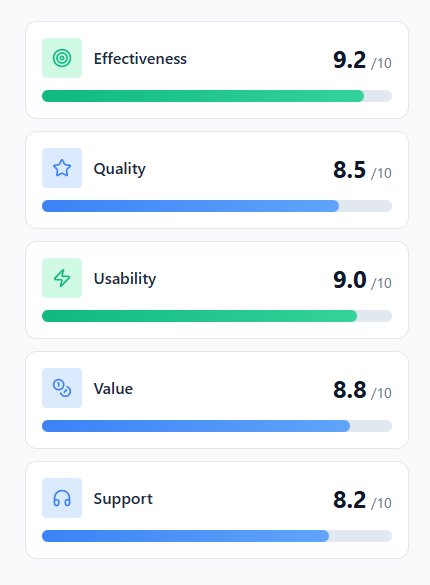


Is Amazon Affiliate Marketing Worth It?
DEPENDS. It is highly suitable for content creators with an established or growing audience, but not for those expecting quick, effortless passive income.
- Access to Amazon’s vast product catalog and trusted brand authority.
- Relatively low commission rates and a short 24-hour cookie window.
- Ideal for niche review sites or educational blogs guiding purchase decisions.
What is the Amazon Associates Program?
The Amazon Associates program enables individuals and businesses to earn commissions by advertising products available on Amazon.com. Participants, known as associates, integrate unique affiliate links into their online content, driving potential customers to Amazon. When a customer makes a qualifying purchase through these links, the associate receives a percentage of the sale. This system is a core component of many online monetization strategies.
Understanding the fundamental mechanics is the first step in leveraging this powerful platform. Many prospective affiliates worry about the complexity of getting started or the potential for policy violations. However, the program’s structure is designed for straightforward integration, provided the operating agreement is thoroughly reviewed and adhered to. Success hinges on driving relevant traffic and conversions to Amazon’s vast marketplace.
- Sign up for an Amazon Associates account.
- Integrate unique affiliate links into your content.
- Earn a commission on qualifying purchases.
Strengths of Amazon Associates
- Leverages Amazon’s immense brand trust and customer base.
- Access to millions of products across diverse categories.
- Relatively straightforward setup process for new affiliates.
Limitations of Amazon Associates
- Commission rates can be low, often 1-10% depending on category.
- Short 24-hour cookie window limits earning potential.
- Strict operating agreement requires careful compliance to avoid suspension.
Why Should You Consider Amazon Affiliate Marketing?
Considering Amazon affiliate marketing offers several compelling advantages for content creators seeking to monetize their platforms. The primary draw is Amazon’s global recognition and customer trust, which significantly reduces the barrier to conversion. People are already comfortable buying from Amazon, making it easier for affiliates to generate sales compared to lesser-known merchants. This inherent trust can translate into higher conversion rates for your recommended products.
Furthermore, the sheer volume and diversity of products available mean there’s almost always a relevant item for any niche. This breadth allows affiliates to recommend a wide range of products without needing to partner with multiple individual brands. The ease of product discovery and the established purchasing habits of consumers on Amazon are key factors that make this program attractive for sustained income generation.
- Benefit from high customer trust in the Amazon brand.
- Access an unparalleled selection of products for any niche.
- Leverage existing customer purchasing behavior on the platform.
Insider Tip
Focus on evergreen content that naturally integrates product recommendations. This ensures your affiliate links remain relevant and generate income over extended periods, reducing the need for constant updates.
How Do Amazon Affiliate Commission Rates Work?
Amazon’s commission rates are structured based on product categories, meaning the percentage you earn varies significantly depending on what type of item is purchased. These rates are not uniform across the board; for example, luxury beauty products might offer a higher percentage than electronics. Understanding this tiered structure is fundamental to strategizing your content and product recommendations for maximum profitability. The rates are subject to change, so regular review of the official commission rate schedule is essential.
It is important to note that commissions are paid on qualifying purchases, which means certain items or purchases made outside the cookie window may not count. The specific percentage earned is applied to the net sale price of the item, excluding shipping, taxes, and other fees. This category-based system encourages affiliates to delve into niches with more favorable commission structures, even if they have lower sales volumes, to optimize their overall earnings.
- Rates vary by product category (e.g., Digital Games vs. Home Improvement).
- Commissions are calculated on the net sale price.
- Rates are subject to periodic updates by Amazon.
What Factors Influence Your Amazon Affiliate Earnings?
Several critical factors directly influence the total earnings an Amazon affiliate can expect. Beyond the commission rate itself, the volume of traffic driven to Amazon, the conversion rate of that traffic, and the average order value all play significant roles. High traffic with low conversion will yield minimal results, just as low traffic with high conversion might not scale effectively. The quality and relevance of your audience to the products you promote are paramount.
Furthermore, the specific product categories you focus on will dictate your base commission percentage. Promoting items in categories with higher rates, even if they are less popular, can sometimes outperform high-volume, low-rate categories. The effectiveness of your call-to-actions, the trust you’ve built with your audience, and the overall user experience on your site also contribute significantly to whether visitors proceed to purchase through your links. Understanding these interconnected elements allows for a more strategic approach to affiliate marketing.
- Traffic volume and conversion rates to Amazon.
- Specific product categories and their associated commission rates.
- Average order value of purchases made through your links.
Understanding Commission Rate Fluctuations
Amazon’s commission rates typically range from 1% to 10%, though specific categories like Luxury Beauty or Amazon Games can reach the higher end. However, popular categories like Electronics or Home Improvement often sit in the 3-4% range, making volume crucial for substantial earnings.
Step-by-Step: How to Set Up Your Amazon Associates Account
Setting up an Amazon Associates account is a straightforward process, but it requires careful attention to detail to ensure approval and compliance. The first step involves visiting the Amazon Associates homepage and clicking the ‘Sign Up’ button. You will then be prompted to log in with your existing Amazon customer account or create a new one. This initial phase establishes your identity within the Amazon ecosystem.
Following the login, you’ll provide information about your website or mobile app where you intend to promote Amazon products. This includes URLs and a brief description of your content. Amazon reviews these details to ensure your platform aligns with their operating agreement. Providing accurate and complete information is essential for a smooth approval process and to avoid delays. Once submitted, Amazon typically reviews applications within 12-24 hours, though it can take longer.
- Visit the Amazon Associates homepage and click ‘Sign Up’.
- Log in with your Amazon account or create a new one.
- Provide details about your website(s) or mobile app(s).
- Complete your profile with payment and tax information.
What Are the Website Requirements for Amazon Affiliates?
Amazon has specific requirements for websites and content platforms that wish to join the Associates program, primarily focused on providing a positive customer experience and adhering to legal standards. Your site must have original content, be publicly accessible, and not contain any prohibited material such as sexually explicit, violent, or defamatory content. A clear privacy policy is also often expected, especially for sites collecting user data.
Furthermore, your website should demonstrate a clear purpose and a reasonable amount of content before applying. Amazon generally prefers sites that are active and offer value to visitors, rather than empty or spammy pages. Ensuring your site is mobile-friendly and loads quickly also contributes to a better user experience, which Amazon values. Non-compliance with these requirements can lead to application rejection or, worse, account termination after approval.
- Must have original, valuable content.
- Must be publicly accessible and functional.
- Cannot contain prohibited content (e.g., illegal, offensive).
- Requires a clear privacy policy.
Myth
You need a massive audience or millions of page views to be approved for Amazon Associates.
Reality
While a larger audience helps with earnings, Amazon primarily looks for quality content, a functional website, and adherence to their policies. Smaller niche sites with engaged audiences are often approved.
How to Effectively Link Products for Amazon Affiliates
Effectively linking products is crucial for maximizing your Amazon affiliate earnings. It’s not just about dropping a link; it’s about strategic placement and context. Links should appear naturally within your content, guiding the reader towards a product that genuinely solves a problem or fulfills a need discussed in your article. Using clear, descriptive anchor text or product images with embedded links can significantly increase click-through rates.
Amazon provides various linking tools, including text links, image links, and product advertising API options for more advanced users. The ‘SiteStripe’ tool is particularly useful for quickly generating links directly from any Amazon product page while browsing. Always ensure your links are clearly identifiable as affiliate links, often through disclaimers, to maintain transparency with your audience and comply with Amazon’s requirements. The goal is to make the transition from your content to the product page as seamless and logical as possible, encouraging a positive user journey.
- Integrate links naturally within relevant content.
- Use clear anchor text or product images for links.
- Utilize Amazon’s SiteStripe tool for easy link generation.
Understanding the Amazon Affiliate Cookie Window and Its Impact
The Amazon affiliate cookie window is a critical concept that directly impacts your earning potential. When a user clicks on your affiliate link, a cookie is placed in their browser, typically lasting for 24 hours. If that user makes a qualifying purchase within this 24-hour period, you receive a commission on that sale. This window applies to any item the customer adds to their cart and purchases, not just the specific product you linked.
However, if the user adds an item to their cart and then purchases it after the 24-hour window, you will not receive a commission unless they click your link again. This short duration means that your content needs to inspire immediate action or guide users towards products they are ready to buy. Understanding this time-sensitive conversion window is vital for optimizing your content strategy and call-to-actions, encouraging users to complete their purchases promptly after clicking your links.
- Cookie lasts for 24 hours after a click.
- Commission applies to any qualifying purchase within this window.
- If an item is added to cart, the cookie extends to 90 days if purchased from the cart.
The Lost Commission Trap
The Trap: A blogger reviewed a popular camera, driving significant traffic to Amazon. Many readers clicked the link, added the camera to their cart, but waited a week to purchase. The blogger received no commission for these sales.
The Gain: By adding a clear call-to-action to ‘Add to Cart Now to Lock in Price’ and explaining the limited-time nature of the affiliate cookie, the blogger saw a 30% increase in conversions within the 24-hour window, significantly boosting earnings.
How to Maximize Commission Rates Through Niche Selection
Maximizing your Amazon affiliate commission rates often starts with strategic niche selection. Not all product categories offer the same earning potential, and some niches inherently feature products with higher commission percentages. For instance, focusing on luxury goods, digital products (like games), or certain apparel items can yield better rates than general electronics or books. Researching Amazon’s current commission rate schedule is paramount before committing to a niche.
Beyond the direct commission percentage, consider the average price point of products within your chosen niche. Promoting higher-priced items, even with a moderate commission rate, can result in larger payouts per sale. A niche focused on high-ticket items like specialized outdoor gear or professional photography equipment, combined with a decent commission, can be far more profitable than a high-volume, low-value niche. This strategic approach to niche profitability analysis is key to optimizing your affiliate income from the outset.
- Prioritize niches with higher base commission rates.
- Consider the average price point of products within the niche.
- Analyze competition and audience demand within the chosen niche.
Key Metrics: How to Track Your Amazon Affiliate Performance
Tracking your Amazon affiliate performance is essential for understanding what strategies are working and where improvements can be made. The Amazon Associates dashboard provides a wealth of data, including clicks, ordered items, shipped items, and total earnings. Key metrics to monitor include your click-through rate (CTR), conversion rate (ordered items per click), and earnings per click (EPC). These metrics offer insights into the effectiveness of your content and linking strategies.
Regularly reviewing your performance reports allows you to identify top-performing products, content pieces, and traffic sources. This data-driven approach enables you to double down on successful tactics and refine underperforming ones. Paying close attention to seasonal trends and product category performance can also help you anticipate changes in demand and adjust your promotional efforts accordingly, ensuring your efforts are always optimized for maximum return.
- Monitor clicks, ordered items, and total earnings.
- Track click-through rate (CTR) and conversion rate.
- Analyze earnings per click (EPC) for content effectiveness.
Insider Tip
Don’t just look at total earnings. Dive into the ‘Ordered Items’ report to see exactly which products convert best from your links. This can reveal unexpected high-performers that you can promote further.
What Are Common Mistakes New Amazon Affiliates Make?
New Amazon affiliates often fall into several common traps that can hinder their success or even lead to account suspension. One frequent mistake is failing to disclose their affiliate relationship clearly and conspicuously on their website, which is a strict requirement from both Amazon and regulatory bodies. Another error is spamming links without providing genuine value or context, which alienates audiences and rarely converts.
Many beginners also make the mistake of focusing solely on the highest commission rates rather than promoting products genuinely relevant to their audience. This can lead to low conversion rates and a lack of trust. Furthermore, neglecting to regularly check Amazon’s operating agreement for updates can result in inadvertent policy violations. Avoiding these common pitfalls through diligent compliance and audience-centric content is crucial for building a sustainable affiliate business.
- Failing to disclose affiliate links properly.
- Spamming links without adding value.
- Promoting irrelevant products solely for high commissions.
- Not regularly reviewing Amazon’s operating agreement.
How to Ensure Compliance and Avoid Account Suspension
Ensuring compliance with Amazon’s Operating Agreement is paramount for the longevity of your Amazon Associates account. The most critical aspect is clear and conspicuous disclosure of your affiliate relationship. Every page containing affiliate links must prominently state that you earn from qualifying purchases. This isn’t just an Amazon rule; it’s often a legal requirement in many jurisdictions, such as the FTC in the United States.
Beyond disclosure, affiliates must avoid making false or misleading claims about products, using Amazon’s trademarks improperly, or engaging in any form of direct advertising that Amazon prohibits (e.g., email marketing with direct affiliate links without prior approval). Regularly reviewing the full operating agreement and any updates is the best defense against inadvertent violations. Proactive adherence to these guidelines is non-negotiable for maintaining account standing and protecting your earning stream.
- Clearly disclose your affiliate relationship on every relevant page.
- Avoid making misleading claims about products.
- Do not use Amazon’s trademarks or logos improperly.
- Refrain from prohibited advertising methods like direct email linking.
Myth
Once approved, you can relax and just add links anywhere.
Reality
Amazon actively monitors affiliate activity. Continuous compliance with their ever-evolving Operating Agreement, including proper disclosure and ethical promotion, is mandatory to avoid account suspension.
Amazon Affiliate Payouts: Thresholds and Payment Methods
Understanding Amazon’s payout structure, including thresholds and available payment methods, is crucial for managing your affiliate income expectations. Amazon typically pays commissions approximately 60 days after the end of the month in which the qualifying purchases were made. This delay accounts for returns and cancellations, ensuring only legitimate sales are paid out. The minimum payment threshold for direct deposit is usually $10, while for Amazon Gift Cards it’s $10, and for checks, it’s $100.
Affiliates can choose from several payment options: direct deposit (EFT), Amazon Gift Card, or check. Direct deposit is generally the fastest and most convenient method, transferring funds directly to your bank account. It is imperative to ensure your payment and tax information is accurately entered and kept up-to-date in your Associates account to avoid any delays in receiving your earnings. Accurate financial details are key to a smooth payout process.
- Payouts occur approximately 60 days after the month’s end.
- Minimum payout threshold is typically $10 for direct deposit/gift card.
- Payment options include direct deposit, Amazon Gift Card, or check.
Average Payout Delay
Affiliates commonly observe a 60-day payment cycle. For instance, earnings accrued in January would typically be paid out around the end of March. This delay is standard practice to account for product returns and order cancellations.
What Are Advanced Strategies for Boosting Affiliate Income?
Beyond basic linking, advanced strategies can significantly boost your Amazon affiliate income. One powerful approach is to create comprehensive ‘best of’ or ‘comparison’ guides that feature multiple products, allowing users to make informed decisions. These types of content often capture users further down the purchase funnel, leading to higher conversion rates. Focusing on high-value keywords with commercial intent is also crucial.
Another effective strategy involves optimizing for seasonal trends and holidays. By planning content around events like Black Friday, Prime Day, or Christmas, you can capitalize on increased consumer spending. Utilizing Amazon’s A/B testing features for product links or calls-to-action can also refine your approach. Furthermore, building an email list and strategically using it to promote relevant Amazon products (while adhering to Amazon’s direct linking policies) can provide a consistent traffic source. Implementing these tactics requires strategic planning and continuous optimization.
- Create ‘best of’ or comparison guides for multiple products.
- Capitalize on seasonal trends and holiday shopping events.
- Utilize Amazon’s A/B testing features for link optimization.
Insider Tip
Instead of just linking to individual products, consider creating ‘product bundles’ or ‘shopping lists’ within your content. This encourages users to add multiple items to their cart, increasing your average order value and overall commission.
Should You Diversify Your Affiliate Portfolio Beyond Amazon?
Diversifying your affiliate portfolio beyond Amazon is a prudent strategy for long-term stability and increased earning potential. While Amazon offers unparalleled product selection and brand trust, relying solely on one affiliate program exposes you to significant risk. Changes to Amazon’s commission rates, operating agreement, or even account suspension can severely impact your income overnight. Exploring other affiliate networks and direct merchant programs can mitigate these risks.
Many niche-specific affiliate programs offer significantly higher commission rates than Amazon, sometimes ranging from 20% to 50% or even more, especially for digital products or services. These programs might have a smaller product catalog but often provide a better return on investment for highly targeted traffic. Building relationships with multiple merchants also provides flexibility and allows you to promote the absolute best products for your audience, regardless of where they are sold. This balanced approach ensures resilience against market changes and optimizes overall profitability.
- Mitigate risk from Amazon’s policy or rate changes.
- Access higher commission rates from niche-specific programs.
- Gain flexibility to promote the best products for your audience.
How Do Product Categories Affect Your Affiliate Earnings?
The specific product categories you choose to promote have a profound impact on your potential affiliate earnings, primarily due to Amazon’s varied commission rate structure. Categories like Luxury Beauty, Digital Games, and Apparel often feature higher commission percentages, sometimes reaching 10%. In contrast, categories such as Electronics, Home Improvement, and Books typically offer lower rates, often in the 1-4% range. This disparity means that promoting a high volume of low-commission items might yield less than fewer sales of high-commission products.
Therefore, understanding which categories offer the most favorable rates is crucial for strategic content planning. While it’s important to remain authentic to your niche, exploring sub-niches or related product types that fall into higher-paying categories can significantly boost your income. For example, a tech reviewer might also cover high-end audio accessories (often higher commission) rather than just mainstream laptops. This intentional focus on profitable product categories ensures your efforts are directed towards maximum financial return.
- Higher commission rates for categories like Luxury Beauty and Digital Games.
- Lower rates for common categories like Electronics and Books.
- Strategic category selection can significantly impact overall income.
Insider Tip
Don’t just chase the highest commission rate. Consider the product’s price point and how frequently it sells. A 4% commission on a $1000 item might be more profitable than a 10% commission on a $20 item, especially if the higher-priced item sells consistently.
Building Trust: The Foundation for Sustainable Affiliate Earnings
Building trust with your audience is the single most important factor for achieving sustainable Amazon affiliate earnings. In an era of information overload, consumers rely on genuine recommendations from trusted sources. If your audience perceives your content as purely promotional or disingenuous, they are unlikely to click your links, let alone make a purchase. Authenticity and transparency are non-negotiable.
This involves providing honest reviews, highlighting both the pros and cons of a product, and clearly disclosing your affiliate relationship. Focus on solving your audience’s problems or providing valuable information, with affiliate links serving as helpful resources rather than the primary goal. Over time, this approach cultivates a loyal readership that trusts your recommendations, leading to consistent click-throughs and conversions. Remember, long-term audience loyalty far outweighs short-term transactional gains.
- Provide honest, balanced reviews and recommendations.
- Clearly and consistently disclose your affiliate relationship.
- Prioritize audience value over direct sales pitches.
The Authentic Reviewer’s Triumph
The Trap: A new tech reviewer focused solely on promoting the latest gadgets with glowing, uncritical reviews, leading to low engagement and minimal sales despite high traffic.
The Gain: After shifting to in-depth, balanced reviews that highlighted both strengths and weaknesses, and clearly stating affiliate links, audience trust soared. This led to a 50% increase in conversion rates and loyal followers who actively sought out the reviewer’s recommendations before purchasing.
When Should You Reconsider Your Amazon Affiliate Strategy?
Periodically reconsidering your Amazon affiliate strategy is a healthy practice for any content creator, especially if you observe declining performance or significant changes in your niche. If your conversion rates are consistently low despite high traffic, it might indicate a misalignment between your content, audience, or the products you’re promoting. Similarly, if Amazon significantly alters commission rates in your primary categories, a strategic pivot might be necessary to maintain profitability.
Another trigger for reconsideration could be increasing competition or a saturation of your niche, making it harder to stand out and attract qualified traffic. If your efforts are yielding diminishing returns, it’s time to analyze whether a different product focus, a new content format, or even exploring alternative affiliate programs would be more beneficial. A proactive approach to strategic reassessment prevents stagnation and ensures your efforts remain aligned with your earning goals.
- Consistent low conversion rates despite high traffic.
- Significant changes in Amazon’s commission rates for your niche.
- Increased competition or saturation within your product categories.
Insider Tip
Set a quarterly or bi-annual review date for your Amazon Associates performance. Analyze your top 5 and bottom 5 performing links. Consider removing or revamping low-performers and scaling what works best.
Amazon Affiliate Action Checklist
- Within 1 Week: Sign up for an Amazon Associates account and complete your profile details.
- Within 2 Weeks: Review Amazon’s Operating Agreement and current commission rates thoroughly.
- Within 1 Month: Implement clear affiliate disclosures on all relevant pages of your website.
- Ongoing: Integrate relevant product links naturally into new and existing content.
- Monthly: Review your Associates dashboard for performance metrics and identify top-converting products.
- Quarterly: Reassess your niche and product categories against current commission rates and audience interest.
- Annually: Diversify your affiliate partnerships beyond Amazon to mitigate risk and explore higher commissions.
How long does it take to get approved for Amazon Associates?
Approval typically takes 12-24 hours after submitting your application, though it can sometimes take longer. Amazon reviews your website to ensure it meets their content and compliance guidelines.
Can I use Amazon affiliate links in emails?
Generally, Amazon’s Operating Agreement prohibits the use of affiliate links in offline promotions or certain types of email marketing without prior approval. Always refer to the latest agreement for specific restrictions on email usage.
What happens if someone returns a product I earned a commission on?
If a customer returns a product for which you received a commission, that commission will be deducted from your earnings. This is why there’s a delay in payouts, to account for returns and cancellations.
Is there a minimum earning threshold for Amazon Associates payouts?
Yes, the minimum payout threshold is typically $10 for direct deposit or Amazon Gift Card, and $100 for payment by check. If you don’t reach this amount, your earnings roll over to the next month.
Do Amazon affiliate links expire?
No, the links themselves do not expire. However, the cookie that tracks a customer’s purchase after clicking your link typically lasts for 24 hours. If an item is added to the cart, the cookie extends to 90 days if purchased from the cart.