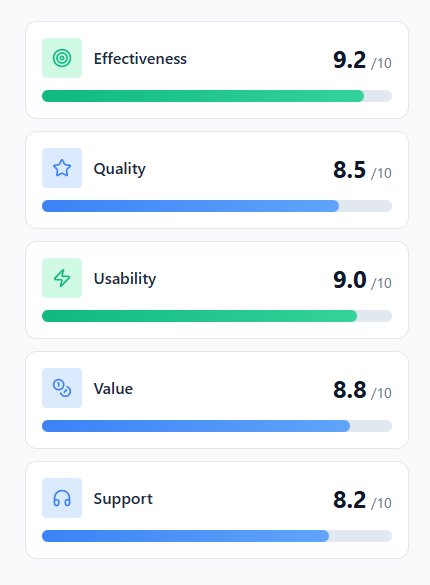


Is Credit Card Affiliate Marketing Right for You?
DEPENDS. This niche offers high earning potential but demands significant effort in building trust and navigating strict regulations.
- High commission rates per approved application offer substantial revenue opportunities.
- Strict compliance requirements and the need for deep audience trust present significant barriers.
- Ideal for established financial content creators or niche review sites with a loyal, engaged audience.
What is Credit Card Affiliate Marketing?
Credit card affiliate marketing involves promoting various credit card products to an audience and earning a commission for each successful application or lead. This system connects financial institutions with publishers who can drive qualified traffic. It is a performance-based model where affiliates act as intermediaries, guiding potential customers to suitable financial products.
The core principle relies on building a bridge between consumers seeking financial solutions and banks offering them. Affiliates leverage their platforms to educate and inform, making recommendations that align with their audience’s needs. Success in this field hinges on transparency and credibility, as trust is paramount when dealing with financial decisions.
- Affiliates promote credit cards through unique tracking links.
- Commissions are paid for approved applications or qualified leads.
- The model requires a strong understanding of financial products.
- Regulatory compliance is a critical, ongoing requirement.
Advantages of Credit Card Affiliate Marketing
- High payout per conversion compared to many other affiliate niches.
- Access to a wide range of financial products from major issuers.
- Potential for recurring income streams with a well-established platform.
Limitations of Credit Card Affiliate Marketing
- Strict regulatory scrutiny and compliance demands.
- High competition from established financial review sites.
- Requires significant time to build audience trust and authority.
How Does the Credit Card Affiliate System Work?
The operational flow of credit card affiliate marketing is straightforward but requires careful execution. Publishers join affiliate networks or direct programs offered by credit card issuers. Once approved, they receive unique tracking links for specific credit card offers. These links are embedded within content, such as reviews, comparison articles, or educational guides.
When a user clicks an affiliate link and successfully applies for a credit card, and that application is approved, the affiliate earns a commission. The tracking technology ensures that the correct affiliate is attributed for the referral. Understanding the conversion funnel—from click to approved application—is vital for optimizing performance and maximizing earnings in this competitive space.
- Affiliates apply to credit card programs or networks.
- Unique tracking links are provided for specific card offers.
- Users click links and complete an application.
- Commissions are paid upon successful application approval.
Myth
Credit card affiliate marketing is a quick way to earn passive income without much effort.
Reality
While profitable, it demands extensive effort in content creation, audience building, regulatory adherence, and continuous optimization. It is far from a passive income stream initially.
Who Can Succeed with Credit Card Affiliate Programs?
Success in credit card affiliate marketing is not universal; it heavily favors specific types of content creators and platforms. Individuals or businesses with an existing, engaged audience interested in personal finance, budgeting, travel, or small business solutions are particularly well-positioned. These audiences are already seeking financial advice and product recommendations, making them receptive to affiliate offers.
Furthermore, those who can establish themselves as authoritative sources and consistently provide valuable, unbiased information tend to thrive. This niche is not for those looking for a ‘get rich quick’ scheme, but rather for those committed to long-term content strategy and audience development. A strong background in financial literacy or a willingness to deeply research products is also a significant advantage.
- Personal finance bloggers and educators.
- Travel bloggers focusing on rewards cards.
- Business resource sites for small enterprises.
- Review sites specializing in financial products.
Insider tip
Focus on building a highly targeted niche audience first, rather than trying to appeal to everyone. A smaller, more engaged audience often converts better than a broad, less interested one.
Navigating Regulatory Compliance and Disclosures
Regulatory compliance is arguably the most critical and challenging aspect of credit card affiliate marketing. Financial products are heavily regulated, and affiliates must adhere to strict guidelines set by government bodies and the card issuers themselves. This includes clear and conspicuous disclosure of affiliate relationships, ensuring all claims are accurate, and avoiding misleading statements. Failure to comply can lead to severe penalties, program termination, and damage to reputation.
The Federal Trade Commission (FTC) in the US, for example, has specific guidelines for endorsements and testimonials that apply directly to affiliate marketers. Affiliates must clearly state that they may earn a commission from links. Staying informed about these ever-evolving regulations is not optional; it is a fundamental requirement for sustainable operation in this niche. Regular review of program terms and legal advice is often necessary.
- Always disclose affiliate relationships prominently.
- Ensure all product claims are accurate and verifiable.
- Avoid making guarantees or misleading statements.
- Stay updated on FTC guidelines and issuer-specific rules.
Understanding Disclosure Impact
Studies commonly observe that transparent affiliate disclosures do not significantly deter conversions, and in some cases, can even enhance trust, leading to better long-term audience engagement.
Choosing the Right Credit Card Affiliate Networks
Selecting the appropriate affiliate network or direct program is a foundational step for any aspiring credit card affiliate. Not all networks offer credit card programs, and those that do vary significantly in their offerings, commission structures, and support. Major players like FlexOffers, CJ Affiliate, and Impact Radius often host various financial programs, including credit cards. Direct programs with specific banks are also common.
When evaluating options, consider the range of cards available, the commission rates per approval, the cookie duration, and the quality of the affiliate support. It is also crucial to ensure that the network or program aligns with your audience’s needs and your content strategy. Prioritizing networks with a strong reputation for timely payouts and robust tracking is essential for a smooth operational experience.
- Research networks like FlexOffers, CJ Affiliate, Impact Radius.
- Evaluate commission rates and payment terms.
- Check the variety of credit card offers available.
- Assess the quality of affiliate support and tracking.
Building Trust and Authority in Finance
In the financial sector, trust is the ultimate currency. Without it, even the most compelling offers will fail to convert. Building authority involves consistently providing accurate, well-researched, and unbiased information. This means going beyond simply listing features and delving into the practical implications of different credit cards for various financial situations. Your audience needs to feel confident that your recommendations are genuinely in their best interest, not just a means to earn a commission.
Demonstrating expertise through detailed reviews, comparison guides, and educational content helps establish credibility. Engaging with your audience through comments, social media, and forums further solidifies your position as a reliable source. This long-term investment in audience rapport is what differentiates successful financial affiliates from those who struggle to gain traction.
- Provide unbiased and thoroughly researched content.
- Clearly explain pros, cons, and ideal use cases for each card.
- Engage with your audience and answer their questions transparently.
- Regularly update content to reflect current offers and terms.
The Niche Blog’s Turnaround
The trap A personal finance blogger initially focused on broad credit card reviews, struggling to stand out in a crowded market and facing low conversion rates due to generic content.
The win By narrowing their focus to ‘credit cards for new entrepreneurs’ and providing highly specific, actionable advice, they built a loyal audience, increased engagement, and saw a 300% rise in affiliate conversions within six months.
Content Strategies for Promoting Credit Cards
Effective content is the backbone of successful credit card affiliate marketing. Simply dropping links into generic articles will not yield results. Instead, focus on creating valuable, problem-solving content that naturally integrates credit card recommendations. This could include detailed reviews, comparison charts, guides on improving credit scores, or articles on maximizing travel rewards. Each piece of content should aim to answer specific questions or address particular pain points your audience might have.
Consider different formats beyond just blog posts, such as video reviews, infographics, or email newsletters. The key is to provide enough context and information for your audience to make an informed decision. Always prioritize educating your readers over hard selling, as this approach fosters trust and leads to more sustainable conversions. Emphasize the benefits and drawbacks for specific user profiles.
- Create in-depth reviews of individual credit cards.
- Develop comparison articles for similar card types.
- Write educational guides on credit scores or rewards.
- Produce content addressing specific financial challenges.
Insider tip
Instead of just reviewing cards, create content around common financial scenarios where a specific card offers a clear solution. For example, ‘Best Cards for Building Credit After Bankruptcy’ or ‘Top Cards for International Business Travel’.
Common Pitfalls to Avoid in Credit Card Affiliation
Even with a solid strategy, several common mistakes can derail credit card affiliate efforts. One major pitfall is neglecting compliance, which can lead to severe repercussions. Another is prioritizing high commissions over audience relevance, recommending cards that don’t genuinely serve your readers’ best interests. This erodes trust quickly and is difficult to rebuild. Over-promotion or spamming links without providing value also alienates audiences.
Furthermore, failing to update content regularly means your recommendations can quickly become outdated, leading to a poor user experience and potentially incorrect information. Not analyzing performance data is another mistake, as it prevents optimization of your strategies. Avoiding these common errors requires diligence, ethical considerations, and a commitment to continuous learning and adaptation.
- Ignoring regulatory compliance and disclosure rules.
- Promoting irrelevant cards solely for high commissions.
- Over-saturating content with too many affiliate links.
- Failing to update outdated card offers and terms.
Measuring Success and Optimizing Performance
To truly succeed in credit card affiliate marketing, you must continuously measure your performance and optimize your strategies. Key metrics include click-through rates (CTR) on your affiliate links, conversion rates (applications to approvals), and earnings per click (EPC). Tracking these metrics helps identify which content pieces, card offers, and calls to action are performing best. Most affiliate networks provide detailed dashboards for this purpose.
Beyond raw numbers, analyze user behavior on your site. Which pages do they visit before clicking? What questions do they ask? Use this qualitative data to refine your content and improve the user journey. A/B testing different headlines, calls to action, and content formats can also lead to significant improvements. The goal is to continuously refine your approach based on actionable insights from your data.
- Track click-through rates and conversion rates.
- Monitor earnings per click (EPC) and overall revenue.
- Analyze user engagement with your content.
- A/B test different calls to action and content layouts.
Alternatives to Direct Credit Card Promotion
While credit card affiliate marketing can be lucrative, it is not the only path in financial affiliation. For those who find the compliance too stringent or the competition too high, several alternatives exist. These include promoting personal loan offers, savings accounts, investment platforms, budgeting tools, or credit repair services. These niches often have different regulatory landscapes and may appeal to a broader or more specific audience segment.
Each alternative comes with its own set of advantages and challenges, including varying commission structures and audience needs. For example, promoting budgeting apps might have lower per-conversion payouts but potentially higher volume. Exploring these options can help diversify your income streams or find a niche that better aligns with your expertise and comfort level. Consider diversifying your portfolio to reduce reliance on a single, high-risk product category.
- Promoting personal loan or mortgage offers.
- Affiliate marketing for savings accounts or CDs.
- Partnering with investment platforms or robo-advisors.
- Recommending budgeting software or financial planning tools.
Future Trends in Financial Affiliate Marketing
The landscape of financial affiliate marketing is constantly evolving, driven by technological advancements and shifting consumer behaviors. One significant trend is the increasing emphasis on personalized recommendations, leveraging AI and data analytics to match users with the most relevant financial products. This moves beyond generic lists to highly tailored suggestions based on individual financial profiles and goals. Another trend is the rise of video content and interactive tools as primary channels for financial education and product promotion.
Furthermore, regulatory bodies are likely to continue refining guidelines, pushing for even greater transparency and consumer protection. Affiliates who embrace these changes, invest in advanced analytics, and prioritize ethical practices will be best positioned for long-term success. Staying agile and adapting to new platforms and compliance requirements will be key to navigating the evolving digital finance ecosystem.
- Increased personalization through AI-driven recommendations.
- Growth of video content and interactive financial tools.
- Evolving regulatory frameworks requiring continuous adaptation.
- Emphasis on mobile-first content and user experience.
Your First Steps Action Checklist
- Within 1 Week: Research and select 2-3 reputable credit card affiliate networks or direct programs that align with your niche.
- Within 2 Weeks: Apply to your chosen affiliate programs and thoroughly review their specific terms and compliance requirements.
- Within 1 Month: Publish your first piece of high-value, compliant content (e.g., a detailed review or comparison) incorporating your affiliate links.
- Within 2 Months: Implement clear and conspicuous affiliate disclosures on all relevant pages of your platform.
- Ongoing: Regularly monitor your performance metrics and update content to reflect current offers and regulatory changes.
What are typical commission rates for credit card affiliates?
Commission rates vary significantly but can range from $50 to $300+ per approved application, depending on the card issuer and the specific product.
Is it difficult to get approved for credit card affiliate programs?
Approval can be challenging, especially for new affiliates without an established platform or audience. Issuers look for high-quality content, relevant traffic, and a commitment to compliance.
How long does it take to see results in credit card affiliate marketing?
Building an audience and establishing trust takes time. Most affiliates report seeing significant results after 6-12 months of consistent effort, sometimes longer.
Do I need a financial background to be a credit card affiliate?
While not strictly required, a strong understanding of financial products and regulations is highly beneficial. Many successful affiliates invest heavily in self-education and research.