
Navigating Amazon Associates Commission Rates: Is It Worth Your Effort?
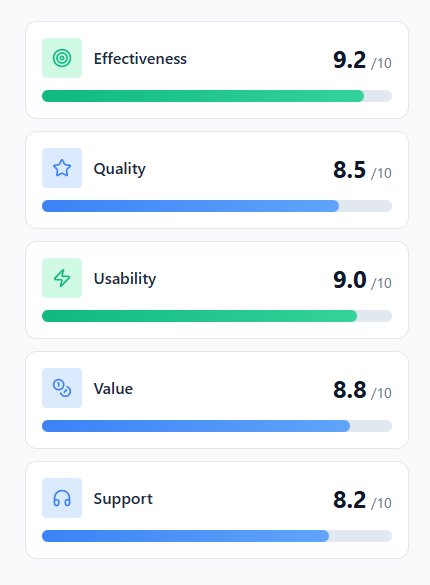
DEPENDS. The Amazon Associates program can be highly effective for specific content creators but presents challenges for others.
- Access to Amazon’s vast product catalog and customer trust provides a significant advantage for conversion.
- Low commission rates in many popular product categories represent a hard limitation for revenue potential.
- Ideal for niche review sites or content creators with highly targeted audiences promoting specific, relevant products.
What are Amazon Associates Commission Categories?
Amazon Associates organizes its vast product inventory into distinct commission categories, each assigned a specific percentage rate for affiliate earnings. This structured approach determines how much an associate earns for each qualifying purchase made through their unique links. Understanding these categories is fundamental to predicting and maximizing potential income from the program.
The system is designed to provide a clear framework for affiliates, though the varying rates require careful consideration. Affiliates must align their content strategy with categories that offer both relevance to their audience and a viable fixed standard commission income. Misunderstanding this categorization can lead to promoting products with disproportionately low returns, impacting overall profitability.
- Digital Content: Often includes games and software, typically offering higher percentages.
- Luxury Beauty: Products in this segment can command premium rates due to their price point and niche appeal.
- Home and Kitchen: A broad category with moderate commission rates, covering everyday household items.
- Electronics: Many popular electronic devices fall into lower-tier commission brackets, despite high sales volume.
- Books: Physical and digital books generally have consistent, albeit often lower, commission percentages.
How Do Commission Rates Vary by Product Category?
The core of the Amazon Associates program lies in its diverse product categories, each carrying a different commission rate. These rates can range significantly, from as high as 20% for certain digital goods to as low as 1% for specific product types like groceries or health and personal care items. This wide variance necessitates a strategic approach to product promotion, focusing on categories that align with both audience interest and favorable earnings potential.
Amazon periodically adjusts these rates, and affiliates must stay informed about any changes to maintain an effective strategy. The rationale behind these differing rates often relates to profit margins, product type (physical vs. digital), and market competition. A clear understanding of this commission rate structure is crucial for any affiliate aiming for sustainable income.
- High-Tier (e.g., 10-20%): Digital Games, Luxury Beauty, Amazon Games.
- Mid-Tier (e.g., 4-8%): Home, Kitchen, Apparel, Handbags, Jewelry, Shoes.
- Low-Tier (e.g., 1-3%): Electronics, PC Components, Physical Books, Health & Personal Care, Groceries.
- Special Cases: Gift Cards and certain promotional items often yield no commission.
- Prime Video: Specific movie and TV show rentals or purchases may have unique rates.
Advantages of Amazon Associates
- Leverages Amazon’s immense brand trust, leading to higher conversion rates for recommended products.
- Provides access to an unparalleled catalog of millions of products, offering vast niche opportunities.
- Offers a simple, user-friendly dashboard for tracking sales and earnings, streamlining performance analysis.
Limitations of Amazon Associates
- Low commission rates in many high-volume categories significantly cap earning potential for generalists.
- Cookie duration is only 24 hours, meaning sales must occur quickly after a click to be attributed.
- Strict operating agreement and compliance rules can lead to account suspension if not meticulously followed.
Understanding the Fixed Standard Commission Income Structure
The Amazon Associates program operates on a fixed standard commission income model, meaning each product category has a predetermined percentage rate. This structure provides predictability for affiliates, as the commission earned for a qualifying purchase within a specific category remains constant, regardless of the product’s price, beyond the category itself. This differs from tiered systems where earnings might increase with sales volume.
Affiliates earn commissions not just on the specific product linked, but on any qualifying purchases made by the customer within 24 hours of clicking the affiliate link. This ‘last click wins’ model, combined with the fixed category rates, forms the backbone of how earnings are calculated. However, products that are returned or canceled do not count towards commission, impacting net earnings.
- Category-Specific Rates: Each product category has its own defined commission percentage.
- 24-Hour Cookie Window: Commissions are earned on purchases made within 24 hours of a click.
- Basket-Wide Earnings: Affiliates earn on all qualifying items in a customer’s cart, not just the linked product.
- Exclusions Apply: Certain products, like gift cards or digital subscriptions, may have zero commission.
- Returns Impact: Commissions are reversed for returned or canceled orders, affecting final payouts.
Typical Affiliate Earnings Distribution
While top-tier Amazon Associates can earn thousands monthly, a significant portion of affiliates typically see monthly earnings in the range of $100 to $500, especially in competitive niches or with lower traffic volumes. This highlights the importance of strategic niche selection and consistent content creation.
Key Rules and Policies for Earning Commissions
Adhering to the Operating Agreement is paramount for any Amazon Associate. This comprehensive document outlines all the terms and conditions that govern participation in the program, including how links must be displayed, content requirements, and prohibited activities. Failure to comply with these rules can result in commission reversals, account suspension, or even permanent termination from the program.
Crucial aspects of compliance include proper disclosure of affiliate relationships, avoiding misleading claims, and refraining from purchasing products through one’s own links. Understanding these compliance guidelines is not merely a formality; it is essential for maintaining a legitimate and sustainable affiliate business. Regular review of the agreement ensures affiliates remain updated on any policy changes.
- Clear Disclosure: Affiliates must prominently disclose their associate relationship on all pages containing Amazon links.
- No Self-Purchases: Purchasing products through your own affiliate links, or having family members do so, is strictly prohibited.
- Accurate Product Information: All product descriptions and prices must be accurate and up-to-date, reflecting Amazon’s current listings.
- Link Restrictions: Links cannot be placed in offline promotions, emails, or certain types of private messages.
- Content Quality: Websites must be active, publicly accessible, and contain original content relevant to Amazon products.
Myth
Amazon Associates allows direct linking from email newsletters to product pages.
Reality
The Amazon Associates Operating Agreement explicitly prohibits placing affiliate links directly within emails. Links must originate from a website, app, or social media platform approved in your Associates account.
Common Pitfalls and How to Avoid Commission Loss
Many affiliates encounter challenges that can lead to significant commission loss or even account termination. A common mistake is failing to update product information, such as prices or availability, which can mislead customers and violate the Operating Agreement. Another frequent pitfall involves improper disclosure of the affiliate relationship, which is a mandatory requirement for transparency and compliance.
Beyond policy violations, technical errors can also impact earnings. Broken links, incorrect tracking IDs, or issues with website redirects can prevent sales from being attributed correctly. Proactive monitoring and regular audits of affiliate links are crucial to prevent these issues. Understanding these risks is the first step toward safeguarding your earnings and avoiding an unexpected account suspension.
- Non-Compliance with Disclosure: Forgetting to clearly state your affiliate relationship on every page with Amazon links.
- Violating Link Placement Rules: Using links in emails, PDFs, or other prohibited formats.
- Incorrect Product Information: Displaying outdated prices or product details that differ from Amazon’s site.
- Self-Purchasing: Buying products through your own links, even for testing, is a direct violation.
- Inactive Account: Failing to generate at least three qualifying sales within the first 180 days can lead to account closure.
Insider tip
Regularly audit your website for broken Amazon links or outdated product information. Tools like link checkers can help identify issues, ensuring all your efforts translate into potential commissions and maintain compliance.
Maximizing Your Earnings Through Strategic Category Focus
To truly maximize earnings within the Amazon Associates program, affiliates must adopt a strategic category focus. This involves more than simply promoting products with the highest commission rates; it requires deep understanding of your audience’s needs and aligning content with categories that offer both strong relevance and decent payouts. Niche content creators often find greater success by specializing in a few related categories rather than broadly promoting everything.
Developing high-quality, in-depth content such as product reviews, comparison guides, and how-to articles can significantly boost conversions. The key is to build trust and authority within your chosen niche, making your recommendations more impactful. Prioritizing audience relevance ensures that your promotions resonate, leading to higher click-through rates and, ultimately, more qualifying purchases.
- Niche Specialization: Focus on specific product categories where you can establish expertise and authority.
- High-Value Content: Create detailed reviews, buying guides, and tutorials that genuinely help your audience.
- Promote Complementary Products: Suggest related items that naturally fit into a customer’s purchase journey.
- Seasonal & Trend-Based Promotions: Capitalize on holidays, sales events, and emerging product trends.
- Analyze Performance Data: Use Associates Central reports to identify top-performing products and categories for further focus.
Case Study: The Home Gadget Reviewer
The trap A popular tech blogger initially reviewed a wide range of electronics, including many low-commission items like laptops and cameras, resulting in high traffic but modest earnings.
The win By shifting focus to smart home gadgets and kitchen appliances, categories with higher commission rates and strong audience interest, the blogger saw a 250% increase in monthly affiliate income despite similar traffic levels, proving niche alignment and strategic category choice are vital.
Impact of Special Programs and Bounties on Commissions
Beyond standard product commissions, Amazon Associates offers various special programs and bounties that can significantly supplement an affiliate’s income. These typically involve fixed payments for driving sign-ups to Amazon services like Amazon Prime, Audible, or Amazon Music Unlimited. Unlike percentage-based product commissions, bounties provide a flat fee for each successful referral, offering a predictable revenue stream.
Integrating these bounty programs into your content strategy requires identifying opportunities where these services naturally align with your audience’s needs. For instance, a book review site could promote Audible, while a streaming guide might feature Prime Video. These fixed bounties can be particularly attractive in niches where product commission rates are generally low, providing an alternative path to substantial earnings.
- Amazon Prime: Earn a fixed bounty for each successful free trial sign-up.
- Audible: Commissions for new Audible memberships or free trials.
- Amazon Music Unlimited: Flat fees for new subscribers to Amazon’s music streaming service.
- Amazon Business: Bounties for new business account registrations.
- Kindle Unlimited: Fixed payments for new Kindle Unlimited subscriptions.
Insider tip
Don’t overlook Amazon’s bounty programs. While product commissions are variable, bounties for services like Prime or Audible offer predictable, often higher, fixed payments per conversion. Integrate these strategically into relevant content.
Tracking Your Performance and Commission Reports
Effective management of your Amazon Associates account hinges on diligently tracking your performance through the Associates Central dashboard. This portal provides comprehensive reports that detail clicks, ordered items, shipped items, and total earnings. Regularly reviewing these reports allows affiliates to identify top-performing products, understand conversion rates, and pinpoint areas for improvement in their content strategy.
The various performance reports offer granular data, enabling affiliates to see which links are generating the most sales, which categories are most profitable, and even the specific products customers are purchasing after clicking their links. This data is invaluable for making informed decisions about content creation, product selection, and promotional tactics, ensuring efforts are directed towards the most impactful activities.
- Earnings Report: Provides a summary of total commissions earned over a selected period.
- Ordered Items Report: Details all products ordered through your links, including category and commission rate.
- Link-Type Performance Report: Shows which types of links (text, image, banner) are most effective.
- Daily Trends Report: Offers insights into daily clicks, conversions, and earnings patterns.
- Payment History: Tracks past payouts and payment statuses.
Changes to Commission Rates: What Affiliates Need to Know
Amazon’s commission rates are not static and are subject to change. Historically, Amazon has adjusted rates across various categories, sometimes with significant impact on affiliate earnings. These commission rate changes are typically announced through Associates Central and via email notifications to active affiliates. Staying informed about these updates is critical for maintaining a profitable affiliate strategy.
When rate adjustments occur, affiliates must be prepared to re-evaluate their content and product promotion strategies. This might involve shifting focus to categories with more favorable rates, exploring bounty programs, or diversifying income streams. Proactive adapting strategies ensures that your efforts continue to yield the best possible returns, even in a dynamic environment. Ignoring these changes can lead to a gradual decline in earnings.
- Official Announcements: Always check Associates Central for official news and updates regarding rate changes.
- Email Notifications: Amazon typically sends emails to affiliates when significant policy or rate changes occur.
- Industry News: Follow reputable affiliate marketing news sources for early insights and analysis of potential impacts.
- Regular Review: Periodically review the commission income statement on Associates Central to note any discrepancies or changes.
- Strategy Adjustment: Be ready to pivot your content focus or product recommendations based on new rate structures.
Amazon Associates Optimization Checklist
- Review the Amazon Associates Operating Agreement annually to ensure full compliance and avoid policy violations.
- Identify your top 3 highest-converting product categories from your reports and create at least 5 new content pieces around them within the next month.
- Implement clear affiliate disclosures on all pages containing Amazon links, ensuring visibility to all visitors immediately.
- Set up a system to regularly check for broken Amazon links on your site, resolving any issues within 48 hours.
- Explore and integrate at least one Amazon bounty program (e.g., Prime, Audible) into relevant content by next quarter.
How often do Amazon Associates commission rates change?
Amazon’s commission rates can change periodically, sometimes annually or in response to market conditions. Affiliates are typically notified via email and through announcements in the Associates Central dashboard.
Can I earn commissions on products not directly linked from my site?
Yes, if a customer clicks your affiliate link and then purchases other qualifying products within the 24-hour cookie window, you will earn commissions on those additional items as well, based on their respective category rates.
What happens if a customer returns a product purchased through my link?
If a customer returns a product, the commission you earned for that specific sale will be reversed. This adjustment will be reflected in your earnings report and subsequent payouts.
Are there any products that do not earn commissions?
Yes, certain items like Amazon Gift Cards, some digital subscriptions, and specific promotional products typically do not earn commissions. Always check the Operating Agreement for a complete list of exclusions.
Is it possible to negotiate higher commission rates with Amazon?
Generally, no. Amazon Associates operates on a fixed commission rate structure per category, which applies uniformly to all affiliates. There is no individual negotiation for higher percentages.