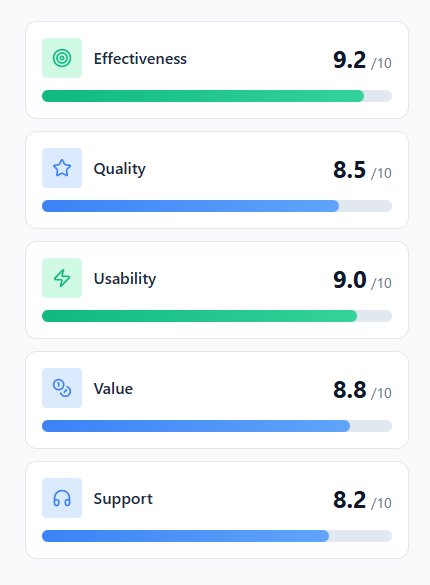


Is Health & Wellness Affiliate Marketing Right For You?
DEPENDS. This approach is highly effective for individuals genuinely passionate about health and wellness who are committed to building trust and providing value, but it requires consistent effort and strategic planning.
- Leverages a perpetually in-demand market with consistent consumer interest.
- Requires significant time and effort to build authority and overcome intense competition.
- Ideal for content creators who want to monetize their expertise by recommending genuinely beneficial products.
Understanding Health & Wellness Affiliate Marketing Basics
Health and wellness affiliate marketing involves promoting products or services related to health, fitness, nutrition, and mental well-being in exchange for a commission on sales. It’s a performance-based marketing strategy where you, as the affiliate, connect consumers with merchants. The core principle revolves around providing value and building trust with your audience, which is paramount in a sensitive niche like health.
- Publisher (Affiliate): You, the marketer, promoting products.
- Merchant: The company or individual selling the product.
- Affiliate Network: A platform connecting publishers and merchants.
- Consumer: The end-user who purchases through your link.
The system is simple: you recommend, they buy, you earn. However, the simplicity of the system belies the effort required to make it successful. Your role is to act as a credible resource, guiding your audience towards solutions that genuinely improve their well-being, thereby creating a strong value proposition for both the consumer and the merchant.
Advantages of Health & Wellness Affiliate Marketing
- Taps into an evergreen market with consistent consumer demand.
- Low startup costs compared to creating your own products.
- Flexibility to work from anywhere and set your own schedule.
Limitations and Challenges
- Intense competition requires a unique angle and strong value proposition.
- Building genuine trust and authority takes significant time and effort.
- Regulatory scrutiny and strict disclosure requirements must be followed.
Identifying Your Niche Within Health & Wellness
The health and wellness industry is vast, making it crucial to narrow down your focus to a specific sub-niche. Trying to appeal to everyone often results in appealing to no one. Your chosen niche should ideally align with your personal passion and expertise, allowing you to create authentic and knowledgeable content. This focused approach helps you stand out in a crowded market.
- Vegan Fitness for Beginners
- Mental Wellness for Remote Workers
- Senior Mobility and Joint Health
- Sustainable Skincare for Sensitive Skin
- Digestive Health for Athletes
Once you have a few ideas, research the demand and competition within each sub-niche. Utilize tools for keyword research to understand what problems people are searching for and whether there’s enough interest to sustain your efforts. A well-defined niche makes it easier to target your audience and find relevant affiliate products.
Insider tip
Instead of chasing the highest commission, prioritize products you genuinely believe in and would use yourself. Authenticity resonates far more than a hard sell.
Building a Trustworthy Platform for Recommendations
Your platform is where you connect with your audience and share your recommendations. Common choices include a blog, a YouTube channel, or a strong presence on social media platforms like Instagram or TikTok. Regardless of your choice, content quality and consistency are paramount. Your platform should be a reliable source of information and genuine advice.
- Clear and consistent branding that reflects your niche.
- Prominent and transparent affiliate disclosure statements.
- High-quality, engaging, and informative content.
- Easy navigation and a user-friendly experience.
Building trust requires more than just good content; it demands authenticity and transparency. Be honest about your experiences with products, share both pros and cons, and always disclose your affiliate relationships. A loyal audience values integrity above all, and this will be the foundation of your long-term success.
Finding High-Quality Affiliate Programs and Products
Selecting the right affiliate programs and products is a critical step. Focus on products that are highly relevant to your niche, offer fair commission rates, and come from reputable merchants. Avoid low-quality offers or products that seem too good to be true, as they can damage your credibility.
- Affiliate networks (e.g., ShareASale, CJ Affiliate, Amazon Associates).
- Direct merchant programs (check individual brand websites).
- Competitor analysis (see what successful affiliates in your niche promote).
- Product review sites and industry publications.
It is highly recommended to personally vetting any product you intend to promote. Use it, test it, and form your own informed opinion. Your genuine experience will shine through in your content and make your recommendations far more persuasive and trustworthy to your audience.
Insider tip
Always read the affiliate program’s terms and conditions carefully. Pay attention to cookie duration, payment thresholds, and any restrictions on promotional methods to avoid future issues.
Crafting Compelling Content That Converts
The goal of your content is not just to inform, but to persuade. In the health and wellness niche, people are often seeking solutions to specific health challenges or ways to improve their lives. Your content should address these pain points directly, offering clear, actionable advice and demonstrating how the products you recommend can help.
- In-depth product reviews and comparisons.
- How-to guides and tutorials for using products.
- Personal success stories or transformation journeys.
- Informative articles addressing common health questions.
- Lists of recommended tools or supplements.
Focus on the power of storytelling and illustrating the real-world benefits of the products. Instead of just listing features, describe how a product has positively impacted your life or the lives of others. This emotional connection is often what drives conversions and builds a strong bond with your audience.
The Power of Personal Transformation
The trap A new affiliate marketer focused solely on listing product features and specifications, resulting in low engagement and sales.
The win After shifting to share their personal journey of using a specific fitness tracker to overcome a sedentary lifestyle, detailing the challenges and triumphs, their conversion rates for that product quadrupled. The audience connected with the authentic experience.
Driving Targeted Traffic to Your Affiliate Offers
Even the best content won’t convert if no one sees it. Driving targeted traffic to your platform is essential. Various strategies exist, including search engine optimization (SEO), social media marketing, and email marketing. For long-term sustainability and trust, building organic traffic through valuable content is often the most effective approach.
- Optimizing content for relevant keywords (SEO).
- Consistent posting and engagement on social media.
- Building an email list for direct communication.
- Guest posting on other relevant blogs.
- Participating in online communities and forums.
Understanding your audience’s search intent is key. Are they looking for information, comparisons, or ready to buy? Tailor your promotional efforts to match their stage in the buying journey. Diversifying your traffic sources also reduces reliance on any single platform, making your business more resilient.
The Value of Organic Traffic
Studies commonly observe that organic search traffic, while slower to build, often yields a higher conversion rate for affiliate offers compared to paid traffic, due to the inherent trust built through valuable content.
Common Pitfalls and How to Avoid Them
Many aspiring affiliate marketers stumble due to common mistakes that can easily be avoided with foresight. One major pitfall is promoting too many products indiscriminately, which can overwhelm your audience and dilute your message. This practice of over-promotion quickly erodes the trust you’ve worked hard to build.
- Neglecting clear and consistent affiliate disclosures.
- Promoting products that don’t genuinely fit your niche or values.
- Inconsistent content creation and audience engagement.
- Focusing solely on sales rather than providing value.
- Ignoring analytics and not optimizing your strategy.
Another common error is expecting immediate results. Affiliate marketing, especially in the health and wellness sector, requires patience and a long-term strategy. Building authority and a loyal audience takes time. Focus on consistent value delivery, and the monetary rewards will follow.
Myth
Affiliate marketing is a passive income stream that requires minimal ongoing effort once set up.
Reality
While it can generate passive income over time, consistent effort in content creation, audience engagement, and staying updated with market trends is crucial for sustained success and growth. It’s an active business, not a one-time setup.
Scaling Your Health & Wellness Affiliate Business
Once you’ve established a solid foundation and are generating consistent commissions, the next step is to scale your operations. This involves strategies like expanding your content, diversifying your traffic sources, and exploring complementary sub-niches. The primary focus should always remain on continued audience growth and delivering exceptional value.
- Building a robust email list for direct marketing.
- Exploring targeted paid advertising campaigns.
- Delegating content creation or technical tasks.
- Creating your own digital products to complement affiliate offers.
- Entering new, related health and wellness sub-niches.
Scaling also means continually analyzing performance data to identify what’s working and what isn’t. Reinvest profits back into your business for tools, advertising, or content creation. Smart reinvestment and data-driven decisions are crucial for sustainable expansion and increasing your overall revenue.
Legal and Ethical Considerations in Affiliate Marketing
Operating ethically and legally is non-negotiable in affiliate marketing, especially within the health and wellness sector. You must comply with regulations such as the Federal Trade Commission (FTC) guidelines regarding endorsements and testimonials. Transparency with your audience about your affiliate relationships is not just ethical, it’s legally required.
- Clearly disclose all affiliate relationships on every piece of content.
- Ensure all product claims are truthful and substantiated.
- Comply with data privacy regulations (e.g., GDPR, CCPA) if applicable.
- Avoid making unsubstantiated health claims or guarantees.
- Understand and adhere to the terms of service of each affiliate program.
Building a reputation based on integrity and consumer protection will not only keep you compliant but also strengthen your brand. Audiences are increasingly savvy, and any perception of deception can severely damage your credibility and long-term earning potential. Always prioritize your audience’s trust and well-being.
Your First Steps Action Checklist
- Week 1: Define your precise health and wellness sub-niche and target audience.
- Week 2: Select and register your primary content platform (e.g., domain for a blog, YouTube channel name).
- Week 3: Research and apply to at least three relevant affiliate programs that align with your niche.
- Month 1: Publish your first five pieces of high-quality, value-driven content.
- Ongoing: Implement clear FTC-compliant disclosure statements on all promotional content.
How long does it take to see results in health and wellness affiliate marketing?
It typically takes several months to a year or more to build an consistent audience and generate significant, consistent income. Success depends on consistent effort, content quality, and strategic promotion.
Do I need a large audience to start affiliate marketing?
No, you do not need a massive audience to begin. A smaller, highly engaged, and targeted audience often converts better than a large, general one. Focus on quality over quantity initially.
What are the best products to promote in the health and wellness niche?
The best products are those you genuinely believe in, have personally used, and that solve a specific problem for your audience. Look for products with good reviews, fair commissions, and a reputable merchant.