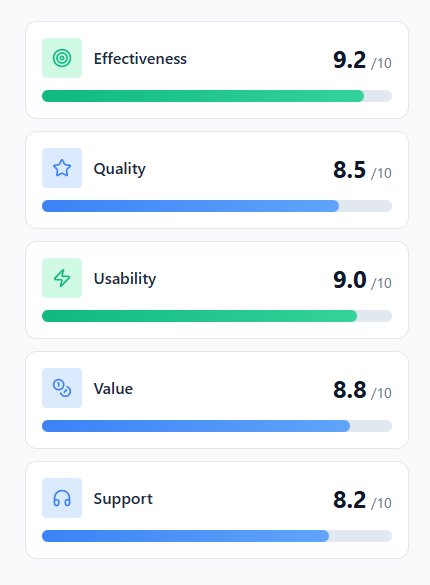


Is a WordPress Affiliate Commission Plugin Right for Your Business?
DEPENDS. It is highly suitable for WordPress site owners aiming to scale their marketing efforts through a network of partners, but less ideal for very small operations with minimal affiliate activity or those preferring manual tracking.
- Provides robust automation for tracking referrals and managing commission payouts, significantly reducing administrative overhead.
- Requires an initial investment in setup time and potentially recurring costs for premium features or ongoing maintenance.
- An e-commerce store selling digital products that wants to expand its reach by empowering content creators and influencers to promote its offerings.
Understanding WordPress Affiliate Commission Plugins
WordPress affiliate commission plugins are specialized tools designed to integrate seamlessly with your WordPress website, enabling you to launch and manage your own affiliate marketing program. These plugins automate the complex process of tracking referrals, calculating commissions, and facilitating payouts to your network of partners. They serve as the backbone for any business looking to leverage performance-based marketing by rewarding others for driving sales or leads.
The primary function of these plugins is to provide a centralized system for all affiliate-related activities. This includes everything from affiliate registration and approval to generating unique tracking links and providing comprehensive performance reports. Without such a plugin, managing an affiliate program, especially as it scales, would be an administrative nightmare, prone to errors and significant time investment.
- Affiliate Registration: Allows potential partners to sign up and join your program.
- Tracking Links: Generates unique URLs for each affiliate to ensure proper attribution.
- Commission Calculation: Automatically computes earnings based on predefined rules.
- Payout Management: Streamlines the process of paying affiliates their due commissions.
- Reporting & Analytics: Offers insights into affiliate performance and program effectiveness.
Key Advantages of Using an Affiliate Plugin
- Enables scalable growth by leveraging a performance-based marketing model, attracting new customers without upfront advertising costs.
- Automates complex commission tracking, calculation, and payout processes, saving significant administrative time and reducing errors.
- Provides detailed analytics and reporting, offering insights into affiliate performance and program effectiveness for informed decision-making.
Potential Drawbacks and Challenges
- Involves an initial learning curve and setup complexity, especially for advanced features or custom integrations, requiring technical understanding.
- Can incur ongoing costs for premium plugin licenses, add-ons, and potential payment gateway fees, impacting overall profitability.
- Risk of plugin conflicts with other WordPress installations or themes, potentially leading to site performance issues or tracking inaccuracies.
Why Implement an Affiliate Program on WordPress?
Implementing an affiliate program on your WordPress site offers a powerful strategy for expanding your business reach and increasing revenue without the high upfront costs associated with traditional advertising. It’s a cost-effective marketing channel where you only pay for results, making it an attractive option for businesses of all sizes. Affiliates act as an extended sales force, promoting your products or services to their existing audiences.
This approach taps into the trust and credibility that affiliates have built with their followers, often leading to higher conversion rates than direct advertising. By leveraging diverse networks, you can reach new demographics and markets that might otherwise be inaccessible. The inherent scalability of affiliate programs means your marketing efforts can grow organically as more affiliates join and succeed.
- Expanded Reach: Access new audiences through your affiliates’ established networks.
- Performance-Based: Pay commissions only when a sale or lead is successfully generated.
- Increased Sales: Drive more conversions by leveraging trusted recommendations.
- Brand Awareness: Enhance visibility as multiple partners promote your offerings.
- Cost Efficiency: Reduce marketing spend by focusing on results-driven campaigns.
How Affiliate Tracking Works on WordPress
The core of any affiliate program is accurate tracking, ensuring that affiliates receive credit for the sales or leads they generate. On WordPress, this typically relies on several mechanisms working in conjunction. The most common method involves cookie-based tracking, where a small data file is placed on a user’s browser when they click an affiliate’s unique link. This cookie stores the affiliate’s ID for a predetermined duration.
When the user makes a purchase within that cookie’s lifespan, the plugin reads the cookie, attributes the sale to the correct affiliate, and calculates the commission. Other methods include using unique referral URLs, coupon codes, or even IP address matching for more robust tracking. Understanding these mechanisms is crucial for troubleshooting and ensuring the integrity of your program.
- Cookie Tracking: Stores affiliate ID in the user’s browser for attribution.
- Referral URLs: Unique links containing the affiliate’s identifier.
- Coupon Codes: Specific codes that link a purchase directly to an affiliate.
- IP Address Matching: Used as a secondary verification method in some systems.
- Last-Click Attribution: Typically awards commission to the last affiliate link clicked before purchase.
Myth
Affiliate tracking is always perfectly accurate and foolproof.
Reality
While highly reliable, tracking can be affected by browser settings, ad blockers, or specific user behaviors, necessitating regular monitoring and reconciliation.
Essential Features for a Robust Affiliate Plugin
Choosing the right WordPress affiliate plugin hinges on identifying the features that align with your business needs and program goals. A robust plugin should offer more than just basic tracking; it needs to provide tools for effective management, reporting, and customization. Look for features that streamline operations and offer flexibility in how you structure your commissions and engage with affiliates.
Key considerations include the ability to set different commission rates, offer various payout methods, and provide affiliates with a user-friendly dashboard. Integration capabilities with your existing e-commerce platform and other marketing tools are also paramount for a cohesive and efficient system. Without these essential features, scaling your program or managing a large affiliate base can become overly complex.
- Real-time Reporting: Instant access to sales, clicks, and commission data.
- Flexible Commission Structures: Support for flat rates, percentage-based, or tiered commissions.
- Affiliate Dashboard: A dedicated portal for affiliates to track their performance and earnings.
- Payment Gateway Integrations: Seamless connection with popular payout services like PayPal.
- Marketing Materials: Tools to provide affiliates with banners, links, and promotional content.
The Impact of Affiliate Programs on Revenue
Businesses utilizing affiliate marketing commonly report that it contributes between 15% to 30% of their total online sales, highlighting its significant revenue-generating potential when implemented effectively.
Step-by-Step: Installing and Configuring Your Plugin
Once you’ve selected a WordPress affiliate plugin, the next crucial step is its proper installation and configuration. This process typically begins like any other WordPress plugin installation, but the subsequent setup involves critical decisions that impact your program’s functionality and accuracy. Rushing through this phase can lead to tracking errors, incorrect commission payouts, or a poor experience for your affiliates.
Careful configuration involves defining your commission rates, setting up payout methods, and customizing the affiliate registration process. It’s also important to integrate the plugin with your e-commerce solution, such as WooCommerce, to ensure seamless sales tracking. Taking the time to understand each setting and its implications will lay a strong foundation for a successful affiliate program.
- Plugin Installation: Upload and activate the plugin through your WordPress dashboard.
- General Settings: Configure basic parameters like cookie duration and currency.
- Commission Rules: Define your commission structure (e.g., percentage per sale, flat fee).
- Payout Methods: Set up how you will pay your affiliates (e.g., PayPal, bank transfer).
- E-commerce Integration: Connect the plugin with your online store for sales tracking.
Insider Tip
Always conduct thorough testing of your affiliate tracking setup before launching your program live, simulating various customer journeys and purchase scenarios to ensure accurate commission attribution.
Managing Affiliates and Commission Payouts
Effective management of your affiliate network and commission payouts is vital for maintaining a healthy and motivated program. This involves more than just sending payments; it encompasses communication, performance monitoring, and ensuring compliance with your program’s terms. A well-managed program fosters trust and encourages affiliates to continue promoting your products or services.
Regular communication with your affiliates, providing them with updated marketing materials and performance insights, can significantly boost their engagement. When it comes to payouts, consistency and accuracy are paramount. Delayed or incorrect payments can quickly erode trust and lead to affiliate attrition. Utilizing the automation features of your plugin for payouts can greatly simplify this complex task.
- Affiliate Approval: Review and approve new affiliate applications.
- Communication: Keep affiliates informed with newsletters and updates.
- Performance Monitoring: Regularly check affiliate statistics and identify top performers.
- Fraud Prevention: Implement measures to detect and prevent fraudulent activities.
- Scheduled Payouts: Automate or schedule regular commission payments.
The Hidden Cost of Manual Payouts
The trap: A growing online course creator initially managed their affiliate program manually, tracking sales in spreadsheets and sending individual PayPal payments. As their affiliate network expanded to over 50 partners, the monthly payout process consumed an entire day, leading to errors and delayed payments.
The win: By implementing a dedicated WordPress affiliate plugin with automated payout integrations, they reduced payout time to less than an hour, eliminated errors, and improved affiliate satisfaction, allowing them to focus on content creation.
Common Challenges and Troubleshooting Tips
Even with the most robust WordPress affiliate plugin, you may encounter challenges that require troubleshooting. Common issues range from tracking discrepancies to plugin conflicts or even fraudulent activity. Addressing these problems promptly is crucial to maintain the integrity of your program and the trust of your affiliates. Proactive monitoring and a clear understanding of potential pitfalls can save significant time and resources.
One frequent challenge is ensuring consistent tracking across different browsers and devices, especially with evolving privacy settings and ad blockers. Another common issue involves conflicts with other WordPress plugins or themes, which can disrupt tracking or site functionality. Having a systematic approach to troubleshooting, starting with basic checks and escalating to plugin support, is highly recommended.
- Tracking Discrepancies: Investigate missing commissions or incorrect attributions.
- Plugin Conflicts: Identify and resolve incompatibilities with other WordPress components.
- Ad Blocker Interference: Understand how ad blockers might impact tracking and provide solutions.
- Fraudulent Activity: Detect and prevent fake referrals or self-referrals.
- Performance Issues: Address any slowdowns or errors caused by the plugin.
Insider Tip
Regularly audit your affiliate program for potential fraud or policy violations by reviewing unusual conversion patterns, IP addresses, and referral sources, protecting your budget and maintaining program integrity.
Integrating with E-commerce and Marketing Tools
For a truly powerful and efficient affiliate program, your WordPress plugin needs to integrate seamlessly with your existing e-commerce platform and other marketing tools. This connectivity ensures that sales data flows correctly, customer information is synchronized, and your marketing efforts are cohesive. Without proper integrations, you risk siloed data and manual data entry, which can be inefficient and error-prone.
The most common integration is with WooCommerce, allowing the affiliate plugin to accurately track sales made through your online store. Beyond e-commerce, linking with email marketing services can help you communicate effectively with affiliates, while CRM integrations can provide a holistic view of customer journeys. Prioritizing plugins with strong integration capabilities will future-proof your affiliate program.
- WooCommerce Integration: Essential for tracking sales in an online store.
- CRM Systems: Sync customer data and affiliate referrals for better insights.
- Email Marketing Platforms: Automate communication with affiliates and customers.
- Analytics Tools: Connect with Google Analytics for deeper performance analysis.
- Payment Gateways: Facilitate automated and secure commission payouts.
Optimizing Your Affiliate Program for Growth
Launching an affiliate program is just the first step; continuous optimization is key to achieving sustained growth and maximizing its potential. This involves analyzing performance data, experimenting with different strategies, and refining your approach based on results. A static program will eventually stagnate, while an optimized one can become a significant revenue driver.
Strategies for optimization include offering tiered commission structures to incentivize higher performance, running special bonus campaigns, and providing affiliates with high-converting marketing materials. Regularly reviewing your terms and conditions, ensuring they are fair and clear, also contributes to affiliate satisfaction and retention. The goal is to create a mutually beneficial ecosystem where affiliates are motivated to drive more sales for your business.
- Performance Incentives: Introduce tiered commissions or bonuses for top affiliates.
- Conversion Rate Optimization: Provide affiliates with high-converting landing pages and creatives.
- Affiliate Training: Offer resources and tips to help affiliates improve their promotional efforts.
- Regular Feedback: Solicit input from affiliates to understand their needs and challenges.
- A/B Testing: Experiment with different commission rates, offers, and promotional strategies.
Selecting the Best WordPress Affiliate Plugin
The market offers a variety of WordPress affiliate plugins, each with its own set of features, pricing models, and support options. Making the best choice requires careful consideration of your specific business needs, budget, and long-term goals. It’s not always about picking the most feature-rich plugin, but rather the one that provides the right balance of functionality, ease of use, and scalability for your unique situation.
Factors such as the size of your affiliate network, the complexity of your commission structure, and your technical proficiency should guide your decision. Some plugins are ideal for beginners with basic needs, while others cater to large enterprises requiring advanced integrations and extensive customization. Always prioritize plugins with a strong reputation for reliability and excellent customer support, as these will be invaluable as your program evolves.
- Budgetary Constraints: Determine if a free, freemium, or premium solution fits your financial plan.
- Required Feature Set: List essential features like tracking, payouts, and reporting.
- Ease of Use: Consider the learning curve for both you and your affiliates.
- Scalability: Ensure the plugin can grow with your affiliate program.
- Customer Support: Evaluate the availability and quality of technical assistance.
Your Affiliate Program Launch Checklist
- Research and select a suitable WordPress affiliate plugin within the next 7 days, considering your budget and required features.
- Install and activate your chosen plugin on your WordPress site within 3 days of selection, ensuring no conflicts with existing themes or plugins.
- Configure core settings, commission rates, and payout methods within the next 5 days, defining clear rules for your program.
- Develop comprehensive affiliate terms and conditions, making them publicly accessible before recruiting any partners.
- Actively recruit your first 5-10 affiliates, providing them with clear instructions and promotional materials.
- Launch your affiliate program publicly, making it an irreversible step towards expanding your marketing reach.
- Monitor initial performance and conduct your first commission payout within 30 days of launch, verifying accuracy.
What exactly is a WordPress affiliate commission plugin?
It’s a software tool that integrates with your WordPress website to manage and automate all aspects of an affiliate marketing program, including tracking referrals, calculating commissions, and facilitating payouts to your partners.
How much does a typical WordPress affiliate plugin cost?
Costs vary widely. Free versions offer basic functionality, while premium plugins can range from $100 to $500+ annually, depending on features, support, and the number of affiliates or transactions they support.
Can I manage an affiliate program manually without a plugin?
For very small programs with only a few affiliates, manual tracking using spreadsheets and direct payments might be feasible. However, it quickly becomes unsustainable, error-prone, and time-consuming as your program grows.
Are free WordPress affiliate plugins sufficient for a growing business?
Free plugins often provide a good starting point for basic tracking and management. However, growing businesses typically require advanced features like tiered commissions, robust reporting, payment gateway integrations, and dedicated support, which are usually found in premium solutions.