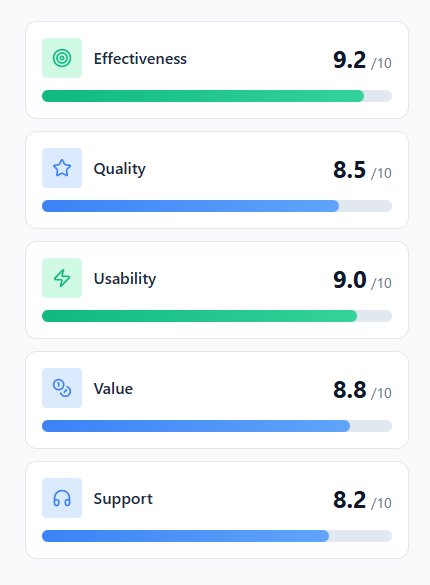


Is the Affiliate Hub WordPress Plugin Right for Your Business?
DEPENDS. The Affiliate Hub WordPress Plugin is a robust solution for WordPress-centric businesses seeking an integrated, self-hosted affiliate management system, but it requires a commitment to setup and ongoing management.
- It offers streamlined affiliate tracking and commission management directly within your WordPress dashboard.
- Its biggest limitation is the potential learning curve and the need for dedicated technical oversight.
- It is ideal for small to medium-sized e-commerce sites or content creators launching their first affiliate program on WordPress.
Understanding the Affiliate Hub Plugin’s Core Functionality
The Affiliate Hub WordPress Plugin serves as a comprehensive, self-hosted solution for managing affiliate programs directly within your WordPress environment. It eliminates the need for external, often costly, third-party platforms by integrating all essential features for affiliate recruitment, tracking, and payout processing. This plugin aims to provide website owners with complete control over their affiliate marketing efforts, from defining commission structures to monitoring performance metrics.
Its core functionality revolves around simplifying the complex aspects of running an affiliate program, making it accessible for businesses of various sizes. Users can manage everything from a centralized dashboard, ensuring consistency and reducing administrative overhead. The plugin handles the technical heavy lifting, allowing site owners to focus on strategy and affiliate relationships.
- Affiliate Registration: Provides customizable forms for new affiliates to sign up.
- Link Generation: Automates the creation of unique tracking links for each affiliate.
- Commission Tracking: Monitors sales and leads attributed to specific affiliates in real-time.
- Payout Management: Facilitates the calculation and distribution of affiliate earnings.
- Performance Reporting: Offers detailed analytics on affiliate activity and conversions.
Strengths of Affiliate Hub
- WordPress Native Integration: Seamlessly operates within your existing WordPress site, reducing compatibility issues.
- Full Data Ownership: All affiliate data resides on your server, enhancing control and privacy.
- Customizable Commission Models: Supports various commission types, including percentage, flat rate, and tiered structures.
Limitations to Consider
- Initial Setup Complexity: Requires time and technical understanding for proper configuration and launch.
- Scalability Challenges: May lack advanced features found in enterprise-level standalone affiliate platforms for very large programs.
- Performance Impact: As a plugin, it can potentially consume server resources, affecting site speed if not optimized.
Initial Setup: Installing and Activating Affiliate Hub
Getting started with the Affiliate Hub plugin involves a straightforward installation and activation process, similar to most WordPress plugins. The initial steps are crucial for ensuring the plugin integrates correctly with your site and is ready for configuration. A common hesitation for new users is the fear of breaking their site or encountering compatibility issues, which can be mitigated by following best practices.
Before installation, it is always recommended to perform a full backup of your WordPress site. This precaution safeguards your data and allows for easy restoration if any unforeseen issues arise. Once installed, the plugin will typically add a new menu item to your WordPress dashboard, providing access to its settings and features.
- Download the Plugin: Obtain the plugin file from its official source or your purchase platform.
- Upload to WordPress: Navigate to ‘Plugins’ > ‘Add New’ > ‘Upload Plugin’ in your dashboard.
- Install and Activate: Click ‘Install Now’ and then ‘Activate Plugin’ once the upload is complete.
- Initial Configuration Wizard: Follow any guided setup steps provided by the plugin to establish basic settings.
- Verify Dashboard Access: Confirm that the Affiliate Hub menu item is visible and accessible.
Configuring Affiliate Programs and Commission Structures
Defining your affiliate programs and their associated commission structures is a critical step that directly impacts affiliate motivation and your program’s profitability. The Affiliate Hub plugin offers flexibility in setting up various commission types, allowing you to tailor incentives to different products, services, or affiliate tiers. Misconfigurations here can lead to incorrect payouts or a lack of clarity for affiliates, causing significant administrative headaches down the line.
Careful consideration should be given to the percentage or flat rate commissions, as well as any special conditions like recurring commissions or bonuses for reaching specific sales thresholds. The plugin’s interface typically provides clear options for these settings, but understanding the financial implications of each choice is paramount. Testing these configurations with dummy transactions before a full launch is a wise strategy to prevent errors.
- Define Program Name: Create a clear identifier for each affiliate program.
- Set Commission Type: Choose between percentage-based, flat-rate, or mixed commissions.
- Specify Commission Rate: Input the exact percentage or amount for each successful referral.
- Configure Payout Thresholds: Determine the minimum earnings an affiliate needs before a payout can be requested.
- Add Performance Bonuses: Optionally set up additional incentives for high-performing affiliates.
Insider tip
When setting up commission structures, consider offering tiered commissions. This incentivizes affiliates to drive more sales by promising higher rates for increased performance, fostering loyalty and greater engagement.
Managing Affiliates: Recruitment, Approval, and Tracking
Effective affiliate management is the backbone of a successful program, encompassing everything from attracting new partners to monitoring their ongoing performance. The Affiliate Hub plugin provides tools to streamline these processes, allowing you to handle affiliate applications, approve or reject them, and keep a close eye on their activities. A common misconception is that affiliates will simply find you; proactive recruitment and clear communication are often necessary.
Once affiliates are approved, the plugin assigns them unique tracking IDs and provides access to their personalized dashboards. This dashboard is where affiliates can generate links, view their earnings, and access promotional materials. Regular communication and support for your affiliates are crucial for maintaining a healthy and productive relationship, ensuring they feel valued and informed.
- Review Applications: Evaluate potential affiliates based on your program’s criteria.
- Approve or Reject: Grant or deny access to your affiliate program.
- Provide Resources: Offer banners, text links, and product descriptions through the affiliate dashboard.
- Monitor Activity: Track clicks, conversions, and earnings for each individual affiliate.
- Communicate Updates: Use the plugin’s features or integrated tools to send announcements to your affiliate network.
Myth
Affiliate recruitment is a passive process; good affiliates will just find your program.
Reality
While some affiliates may discover your program organically, proactive outreach, clear communication of benefits, and a compelling offer are essential for attracting high-quality partners and growing your network effectively.
Integrating Affiliate Links and Creatives on Your Site
Once your affiliate program is configured and affiliates are on board, the next crucial step is ensuring that affiliate links and promotional creatives are correctly integrated across your website. The Affiliate Hub plugin facilitates this by providing affiliates with the necessary tools to generate their unique tracking links, which are vital for attributing sales and commissions accurately. A common pitfall here is incorrect link implementation, which can lead to lost commissions and frustrated affiliates.
The plugin typically offers a dedicated section within the affiliate dashboard where partners can easily create links to specific products, categories, or pages on your site. Additionally, you can upload various creative assets, such as banners, logos, and email swipe files, making it simple for affiliates to promote your offerings. Clear instructions and readily available resources help ensure consistent and effective promotion.
- Educate Affiliates: Provide tutorials on how to generate and use their tracking links correctly.
- Offer Deep Linking: Allow affiliates to create links to any specific page or product on your site.
- Supply Creative Assets: Upload a variety of banners, images, and marketing copy for affiliates to use.
- Ensure Tracking Parameters: Verify that all generated links include the necessary parameters for accurate tracking.
- Regularly Update Materials: Keep promotional content fresh and aligned with current campaigns or product launches.
Monitoring Performance: Reports and Analytics within Affiliate Hub
Understanding the performance of your affiliate program is essential for making informed decisions and optimizing your strategy. The Affiliate Hub plugin typically includes a robust reporting and analytics section, providing detailed insights into various aspects of your program. These reports allow you to track key metrics, identify top-performing affiliates, and pinpoint areas for improvement. Overlooking these analytics can lead to missed opportunities for growth.
The dashboard usually presents data in an easily digestible format, often with graphs and charts illustrating trends over time. You can typically view total clicks, conversions, earned commissions, and even specific product sales attributed to affiliates. Regularly reviewing these reports helps you understand which marketing efforts are yielding the best results and where adjustments might be necessary to maximize your return on investment.
- Track Clicks: Monitor the total number of times affiliate links are clicked.
- Analyze Conversions: See how many clicks result in actual sales or desired actions.
- Review Commission Totals: Keep an eye on the total commissions generated and pending payouts.
- Identify Top Affiliates: Recognize and reward partners who consistently drive significant results.
- Monitor Trends: Observe performance changes over time to adapt strategies effectively.
Case Study: Optimizing Underperforming Campaigns
The trap A small e-commerce store noticed consistently low conversion rates from a segment of their affiliate base, despite high click volumes. They initially assumed the affiliates were simply ineffective.
The win By diving into the Affiliate Hub’s detailed reports, they discovered that these affiliates were primarily linking to outdated product pages or items that were out of stock. After providing updated links and fresh creative assets, the conversion rates for that segment improved by over 40% within a month, turning previously underperforming partners into valuable assets.
Payout Management: Handling Commissions and Withdrawals
Efficient and timely payout management is crucial for maintaining trust and motivation within your affiliate network. The Affiliate Hub plugin streamlines the process of calculating and distributing commissions, ensuring that affiliates are paid accurately and on schedule. Inconsistent or delayed payouts can severely damage affiliate relationships and lead to a high churn rate among your partners.
The plugin typically allows you to set minimum payout thresholds and define payout cycles (e.g., monthly, bi-weekly). It aggregates earned commissions, making it easy to review and approve payments. While the plugin itself might not directly process payments (often requiring integration with payment gateways or manual transfers), it provides all the necessary data to facilitate these transactions. Clear communication about payout schedules and methods is vital for managing affiliate expectations.
- Set Payout Thresholds: Define the minimum amount an affiliate must earn before they can request a payout.
- Review Pending Commissions: Verify all earned commissions before initiating payments.
- Process Payments: Use the generated payout reports to facilitate transfers via your chosen payment method (e.g., PayPal, bank transfer).
- Maintain Payment Records: Keep a detailed history of all disbursed commissions for accounting purposes.
- Communicate Payout Dates: Inform affiliates clearly about when they can expect their earnings.
Typical Affiliate Payout Frequencies
Based on commonly observed affiliate program structures, approximately 60-70% of programs offer monthly payouts, while 20-25% opt for bi-weekly or quarterly cycles, balancing administrative effort with affiliate satisfaction.
Common Challenges and Troubleshooting Tips
Even with a robust plugin like Affiliate Hub, users may encounter challenges ranging from technical glitches to strategic missteps. Anticipating these issues and knowing how to troubleshoot them can save significant time and frustration. A frequent concern is tracking discrepancies, where sales are made but not attributed to an affiliate, leading to potential disputes and lost commissions.
Many common problems can be resolved by carefully reviewing the plugin’s documentation, checking server logs, or ensuring all settings are correctly configured. Compatibility issues with other WordPress plugins or themes can also arise, necessitating a systematic approach to identification and resolution. Proactive monitoring and regular testing are key to maintaining a smooth-running affiliate program.
- Tracking Discrepancies: Verify cookie settings, caching configurations, and ensure no other plugins interfere with tracking scripts.
- Plugin Conflicts: Deactivate other plugins one by one to identify any conflicting software.
- Performance Issues: Optimize your WordPress site’s speed and ensure your hosting can handle the plugin’s demands.
- Incorrect Commission Calculations: Double-check your commission rules and test with sample transactions.
- Affiliate Dashboard Access: Ensure user roles and permissions are correctly set for affiliates to access their portal.
Insider tip
Always perform a test purchase through an affiliate link yourself before launching a new campaign or making significant changes. This simple step can uncover tracking issues or configuration errors before they impact real commissions and affiliate trust.
Extending Functionality: Integrations and Add-ons
While the Affiliate Hub plugin offers comprehensive core features, its true power can often be unlocked through integrations with other tools and specialized add-ons. These extensions allow you to tailor the plugin’s capabilities to your specific business needs, whether it’s enhancing payment processing, integrating with CRM systems, or adding advanced reporting options. A common mistake is assuming the base plugin will cover every niche requirement without exploring its ecosystem.
Many WordPress plugins, including Affiliate Hub, are designed with extensibility in mind, offering hooks and filters for developers or providing official add-ons. These can range from integrations with popular e-commerce platforms like WooCommerce to specialized modules for fraud detection or multi-level marketing (MLM) structures. Evaluating your long-term needs and researching available integrations is crucial for a scalable solution.
- E-commerce Integration: Connect with platforms like WooCommerce for seamless product and order tracking.
- Payment Gateway Add-ons: Integrate with popular services like PayPal or Stripe for automated payouts.
- CRM Synchronization: Link affiliate data with your customer relationship management system.
- Email Marketing Integration: Automatically add new affiliates to your communication lists.
- Advanced Reporting Modules: Access more granular data and custom report generation capabilities.
Security Best Practices for Your Affiliate Program
Maintaining the security of your affiliate program is paramount to protect both your business and your affiliates from fraud, data breaches, and other malicious activities. Implementing robust security measures within the Affiliate Hub plugin and across your WordPress site is not just recommended, but essential. Neglecting security can lead to financial losses, damage to your brand reputation, and legal complications.
This involves not only securing the plugin itself but also adhering to general WordPress security best practices. Regular updates, strong password policies, and monitoring for suspicious activity are foundational elements. The plugin often includes built-in security features, but these should be complemented by your overall site security strategy to create a resilient environment. Educating affiliates on secure practices, such as protecting their login credentials, also plays a vital role.
- Keep Plugin Updated: Regularly install the latest versions of Affiliate Hub and all other WordPress components.
- Use Strong Passwords: Enforce complex passwords for all admin and affiliate accounts.
- Implement Two-Factor Authentication (2FA): Add an extra layer of security for critical user roles.
- Monitor for Fraud: Regularly review affiliate activity for suspicious patterns like self-referrals or unusually high conversion rates from single sources.
- Secure Your WordPress Site: Utilize a reputable security plugin, SSL certificate, and regular backups.
Comparing Affiliate Hub to Other WordPress Solutions
When considering an affiliate management solution for WordPress, it’s important to understand how Affiliate Hub stacks up against its competitors. While many options exist, they often vary significantly in features, pricing models, and complexity. A common challenge is choosing between a dedicated, self-hosted plugin like Affiliate Hub and a cloud-based service that integrates with WordPress. Each approach has distinct advantages and disadvantages that warrant careful consideration.
Affiliate Hub typically appeals to users who prefer full control over their data and want to avoid recurring monthly fees associated with external platforms. However, cloud-based solutions might offer more advanced features, dedicated support teams, and less server load on your site. The decision often boils down to your budget, technical comfort level, and the specific scale and requirements of your affiliate program. Understanding these trade-offs is crucial for selecting the best fit.
- AffiliateWP: A popular premium WordPress plugin offering extensive features and integrations, often seen as a direct competitor.
- Easy Affiliate: Another robust WordPress plugin with a focus on ease of use and comprehensive tracking.
- Post Affiliate Pro (integrated): A cloud-based solution that can integrate with WordPress, offering enterprise-level features but with a recurring cost.
- Tapfiliate (integrated): A scalable cloud platform for managing affiliate programs, suitable for growing businesses, also with a subscription model.
- Custom Solutions: Developing a bespoke system, which offers ultimate flexibility but at a much higher development cost and maintenance burden.
Future-Proofing Your Affiliate Strategy with the Plugin
Adopting an affiliate management plugin like Affiliate Hub is not just about current needs; it’s also about building a sustainable and scalable strategy for the future. As your business grows and market trends evolve, your affiliate program will need to adapt. Thinking proactively about how the plugin can support long-term goals helps ensure your investment continues to yield returns. A common oversight is failing to consider the plugin’s ability to handle increased affiliate numbers or more complex commission structures down the line.
Future-proofing involves regularly reviewing your program’s performance, exploring new features or add-ons for the plugin, and staying informed about changes in affiliate marketing best practices. The flexibility of a self-hosted solution means you have more control over its evolution, but it also places the responsibility for updates and maintenance on your shoulders. Strategic planning and continuous optimization are key to maximizing the plugin’s value over time.
- Scalability Planning: Assess the plugin’s capacity to handle a growing number of affiliates and transactions.
- Feature Roadmapping: Keep an eye on the plugin’s development roadmap for upcoming features that align with your future needs.
- Data Migration Strategy: Plan for potential data migration if you anticipate needing to switch platforms in the distant future.
- Compliance Updates: Stay informed about privacy regulations (e.g., GDPR, CCPA) and ensure your plugin and practices remain compliant.
- Performance Optimization: Regularly review server resources and site speed to ensure the plugin doesn’t hinder growth.
Your Affiliate Hub Action Checklist
- Install and Activate Plugin (Today): Complete the initial setup of the Affiliate Hub plugin on your WordPress site.
- Define First Commission Rule (Within 3 Days): Establish at least one core commission structure for your initial affiliate program.
- Approve First Affiliate (Within 1 Week): Review and onboard your first affiliate partner, providing them with necessary resources.
- Publish First Affiliate Link (Within 1 Week): Ensure at least one product or service is promoted via an active affiliate tracking link.
- Schedule First Payout Review (Within 30 Days): Set a recurring reminder to review and process affiliate commissions according to your defined schedule.
Is the Affiliate Hub WordPress Plugin free to use?
The Affiliate Hub WordPress Plugin is typically a premium (paid) plugin, offering various licensing tiers based on features and site usage. While some developers offer free basic versions of similar plugins, Affiliate Hub generally requires a purchase for its full functionality and support.
Does Affiliate Hub support recurring commissions for subscription products?
Yes, most comprehensive affiliate management plugins like Affiliate Hub offer support for recurring commissions. This feature is crucial for businesses with subscription-based products or services, allowing affiliates to earn a percentage or flat rate from ongoing customer payments.
How does the Affiliate Hub plugin track sales and referrals?
The plugin primarily uses cookies and unique tracking IDs embedded in affiliate links. When a potential customer clicks an affiliate’s link, a cookie is placed in their browser. If that customer makes a purchase within a defined cookie lifespan, the sale is attributed to the referring affiliate based on the stored tracking information.
Can I migrate my existing affiliate data to Affiliate Hub?
Migration capabilities vary. While Affiliate Hub may offer tools or guidance for importing existing affiliate data, it often depends on the format of your current data and the platform you’re migrating from. It’s advisable to consult the plugin’s documentation or support for specific migration procedures.
What kind of fraud prevention features does Affiliate Hub offer?
Affiliate Hub typically includes basic fraud prevention measures such as IP address tracking, referrer checks, and the ability to manually review and reject suspicious conversions. For advanced fraud detection, integration with specialized third-party fraud prevention services might be necessary, depending on the plugin’s specific add-ons.