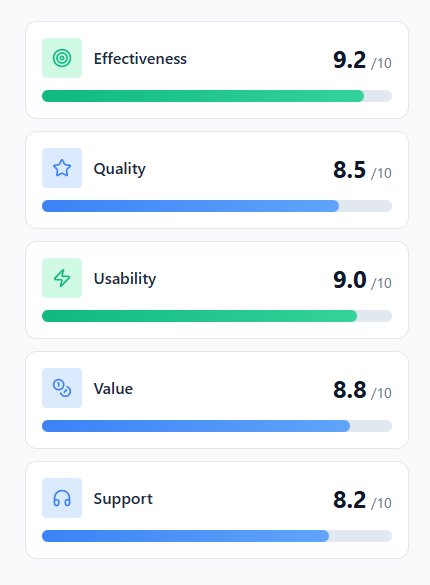


Is the Easy Network Affiliate Plugin Right for Your WordPress Site?
DEPENDS. This plugin is an excellent choice for WordPress users seeking an integrated, straightforward solution for managing their affiliate programs directly within their existing site infrastructure.
- Its strongest advantage is seamless integration with WordPress, simplifying setup and management for site owners.
- A hard limitation is its potential for reduced performance on very large, high-traffic sites or for highly complex multi-tier affiliate structures without custom optimization.
- A concrete use case is a small to medium-sized e-commerce store or content creator looking to launch and manage their first affiliate program efficiently.
What is the Easy Network Affiliate Plugin and How Does It Work?
The Easy Network Affiliate plugin is a dedicated WordPress solution designed to empower website owners to create, manage, and grow their own affiliate programs directly from their WordPress dashboard. It transforms a standard WordPress site into a fully functional affiliate platform, allowing businesses to leverage the power of referral marketing without relying on external, often more complex, third-party services. The plugin integrates deeply with the WordPress ecosystem, making it a natural fit for existing users.
At its core, the plugin facilitates the entire affiliate lifecycle, from affiliate registration and approval to commission tracking and payout management. It operates by generating unique referral links for each approved affiliate. When a customer clicks an affiliate’s link and completes a desired action, such as a purchase or a signup, the plugin records the transaction and attributes the commission to the correct affiliate. This streamlined process aims to reduce administrative overhead and provide clear insights into program performance.
- Affiliate Registration: Allows potential affiliates to sign up directly through a dedicated page on your WordPress site.
- Link Generation: Automatically creates unique referral URLs for each approved affiliate.
- Cookie Tracking: Utilizes browser cookies to track referrals over a defined duration, ensuring commissions are accurately assigned.
- Commission Calculation: Supports various commission types, including percentage-based and flat-rate, applied to sales or specific actions.
- Reporting Dashboard: Provides administrators with a comprehensive overview of affiliate performance, sales, and pending payouts.
Strengths of Easy Network Affiliate
- Seamless WordPress Integration: Operates entirely within your WordPress environment, reducing the need for external platforms.
- User-Friendly Setup: Designed for ease of use, making it accessible even for those new to affiliate marketing.
- Flexible Commission Structures: Supports various commission models to suit different business needs and product types.
- Robust Performance Tracking: Offers detailed analytics on clicks, conversions, and earnings for both admins and affiliates.
- Cost-Effective Solution: Often more affordable than standalone affiliate management software, especially for smaller operations.
Limitations of Easy Network Affiliate
- Potential Performance Impact: Can add database load, potentially slowing down very large or high-traffic WordPress sites.
- Limited Advanced Features: May lack highly specialized tools found in enterprise-grade platforms, such as multi-tier commissions or advanced fraud detection.
- Reliance on WordPress Core: Plugin updates and compatibility with other plugins can sometimes introduce unexpected issues.
- Scalability Challenges: While capable, managing thousands of affiliates or complex global networks might eventually necessitate a more dedicated solution.
- Marketing Tool Integration: Native integrations with external email marketing or CRM systems might be less extensive compared to specialized platforms.
Key Features for Effective Affiliate Program Management
Effective affiliate program management hinges on a suite of robust features that streamline operations and provide actionable insights. The Easy Network Affiliate plugin offers several core functionalities designed to support a successful program. These features cover everything from initial setup to ongoing performance monitoring, ensuring that both administrators and affiliates have the tools they need to succeed. Understanding these capabilities is crucial for maximizing the plugin’s utility and driving referral sales.
Beyond the basics, the plugin often includes features that enhance the affiliate experience and simplify administrative tasks. This can include personalized dashboards for affiliates to track their own performance, access marketing materials, and request payouts. For administrators, features like bulk actions for approving affiliates or managing commissions can significantly reduce the time spent on routine tasks. The goal is to create a self-sufficient system that requires minimal manual intervention once configured.
- Customizable Affiliate Dashboard: Provides affiliates with a personalized portal to view stats, links, and earnings.
- Marketing Asset Management: Allows administrators to upload banners, text links, and other promotional materials for affiliates.
- Real-time Tracking: Offers immediate updates on clicks, conversions, and commissions, fostering transparency.
- Fraud Prevention Tools: Includes basic mechanisms to detect and prevent fraudulent activities, such as self-referrals.
- Email Notification System: Automates emails for affiliate registrations, approvals, sales notifications, and payout reminders.
Insider tip: Leverage Marketing Materials
To truly empower your affiliates, don’t just provide links. Create a dedicated section within the plugin for high-quality, conversion-optimized banners, social media templates, and pre-written email copy. This significantly reduces the effort required from your affiliates and ensures consistent brand messaging, leading to higher conversion rates for everyone involved.
Setting Up Your First Affiliate Program: A Step-by-Step Guide
Launching an affiliate program with the Easy Network Affiliate plugin involves a series of logical steps, starting with installation and configuration. The initial setup is critical for defining the rules of your program, including commission rates, cookie duration, and terms of service. A common mistake is rushing through this phase, which can lead to confusion or disputes later on. Taking the time to properly configure each setting ensures a smooth operation and clear expectations for all participants.
Once the foundational settings are in place, the next phase involves creating the necessary pages for your affiliate program and inviting or approving affiliates. This includes a dedicated registration page where prospective affiliates can sign up, and a login page for existing affiliates. Clear instructions and a well-defined approval process are essential for attracting quality affiliates and maintaining the integrity of your program. Remember that the success of your program heavily relies on the quality and engagement of your affiliates.
- Install and Activate: Download and install the Easy Network Affiliate plugin from the WordPress plugin directory or a premium source.
- Configure General Settings: Define your base commission rates, cookie expiration period, and currency settings.
- Set Up Pages: Create dedicated pages for affiliate registration, login, and a terms and conditions agreement.
- Customize Emails: Personalize the automated email templates for new registrations, approvals, and sales notifications.
- Define Payout Methods: Specify how affiliates will be paid and the minimum payout thresholds.
Understanding Affiliate Cookie Durations
Typical affiliate cookie durations range from 30 to 90 days, though some programs offer as little as 7 days or as long as a year. A longer cookie duration, such as 60 days, can significantly increase an affiliate’s chance of earning a commission, potentially boosting affiliate motivation and overall program participation rates, especially for products with longer sales cycles.
Managing Affiliates and Tracking Performance
Effective management of your affiliate base is paramount for sustained program growth. The Easy Network Affiliate plugin provides a centralized dashboard where administrators can oversee all registered affiliates, review their applications, and monitor their individual performance. This administrative hub allows for quick actions such as approving or rejecting new sign-ups, editing affiliate profiles, and even pausing or deactivating underperforming accounts. Regular review of affiliate activity helps maintain a healthy and productive network.
Beyond individual management, tracking overall program performance is crucial for strategic decision-making. The plugin typically offers comprehensive reporting features that display key metrics like total clicks, conversions, earned commissions, and pending payouts. These reports can often be filtered by date range or specific affiliates, providing granular insights into what’s working and what might need adjustment. Analyzing these data points allows you to identify top performers, detect trends, and optimize your program for better results.
- Affiliate Approval Workflow: Manually review and approve new affiliate registrations to maintain quality control.
- Performance Dashboards: Access detailed reports on clicks, conversions, and earnings for each affiliate.
- Commission Adjustments: Manually edit or void commissions if necessary due to returns or fraudulent activity.
- Communication Tools: Send direct messages or bulk emails to your affiliates from within the dashboard.
- Tiered Commission Management: (If supported) Assign different commission rates to various affiliate groups or levels.
Commission Structures and Payouts: Best Practices
Designing an effective commission structure is a critical component of any successful affiliate program, directly influencing affiliate motivation and engagement. The Easy Network Affiliate plugin generally supports various models, including percentage-based commissions on sales, flat-rate commissions per sale or lead, and potentially even recurring commissions for subscription products. The best practice is to align your commission rates with your product’s profit margins and market standards, ensuring they are attractive to affiliates while remaining sustainable for your business. Transparency in how commissions are calculated is also key.
Managing payouts efficiently and reliably builds trust with your affiliates and encourages their continued participation. The plugin typically allows you to set minimum payout thresholds and define payout schedules (e.g., monthly, bi-weekly). While the plugin itself might not process payments directly, it provides the necessary data to facilitate payouts through common methods like PayPal, bank transfers, or store credit. Clear communication about payout terms and prompt processing are essential for affiliate satisfaction and retention.
- Percentage-Based Commissions: A common model where affiliates earn a percentage of the sale value (e.g., 10% of a $100 product).
- Flat-Rate Commissions: Affiliates earn a fixed amount per conversion, regardless of sale value (e.g., $20 per signup).
- Recurring Commissions: For subscription services, affiliates earn a percentage of each recurring payment for a set period or lifetime.
- Minimum Payout Thresholds: Set a minimum amount an affiliate must earn before a payout is processed, reducing transaction fees.
- Clear Payout Schedules: Establish and communicate a consistent schedule for processing affiliate earnings, such as the 15th of every month.
Myth: Higher Commissions Always Mean More Sales
Many believe that simply offering the highest possible commission rate will automatically attract the best affiliates and generate the most sales.
Reality: Value and Support Drive Performance
While competitive commissions are important, affiliates are often more motivated by a combination of fair rates, a high-converting product, excellent support, and readily available marketing materials. A sustainable commission rate paired with strong program support often outperforms an unsustainably high rate with poor backing, as it fosters long-term partnerships and better quality traffic.
Integrating with E-commerce Platforms and Other Tools
The effectiveness of the Easy Network Affiliate plugin is significantly enhanced by its ability to integrate with popular e-commerce platforms and other essential WordPress tools. For most users, this primarily means seamless compatibility with WooCommerce, which is the dominant e-commerce solution for WordPress. This integration ensures that sales made through affiliate links are accurately tracked and attributed within the e-commerce system, allowing for precise commission calculations based on product purchases. Without robust integration, the core function of an affiliate program would be severely hampered.
Beyond e-commerce, the plugin may also offer integrations or compatibility with other WordPress plugins that enhance site functionality, such as contact form plugins for lead generation tracking or membership plugins for exclusive affiliate content. While direct integrations with external CRM or email marketing platforms might be more limited compared to standalone enterprise solutions, many WordPress plugins offer their own bridge or API access that can be leveraged. It is crucial to verify specific integration capabilities before committing, especially if your workflow relies heavily on external systems.
- WooCommerce Integration: Essential for tracking product sales and applying commissions directly to e-commerce transactions.
- Form Plugin Compatibility: May integrate with popular form builders to track lead generation or sign-ups as conversions.
- Membership Plugin Support: Potentially allows for tracking referrals to membership subscriptions or protected content.
- Payment Gateway Compatibility: Works with standard WordPress payment gateways to ensure transaction data is available for tracking.
- API Access: Some versions might offer an API for custom integrations with other services, though this usually requires development expertise.
Common Challenges and Troubleshooting Tips
Even with a user-friendly plugin like Easy Network Affiliate, users can encounter common challenges that require troubleshooting. One frequent issue involves inaccurate commission tracking, which can stem from incorrect cookie settings, conflicts with caching plugins, or improper setup of conversion goals. This often leads to frustration for both administrators and affiliates, undermining trust in the program. Addressing these issues promptly is vital to maintaining the integrity and effectiveness of your affiliate system.
Another set of challenges revolves around affiliate management and communication. This can include difficulties in approving new affiliates, managing payout requests, or ensuring affiliates have access to the latest marketing materials. Technical glitches, such as broken referral links or problems with the affiliate dashboard loading correctly, can also arise. Proactive monitoring and a clear understanding of the plugin’s documentation are the best defenses against these problems. When an issue does occur, a systematic approach to troubleshooting can save significant time and effort.
- Tracking Discrepancies: Verify cookie settings, check for caching plugin conflicts, and ensure conversion tracking scripts are correctly placed.
- Affiliate Link Issues: Test referral links thoroughly after creation to ensure they redirect correctly and track clicks.
- Payout Processing Errors: Double-check affiliate payment details and ensure minimum payout thresholds are met before initiating transfers.
- Plugin Conflicts: Temporarily deactivate other plugins to identify conflicts, especially with security, caching, or other e-commerce extensions.
- Dashboard Access Problems: Clear browser cache, check user roles and permissions, and ensure WordPress permalinks are correctly configured.
Case Study: The Untracked Sale
The trap: A small online boutique launched its affiliate program. After a month, affiliates reported sales that weren’t showing up in their dashboards. The boutique owner was confused, as the plugin seemed correctly installed.
The win: Investigation revealed a caching plugin was aggressively optimizing JavaScript, inadvertently preventing the affiliate tracking script from firing on checkout pages. By adding an exclusion rule for the checkout page URL in the caching plugin’s settings, all subsequent sales were accurately tracked, restoring affiliate confidence and boosting program performance.
Optimizing Your Affiliate Program for Growth
Optimizing your affiliate program is an ongoing process that extends beyond initial setup and basic management. To drive sustainable growth, it’s essential to continuously analyze performance data, identify areas for improvement, and implement strategic adjustments. This might involve refining your commission structure to incentivize specific behaviors, recruiting new affiliates in untapped niches, or providing enhanced marketing support to your existing network. A static affiliate program is unlikely to achieve its full potential in a dynamic market.
Key optimization strategies include A/B testing different marketing materials, experimenting with bonus commissions for top performers, and regularly communicating with your affiliates. Understanding which products or services convert best through affiliate channels can also inform your marketing efforts and product development. Furthermore, fostering a community among your affiliates through newsletters or dedicated groups can significantly boost engagement and loyalty. The goal is to create a mutually beneficial ecosystem where affiliates feel valued and motivated to promote your offerings.
- Performance Analysis: Regularly review reports to identify top-performing affiliates, products, and traffic sources.
- Commission Structure Refinement: Adjust rates or introduce bonuses based on performance tiers or specific promotional periods.
- Affiliate Recruitment: Actively seek out new affiliates through outreach, directories, or by leveraging existing customer relationships.
- Marketing Material Updates: Periodically refresh banners, text links, and promotional copy to keep them engaging and relevant.
- Communication and Support: Maintain open lines of communication with affiliates, providing timely updates, tips, and responsive support.
Security Considerations for Affiliate Data and Payments
Security is a critical aspect of running any online business, and an affiliate program is no exception. Protecting sensitive affiliate data, such as personal information and payment details, is paramount to maintaining trust and complying with data privacy regulations. The Easy Network Affiliate plugin, being WordPress-based, relies on the overall security posture of your WordPress installation. This means that robust security practices for your entire site are directly relevant to the safety of your affiliate program’s data. Neglecting site security can expose both your business and your affiliates to significant risks.
Beyond data protection, securing payment processes is equally important. While the plugin typically manages commission calculations and tracking, the actual payouts often occur through external services. Ensuring that these external payment methods are secure and that your internal processes for initiating payouts are protected from unauthorized access is crucial. Implementing strong administrative passwords, two-factor authentication for your WordPress login, and regularly auditing user permissions are fundamental steps to safeguard your affiliate program’s financial integrity. A breach in either data or payment security can severely damage your reputation and lead to financial losses.
- WordPress Security Best Practices: Implement strong passwords, two-factor authentication, and keep WordPress core, themes, and plugins updated.
- Data Encryption: Ensure your website uses SSL/TLS (HTTPS) to encrypt all data transmitted between your site and users, including affiliate data.
- User Role Management: Assign appropriate user roles and permissions to limit access to sensitive affiliate and payment data.
- Regular Backups: Maintain frequent, secure backups of your entire WordPress site, including the affiliate plugin’s data.
- Payment Gateway Security: Utilize reputable and secure payment processors for affiliate payouts and follow their recommended security guidelines.
Insider tip: Audit Affiliate Accounts Regularly
To bolster security and prevent fraud, conduct periodic audits of your affiliate accounts. Look for unusual activity, such as sudden spikes in conversions from a single IP address, self-referrals, or suspicious payment requests. Deactivating dormant or inactive accounts also reduces potential attack vectors and keeps your affiliate database clean and manageable.
Future-Proofing Your Affiliate Strategy with the Plugin
Future-proofing your affiliate strategy with the Easy Network Affiliate plugin involves more than just keeping the software updated; it requires a forward-thinking approach to your program’s design and execution. As digital marketing trends evolve and user expectations shift, your affiliate program must adapt to remain effective. This means regularly re-evaluating your commission structures, exploring new promotional channels, and staying informed about changes in data privacy regulations. A proactive stance ensures your program remains competitive and compliant in the long term.
Consider how the plugin’s capabilities can support emerging strategies, such as influencer marketing or content partnerships. While the plugin provides the technical backbone for tracking, the strategic implementation of these partnerships falls to you. Investing in training for your affiliates, providing them with advanced tools or exclusive content, and fostering a strong community can significantly enhance their loyalty and performance. Ultimately, future-proofing is about building a resilient and adaptable program that can withstand market changes and continue to drive value for your business for years to come.
- Stay Updated: Regularly update the plugin to benefit from new features, security patches, and performance improvements.
- Monitor Industry Trends: Keep an eye on evolving affiliate marketing strategies, commission models, and compliance requirements.
- Diversify Affiliate Sources: Don’t rely on a single type of affiliate; recruit bloggers, YouTubers, social media influencers, and niche sites.
- Invest in Affiliate Education: Provide resources and training to help your affiliates improve their marketing skills and understanding of your products.
- Gather Feedback: Solicit feedback from your top affiliates to understand their needs and identify areas for program enhancement.
Affiliate Program Launch Checklist
- Install and activate the Easy Network Affiliate plugin within 1 day.
- Configure all general settings, commission rates, and cookie durations within 3 days.
- Create and publish dedicated affiliate registration, login, and terms pages within 5 days.
- Test the entire affiliate tracking and conversion process with a dummy order within 7 days.
- Set up your preferred payout method and minimum threshold, then process a test payout within 10 days.
- Launch a formal recruitment drive for initial affiliates within 14 days.
What is the typical cookie duration for affiliate programs?
Common cookie durations range from 30 to 90 days. This period defines how long a referral is tracked after a user clicks an affiliate link. A longer duration gives affiliates more time to earn commissions.
Can I offer different commission rates for different products?
Many affiliate plugins, including Easy Network Affiliate, offer options to set product-specific or category-specific commission rates. This allows for more granular control over your program and incentivizes promotion of high-margin items.
How do I prevent affiliate fraud, such as self-referrals?
The plugin typically includes basic fraud prevention features, such as IP address tracking and detection of self-referrals. Additionally, manual review of suspicious activity and clear terms and conditions prohibiting such actions are crucial.
Is the Easy Network Affiliate plugin compatible with all WordPress themes?
While designed for broad compatibility, occasional conflicts can arise with highly customized or poorly coded themes. It is always recommended to test the plugin thoroughly in a staging environment before deploying it on a live site.
What are the main alternatives to using a WordPress affiliate plugin?
Main alternatives include standalone affiliate marketing platforms (e.g., ShareASale, Impact Radius), custom-developed solutions, or using built-in affiliate features of some e-commerce platforms. Each has different cost, complexity, and feature sets.