Strategic Automation for Affiliate Growth
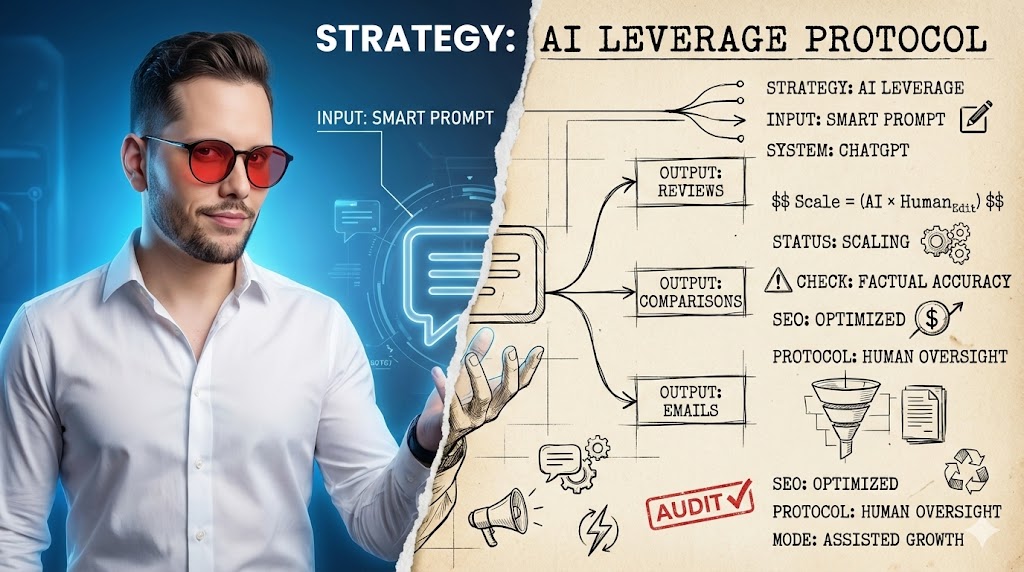
It depends on your approach. AI bots offer significant leverage for affiliate marketers seeking to scale operations and enhance efficiency, but they are not a magic bullet for passive income.
- Strongest advantage: Automates repetitive tasks like content generation, SEO optimization, and ad management, freeing up time for strategic planning.
- Biggest limitation: Requires continuous human oversight, strategic input, and ethical consideration to maintain quality and relevance.
- Concrete use case: Generating high-volume, keyword-optimized product reviews and comparison articles for niche markets.
What are AI Bots in Affiliate Marketing?
AI bots in affiliate marketing are software applications powered by artificial intelligence that automate various tasks traditionally performed manually by marketers. These tools leverage machine learning, natural language processing, and data analytics to streamline operations, from content creation to audience targeting and performance analysis. Their primary goal is to enhance efficiency, scale efforts, and ultimately boost conversion rates and revenue for affiliate campaigns.
Understanding the capabilities of these bots is crucial for any affiliate looking to stay competitive. They can analyze vast datasets, identify trends, and even generate human-like text, making them invaluable assets for managing complex marketing funnels. However, their effectiveness is directly tied to the quality of the input and the strategic guidance provided by the human marketer.
AI Bots in Affiliate Marketing: Automated software tools utilizing artificial intelligence to perform tasks such as content generation, SEO optimization, ad management, and data analysis, aiming to improve efficiency and campaign performance for affiliates.
Common applications for AI bots include:
- Automated content generation for blogs and product descriptions.
- Keyword research and SEO optimization suggestions.
- Personalized email marketing campaigns.
- Predictive analytics for audience behavior.
- Ad copy generation and campaign optimization.
Pros of Using AI Bots
- Increased Efficiency: Automates time-consuming tasks, allowing marketers to focus on strategy.
- Scalability: Enables the rapid production of content and management of numerous campaigns simultaneously.
- Improved Targeting: Leverages data analytics to identify and reach highly relevant audiences, boosting conversion rates.
- Cost Reduction: Minimizes the need for extensive manual labor, potentially lowering operational expenses.
Cons of Using AI Bots
- Quality Control: AI-generated content may lack nuance or require significant human editing for accuracy and tone.
- Ethical Concerns: Potential for misinformation, plagiarism, or biased outputs if not properly managed.
- Dependency Risk: Over-reliance on AI can diminish critical thinking and strategic skill development.
- Setup Complexity: Initial integration and training of AI tools can be time-consuming and require technical understanding.
How AI Bots Transform Affiliate Workflows?
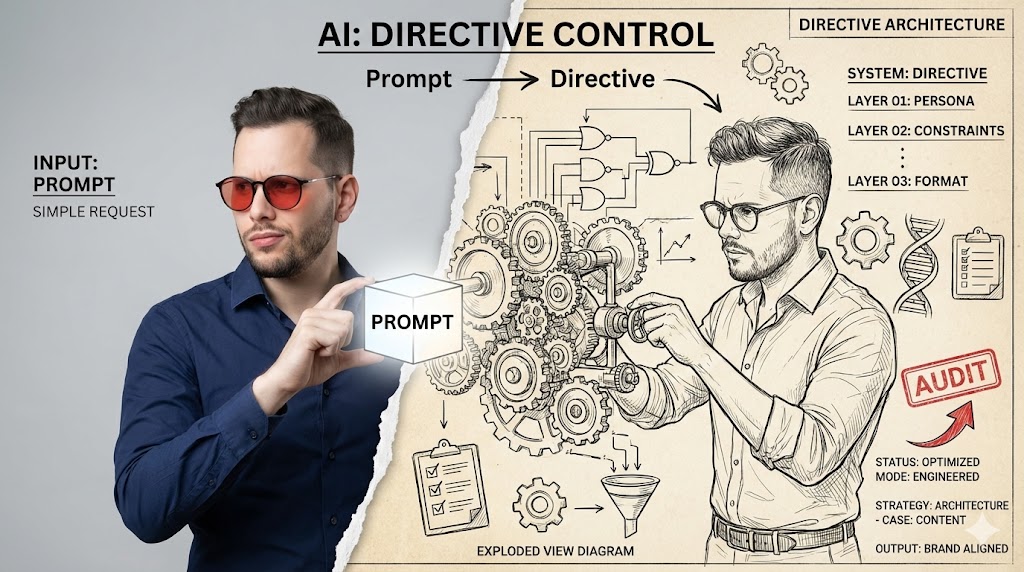
AI bots fundamentally alter traditional affiliate marketing workflows by injecting automation and data-driven insights at every stage. Instead of manual keyword research, content drafting, and ad testing, AI can now handle these processes with remarkable speed and precision. This transformation shifts the marketer’s role from a hands-on executor to a strategic overseer, focusing on refining AI outputs and overall campaign strategy.
The impact is particularly profound in areas requiring repetitive tasks or extensive data analysis. For instance, an AI bot can monitor competitor strategies, identify emerging trends, and even suggest new product niches in real-time. This proactive capability allows affiliates to adapt quickly to market changes, securing a competitive edge that would be impossible with manual methods alone.
Key workflow transformations include:
- Content Acceleration: Generating blog posts, social media updates, and ad copy in minutes, not hours.
- SEO Enhancement: Automatically identifying high-ranking keywords and optimizing content for search engines.
- Audience Segmentation: Using predictive analytics to segment audiences more effectively for targeted promotions.
- Performance Monitoring: Real-time tracking of campaign metrics and automated adjustments for optimal results.
- Customer Support: Implementing chatbots for instant query resolution, improving user experience and trust.
Key Areas Where AI Bots Excel for Affiliates
AI bots demonstrate exceptional capabilities in several core areas critical to affiliate marketing success. Their strength lies in processing vast amounts of information and executing tasks with consistency and speed, surpassing human limitations. This allows affiliates to expand their reach and deepen their market penetration without proportional increases in manual effort.
One significant area is content creation and optimization. AI can generate diverse content formats, from product reviews to comparison articles, and then optimize them for SEO by integrating relevant keywords and improving readability. This ensures a steady stream of fresh, engaging content that ranks well in search engines.
Another strong suit is data analysis and personalization. AI bots can sift through user behavior data, purchase histories, and demographic information to create highly personalized marketing messages and product recommendations. This level of personalization significantly increases the likelihood of conversion, as offers are tailored to individual preferences.
Areas where AI bots provide significant advantages:
- Content Generation: Crafting unique articles, product descriptions, and social media posts.
- SEO & Keyword Research: Identifying profitable keywords and optimizing content for higher search rankings.
- Ad Campaign Management: Automating bid adjustments, audience targeting, and ad copy testing.
- Market Research: Analyzing trends, competitor strategies, and identifying lucrative niches.
- Affiliate Link Management: Monitoring link health, identifying broken links, and optimizing placement.
Choosing the Right AI Bot: Essential Features
Selecting the appropriate AI bot for your affiliate marketing needs is a critical decision that can significantly impact your campaign’s success. The market is flooded with various tools, each boasting different functionalities. A common mistake is choosing a bot based solely on its popularity rather than its alignment with your specific workflow and business goals. Prioritize features that directly address your biggest pain points and offer measurable improvements.
When evaluating AI bots, consider their integration capabilities. A bot that seamlessly integrates with your existing tools, such as your content management system, email marketing platform, or analytics dashboards, will provide a much smoother and more effective workflow. Poor integration can lead to data silos and hinder the bot’s overall utility, creating more work rather than less.
Essential features to look for:
- Natural Language Generation (NLG): For high-quality content creation and ad copy.
- SEO Capabilities: Keyword research, content optimization, and ranking analysis.
- Integration Options: Compatibility with popular marketing platforms and APIs.
- Customization & Control: Ability to fine-tune outputs and set specific parameters.
- Analytics & Reporting: Dashboards to track performance and identify areas for improvement.
- Scalability: Can handle increasing workloads as your affiliate business grows.
Insider tip
Before committing to a paid AI bot, always utilize free trials. Test the bot with your actual data and workflows to ensure it meets your specific needs and integrates well with your existing tech stack. This hands-on evaluation prevents costly mistakes and ensures a good fit.
Common Pitfalls and Ethical Considerations with AI
While AI bots offer immense potential, their deployment in affiliate marketing is not without challenges. Marketers often fall into the trap of over-automation, expecting AI to operate completely autonomously without human oversight. This can lead to generic content, irrelevant ad placements, or even brand damage if the AI misinterprets context or audience sentiment.
Ethical considerations are paramount. The use of AI raises concerns about data privacy, transparency, and potential bias in algorithms. Affiliates must ensure that their AI tools comply with data protection regulations like GDPR and CCPA. Furthermore, it’s crucial to disclose AI involvement where appropriate, especially in content generation, to maintain trust with your audience and avoid deceptive practices.
Warning: The Autopilot Trap
Critical mistake to avoid: Treating AI bots as a ‘set it and forget it’ solution. Expecting fully autonomous, hands-off income without strategic oversight leads to diminished content quality, irrelevant campaigns, and potential brand reputation damage.
Key pitfalls and ethical points to consider:
- Lack of Human Touch: AI-generated content can sometimes feel impersonal or lack genuine empathy.
- Data Privacy: Ensuring AI tools handle user data responsibly and comply with regulations.
- Algorithmic Bias: AI models can perpetuate biases present in their training data, leading to unfair targeting.
- Transparency: Being upfront with your audience about the use of AI in content or interactions.
- Over-reliance: Diminishing critical thinking and strategic input by delegating too much to AI.
- Plagiarism & Originality: Ensuring AI outputs are unique and do not inadvertently plagiarize existing content.
Best AI Bots for Content Creation and SEO
Content creation and SEO are perhaps the most impactful areas where AI bots are revolutionizing affiliate marketing. These tools can generate articles, product descriptions, and social media posts at scale, significantly reducing the time and resources traditionally required. The best bots not only produce text but also help optimize it for search engines, ensuring your content reaches the right audience.
For affiliates focused on high-volume content strategies, an AI blogging tool or SEO writer can be a game-changer. Platforms like Postlabs.ai are designed to assist with creating keyword-rich, engaging articles that rank well. These tools often come with features for keyword research, content outlines, and even competitor analysis, streamlining the entire content pipeline from ideation to publication.
When evaluating content and SEO AI bots, look for those that offer a balance between automation and control. While full automation is appealing, the ability to guide the AI, provide specific instructions, and easily edit its output is crucial for maintaining brand voice and factual accuracy. A tool that allows for iterative refinement will consistently produce better results than one that offers a black-box approach.
- Jasper AI: Known for versatile content generation, from blog posts to ad copy, with various templates.
- Surfer SEO: Excellent for content optimization, providing real-time suggestions based on top-ranking pages.
- Copy.ai: Strong for short-form content, social media captions, and quick ad variations.
- Semrush Content Marketing Platform: Combines keyword research, content creation, and SEO auditing features.
- Frase.io: Focuses on creating detailed content briefs and optimizing existing content for search intent.
Automating Ad Campaigns with AI
Automating ad campaigns with AI bots offers affiliate marketers a powerful way to maximize their return on ad spend (ROAS) and reach highly specific audiences. These bots can analyze vast amounts of data, including user demographics, behavior patterns, and conversion metrics, to make real-time adjustments to bids, targeting, and ad creatives. This level of optimization is virtually impossible for a human to achieve manually across multiple platforms.
The primary benefit of AI in ad management is its ability to learn and adapt. As campaigns run, the AI continuously gathers data, identifies what’s working and what isn’t, and then automatically refines the strategy. This iterative process leads to increasingly efficient campaigns, reducing wasted ad spend and boosting conversions over time. It transforms ad management from a reactive task to a proactive, data-driven system.
AI’s Impact on Ad Performance
Studies indicate that AI-powered ad optimization can lead to a 15-20% increase in conversion rates and a 10-15% reduction in cost per acquisition (CPA) for affiliate marketers, based on typical usage across various platforms.
Key ways AI automates ad campaigns:
- Dynamic Bid Management: Automatically adjusts bids based on real-time performance and competitor activity.
- Audience Targeting: Identifies and targets micro-segments of users most likely to convert.
- Ad Creative Optimization: Tests different headlines, images, and calls-to-action to find the most effective combinations.
- Budget Allocation: Shifts budget towards best-performing campaigns and platforms.
- Fraud Detection: Identifies and blocks fraudulent clicks or impressions, protecting ad spend.
Leveraging AI for Niche Research and Product Selection
AI bots are invaluable tools for identifying profitable niches and selecting high-converting products within the competitive affiliate marketing landscape. Traditionally, this process involved extensive manual research, market trend analysis, and competitor spying. AI streamlines this by rapidly processing market data, social media trends, and search query volumes to uncover underserved markets and trending products with high affiliate potential.
The ability of AI to analyze sentiment from customer reviews and social media discussions is particularly powerful. This allows affiliates to gauge genuine interest and identify pain points that specific products can solve, leading to more targeted and effective promotions. Instead of guessing what consumers want, AI provides data-backed insights into market demand and product viability.
“The future of affiliate marketing isn’t just about finding products; it’s about using intelligence to find the right products for the right audience at the right time. AI is the engine for that intelligence.”
— Neil Patel, Digital Marketing Influencer
How AI assists in niche and product selection:
- Trend Analysis: Identifies emerging market trends and popular product categories.
- Competitor Analysis: Uncovers competitor strategies, top-performing products, and untapped opportunities.
- Audience Sentiment: Analyzes reviews and social media for consumer opinions and pain points.
- Keyword Gap Analysis: Finds keywords with high search volume but low competition, indicating niche potential.
- Product Performance Prediction: Estimates potential sales and conversion rates for various products based on historical data.
Building an AI-Powered Affiliate Workflow: A Step-by-Step Guide
Implementing AI into your affiliate marketing strategy requires a structured approach to ensure seamless integration and maximum effectiveness. Simply acquiring an AI bot without a clear workflow can lead to disjointed efforts and suboptimal results. The goal is to create a symbiotic relationship where AI handles the heavy lifting, and you provide the strategic direction and refinement.
Start by identifying the most repetitive and time-consuming tasks in your current workflow. These are prime candidates for AI automation. Common areas include content generation, keyword research, social media scheduling, and basic customer inquiries. Once identified, research AI tools specifically designed for these tasks, ensuring they offer the features and integrations necessary for your ecosystem.
Case Study: Scaling Content with AI
The trap: An affiliate marketer struggled to publish more than 10 high-quality product reviews per month due to manual research, writing, and SEO optimization, limiting their niche coverage.
The win: By integrating an AI content generator and an SEO optimization tool, they established a workflow where AI drafted initial reviews and optimized them for keywords. The marketer then focused on fact-checking, adding unique insights, and refining the tone. This increased output to 40+ reviews per month, leading to a 300% increase in organic traffic and a significant boost in affiliate commissions within six months.
Steps to build an AI-powered workflow:
- Audit Current Workflow: Pinpoint manual, repetitive tasks suitable for automation.
- Select AI Tools: Choose bots that align with identified needs and integrate well with existing platforms.
- Define AI Roles: Clearly assign which tasks the AI will handle and where human oversight is critical.
- Integrate & Train: Connect AI tools to your systems and provide initial training data or guidelines.
- Monitor & Refine: Continuously track AI performance, review outputs, and adjust parameters for improvement.
- Scale Gradually: Expand AI usage to more complex tasks as you gain confidence and expertise.
Overcoming the ‘Hands-Off’ Myth of AI Automation
One of the most pervasive misconceptions about AI in affiliate marketing is the idea that it creates a completely ‘hands-off’ or passive income stream. This myth suggests that once an AI bot is deployed, it will autonomously generate revenue without any further human intervention. The reality is far more nuanced; while AI significantly automates tasks, it does not eliminate the need for strategic human input and oversight.
True success with AI in affiliate marketing comes from a collaborative approach. AI excels at executing defined tasks and processing data, but it lacks the creative intuition, ethical judgment, and strategic foresight that a human marketer possesses. Without a human to guide its objectives, refine its outputs, and adapt to unforeseen market shifts, an AI bot can quickly become ineffective or even detrimental.
Myth
AI bots create completely passive, hands-off affiliate income.
Reality
AI bots are powerful automation tools that significantly reduce manual effort, but they require continuous human oversight, strategic direction, and ethical judgment to be effective and maintain quality. They augment, rather than replace, the affiliate marketer’s role.
The role of the human marketer in an AI-powered workflow includes:
- Strategic Planning: Setting overall campaign goals and directions.
- Quality Assurance: Reviewing AI-generated content and ad copy for accuracy and brand voice.
- Ethical Governance: Ensuring AI usage complies with regulations and ethical standards.
- Creative Input: Injecting unique angles, storytelling, and emotional appeal that AI struggles with.
- Problem Solving: Addressing unexpected issues or adapting to major market changes.
- Performance Interpretation: Analyzing AI-generated data to derive deeper insights and make informed decisions.
Future Trends: What’s Next for AI in Affiliate Marketing?
The landscape of AI in affiliate marketing is rapidly evolving, with several exciting trends poised to reshape how affiliates operate. One major development is the increasing sophistication of personalized AI agents that can learn and adapt to individual user preferences with unprecedented accuracy. This will lead to hyper-targeted promotions that feel less like advertising and more like genuine recommendations.
Another significant trend is the integration of AI with advanced analytics to predict market shifts and consumer behavior with greater precision. Affiliates will be able to anticipate demand for products, identify emerging niches before they become saturated, and adjust their strategies proactively. This predictive capability will move affiliate marketing from reactive to highly anticipatory.
Emerging trends to watch:
- Hyper-Personalization: AI creating truly unique user experiences and product recommendations.
- Predictive Analytics: More accurate forecasting of market trends and consumer demand.
- Voice Search Optimization: AI tools helping affiliates optimize content for conversational queries.
- Generative AI for Multimedia: Beyond text, AI creating images, videos, and interactive content for campaigns.
- Blockchain Integration: AI leveraging blockchain for enhanced transparency and fraud prevention in affiliate tracking.
- Autonomous Agents: More complex AI systems capable of managing entire campaign lifecycles with minimal human input.
Action Checklist for AI Integration
- Identify Core Tasks: Within the next week, list 3-5 repetitive affiliate tasks that consume significant time.
- Research AI Solutions: Over the next two weeks, explore AI bots specifically designed for these tasks, focusing on features and integrations.
- Pilot a Single Tool: Within the next month, select one AI bot and implement it for a specific, contained task (e.g., generating 10 blog post outlines).
- Establish Oversight Protocol: Immediately define how you will review and refine AI outputs to maintain quality and ethical standards.
- Analyze Initial Results: Over the next 60 days, meticulously track the performance of your AI-powered task against previous manual efforts.
- Scale Incrementally: Only after successful pilot, gradually expand AI integration to other areas, learning from each implementation.
FAQ
Can AI bots completely replace human affiliate marketers?
No, AI bots cannot completely replace human affiliate marketers. While they excel at automating repetitive tasks and processing data, they lack human creativity, strategic intuition, ethical judgment, and the ability to adapt to complex, unforeseen circumstances. AI serves as a powerful tool to augment and enhance human efforts, not to replace them entirely.
How much do AI bots for affiliate marketing cost?
The cost of AI bots for affiliate marketing varies widely depending on their features, capabilities, and usage limits. Basic tools might offer free tiers or start from $20-$50 per month, while more advanced, comprehensive platforms with extensive usage can range from $100 to several hundred dollars per month. Enterprise solutions can be even more expensive, often with custom pricing.
Are AI-generated affiliate reviews ethical?
AI-generated affiliate reviews can be ethical if they are factually accurate, provide genuine value to the reader, and are transparent about their creation process. The key is to ensure human oversight to verify information, add unique insights, and maintain an authentic voice. Misleading or purely AI-generated content without human review can raise ethical concerns and damage trust.
What are the risks of using AI in affiliate marketing?
Risks include generating low-quality or inaccurate content, potential for algorithmic bias in targeting, over-reliance leading to a lack of human oversight, data privacy concerns, and the possibility of violating platform guidelines if AI usage is not managed carefully. It’s crucial to implement strong quality control and ethical guidelines.