
AI’s Transformative Role in Affiliate Marketing
It depends on your approach. AI offers powerful tools for efficiency and scale, making it highly suitable for affiliate marketers ready to embrace new technologies and adapt their strategies.
- Enhanced content generation and hyper-targeted audience engagement.
- Requires significant human oversight to maintain quality and ethical standards.
- Ideal for automating keyword research, initial content drafts, and data analysis.
What is AI’s Role in Modern Affiliate Marketing?
Artificial Intelligence (AI): A broad field of computer science focused on creating machines that can perform tasks typically requiring human intelligence, such as learning, problem-solving, perception, and decision-making.
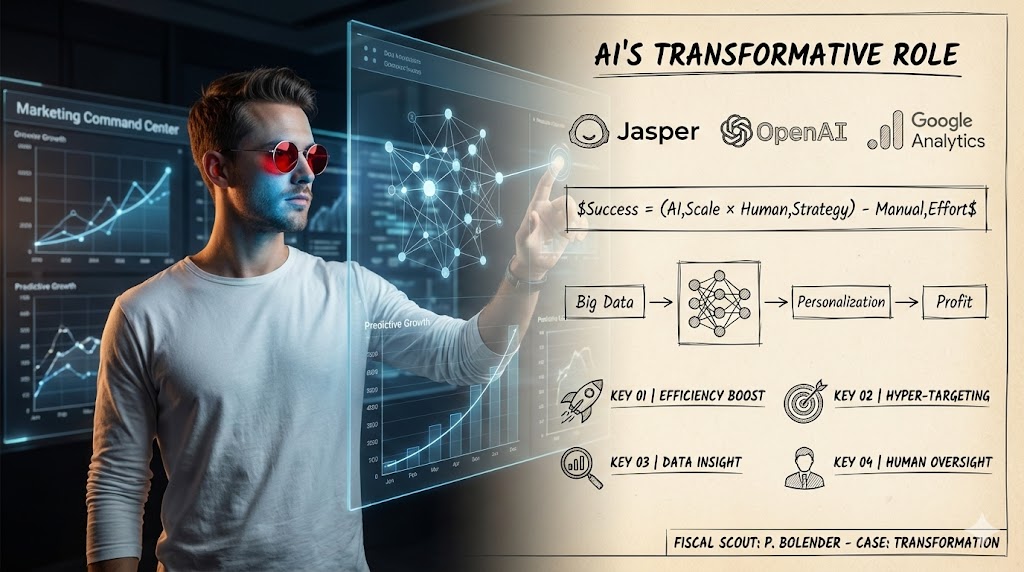
Artificial Intelligence is rapidly reshaping the affiliate marketing landscape, moving beyond simple automation to intelligent task execution. It empowers marketers to analyze vast datasets, predict consumer behavior, and personalize user experiences at an unprecedented scale. This integration allows for more strategic decision-making and a significant reduction in manual effort across various operational areas.
From optimizing campaign performance to identifying lucrative niches, AI provides a competitive edge. However, its effectiveness hinges on the quality of data it processes and the strategic guidance provided by human marketers. Understanding the core applications of AI is crucial for any affiliate looking to stay relevant.
- Content Generation: AI assists in drafting articles, product descriptions, and social media posts, saving considerable time.
- Audience Segmentation: Advanced algorithms identify and segment audiences with high precision, enabling targeted campaigns.
- Predictive Analytics: AI forecasts trends, consumer preferences, and campaign outcomes, informing strategic adjustments.
- Ad Optimization: Machine learning algorithms optimize ad spend and placement for maximum ROI.
Advantages of AI in Affiliate Marketing
- Increased Efficiency: Automates repetitive tasks like research and content drafting, freeing up time for strategic work.
- Enhanced Personalization: Delivers highly relevant content and offers to individual users, boosting conversion rates.
- Superior Data Analysis: Processes large datasets to uncover actionable insights and optimize campaign performance.
Limitations and Risks of AI in Affiliate Marketing
- Quality Control Challenges: AI-generated content may lack nuance or accuracy, requiring extensive human editing.
- Ethical and Transparency Concerns: Potential for bias in algorithms and issues with disclosing AI usage to consumers.
- Over-Reliance on Technology: Risk of losing human creativity and critical thinking if AI is not properly managed.
How Does AI Enhance Content Creation for Affiliates?
AI tools are revolutionizing how affiliate marketers approach content creation, offering capabilities that range from generating initial drafts to optimizing existing material. These tools can analyze top-performing content, identify keyword gaps, and even suggest structural improvements, significantly accelerating the content pipeline. This allows affiliates to produce a higher volume of content without sacrificing quality, provided there is human oversight.
The ability of AI to rapidly generate diverse content types, from short social media updates to comprehensive product reviews, is a game-changer. It helps overcome writer’s block and ensures a consistent content flow, which is vital for maintaining audience engagement and SEO rankings. For example, using an AI SEO Writer can drastically reduce the time spent on initial content drafts, allowing marketers to focus on refining and adding unique value.
- Keyword Research Automation: AI identifies high-value keywords and topics with strong search intent.
- Draft Generation: Creates outlines, headlines, and initial paragraphs for articles, reviews, and landing pages.
- Content Optimization: Suggests improvements for readability, SEO, and conversion rates based on data analysis.
- Variant Creation: Generates multiple versions of ad copy or social media posts for A/B testing.
What Are the Key AI Trends Shaping Affiliate Strategies?
The landscape of AI in affiliate marketing is constantly evolving, with several key trends poised to redefine strategies. One significant trend is the rise of hyper-personalization, where AI tailors content and offers not just to segments, but to individual user preferences and behaviors. This level of customization leads to significantly higher engagement and conversion rates, making generic approaches obsolete.
Another crucial trend is the integration of AI into voice search optimization and conversational commerce. As more consumers use voice assistants for shopping and information, affiliates must adapt their content to be discoverable and engaging in these new interfaces. Furthermore, AI-driven predictive analytics are becoming more sophisticated, allowing marketers to anticipate market shifts and consumer demands with greater accuracy, enabling proactive strategy adjustments.
The Power of AI-Driven Personalization
Studies indicate that AI-powered personalization can increase conversion rates by an average of 10-15% for affiliate campaigns, primarily by delivering highly relevant content and product recommendations to users.
- Predictive Analytics: Forecasting future trends and consumer behavior to identify profitable niches.
- Hyper-Personalization: Delivering bespoke content and product recommendations to individual users.
- Voice Search Optimization: Adapting content for natural language queries from voice assistants.
- AI-Powered Chatbots: Providing instant customer support and guiding users through the sales funnel.
How Can AI Optimize Audience Targeting and Personalization?
AI offers unparalleled capabilities in refining audience targeting and delivering highly personalized experiences, moving beyond traditional demographic segmentation. Machine learning algorithms can analyze vast amounts of user data, including browsing history, purchase patterns, and engagement metrics, to create incredibly precise audience profiles. This allows affiliate marketers to identify the most receptive users for specific products or services, leading to more effective campaigns.
The power of AI lies in its ability to dynamically adjust targeting parameters in real-time, responding to changing user behavior or market conditions. This ensures that marketing messages are always relevant and timely, significantly increasing the likelihood of conversion. Personalized product recommendations, dynamic landing page content, and tailored email sequences are all made possible through advanced AI applications, enhancing the overall user journey.
Insider Tip: Leverage Lookalike Audiences
Use AI to create ‘lookalike audiences’ based on your highest-converting customers. This expands your reach to new users who share similar characteristics and behaviors, significantly improving campaign ROI.
- Behavioral Segmentation: Grouping users based on their online actions and engagement patterns.
- Dynamic Content Delivery: Displaying different content versions to users based on their profiles and real-time interactions.
- Recommendation Engines: Suggesting products or services that align with individual user preferences and past purchases.
- Predictive Lead Scoring: Identifying potential leads most likely to convert, allowing for focused marketing efforts.
What Are the Ethical Considerations of Using AI in Affiliate Marketing?
While AI offers immense benefits, its deployment in affiliate marketing comes with significant ethical considerations that must be addressed. Transparency is paramount; consumers have a right to know when they are interacting with AI-generated content or receiving AI-driven recommendations. Failure to disclose this can erode trust and lead to negative perceptions of a brand or affiliate.
Data privacy is another critical concern. AI systems often require access to vast amounts of personal data for effective personalization, raising questions about data security, consent, and compliance with regulations like GDPR or CCPA. Furthermore, there’s the risk of algorithmic bias, where AI systems inadvertently perpetuate or amplify existing societal biases, leading to unfair targeting or discriminatory practices. Affiliate marketers must actively work to mitigate these risks to maintain a trustworthy and sustainable business model.
Warning: The Bias Trap in AI Algorithms
Critical mistake to avoid: Relying on AI without understanding its data sources can lead to biased targeting or content generation. This can alienate segments of your audience and damage your brand reputation, resulting in reduced conversions and potential legal issues.
- Data Privacy: Ensuring compliance with data protection laws and obtaining explicit user consent for data collection.
- Algorithmic Bias: Actively identifying and mitigating biases in AI models to ensure fair and equitable targeting.
- Transparency: Clearly disclosing when AI is used for content creation or personalized recommendations.
- Accountability: Establishing clear human oversight and responsibility for AI-driven decisions and outcomes.
Common Pitfalls When Implementing AI in Affiliate Campaigns
Implementing AI in affiliate marketing is not without its challenges, and several common pitfalls can hinder success if not properly managed. One significant mistake is over-automation, where affiliates delegate too many critical tasks to AI without sufficient human review. This can lead to generic content, irrelevant targeting, or even factual errors that damage credibility.
Another pitfall is neglecting the quality of input data. AI models are only as good as the data they are trained on; poor, biased, or incomplete data will inevitably lead to flawed outputs. Marketers must invest time in data cleansing and ensuring data integrity. Additionally, a lack of understanding of AI capabilities and limitations can lead to unrealistic expectations or misapplication of tools, resulting in wasted resources and suboptimal campaign performance.
Myth: AI will completely replace human affiliate marketers.
AI is so advanced it will soon take over all aspects of affiliate marketing, making human input obsolete.
Reality: AI is a powerful assistant, not a replacement.
AI excels at automation, data analysis, and content generation, but it lacks human creativity, empathy, and strategic intuition. Successful affiliate marketing with AI requires human marketers to provide strategic direction, refine AI outputs, and build genuine relationships with audiences.
- Poor Data Quality: Feeding AI models with inaccurate or incomplete data, leading to flawed insights and decisions.
- Lack of Human Oversight: Over-relying on AI without critical review, resulting in generic or off-brand outputs.
- Ignoring Ethical Guidelines: Failing to address privacy, transparency, and bias, which can damage reputation.
- Misunderstanding AI Capabilities: Applying AI tools to tasks they are not suited for, leading to inefficient resource allocation.
Can AI Improve Affiliate Program Management and Fraud Detection?
AI’s capabilities extend beyond marketing campaigns to the operational aspects of affiliate program management, particularly in areas like partner onboarding and fraud detection. AI-powered systems can streamline the vetting process for new affiliates by analyzing their online presence, past performance, and compliance history, ensuring that only high-quality partners are accepted into a program. This reduces administrative burden and improves the overall integrity of the affiliate network.
Crucially, AI is proving to be an invaluable asset in combating affiliate fraud. Machine learning algorithms can detect unusual patterns in traffic, conversions, or commission claims that indicate fraudulent activity far more efficiently than human analysts. By identifying anomalies in real-time, AI helps protect advertisers from financial losses and maintains a fair ecosystem for legitimate affiliates. This proactive approach to fraud prevention is becoming a standard requirement for robust affiliate programs.
“AI is not just about automating tasks; it’s about augmenting human intelligence to make smarter, faster decisions, especially in complex areas like fraud detection where patterns are often too subtle for the human eye.”
— Head of Affiliate Compliance, Global E-commerce Platform
- Automated Partner Vetting: AI assesses potential affiliates’ legitimacy and performance history.
- Real-time Fraud Detection: Identifies suspicious traffic, clicks, or conversion patterns indicative of fraud.
- Performance Monitoring: Tracks affiliate performance metrics and flags underperforming or non-compliant partners.
- Commission Calculation Accuracy: Ensures fair and accurate commission payouts by cross-referencing data points.
Case Study: AI-Driven Revenue Growth in a Niche Affiliate Site
Boosting Conversions with AI-Personalized Content
The trap: A niche affiliate site specializing in sustainable home goods struggled with stagnant conversion rates despite high traffic. Their generic product reviews and blog posts failed to resonate deeply with individual visitors, leading to high bounce rates and missed opportunities.
The win: The site implemented an AI-powered content personalization engine. This tool analyzed visitor behavior, past purchases, and demographic data to dynamically adjust product recommendations and content snippets on category pages and blog posts. Within three months, the site observed a 22% increase in conversion rates and a 15% rise in average order value, demonstrating the power of tailored experiences.
This case highlights how targeted AI implementation can unlock significant revenue growth even in competitive niche markets. The key was moving beyond a one-size-fits-all approach to content and leveraging AI to understand and cater to individual visitor needs. The initial investment in AI tools was quickly recouped through improved engagement and sales.
What Skills Do Affiliate Marketers Need to Master AI Tools?
As AI becomes more integrated into affiliate marketing, the skill set required for success is evolving. While technical coding skills are not always necessary, a strong understanding of how AI tools function and how to effectively leverage them is crucial. Marketers need to develop proficiency in prompt engineering, which involves crafting precise instructions for AI models to generate desired outputs, whether for content, analysis, or ad copy.
Beyond technical interaction, critical thinking and data interpretation remain paramount. AI provides insights, but human marketers must interpret these insights, identify strategic implications, and make informed decisions. The ability to discern high-quality AI output from generic or biased content, and to refine it with a human touch, will differentiate successful affiliates. Continuous learning and adaptability to new AI advancements are also essential for long-term relevance in this dynamic field.
- Prompt Engineering: The ability to write clear, effective prompts to guide AI content generation and analysis.
- Data Literacy: Understanding how to interpret AI-generated data, identify trends, and draw actionable conclusions.
- Critical Evaluation: Assessing the quality, accuracy, and ethical implications of AI outputs.
- Strategic Thinking: Integrating AI tools into broader marketing strategies to achieve specific business objectives.
- Adaptability: Staying updated with new AI technologies and adapting strategies accordingly.
AI Integration Action Checklist for Affiliates
- Identify Repetitive Tasks (Week 1): List all manual tasks in your workflow that could potentially be automated by AI (e.g., keyword research, initial content drafts).
- Research AI Tools (Week 2): Explore available AI content generators, analytics platforms, and ad optimization tools that align with your identified needs.
- Pilot a Single AI Tool (Month 1): Choose one tool and integrate it into a specific, manageable part of your workflow (e.g., use an AI autoblogger tool for 5 blog post outlines).
- Establish Human Review Protocols (Ongoing): Implement a strict process for reviewing and editing all AI-generated content and insights before publication or action.
- Monitor Performance Metrics (Monthly): Track key performance indicators (KPIs) to assess the impact of AI on efficiency, engagement, and conversions.
- Iterate and Scale (Quarterly): Based on performance, refine your AI usage, explore additional tools, or scale successful AI applications across more campaigns.
Common Questions About AI in Affiliate Marketing
Is AI-generated content good for SEO?
AI-generated content can be good for SEO if it is high-quality, relevant, and provides value to the reader. However, it must be thoroughly edited and fact-checked by a human to ensure accuracy, originality, and adherence to search engine guidelines. Google prioritizes helpful, reliable content, regardless of how it’s produced.
How much does it cost to use AI tools for affiliate marketing?
The cost varies widely depending on the tool’s sophistication, features, and usage limits. Many AI tools offer free tiers for basic use, while advanced platforms can range from $20 to several hundred dollars per month. It’s essential to evaluate the ROI based on your specific needs and expected benefits.
Can AI help me find profitable affiliate niches?
Yes, AI can significantly assist in identifying profitable niches. By analyzing market data, search trends, competitor activity, and consumer demand, AI tools can uncover underserved markets or emerging product categories with high affiliate potential. This data-driven approach helps minimize risk and maximize opportunity.
What are the biggest risks of using AI in affiliate marketing?
The biggest risks include producing low-quality or biased content, alienating audiences due to lack of transparency, violating data privacy regulations, and becoming overly reliant on automation without human oversight. Mitigating these risks requires careful planning, ethical considerations, and continuous human involvement.