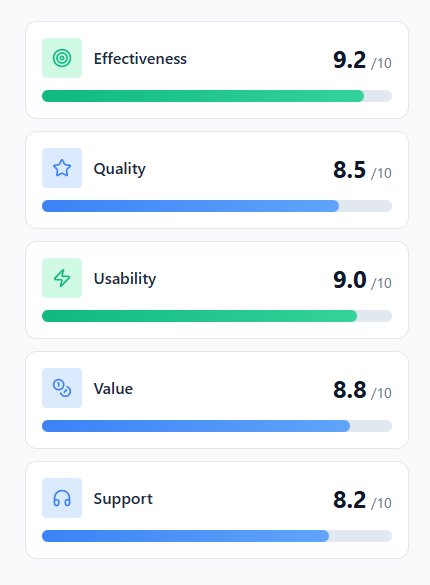


Earning Online in Canada: A Realistic Verdict
It depends on your approach and dedication. Making money online in Canada is highly feasible for individuals willing to invest time, develop skills, and navigate the digital landscape strategically.
- Strongest advantage: Access to a global market and diverse income streams from home.
- Biggest limitation: Requires consistent effort, self-discipline, and often an initial learning curve.
- Concrete use case: Ideal for Canadians seeking flexible work, supplementary income, or a full-time entrepreneurial venture.
Understanding the Canadian Online Earning Landscape
The digital economy offers a vast array of opportunities for Canadians looking to generate income from the comfort of their homes. From leveraging existing professional skills to learning entirely new ones, the internet provides platforms and tools that connect individuals with global markets and diverse earning potentials. Understanding the unique aspects of the Canadian market, including its regulatory environment and consumer behaviour, is crucial for long-term success.
Many Canadians face initial hesitation or confusion about where to begin, often fearing scams or simply not knowing which legitimate paths to pursue. However, by focusing on established methods and understanding the commitment required, individuals can build sustainable online income streams. The key lies in identifying a niche, developing relevant skills, and consistently delivering value to an online audience or client base.
Online Earning: The process of generating income through internet-based activities, ranging from selling products and services to participating in digital tasks, often leveraging global connectivity and digital platforms.
Affiliate Marketing: Promoting Products for Commission
Affiliate marketing involves partnering with businesses to promote their products or services and earning a commission on sales generated through your unique referral link. This model is particularly attractive in Canada due to the strong e-commerce presence of major retailers and the growing consumer trust in online recommendations. Success hinges on building an audience interested in a specific niche and providing genuine value through content.
To excel in affiliate marketing, it is essential to choose products that resonate with your audience and align with your content strategy. Platforms like Amazon Associates, ShareASale, and ClickBank offer a wide range of products across various categories. For those looking to streamline their affiliate efforts on platforms like WordPress, an affiliate WordPress plugin can significantly simplify link management, tracking, and reporting, making the process more efficient and scalable.
Advantages of Online Earning
- Flexibility and Autonomy: Set your own hours and work from any location with an internet connection.
- Low Startup Costs: Many online ventures require minimal initial investment compared to traditional businesses.
- Scalability Potential: Digital businesses can often reach a global audience, leading to significant growth opportunities.
Limitations and Risks
- Income Volatility: Earnings can be inconsistent, especially in the early stages, requiring financial planning.
- High Competition: The online space is crowded, demanding unique value propositions and effective marketing.
- Self-Discipline Required: Success heavily relies on personal motivation, time management, and continuous learning.
Freelancing Services: Leveraging Your Skills Online
Freelancing allows individuals to offer their professional skills to clients worldwide on a project-by-project basis. This can range from writing, graphic design, web development, and virtual assistance to digital marketing and consulting. Platforms like Upwork, Fiverr, and Freelancer.com connect Canadian freelancers with clients seeking specific expertise, providing a structured marketplace for services.
Building a strong portfolio and client testimonials are critical for establishing credibility and attracting higher-paying projects in the competitive freelance market. Specializing in a high-demand niche, such as SEO content writing or advanced data analysis, can help differentiate your services and command better rates. Consistent communication and delivering high-quality work are paramount for securing repeat business and positive reviews.
Insider tip: Niche Down for Impact
Instead of offering broad services, specialize in a very specific niche where your skills are highly valued. For example, instead of ‘web design,’ offer ‘e-commerce website design for local Canadian artisans.’ This focus helps you stand out and attract ideal clients.
E-commerce: Selling Products Through Online Stores
Setting up an online store to sell physical or digital products is a robust way to make money online in Canada. Platforms like Shopify, Etsy, and WooCommerce provide the infrastructure needed to create a professional storefront, manage inventory, and process payments. Whether you’re selling handmade crafts, unique apparel, or specialized gadgets, e-commerce offers direct access to consumers.
Success in e-commerce requires careful consideration of product sourcing, marketing strategies, and customer service. Understanding shipping logistics within Canada and internationally, as well as managing inventory efficiently, are key operational aspects. Effective digital marketing, including social media promotion and search engine optimization, is essential to drive traffic to your online store and convert visitors into paying customers.
Online Surveys and Micro-Tasks: Earning Small Amounts Flexibly
Participating in online surveys, completing micro-tasks, or testing websites offers a flexible way to earn small amounts of money in your spare time. While these activities won’t replace a full-time income, they can provide supplementary funds for everyday expenses or savings. Platforms such as Survey Junkie, Swagbucks, and UserTesting are popular choices for Canadians.
These opportunities are best suited for individuals looking for low-commitment ways to utilize their downtime. It’s important to manage expectations, as the pay per task is typically low, and the availability of tasks can vary. Consistency across multiple platforms can help maximize earnings, but it’s crucial to prioritize legitimate sites to avoid wasting time on unreliable services.
Warning: Beware of Get-Rich-Quick Schemes
Critical mistake to avoid: Falling for online schemes that promise exorbitant returns with minimal effort or upfront investment. These are almost always scams designed to steal your money or personal information, leading to financial loss and data compromise.
Content Creation: Blogging, Vlogging, and Podcasting
Creating valuable content through blogging, vlogging (video blogging), or podcasting can be a highly rewarding long-term strategy for online income. By building an audience around a specific topic or niche, creators can monetize their content through advertising, sponsorships, direct sales of products or services, and affiliate marketing. Platforms like YouTube, WordPress, and various podcast hosting services provide the necessary tools.
The key to success in content creation is consistency, authenticity, and providing genuine value to your audience. It takes time to build a following, so patience and persistence are essential. Engaging with your community, understanding their needs, and adapting your content based on feedback will foster loyalty and growth, ultimately leading to monetization opportunities as your platform expands.
“The best way to predict the future is to create it. In the digital age, that means consistently producing valuable content that resonates with your audience.”
— Neil Patel, Digital Marketing Expert
Online Tutoring and Coaching: Sharing Expertise Remotely
If you possess specialized knowledge or skills, online tutoring and coaching offer an excellent avenue to earn money by sharing your expertise. This can range from academic subjects like mathematics and language to professional skills such as coding, marketing, or even life coaching. Platforms like Chegg Tutors, Preply, and Teachable facilitate connecting educators with students globally.
Establishing credibility through certifications, testimonials, and a clear teaching methodology is vital for attracting clients. Online coaching often allows for higher hourly rates, especially for niche expertise, but requires strong communication skills and the ability to adapt teaching methods to a virtual environment. Creating structured courses or personalized programs can also enhance your offering and appeal to a broader audience.
Growth in Online Learning
The global online education market is projected to reach over $350 billion by 2025, indicating a significant and sustained demand for remote learning and expert instruction.
Dropshipping: A Low-Inventory E-commerce Model
Dropshipping is an e-commerce fulfillment method where you don’t keep the products you sell in stock. Instead, when a customer places an order, you purchase the item from a third-party supplier who then ships it directly to the customer. This model significantly reduces startup costs and eliminates the need for inventory management and warehousing, making it appealing for new entrepreneurs in Canada.
While dropshipping offers low barriers to entry, it requires strong marketing skills and meticulous supplier management. Profit margins can be tighter, and customer service relies heavily on the supplier’s efficiency and product quality. Researching reliable suppliers, identifying trending products, and building a compelling online store are critical steps for success in this competitive space.
Digital Product Creation: Selling Your Own Information
Creating and selling digital products, such as e-books, online courses, templates, or software, allows you to leverage your knowledge and creativity into scalable income. Once created, these products can be sold repeatedly without additional manufacturing or shipping costs. Platforms like Gumroad, Thinkific, and Kajabi provide tools for hosting, selling, and delivering digital content.
The initial effort involves significant time investment in product development and marketing. However, the potential for passive income once the product is launched is a major draw. Identifying a gap in the market, understanding your target audience’s needs, and effectively promoting your digital offerings are crucial for generating consistent sales and building a sustainable business.
Insider tip: Repurpose Your Content
Don’t let good content go to waste. A blog post can become a podcast episode, a series of social media posts, or even a chapter in an e-book. Repurposing maximizes your reach and efficiency without creating entirely new material.
Navigating Taxes and Regulations for Online Income in Canada
Understanding the tax implications of online income is paramount for any Canadian entrepreneur. The Canada Revenue Agency (CRA) considers income earned online as taxable, whether it’s from freelancing, e-commerce, or affiliate marketing. It’s essential to keep meticulous records of all income and expenses to accurately report your earnings and claim eligible deductions.
Registering for a Business Number, collecting GST/HST if your revenue exceeds certain thresholds, and understanding provincial regulations are critical steps. Consulting with an accountant specializing in small businesses or online ventures can prevent costly errors and ensure compliance with Canadian tax laws. Proactive planning in this area can save significant stress and financial penalties down the line.
Common Mistakes to Avoid When Earning Online
Many aspiring online earners fall into common traps that hinder their progress or lead to failure. One significant mistake is the lack of patience and expecting immediate results. Building a sustainable online income takes time, consistent effort, and often involves trial and error. Over-reliance on a single income stream without diversification is another pitfall, as market changes can quickly impact earnings.
Another frequent error is neglecting to invest in continuous learning and skill development. The online landscape evolves rapidly, and staying updated with new tools, strategies, and industry trends is crucial for long-term relevance. Finally, underestimating the importance of networking and community engagement can limit opportunities for collaboration, mentorship, and client acquisition, which are vital for growth.
Your Online Earning Action Checklist
- Define Your Niche: Within 1 week, identify a specific area of interest or skill set to focus your online efforts.
- Choose a Platform: Within 2 weeks, select and set up your primary platform (e.g., website, freelance profile, e-commerce store).
- Create Initial Content/Offer: Within 1 month, launch your first product, service, or piece of valuable content.
- Implement a Marketing Strategy: Within 6 weeks, establish a consistent plan for promoting your online venture.
- Set Up Financial Tracking: Immediately, open a separate bank account and implement a system for tracking all income and expenses.
- Consult a Tax Professional: Before your first tax season, schedule an appointment with an accountant specializing in online businesses.
Common Questions
Is it possible to make a full-time income online in Canada?
Yes, it is absolutely possible to make a full-time income online in Canada, but it requires significant dedication, skill development, and consistent effort. Many individuals successfully transition from traditional employment to full-time online entrepreneurship through various methods like freelancing, e-commerce, or content creation.
What are the easiest ways to start making money online in Canada?
The ‘easiest’ ways often involve lower income potential, such as participating in online surveys, micro-task platforms, or basic virtual assistant roles. These methods have low barriers to entry but typically offer supplementary income rather than substantial earnings. For higher income, more skill and effort are required.
Do I need to register a business to earn money online in Canada?
If you are operating as a sole proprietor and your business name is your legal name, you generally don’t need to register your business. However, if you use a business name other than your own or if your income reaches a certain threshold (e.g., $30,000 for GST/HST registration), you will need to register your business and potentially collect taxes. It’s always best to consult with a tax professional.