

Is the Admitad Affiliate WordPress Plugin Right for Your Site?
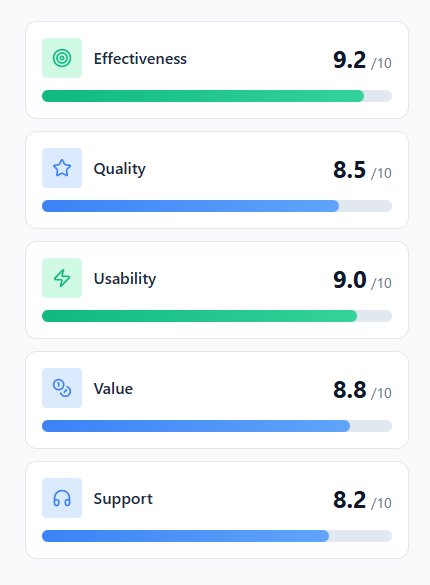
Depends. This plugin is highly suitable for WordPress users who are already actively engaged with the Admitad affiliate network and seek to streamline their link management directly within their website environment.
- It offers robust integration for existing Admitad publishers, simplifying link creation and tracking.
- Its primary limitation is its specific reliance on the Admitad network, making it less versatile for multi-network affiliates.
- A concrete use case involves content creators and bloggers who frequently publish reviews or guides featuring products available through Admitad advertisers.
What is the Admitad Affiliate WordPress Plugin?
The Admitad Affiliate WordPress Plugin serves as a crucial bridge, connecting your WordPress website directly to the extensive Admitad affiliate network. This plugin is designed to simplify the process of integrating affiliate links and managing your campaigns without needing to constantly switch between your WordPress dashboard and the Admitad platform. It aims to reduce the manual effort involved in affiliate marketing, allowing publishers to focus more on content creation and audience engagement rather than complex technical setups. Understanding its core function is essential for efficient affiliate management.
For many content creators, the challenge of managing numerous affiliate links across various posts and pages can be daunting. This plugin addresses that by providing a centralized hub for Admitad-specific links. It helps ensure that tracking parameters are correctly applied, which is vital for accurate commission attribution. The plugin’s architecture is built to be user-friendly, even for those with limited technical expertise, making it an accessible tool for expanding affiliate revenue streams.
- Automated Link Generation: Simplifies creating affiliate links directly from your WordPress editor.
- Performance Tracking: Integrates basic tracking data to monitor link clicks and conversions.
- Centralized Management: Keeps all Admitad-related affiliate assets organized within your WordPress site.
- Reduced Manual Errors: Minimizes mistakes in link formatting and tracking code application.
Admitad Plugin Strengths
- Streamlines affiliate link creation and insertion directly within WordPress, saving significant time.
- Provides integrated tracking capabilities, allowing for direct monitoring of link performance.
- Reduces the likelihood of manual errors in affiliate link construction, ensuring proper commission attribution.
Admitad Plugin Limitations
- Exclusively supports the Admitad network, requiring separate solutions for other affiliate programs.
- May introduce a learning curve for users unfamiliar with API integrations or affiliate marketing concepts.
- Relies on the stability and feature set of the core Admitad platform, limiting independent functionality.
How to Install and Activate the Admitad Plugin?
Installing the Admitad Affiliate WordPress Plugin follows a standard procedure familiar to most WordPress users, yet some specific steps ensure proper functionality. The process begins with either downloading the plugin from the WordPress plugin directory or uploading it directly to your site. A common hesitation is ensuring compatibility with your existing WordPress version and other plugins, which is a critical pre-installation check to prevent conflicts.
Once the plugin files are on your server, activation is straightforward through the WordPress admin panel. However, the real integration begins post-activation, requiring you to connect it to your Admitad account. This typically involves entering API keys or authorization tokens, which act as secure credentials. Incorrectly entering these details is a frequent mistake that can prevent the plugin from fetching offers or tracking data effectively.
- Download Plugin: Obtain the plugin file from the WordPress repository or a trusted source.
- Upload to WordPress: Navigate to ‘Plugins’ > ‘Add New’ > ‘Upload Plugin’ in your dashboard.
- Install and Activate: Click ‘Install Now’ and then ‘Activate Plugin’ after the upload completes.
- Verify Activation: Confirm the plugin appears in your list of active plugins.
Insider tip
Before installing any new plugin, always perform a full backup of your WordPress site. This safeguards your data and allows for a quick rollback if any unforeseen compatibility issues arise during installation or activation.
Configuring Your Admitad Account for WordPress Integration
Properly configuring your Admitad account is a fundamental step to ensure seamless integration with the WordPress plugin. This process primarily involves generating and retrieving specific credentials, such as API keys and secret keys, from your Admitad publisher dashboard. These keys serve as secure identifiers that allow your WordPress plugin to communicate with the Admitad network, fetching campaign data and submitting tracking information. A common point of confusion is locating the correct section within the Admitad interface to generate these keys.
Beyond just API keys, you might need to define specific tracking parameters or callback URLs within your Admitad account settings. These settings tell Admitad where to send conversion data and how to attribute sales back to your website. Overlooking these details can lead to untracked conversions and lost commissions, which is a significant concern for any affiliate marketer. Double-checking each configuration step is paramount for accurate performance measurement.
- Access Admitad Dashboard: Log in to your Admitad publisher account.
- Locate API Settings: Navigate to the ‘Tools’ or ‘API’ section within your account settings.
- Generate API Keys: Create a new set of API keys (Public and Private/Secret Key).
- Copy Credentials: Carefully copy these keys for entry into your WordPress plugin settings.
- Configure Tracking: Review and adjust any necessary postback URLs or tracking parameters in Admitad.
Key Features of the Admitad WordPress Plugin
The Admitad WordPress Plugin offers a suite of features designed to enhance the efficiency and effectiveness of affiliate marketing efforts on your site. One of its standout capabilities is the ability to quickly generate affiliate links for various offers directly within the WordPress editor, eliminating the need to visit the Admitad dashboard for every link. This streamlines content creation significantly, allowing publishers to embed relevant offers as they write.
Another important feature often includes some form of link cloaking or shortcode functionality. Link cloaking can make your affiliate links appear cleaner and more trustworthy to visitors, potentially improving click-through rates. While the plugin’s reporting might be basic compared to the full Admitad dashboard, it typically provides immediate insights into clicks and potentially conversions, offering a quick glance at link performance without leaving WordPress. These features collectively aim to simplify the technical aspects of affiliate marketing.
- In-Editor Link Creation: Generate and insert Admitad affiliate links directly from the WordPress post/page editor.
- Link Cloaking: Masks long, complex affiliate URLs with cleaner, branded links (feature availability may vary).
- Basic Performance Metrics: View essential statistics like clicks and impressions within the WordPress admin.
- Offer Search: Some versions allow searching for Admitad offers directly from the plugin interface.
- Product Feed Integration: Potentially supports importing product feeds for dynamic content (advanced feature, not always standard).
Understanding Affiliate Link Performance
Typical affiliate link click-through rates (CTR) can vary widely, often ranging from 0.5% to 5% depending on content relevance and placement. High-performing links often integrate seamlessly into valuable content, providing genuine recommendations rather than overt advertisements.
Generating and Displaying Affiliate Links with the Plugin
Generating and displaying affiliate links effectively is the core function of the Admitad WordPress Plugin, transforming raw affiliate URLs into actionable elements on your site. The plugin typically integrates a dedicated button or block within the WordPress editor (Gutenberg or Classic) that allows you to search for Admitad offers and insert their corresponding affiliate links. This process significantly reduces the time and effort traditionally spent on manual link creation and formatting, which is a major benefit for content velocity.
Once generated, these links can be displayed in various formats, from simple text links embedded within paragraphs to more visually appealing buttons or product boxes. The plugin often handles the necessary tracking parameters automatically, ensuring that every click and subsequent conversion is correctly attributed to your publisher ID. Understanding the different display options and their impact on user engagement is crucial for maximizing your affiliate revenue.
- Use Editor Button: Click the Admitad icon in your WordPress editor to access link generation tools.
- Search for Offers: Input keywords to find relevant advertiser offers within the Admitad network.
- Select Offer and Link: Choose the desired offer and generate its unique affiliate link.
- Insert into Content: Embed the link as text, a button, or a shortcode within your post or page.
- Preview and Publish: Always preview your content to ensure links are correctly displayed and functional.
Tracking Performance and Analytics within WordPress
Monitoring the performance of your affiliate links is paramount for understanding what resonates with your audience and where to optimize your strategy. The Admitad WordPress Plugin typically offers a simplified view of your campaign analytics directly within your WordPress dashboard. While not as comprehensive as the full Admitad platform, this integrated reporting provides quick access to key performance indicators such as clicks, impressions, and sometimes even conversion counts. This immediate feedback loop is invaluable for making timely adjustments to your content or link placements.
The primary advantage of in-WordPress analytics is convenience; you don’t need to leave your site to check basic performance. However, for deeper insights, such as detailed commission breakdowns, advertiser-specific reports, or advanced audience demographics, you will still need to consult your main Admitad publisher account. The plugin’s role is to provide a practical, at-a-glance overview, helping you identify trends and areas for improvement without disrupting your content workflow.
- Access Plugin Dashboard: Navigate to the Admitad section in your WordPress admin menu.
- Review Click Statistics: Observe the number of clicks generated by your affiliate links over time.
- Monitor Impressions: Track how often your affiliate content is displayed to users.
- Identify Top Performers: Pinpoint which links or offers are generating the most engagement.
- Export Basic Reports: Some versions may allow exporting basic data for further analysis.
Myth
Affiliate plugins inherently slow down WordPress websites, negatively impacting SEO and user experience.
Reality
While any plugin adds some overhead, well-coded affiliate plugins like Admitad’s are generally optimized for performance. Significant slowdowns are more often due to poor hosting, excessive plugins, or unoptimized images, not typically a single, efficient affiliate plugin.
Common Challenges and Troubleshooting for Admitad Users
Even with a user-friendly plugin, Admitad users might encounter several common challenges that can hinder their affiliate marketing efforts. One frequent issue is incorrect API key configuration, leading to a failure in connecting the plugin to the Admitad network or fetching offers. This often manifests as error messages within the plugin settings or an inability to generate links. Another challenge can be conflicts with other WordPress plugins, especially those related to caching, security, or other affiliate management tools, which can disrupt tracking or link display.
Troubleshooting these issues often involves a systematic approach, starting with verifying credentials and checking plugin compatibility. Users might also experience issues with untracked conversions, which could stem from incorrect tracking parameters, browser ad-blockers, or server-side configurations. Understanding these potential pitfalls and knowing where to look for solutions can save significant time and prevent lost commissions, ensuring your hard work translates into revenue.
- API Key Errors: Double-check public and secret keys for typos or incorrect generation.
- Plugin Conflicts: Temporarily deactivate other plugins to isolate the source of an issue.
- Untracked Conversions: Verify Admitad tracking settings and ensure no browser extensions are blocking.
- Link Display Issues: Clear website cache and check for theme-related CSS conflicts.
- Outdated Plugin: Ensure the Admitad plugin and WordPress core are updated to their latest versions.
Optimizing for Untracked Conversions
The trap A content creator noticed a significant discrepancy between reported clicks in their Admitad plugin and actual conversions in their Admitad dashboard. They suspected lost commissions due to untracked sales, causing frustration and distrust in their setup.
The win After systematically checking their Admitad account’s postback URL settings and ensuring their WordPress site’s permalinks were correctly configured, they discovered a minor mismatch in the tracking parameters. Correcting this small detail led to a 15% increase in accurately attributed conversions within the following month, validating their efforts and restoring confidence in their affiliate data.
Optimizing Your Affiliate Content for Higher Conversions
Beyond simply inserting links, optimizing your affiliate content is crucial for driving higher conversion rates and maximizing your earnings. This involves strategic placement of affiliate links, crafting compelling calls to action, and ensuring the content itself provides genuine value to the reader. A common mistake is to scatter links indiscriminately, which can appear spammy and reduce reader trust. Instead, focus on contextual relevance and user intent to guide your link placement decisions.
Effective optimization also includes testing different link formats, such as text links, buttons, or product showcases, to see which performs best with your audience. Analyzing your plugin’s basic performance data, combined with insights from your Admitad dashboard, can help you identify high-performing content and replicate its success. Remember, the goal is to seamlessly integrate recommendations that genuinely help your audience, rather than aggressively pushing products.
- Contextual Link Placement: Embed links naturally within relevant sentences and paragraphs.
- Strong Calls to Action: Use clear, persuasive language to encourage clicks (e.g., ‘Learn More,’ ‘Get the Deal’).
- Value-Driven Content: Ensure your content solves a problem or provides useful information before presenting an offer.
- Visual Appeal: Experiment with buttons, images, or comparison tables to make offers stand out.
- A/B Testing: Test different headlines, link placements, or offer descriptions to find optimal performance.
Insider tip
Focus on creating evergreen content that remains relevant over time. This approach ensures your affiliate links continue to generate passive income long after publication, maximizing the return on your content creation investment.
When to Consider Alternatives to the Admitad Plugin?
While the Admitad Affiliate WordPress Plugin is a powerful tool for its specific purpose, there are scenarios where considering alternatives becomes necessary. The most obvious situation is if your primary affiliate network is not Admitad. Since this plugin is built exclusively for the Admitad ecosystem, publishers working with multiple networks like Amazon Associates, ShareASale, or Impact Radius will find it insufficient. In such cases, a more versatile, multi-network affiliate plugin or a custom solution might be required to manage all your programs efficiently.
Another reason to explore alternatives is if you require highly advanced features that the Admitad plugin might not offer, such as sophisticated A/B testing for links, advanced geo-targeting, or comprehensive product feed management across various merchants. While the Admitad plugin handles core functions well, specialized affiliate marketing tools often provide deeper customization and analytical capabilities. Evaluating your specific needs against the plugin’s feature set is crucial for making an informed decision.
- Multi-Network Affiliation: If you work with several affiliate networks beyond Admitad.
- Advanced Feature Requirements: Need for deep analytics, A/B testing, or complex product feed management.
- Performance Concerns: If the plugin demonstrably conflicts with other critical site functionalities or noticeably impacts site speed.
- Custom Development: When unique integration needs cannot be met by off-the-shelf plugins.
- Budget Constraints: If a free plugin doesn’t meet needs and paid alternatives offer better value for money.
Best Practices for Plugin Maintenance and Security
Maintaining your Admitad Affiliate WordPress Plugin, like any other component of your website, is crucial for ensuring its continued functionality, security, and optimal performance. Neglecting updates or security checks can lead to vulnerabilities, plugin conflicts, or even a complete breakdown of your affiliate tracking. Regularly updating the plugin to its latest version is a non-negotiable best practice, as developers frequently release patches for bugs, security flaws, and introduce new features.
Beyond updates, implementing general WordPress security measures also protects your affiliate operations. This includes using strong passwords, regularly backing up your site, and employing a reputable security plugin. A proactive approach to maintenance minimizes downtime and ensures that your affiliate links are always active and tracking correctly, safeguarding your potential earnings and maintaining reader trust.
- Regular Updates: Always update the Admitad plugin, WordPress core, and themes to their latest versions.
- Website Backups: Implement a routine backup schedule for your entire WordPress site.
- Security Scans: Use a security plugin to regularly scan for malware and vulnerabilities.
- Strong Credentials: Use complex, unique passwords for your WordPress admin and Admitad account.
- Monitor Performance: Keep an eye on site speed and plugin logs for any signs of issues.
Your Admitad Plugin Action Checklist
- Within 24 hours: Verify your Admitad API keys are correctly entered and active in the plugin settings.
- Within 3 days: Create and insert at least five new affiliate links using the plugin’s in-editor functionality.
- Within 1 week: Review the plugin’s basic performance reports to identify your top-performing affiliate content.
- Monthly: Check for and apply any available updates for the Admitad plugin and your WordPress core.
- Quarterly: Conduct a full backup of your WordPress site and review your overall affiliate strategy for optimization opportunities.
Frequently Asked Questions About the Admitad WordPress Plugin
Does the Admitad plugin work with other affiliate networks?
No, the Admitad Affiliate WordPress Plugin is specifically designed to integrate solely with the Admitad affiliate network. For other networks, you would need separate plugins or manual link management.
Is the Admitad plugin free to use?
Yes, the Admitad Affiliate WordPress Plugin is typically available for free from the WordPress plugin repository, though you must have an active Admitad publisher account to use its features effectively.
Can I track conversions directly within WordPress using the plugin?
The plugin usually provides basic click and impression data within WordPress. For detailed conversion tracking, commission reports, and advanced analytics, you will need to log into your main Admitad publisher account.
What if my links stop working after installing the plugin?
First, verify your API keys are correct. Then, clear your website’s cache and temporarily deactivate other plugins to check for conflicts. If issues persist, consult the plugin’s documentation or support resources.