

Leveraging Affiliate Boxes in WordPress: A Practical Verdict
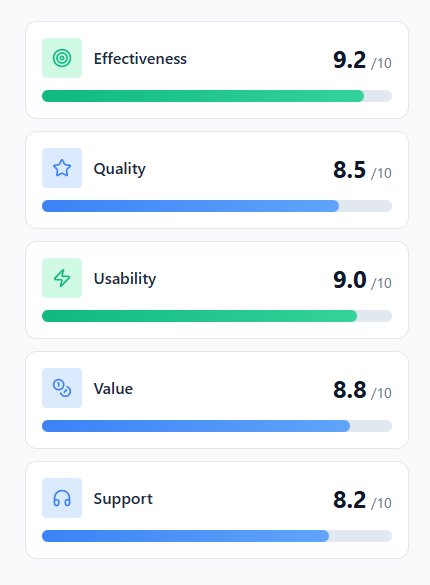
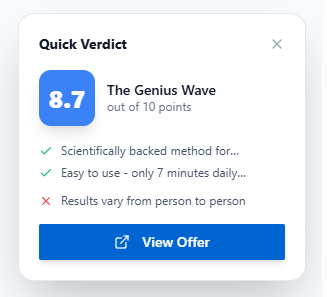
YES, for most affiliate marketers. Dedicated affiliate box plugins are highly suitable for content creators and bloggers seeking to professionalize their affiliate marketing efforts and boost conversion rates on WordPress.
- Significantly enhances visual appeal and trust, leading to higher click-through and conversion rates.
- Introduces a dependency on a specific plugin, potentially impacting site performance or requiring ongoing maintenance.
- Ideal for showcasing product comparisons, recommended tools, or special offers within review articles and guides.
What Are Affiliate Boxes and Why Use Them?
Affiliate boxes are visually distinct content blocks designed to highlight affiliate products or services within a WordPress website. They typically feature product images, descriptions, call-to-action buttons, and sometimes ratings or price information. These elements are strategically combined to draw reader attention and encourage clicks on affiliate links, moving beyond simple text links.
The primary goal of implementing affiliate boxes is to improve the user experience while simultaneously increasing affiliate revenue. By presenting information in an organized and attractive format, these boxes help readers quickly grasp key product details and make informed decisions, reducing friction in the conversion funnel. They are particularly effective in review posts or comparison articles where multiple products are discussed.
- Enhanced Visual Appeal: Boxes break up text, making content more engaging and easier to scan.
- Increased Click-Through Rates: Clear calls-to-action and prominent placement naturally attract more clicks.
- Improved User Trust: Professional presentation signals credibility and authority to your audience.
- Better Information Delivery: Key product features and benefits are summarized effectively.
Advantages of Using Affiliate Boxes
- Boosts conversion rates by making affiliate offers more prominent and appealing.
- Streamlines content creation and management for affiliate links across many posts.
- Enhances site aesthetics and user experience with professional, organized product displays.
Limitations of Affiliate Box Plugins
- Can introduce site bloat or slow down page loading if not optimized or poorly coded.
- Requires a learning curve to master plugin features and design options effectively.
- Premium plugins often come with recurring costs, adding to operational expenses.
Choosing the Right Affiliate Box Plugin for WordPress
Selecting the appropriate affiliate box plugin is a critical decision that impacts both your website’s performance and your affiliate marketing success. A robust plugin should offer a balance of customization, ease of use, and performance optimization. It is important to evaluate features like pre-designed templates, responsive design capabilities, and integration with popular page builders.
Consider the specific needs of your affiliate strategy. If you frequently create comparison tables, look for a plugin with advanced table-building features. For those focused on single product reviews, a plugin with strong individual product box options might be more suitable. Always prioritize plugins with active development and reliable customer support to ensure long-term compatibility and assistance.
- Feature Set: Look for comparison tables, customizable templates, and shortcode support.
- Performance Impact: Choose lightweight plugins that minimize impact on page load speed.
- User Interface: An intuitive drag-and-drop builder or clear settings panel is beneficial.
- Developer Support: Active updates and responsive customer service are crucial for longevity.
- Pricing Model: Evaluate one-time purchases versus subscription-based options based on budget.
Insider tip
Before committing to a premium plugin, always check recent user reviews and support forums. This provides real-world insights into common issues, developer responsiveness, and overall user satisfaction, helping you avoid potential frustrations down the line.
Step-by-Step: Installing Your First Affiliate Box Plugin
Installing an affiliate box plugin on your WordPress site follows a standard procedure, but attention to detail ensures a smooth setup. Begin by downloading the plugin file, either from the WordPress plugin directory or directly from the developer’s website if it’s a premium option. Always ensure you have a recent backup of your website before proceeding with any new plugin installation to safeguard against unforeseen issues.
Once the plugin is installed and activated, the next step involves navigating to its settings panel within your WordPress dashboard. This is where you will typically find options to configure global settings, integrate API keys for specific affiliate networks if supported, and begin designing your first affiliate box. Familiarize yourself with the available templates and customization options to expedite your content creation process.
- Download Plugin: Obtain the plugin file from a trusted source.
- Upload and Install: Go to ‘Plugins’ > ‘Add New’ > ‘Upload Plugin’ in WordPress.
- Activate Plugin: Click ‘Activate’ after installation is complete.
- Configure Settings: Access the plugin’s dashboard menu to set up initial preferences.
- Create First Box: Utilize the plugin’s interface to design and save your initial affiliate box.
Myth
Installing new WordPress plugins is inherently risky and will always break your site.
Reality
While poorly coded or incompatible plugins can cause issues, most reputable plugins are rigorously tested. Performing a site backup before installation and choosing well-maintained plugins significantly mitigates risks, making installation a routine and safe process.
Designing Effective Affiliate Boxes for High Conversions
The design of your affiliate boxes plays a pivotal role in their effectiveness. A well-designed box is not only visually appealing but also strategically structured to guide the reader towards a desired action. Key elements include a clear product image, a concise and compelling headline, a brief summary of benefits, and a prominent call-to-action (CTA) button. The CTA text itself should be action-oriented and create a sense of urgency or clear benefit.
Color psychology and typography also contribute significantly to conversion rates. Use contrasting colors for your CTA buttons to make them stand out, and ensure that all text is easily readable across various devices. Mobile responsiveness is non-negotiable; your boxes must look and function flawlessly on smartphones and tablets. Regularly test different design variations to identify what resonates best with your specific audience.
- Clear Product Image: High-quality, relevant images capture attention instantly.
- Compelling Headline: Summarize the core benefit or product name effectively.
- Benefit-Oriented Description: Highlight what the product does for the user, not just its features.
- Strong Call-to-Action: Use action verbs like ‘Buy Now’, ‘Learn More’, or ‘Get Deal’.
- Social Proof: Include ratings or testimonials if available to build trust.
Conversion Rate Impact of Visual Elements
Studies commonly observe that well-designed visual elements, such as product boxes with clear calls-to-action, can increase affiliate link click-through rates by 20% to 50% compared to plain text links, based on typical usage patterns and A/B testing results.
Integrating Affiliate Boxes into Your WordPress Content
Strategic placement of affiliate boxes within your content is just as important as their design. The goal is to position them where they naturally enhance the reader’s journey without being overly intrusive. Common effective placements include directly below an introductory paragraph, within a comparison section, or at the conclusion of a product review where the reader is ready to make a decision. Avoid placing too many boxes in close proximity, as this can overwhelm readers and dilute their impact.
Consider the flow of your article and where a reader might naturally pause or seek a recommendation. For long-form content, repeating a relevant affiliate box at different logical breaks can be effective. Many plugins utilize shortcodes, making it simple to insert your pre-designed boxes into any post or page. Experiment with different placements and monitor their performance to refine your strategy over time.
- Above the Fold: Place a box early in content for immediate visibility, especially for high-intent keywords.
- Within Comparisons: Integrate boxes directly into comparison tables for easy product selection.
- End of Review: Position a box as a final recommendation after a detailed analysis.
- Contextual Placement: Insert boxes where they directly relate to the surrounding text.
- Sidebar Widgets: Use for evergreen recommendations or popular products across multiple pages.
Insider tip
Don’t just set and forget your affiliate box placements. Regularly review your content analytics to identify pages with high traffic but low conversions. Experiment with moving or redesigning boxes on these pages to see if a different placement or visual approach improves performance.
Tracking Performance and Optimizing Your Affiliate Boxes
Effective affiliate marketing relies heavily on data-driven decisions. Once your affiliate boxes are live, it’s crucial to track their performance to understand what works and what doesn’t. Utilize tools like Google Analytics to monitor click-through rates (CTR) on your affiliate links, conversion rates, and the revenue generated from each box. Many affiliate box plugins also offer built-in tracking features or integrate with analytics platforms, simplifying this process.
Optimization is an ongoing process that involves A/B testing different elements of your affiliate boxes. Experiment with variations in CTA button text, colors, product descriptions, images, and even the overall layout. Small changes can lead to significant improvements in performance. Pay attention to user behavior metrics, such as time on page and bounce rate, to ensure your boxes are enhancing the user experience rather than detracting from it.
- Monitor Click-Through Rates: Track how often users click on your affiliate links within boxes.
- Analyze Conversion Data: Connect with your affiliate network’s data to see actual sales generated.
- A/B Test Elements: Experiment with different headlines, images, and CTA buttons.
- Review Heatmaps: Use tools to see where users are looking and clicking on your pages.
- Check Mobile Performance: Ensure boxes display correctly and are easy to interact with on all devices.
Common Challenges with Affiliate Boxes and How to Solve Them
While affiliate boxes offer significant advantages, users can encounter several common challenges that may hinder their effectiveness or impact site performance. One frequent issue is a noticeable slowdown in page loading speed, often caused by poorly optimized plugin code or excessive use of complex box designs. Another challenge involves maintaining accurate product information and ensuring all affiliate links remain active and correct, especially with dynamic product catalogs.
Addressing these issues requires a proactive approach. For performance concerns, always choose lightweight plugins, optimize images within your boxes, and consider implementing caching solutions. To combat outdated information and broken links, establish a regular review schedule for your affiliate content. Many advanced plugins offer features for automatic product data updates or link validation, which can significantly reduce manual effort and prevent lost commissions.
- Page Speed Degradation: Optimize images, use caching, and select lightweight plugins.
- Broken Affiliate Links: Regularly audit links; use link checker tools or plugin features.
- Outdated Product Information: Manually update or use plugins with API integrations for dynamic data.
- Mobile Responsiveness Issues: Ensure your chosen plugin is fully responsive and test on various devices.
- Plugin Conflicts: Deactivate plugins one by one to identify and resolve conflicts.
Case Study: Revitalizing Stagnant Affiliate Revenue
The trap A tech review site found its affiliate revenue plateauing despite consistent traffic. Their product recommendations were buried in text, and generic affiliate links had low click-through rates, leading to missed conversion opportunities.
The win By implementing a dedicated affiliate box plugin and redesigning their top 20 review articles with visually engaging product boxes, the site saw an immediate 35% increase in affiliate link clicks and a subsequent 15% rise in overall affiliate commissions within three months. The clear calls-to-action and organized product details made it easier for readers to make purchase decisions.
Advanced Features: Comparison Tables and Dynamic Content
Beyond basic product displays, modern affiliate box plugins offer advanced functionalities that can further elevate your marketing efforts. Comparison tables are particularly powerful for review sites, allowing you to present multiple products side-by-side with key features, ratings, and direct purchase links. This format helps readers quickly compare options and make informed choices, significantly improving the user experience for high-value purchases.
Dynamic content features allow your affiliate boxes to automatically update product information, pricing, or availability directly from affiliate networks via APIs. This capability eliminates the need for manual updates, ensuring your content is always current and accurate, which is crucial for maintaining reader trust and avoiding lost commissions due to outdated offers. Look for plugins that support shortcodes, enabling flexible placement and reuse of your custom boxes across your site.
- Comparison Tables: Create detailed side-by-side product comparisons with customizable criteria.
- Dynamic Data Integration: Automatically pull product information, pricing, and availability from APIs.
- Conditional Display: Show different boxes based on user location, device, or other parameters.
- A/B Testing Capabilities: Built-in tools to test various box designs and placements for optimal performance.
- Custom CSS/HTML: Advanced customization options for unique branding and design requirements.
Ensuring Disclosure and Compliance with Affiliate Boxes
Maintaining transparency and adhering to legal requirements is paramount in affiliate marketing. When using affiliate boxes, it is crucial to clearly disclose that your content contains affiliate links. This is not only a best practice for building trust with your audience but also a legal obligation in many regions, notably under the Federal Trade Commission (FTC) guidelines in the United States. Failure to disclose can result in penalties and damage your reputation.
Your disclosure should be prominent, unambiguous, and easy for readers to understand. Placing a clear disclaimer near your affiliate boxes or at the top of any page containing them is highly recommended. Many affiliate box plugins offer features to automatically add disclosure text to your boxes or pages, simplifying compliance. Always consult legal counsel to ensure your specific disclosure practices meet all relevant regulations for your target audience.
- Prominent Disclosure: Place a clear disclaimer at the top of pages with affiliate boxes.
- Unambiguous Language: Use phrases like ‘Affiliate Disclosure’ or ‘Contains affiliate links’.
- FTC Compliance: Adhere to guidelines requiring clear and conspicuous disclosure.
- Plugin Features: Utilize built-in disclosure options offered by your affiliate box plugin.
- Regular Review: Periodically check your disclosure practices against current regulations.
Alternatives to Dedicated Affiliate Box Plugins
While dedicated affiliate box plugins offer convenience and advanced features, they are not the only solution for displaying affiliate products on WordPress. For users with basic needs or those who prefer a more hands-on approach, several alternatives exist. Manually coding affiliate boxes using HTML and CSS provides complete control over design and functionality, though it requires technical expertise and is more time-consuming to implement and maintain.
Page builder plugins like Elementor or Beaver Builder often include robust design elements that can be repurposed to create custom affiliate boxes. These tools offer drag-and-drop interfaces, making it easier to design visually appealing layouts without extensive coding knowledge. However, they may lack the specific affiliate-focused features, such as dynamic data integration or comparison table builders, found in specialized plugins. Choosing an alternative depends on your technical skill, budget, and the complexity of your affiliate marketing strategy.
- Manual HTML/CSS: Offers maximum customization but requires coding skills and more effort.
- WordPress Block Editor (Gutenberg): Use built-in blocks or custom blocks to create simple product displays.
- Page Builder Plugins: Utilize design elements from Elementor, Beaver Builder, or Divi to build custom boxes.
- Custom Post Types: Create a custom post type for products and display them with custom templates.
- Shortcode Generators: Use generic shortcode plugins to create reusable content blocks for affiliate links.
Affiliate Box Implementation Checklist
- Select and purchase a premium affiliate box plugin that aligns with your feature needs by the end of this week.
- Install and activate your chosen plugin on your WordPress site within the next 24 hours.
- Design at least three distinct affiliate box templates for different content types (e.g., single product, comparison, deal) by Friday.
- Integrate your first affiliate box into a high-traffic review post within 48 hours and publish the update.
- Implement a clear and prominent affiliate disclosure on all relevant pages before publishing new content.
- Set up analytics tracking for affiliate link clicks and conversions within the next three days.
- Schedule a monthly review of affiliate box performance and content for optimization.
Frequently Asked Questions About Affiliate Boxes
Are affiliate boxes good for SEO?
Affiliate boxes themselves do not directly impact SEO rankings. However, by improving user experience, increasing engagement, and potentially reducing bounce rates, they can indirectly contribute to better SEO performance. Ensure your boxes are lightweight and don’t slow down your site, which is a direct SEO factor.
Do affiliate boxes work on all WordPress themes?
Most reputable affiliate box plugins are designed to be compatible with a wide range of well-coded WordPress themes. However, conflicts can sometimes arise, especially with highly customized or older themes. Always check plugin compatibility information and test thoroughly on a staging site if possible.
Can I use multiple affiliate box plugins at once?
While technically possible, using multiple affiliate box plugins simultaneously is generally not recommended. It can lead to plugin conflicts, increased site bloat, slower loading times, and a more complex management process. It’s usually best to choose one comprehensive plugin that meets most of your needs.
How do I ensure my affiliate boxes are mobile-friendly?
Prioritize plugins that explicitly state they are responsive and mobile-first in their design. After implementation, always test your pages on various mobile devices and screen sizes to confirm that the boxes display correctly, are easy to read, and are clickable without issues.
What’s the difference between an affiliate box and a product table?
An affiliate box typically highlights a single product or a very small group of related products with a strong call-to-action. A product table, often a feature within advanced affiliate box plugins, is designed to compare multiple products side-by-side using various criteria, making it ideal for comprehensive review articles.