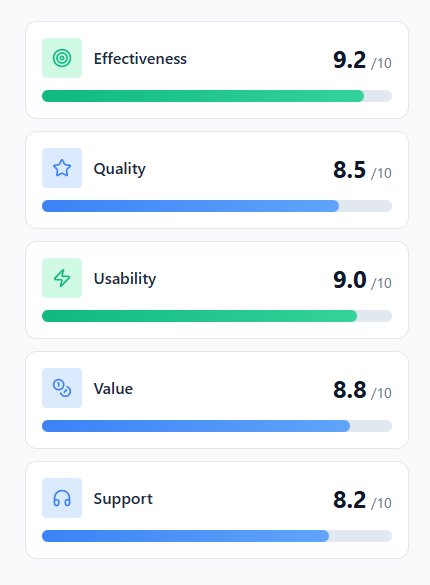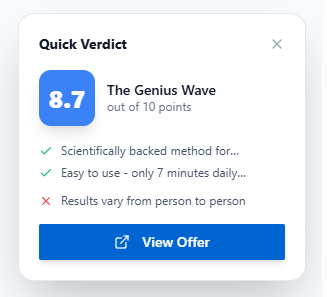


Should You Use an Affiliate Button WordPress Plugin?
Yes, for focused affiliate marketers. These plugins are highly suitable for WordPress users who regularly manage affiliate links and seek to standardize, track, and visually enhance their call-to-action buttons without complex coding.
- Streamlines the creation and consistent management of visually appealing affiliate buttons across your site.
- Can introduce a dependency on the plugin and potential for compatibility issues with other WordPress components.
- Ideal for content creators promoting diverse products from multiple affiliate networks on a WordPress blog.
What are Affiliate Button WordPress Plugins?
Affiliate button WordPress plugins are specialized tools designed to simplify the creation and management of visually engaging call-to-action buttons on your website. Instead of manually coding each button, these plugins provide a user-friendly interface to design, implement, and often track clicks on buttons that lead to affiliate products or services. They are essential for maintaining a professional appearance and improving user interaction.
These plugins typically integrate seamlessly with the WordPress editor, allowing users to insert pre-designed or custom-styled buttons with shortcodes or block editor elements. Their primary goal is to make affiliate links more prominent and clickable, thereby directly influencing potential conversion rates for your affiliate offers. This automation saves significant time and ensures brand consistency across all promotional efforts.
- Easy Customization: Adjust colors, fonts, sizes, and hover effects without CSS knowledge.
- Shortcode Integration: Insert buttons anywhere on your site using simple shortcodes.
- Click Tracking: Monitor button performance to understand user engagement.
- Nofollow/Sponsored Attributes: Automatically add necessary SEO attributes to links.
- Centralized Management: Update button styles or links from a single dashboard.
Strengths of Using Affiliate Button Plugins
- Ensures consistent branding and visual appeal across all affiliate promotions, enhancing professionalism.
- Significantly reduces the time and effort required to create and manage numerous affiliate call-to-action buttons.
- Offers built-in tracking capabilities to monitor button clicks and optimize performance effectively.
Limitations of Affiliate Button Plugins
- Introduces another plugin dependency, potentially increasing site load times or creating compatibility conflicts.
- May offer limited design flexibility compared to custom CSS solutions, restricting unique branding elements.
- Requires regular updates and maintenance to ensure security and continued functionality with WordPress core.
How Do Affiliate Button Plugins Enhance Conversions?
Affiliate button plugins play a crucial role in enhancing conversions by making affiliate links more noticeable and trustworthy. A well-designed button stands out from surrounding text, drawing the reader’s eye and clearly indicating an action. This visual prominence significantly improves the chances of a click, directly impacting your affiliate earnings and overall user experience.
Beyond aesthetics, these plugins often incorporate features that build trust and reduce friction. Consistent button styling across a site signals professionalism, while clear button text removes ambiguity about what happens after a click. This combination of visual appeal and functional clarity contributes to higher click-through rates and a more positive interaction with your content. They guide users smoothly towards the desired action.
- Visual Prominence: Buttons are more eye-catching than plain text links.
- Brand Consistency: Maintain a uniform look and feel across all calls to action.
- Clear Call to Action: Explicitly tell users what action to take, reducing confusion.
- Mobile Responsiveness: Ensure buttons look and function well on all devices.
- Trust and Authority: Professional buttons can subtly enhance perceived credibility.
Choosing the Right Affiliate Button Plugin: Key Criteria
Selecting the appropriate affiliate button plugin is a critical decision that impacts your site’s performance and your workflow. The market offers various options, each with different features and levels of complexity. Prioritizing ease of use, robust functionality, and strong plugin compatibility with your existing WordPress setup is essential to avoid future headaches and ensure smooth operation.
Consider your specific needs: do you require advanced tracking, intricate design options, or just a simple, reliable solution? Evaluating factors like developer reputation, update frequency, and the quality of customer support can prevent long-term frustration. A plugin that is well-maintained and supported will adapt better to future WordPress updates and security requirements.
- Feature Set: Look for customization options, shortcode support, and tracking capabilities.
- Ease of Use: A user-friendly interface is vital for efficient button creation and management.
- Compatibility: Ensure it works well with your WordPress theme and other essential plugins.
- Performance Impact: Choose lightweight plugins that won’t slow down your website.
- Support and Updates: Active development and responsive support are indicators of reliability.
Insider tip
Before committing to a premium plugin, always check its demo or free version, if available. Test its core features and integration with your theme in a staging environment to identify any potential conflicts or limitations early on.
Step-by-Step: Installing and Activating Your Plugin
Installing an affiliate button plugin follows the standard WordPress plugin installation process, making it accessible even for beginners. The first step involves navigating to your WordPress dashboard and using the built-in plugin installer. This method ensures that the plugin files are correctly uploaded and placed within your site’s directory structure, ready for activation.
Once the plugin files are installed, the next crucial step is plugin activation. Without activation, the plugin’s features will not be available on your site. After activation, most plugins will add a new menu item to your WordPress dashboard, typically under ‘Settings’ or as a standalone entry, where you can begin configuring your buttons and accessing its specific functionalities. Always ensure you have a recent backup of your site before installing new plugins.
- Access Dashboard: Log in to your WordPress admin area.
- Navigate to Plugins: Go to ‘Plugins’ > ‘Add New’.
- Search for Plugin: Use the search bar to find your desired affiliate button plugin.
- Install Now: Click the ‘Install Now’ button for the chosen plugin.
- Activate Plugin: After installation, click ‘Activate’ to enable its features.
Configuring Affiliate Buttons for Optimal Performance
Effective configuration of your affiliate buttons goes beyond basic aesthetics; it involves strategic choices that impact user engagement and brand perception. Customizing elements like colors, fonts, sizes, and hover effects should align with your site’s overall design and visual consistency. This ensures that buttons look like a natural part of your content, rather than intrusive advertisements, fostering a better user experience.
Beyond visual appeal, consider the button text and its placement. Clear, concise calls to action such as ‘Shop Now’ or ‘Learn More’ are more effective than generic phrases. Experiment with different button styles and positions to see what resonates best with your audience. Adhering to your established branding guidelines across all buttons reinforces your site’s professional image and builds trust with visitors.
- Color Scheme: Match button colors to your brand palette or use contrasting colors for emphasis.
- Font and Size: Select readable fonts and appropriate sizes for clear visibility.
- Button Text: Use action-oriented and benefit-driven language.
- Hover Effects: Add subtle animations to indicate interactivity.
- Border and Shadow: Apply styles to make buttons pop without being distracting.
Conversion Rate Impact of Button Design
Studies commonly observe that optimizing button color, text, and placement can lead to a 10-30% increase in click-through rates for calls-to-action, based on typical e-commerce and affiliate marketing benchmarks.
Integrating Buttons with Affiliate Links and Tracking
The core function of an affiliate button plugin is to seamlessly integrate your affiliate links into attractive buttons. This process typically involves pasting your unique affiliate URL directly into the plugin’s button settings. Many plugins also offer options to automatically add `rel=’nofollow’` or `rel=’sponsored’` attributes, which are crucial for SEO compliance and transparent affiliate marketing practices, ensuring proper affiliate link management.
Beyond simple link insertion, advanced plugins provide features for link cloaking, which can make long, complex affiliate URLs appear cleaner and more trustworthy. Furthermore, integrating with basic click tracking or more sophisticated analytics tools allows you to monitor how many times your buttons are clicked. This data is invaluable for understanding which buttons and placements are most effective, guiding your optimization efforts.
- Paste Affiliate URL: Insert your unique tracking link into the button’s destination field.
- Add Nofollow/Sponsored: Ensure proper SEO attributes are applied to comply with search engine guidelines.
- Link Cloaking: Use the plugin’s feature to create cleaner, branded affiliate URLs.
- Open in New Tab: Configure buttons to open links in a new browser tab to keep visitors on your site.
- Tracking Integration: Connect with Google Analytics or the plugin’s internal tracking for performance insights.
Myth
Affiliate buttons are just for looks; they don’t significantly impact SEO or link authority.
Reality
While buttons primarily enhance user experience and conversions, correctly applying `rel=’nofollow’` or `rel=’sponsored’` attributes to affiliate links within buttons is crucial for SEO compliance. Failing to do so can negatively impact your site’s link profile and potentially lead to penalties from search engines, making them more than just a visual element.
Common Mistakes When Using Affiliate Buttons
Even with the convenience of plugins, several common mistakes can undermine the effectiveness of your affiliate buttons. One frequent error is the overuse of buttons, leading to visual clutter and diluting the impact of each call to action. Strategic placement and a clear purpose for each button are far more effective than simply adding many buttons, which can overwhelm visitors and reduce user trust.
Another critical mistake is neglecting to test button functionality or forgetting to add essential attributes like `nofollow`. Broken links or non-compliant links can harm your site’s reputation and negatively affect your SEO implications. Regularly auditing your buttons ensures they are always working correctly and adhering to best practices, preventing lost commissions and maintaining search engine standing.
- Overuse of Buttons: Too many buttons can create visual noise and decision paralysis.
- Poor Placement: Placing buttons where they are not naturally seen or expected reduces clicks.
- Broken Links: Failing to check if affiliate links are still active and correctly configured.
- Missing Nofollow/Sponsored: Neglecting to add required attributes can lead to SEO issues.
- Inconsistent Styling: Buttons that don’t match your brand can appear unprofessional.
Advanced Customization: CSS and Shortcodes
While affiliate button plugins offer extensive customization through their interfaces, there are times when you might need to go beyond the default settings. For those with a basic understanding of web development, leveraging custom stylesheets (CSS) provides unparalleled control over button appearance. This allows for highly specific design adjustments that may not be available through the plugin’s visual editor, ensuring unique branding.
Many plugins also support advanced shortcode parameters or developer hooks, enabling more dynamic and conditional button displays. Understanding how to manipulate these shortcode attributes can unlock powerful functionalities, such as changing button text based on user roles or displaying different buttons on specific pages. This level of customization ensures your buttons are not only visually appealing but also highly functional and contextually relevant.
- Custom CSS: Override default styles for precise control over button aesthetics.
- Shortcode Parameters: Use attributes within shortcodes to dynamically alter button properties.
- Developer Hooks: Utilize WordPress hooks to extend plugin functionality with custom code.
- Conditional Logic: Display different buttons based on page, post type, or user status.
- A/B Testing Variations: Create subtle design variations for testing purposes through code.
Case Study: The Overlooked Button
The trap A niche tech review site used a popular affiliate button plugin but stuck to its default blue button style for all promotions. Despite high-quality content, their click-through rates for affiliate products were stagnant, as the buttons blended into the site’s cool-toned design and lacked urgency.
The win After analyzing user behavior, the site owner used custom CSS to change product buttons to a vibrant orange, added a subtle hover animation, and updated the text to ‘Get the Best Deal’. This small change, combined with strategic placement after key review points, resulted in a 28% increase in affiliate clicks within a month, demonstrating the power of visual contrast and clear calls to action.
Measuring Button Performance and A/B Testing
To truly optimize your affiliate marketing efforts, simply creating attractive buttons is not enough; you must also measure their performance. Tracking key metrics such as clicks, conversions, and bounce rates provides invaluable insights into how users interact with your calls to action. This data helps you understand which button designs, texts, and placements are most effective in driving desired outcomes, informing your conversion optimization strategies.
Implementing A/B testing strategies is a powerful way to systematically improve button performance. By creating two versions of a button (e.g., different colors, texts, or sizes) and showing each to a segment of your audience, you can objectively determine which version performs better. This iterative process of testing, analyzing, and refining ensures that your affiliate buttons are continuously optimized for maximum impact and revenue generation.
- Click-Through Rate (CTR): Monitor how often users click your buttons relative to views.
- Conversion Rate: Track how many button clicks lead to actual sales or sign-ups.
- Bounce Rate: Observe if button clicks lead to users leaving your site immediately.
- Time on Page: Analyze if button presence influences engagement with your content.
- A/B Testing: Compare different button variations to identify the most effective design.
Insider tip
Don’t just test button colors; experiment with the call-to-action text itself. A button saying ‘Discover Deals Now’ might outperform ‘Buy Product Here’ depending on your audience’s stage in the buying journey. Subtle psychological nudges can make a significant difference.
Alternatives to Dedicated Button Plugins
While dedicated affiliate button plugins offer convenience, they are not the only solution for creating calls to action on your WordPress site. For users with minimal affiliate links or those who prefer granular control, manual implementation using HTML and CSS remains a viable option. This approach offers complete design freedom but requires coding knowledge and more time for setup and maintenance.
Another common alternative involves using existing page builder modules or general link management plugins. Many popular page builders like Elementor or Beaver Builder include robust button elements that can be customized and linked to affiliate offers. Similarly, some link cloaking or redirection plugins offer basic button creation features. These alternatives can be suitable if you already use such tools and want to avoid adding another specialized plugin to your WordPress installation.
- Manual HTML/CSS: Write custom code for full design control, suitable for developers.
- WordPress Block Editor: Use the default button block and customize its settings.
- Page Builder Modules: Leverage button elements within builders like Elementor or Divi.
- General Link Management Plugins: Some offer basic button creation alongside link cloaking.
- Theme-Provided Buttons: Many premium themes include built-in button styles.
Affiliate Button Implementation Checklist
- Research and Select Plugin: Review at least three affiliate button plugins and choose one based on features and reviews within 24 hours.
- Install and Activate Plugin: Install your chosen plugin via the WordPress dashboard and activate it immediately.
- Configure Initial Button Style: Set up your primary button color, text, and hover effects to match your brand within 1-2 days.
- Replace Existing Affiliate Links: Systematically update all current text-based affiliate links with your new, styled buttons over the next week.
- Set Up Basic Click Tracking: Ensure the plugin’s tracking is enabled or integrate with Google Analytics immediately after deployment.
- Schedule Monthly Performance Review: Dedicate time each month to review button click-through rates and conversion data for optimization.
Are affiliate button plugins necessary for every affiliate marketer?
No, they are not strictly necessary for every affiliate marketer. For those with very few affiliate links or who are comfortable with manual HTML/CSS coding, a dedicated plugin might be overkill. However, for marketers managing numerous links and seeking consistency, tracking, and ease of use, they are highly beneficial.
Do these plugins affect site speed?
Like any WordPress plugin, an affiliate button plugin can potentially affect site speed, especially if it’s poorly coded or resource-intensive. However, most reputable plugins are optimized for performance. Choosing a lightweight plugin and regularly monitoring your site’s speed can mitigate any significant impact.
Can I use multiple button styles on my website?
Yes, most affiliate button plugins allow you to create and save multiple button styles. This is useful for different types of calls to action (e.g., ‘Shop Now’ vs. ‘Read Review’) or for promoting different categories of products. You can typically assign unique styles to specific buttons or use shortcode parameters to override defaults.
What about legal disclosures for affiliate buttons?
Affiliate buttons, like any affiliate link, require proper disclosure to comply with regulations (e.g., FTC guidelines). While the plugin itself won’t typically handle the disclosure text, it’s your responsibility to ensure a clear disclosure statement is visible near your buttons or at the top of your content. Some plugins may offer features to add small disclosure text directly below the button.