

Is the Default Affiliate Feature in WordPress Plugins Right for Your Program?
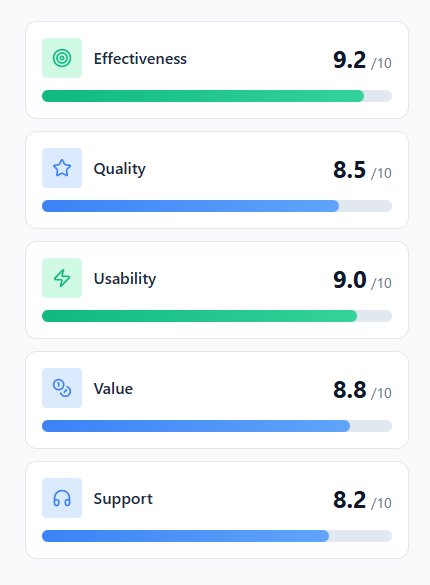
YES, with conditions. This feature is highly suitable for new affiliate programs or small businesses seeking a straightforward, cost-effective entry into affiliate marketing.
- Provides an accessible and often free or low-cost starting point for affiliate programs.
- Limited in advanced customization, reporting, and large-scale affiliate management features.
- Ideal for launching a first affiliate program for a single product or service on a WordPress site.
What is a Default Affiliate in WordPress Plugins?
A default affiliate, within the context of WordPress affiliate management plugins, refers to a pre-assigned or automatically generated affiliate profile. This profile often serves as a fallback or a general placeholder for commissions when a specific affiliate cannot be identified. It simplifies the initial setup process for site administrators by providing a ready-to-use structure.
This mechanism is crucial for ensuring that sales generated through the affiliate program are always attributed, even if a specific referrer link is missing or malformed. It acts as a safety net, preventing lost commission data and providing a baseline for tracking overall program performance. Understanding its function is key to effective program management.
- Fallback Attribution: Ensures sales are tracked even without a specific affiliate ID.
- Simplified Onboarding: Reduces initial configuration complexity for new programs.
- Baseline Tracking: Provides a general channel for sales not tied to individual affiliates.
Setting Up Your First Default Affiliate Program
Configuring a default affiliate program typically involves activating the feature within your chosen WordPress affiliate plugin and defining its core parameters. This includes setting the default commission rate, cookie duration, and any specific terms that apply to this general affiliate. The process is designed to be intuitive, guiding users through essential steps.
The initial setup often requires careful consideration of how this default will interact with individually registered affiliates. It’s important to establish clear rules for when the default affiliate takes precedence or when it’s used as a last resort. Proper configuration prevents conflicts and ensures accurate commission distribution across your program.
- Plugin Activation: Enable the affiliate management plugin on your WordPress site.
- Default Commission Rate: Define the standard percentage or flat fee for sales.
- Cookie Duration: Set how long the tracking cookie remains active for attribution.
- Terms and Conditions: Outline the rules governing default affiliate commissions.
Advantages of Using a Default Affiliate
- Offers an immediate, low-barrier entry into affiliate marketing without complex individual setups.
- Ensures all sales are attributed, preventing loss of valuable conversion data even without a specific referrer.
- Provides a foundational structure that can be easily expanded upon as your affiliate program grows.
Limitations of Default Affiliate Programs
- Lacks personalized engagement and motivation tools for individual affiliate partners.
- Offers limited granular reporting, making it difficult to analyze specific affiliate performance.
- May not scale effectively for programs requiring diverse commission structures or advanced tracking.
Key Benefits of Starting with a Default Affiliate
Beginning your affiliate marketing journey with a default affiliate setup offers several distinct advantages, particularly for those new to the field. It significantly lowers the barrier to entry, allowing you to test the waters without extensive upfront investment in complex systems or individual affiliate recruitment. This approach prioritizes functionality over advanced features.
One of the primary benefits is the ability to quickly launch and gather initial data on how your products or services perform within an affiliate framework. This early insight can inform future decisions, helping you refine your strategy before committing to a more elaborate program. It’s a pragmatic step for validating your market approach.
- Rapid Deployment: Launch an affiliate program in hours, not weeks.
- Cost Efficiency: Often utilizes existing plugin features, minimizing extra software costs.
- Data Collection: Gathers initial sales data to inform future program development.
Insider tip
Before launching, conduct a few test purchases using the default affiliate link to verify tracking and commission calculation. This proactive step can prevent significant data discrepancies later.
Common Pitfalls in Default Affiliate Configuration
Despite its simplicity, configuring a default affiliate program can lead to several common pitfalls if not approached carefully. One frequent mistake is overlooking the interaction between default settings and specific affiliate overrides, potentially leading to incorrect commission payouts. Another common issue is inadequate testing of the tracking mechanism before going live.
Many users also fail to clearly communicate the role of the default affiliate to their potential partners, causing confusion or distrust. It’s vital to establish transparent guidelines for when the default applies versus when individual affiliate links are prioritized. Addressing these areas proactively ensures a smoother operation and better affiliate relations.
- Conflicting Overrides: Default settings clashing with individual affiliate rules.
- Insufficient Testing: Not verifying tracking and commission calculations thoroughly.
- Lack of Transparency: Poor communication about default affiliate attribution.
Myth
A default affiliate program is only for small, insignificant sales channels.
Reality
While often used for initial setups, a default affiliate can effectively manage a significant portion of sales not tied to specific partners, acting as a broad, foundational channel for various marketing efforts like general campaigns or organic reach.
Tracking Performance for Default Affiliates
Effective tracking is paramount for understanding the contribution of your default affiliate program. This involves monitoring key metrics such as conversion rates, average order value, and total revenue generated through this channel. Most WordPress affiliate plugins provide a dashboard where you can access these statistics, offering a clear overview of performance.
Analyzing these metrics helps in assessing the overall effectiveness of your general marketing efforts that might fall under the default attribution. It allows you to identify trends, understand customer behavior, and make informed decisions about resource allocation. Regular review of these reports is essential for continuous improvement.
- Conversion Rate: Percentage of clicks that result in a sale.
- Total Revenue: Overall income generated via the default affiliate.
- Average Order Value (AOV): The average amount spent per transaction.
- Click-Through Rate (CTR): How often the default affiliate link is clicked.
Understanding Default Affiliate Contribution
Based on typical usage, default affiliate channels can account for 5-15% of total affiliate-driven sales, especially in programs with broad marketing campaigns not directly tied to individual partners.
Scaling Your Affiliate Efforts Beyond the Default
While a default affiliate provides an excellent starting point, successful programs often require scaling beyond its basic functionalities. This typically involves transitioning to a system that supports individual affiliate registrations, tiered commission structures, and more sophisticated reporting. The decision to scale usually arises when the program’s growth demands greater customization and control.
Upgrading means exploring advanced features offered by your current plugin or considering a more robust affiliate management solution. This allows for personalized affiliate relationships, targeted campaigns, and detailed performance analysis for each partner. Planning for this transition early can prevent bottlenecks as your program expands.
- Individual Affiliates: Recruit and manage specific partners with unique IDs.
- Tiered Commissions: Implement varied payout rates based on performance or product.
- Advanced Reporting: Gain deeper insights into individual affiliate contributions.
- Custom Creatives: Provide unique banners and links for diverse marketing needs.
Optimizing Attribution for a Growing Program
The trap A small e-commerce store initially relied solely on a default affiliate setup for all non-direct sales, leading to a lack of insight into which specific marketing efforts were most effective. They couldn’t identify top-performing channels or individual promoters.
The win By introducing individual affiliate registrations and gradually migrating general campaigns to specific partner links, the store gained granular data. This allowed them to identify and reward high-performing affiliates, leading to a 20% increase in overall affiliate-driven revenue within six months.
Ensuring Payout Accuracy and Compliance
Maintaining accurate payouts and adhering to compliance standards are critical aspects of managing any affiliate program, including those utilizing a default affiliate. This involves regularly reconciling sales data with commission calculations and ensuring all transactions meet legal and ethical requirements. Transparency in payout processes builds trust with affiliates and prevents disputes.
For default affiliates, compliance often means clearly stating how commissions are earned and attributed, especially in cases where a specific referrer isn’t present. It’s also important to consider tax implications and local regulations regarding affiliate earnings. Implementing a robust review process for payouts is essential.
- Regular Reconciliation: Match sales records with calculated commissions.
- Tax Compliance: Understand and adhere to local tax laws for payouts.
- Clear Terms: Publish transparent terms for default affiliate attribution.
Insider tip
Implement a two-step verification process for all commission payouts, especially for larger sums. This helps catch errors before funds are disbursed, saving time and preventing potential disputes.
Troubleshooting Default Affiliate Link and Tracking Issues
Even with careful setup, default affiliate programs can encounter tracking issues or broken links. Common problems include incorrect URL parameters, caching conflicts, or conflicts with other WordPress plugins. Diagnosing these issues requires a systematic approach, often starting with verifying the plugin’s settings and testing links in various scenarios.
When troubleshooting, check your plugin’s logs for error messages and ensure your WordPress permalinks are correctly configured. Clearing caches, both on your site and in your browser, can often resolve transient tracking problems. If issues persist, consulting the plugin’s documentation or support forums is a wise next step.
- Verify URL Parameters: Ensure affiliate IDs are correctly appended to links.
- Clear Caching: Flush WordPress and browser caches to eliminate old data.
- Check Plugin Logs: Look for error messages related to tracking or attribution.
- Test Incognito: Use a private browser window to rule out cookie conflicts.
Best Practices for Communicating with Default Affiliates
While a ‘default affiliate’ isn’t an individual, effective communication still applies to how you present and manage this aspect of your program. This means clearly outlining in your program’s terms and conditions when and how the default attribution applies. Transparency helps manage expectations for individual affiliates and clarifies the overall program structure.
Consider creating a dedicated FAQ section or a policy document that explains the role of the default affiliate, especially regarding scenarios where specific attribution might fail. This proactive communication can prevent misunderstandings and build a stronger, more trustworthy affiliate ecosystem. Clarity is key to a smooth operation.
- Transparent Terms: Clearly define default attribution in your program’s T&Cs.
- Dedicated FAQ: Address common questions about default affiliate functionality.
- Policy Document: Create a resource explaining attribution hierarchy.
Securing Your Default Affiliate Program from Fraud
Protecting your default affiliate program from fraudulent activities is crucial, even without individual affiliates. Common fraud types include cookie stuffing, self-referrals, or manipulating tracking parameters. Implementing robust security measures helps maintain the integrity of your data and prevents unwarranted commission payouts.
Many affiliate plugins offer built-in fraud detection features, such as IP address tracking, velocity checks, and referrer validation. Regularly reviewing your sales logs for suspicious patterns, like an unusually high number of conversions from a single IP or rapid, consecutive sales, can help identify potential fraud. Proactive monitoring is your best defense.
- IP Tracking: Monitor for multiple conversions from the same IP address.
- Referrer Validation: Ensure traffic sources are legitimate and not spoofed.
- Velocity Checks: Identify unusually high conversion rates in short periods.
- Manual Review: Periodically audit sales for suspicious activity.
Future-Proofing Your WordPress Affiliate Strategy
To ensure your WordPress affiliate strategy remains effective long-term, it’s essential to think beyond the initial default setup. This involves regularly reviewing your plugin’s capabilities, staying informed about industry trends, and being prepared to adapt your program as your business grows. A flexible strategy allows for continuous evolution and optimization.
Consider how new technologies, such as AI-driven analytics or enhanced tracking methods, might integrate with your existing setup. Regularly evaluate whether your current plugin still meets your needs or if an upgrade or migration to a more comprehensive solution is warranted. Proactive planning ensures your affiliate program can scale and remain competitive.
- Plugin Updates: Keep your affiliate plugin updated for new features and security.
- Industry Trends: Stay informed about changes in affiliate marketing best practices.
- Scalability Assessment: Periodically evaluate if your current setup supports growth.
- Data Backup: Regularly back up your affiliate data for migration readiness.
Actionable Default Affiliate Checklist
- Activate your chosen WordPress affiliate plugin and configure default settings within 24 hours.
- Set a clear default commission rate and cookie duration, then save these irreversible settings immediately.
- Conduct at least three test purchases using the default affiliate link to confirm tracking accuracy by end of week.
- Draft and publish transparent terms and conditions for default affiliate attribution within two weeks.
- Schedule a monthly review of default affiliate performance metrics to identify trends and potential issues.
- Research advanced affiliate plugin features or alternative solutions for future scaling within three months.
What is the primary purpose of a default affiliate in a WordPress plugin?
The primary purpose is to ensure that all sales generated through your affiliate program are attributed, even if a specific affiliate ID is not present or is malformed. It acts as a fallback for commission tracking.
Can I customize the commission rate for the default affiliate?
Yes, most WordPress affiliate management plugins allow you to set a specific commission rate (percentage or flat fee) for the default affiliate, just as you would for individual affiliates.
Does using a default affiliate prevent me from adding individual affiliates later?
No, using a default affiliate does not prevent you from adding individual affiliates. It typically works in conjunction with individual affiliate profiles, serving as a general attribution method when specific ones are not available.
How do I know if the default affiliate tracking is working correctly?
You can verify tracking by performing test purchases using the default affiliate link and then checking your plugin’s sales and commission reports to confirm that the transactions are correctly attributed.
Is a default affiliate program suitable for large-scale affiliate operations?
While it can serve as a starting point, a default affiliate program typically lacks the advanced features, granular reporting, and customization options required for managing large-scale operations with many individual affiliates and diverse commission structures.