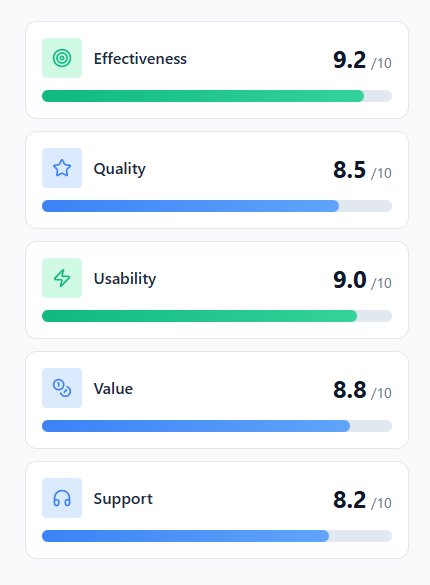


Strategic Control vs. Automated Convenience: A Verdict
It depends on your affiliate marketing goals and technical comfort. While automated solutions offer quick setup, manual control or a sophisticated hybrid approach is generally superior for long-term SEO performance and conversion optimization.
- Strongest Advantage: Granular control over anchor text, link placement, and user experience directly boosts SEO and conversion rates.
- Biggest Limitation: Requires more time, strategic planning, and a deeper understanding of SEO principles and content integration.
- Concrete Use Case: Ideal for serious affiliate marketers building high-authority niche sites focused on sustainable organic traffic and maximizing earnings per click.
Auto Amazon Links vs. Manual Control: A Strategic Comparison
| Criterion | Auto Amazon Links (Automated Plugin) | Manual Control (Strategic Implementation) |
|---|---|---|
| Primary Use Case | Quick, hands-off monetization for large content volumes or beginner sites. | Optimized SEO, superior user experience, and maximum conversion rates for targeted content. |
| Key Strengths | Ease of setup, automatic link generation, product updates, geo-targeting. | Full control over anchor text, placement, context, product selection, and visual presentation. |
| Significant Limitations | Limited SEO control, generic anchor text, potential for irrelevant links, less engaging user experience. | Time-consuming, requires ongoing maintenance, higher learning curve for SEO best practices. |
Why Automated Amazon Links Fall Short on SEO
Automated Amazon affiliate link plugins, while convenient, often present significant drawbacks when it comes to search engine optimization. These tools typically generate links based on keywords or product IDs, leading to a lack of contextual relevance and generic anchor text that search engines may not interpret favorably. This can result in missed opportunities for ranking higher for specific product-related queries and ultimately limit organic traffic potential.
The core issue lies in the inability of automation to understand nuanced content context or user intent. A plugin cannot strategically place a link within a sentence that naturally flows and provides value, nor can it choose the most compelling call-to-action. This lack of intelligent integration means that while links are present, their SEO value is often diluted, making it harder for pages to compete in competitive affiliate niches.
Affiliate Link Automation: The process of using software or plugins to automatically generate, insert, and update affiliate links across a website, often based on predefined rules, keywords, or product feeds, with minimal manual intervention.
Pros of Manual Control
- Enhanced SEO Precision: Allows for exact match anchor text and strategic link placement, improving relevance and ranking signals.
- Superior User Experience: Integrates links naturally into content, guiding users effectively without disrupting readability.
- Higher Conversion Rates: Enables tailored calls-to-action and product recommendations that resonate deeply with reader intent.
Cons of Manual Control
- Time-Consuming Setup: Requires significant upfront effort to research, select, and insert each link individually.
- Ongoing Maintenance Burden: Product availability and pricing changes necessitate regular manual checks and updates.
- Steeper Learning Curve: Demands a solid understanding of SEO, content strategy, and conversion optimization principles.
The Granular Control Advantage of Manual Link Building
Manual link building provides affiliate marketers with an unparalleled level of granular control over every aspect of their Amazon links. This includes the precise selection of products, the crafting of highly relevant anchor text, and the strategic placement of links within the content. Such meticulous attention to detail allows for the creation of a seamless user journey, where links feel like natural extensions of the content rather than intrusive advertisements.
This level of control extends to choosing specific product variations, ensuring that the linked item perfectly matches the user’s needs as discussed in the content. Furthermore, manual control enables the integration of unique selling propositions directly into the link’s context, making the call-to-action far more compelling. This strategic approach is fundamental for maximizing both search engine visibility and conversion potential, distinguishing high-performing affiliate sites from their automated counterparts.
- Anchor Text Customization: Tailor text to specific keywords for improved SEO.
- Contextual Relevance: Embed links only where they add genuine value to the reader.
- Product Specificity: Link to exact product models or configurations discussed.
How Manual Link Placement Impacts User Experience and Conversions
The strategic placement of affiliate links is a critical factor in enhancing the user experience, which in turn directly influences conversion rates. When links are manually integrated into the natural flow of the content, they appear less intrusive and more helpful, guiding the reader towards relevant products at opportune moments. This thoughtful placement ensures that users perceive the links as valuable resources rather than mere monetization attempts, fostering trust and encouraging clicks.
Poorly placed or overly abundant automated links can disrupt readability and frustrate visitors, leading to higher bounce rates and reduced engagement. Conversely, manual placement allows for the creation of clear, compelling calls-to-action that are contextually appropriate and visually appealing. This deliberate approach not only improves the overall site experience but also significantly increases the likelihood of a user clicking through and making a purchase, directly impacting affiliate earnings.
Insider Tip
Always place your primary conversion links within the first two paragraphs and again near the conclusion of a review or comparison article. These are prime visibility zones where user intent is often highest.
- Natural Integration: Links blend seamlessly with surrounding text.
- Reduced Friction: Users encounter links when they are most receptive to product suggestions.
- Clear Calls-to-Action: Specific phrases encourage clicks effectively.
Optimizing Anchor Text for Higher Amazon Affiliate Rankings
Anchor text is one of the most powerful, yet often overlooked, SEO signals for affiliate links. Automated plugins typically generate generic anchor text, such as ‘check price’ or ‘buy now,’ which offers minimal SEO value. Manual control, however, allows for the strategic use of descriptive and keyword-rich anchor text that accurately reflects the linked product and its benefits. This practice signals to search engines the relevance of the linked page, helping your content rank for specific product-related queries.
By carefully crafting anchor text, affiliate marketers can improve their internal linking structure and external link profile, both of which are crucial for SEO. For instance, instead of a generic ‘click here,’ using ‘best noise-cancelling headphones for travel’ as anchor text provides context to both users and search engines. This precision not only enhances the user’s understanding of what to expect but also contributes significantly to the page’s overall authority and ranking potential within competitive niches.
- Keyword-Rich Anchors: Use specific product names and features.
- Contextual Relevance: Ensure anchor text matches surrounding content.
- Variety in Anchors: Avoid over-optimization by using a mix of exact, partial, and branded terms.
Leveraging Product Images and Call-to-Actions Manually
Beyond just text links, manual control extends to the strategic integration of product images and custom call-to-actions (CTAs), which are vital for capturing user attention and driving conversions. Automated solutions often provide basic image embedding, but they rarely allow for the nuanced control needed to select the most compelling product angles, add custom overlays, or design unique CTA buttons that align with your brand and content tone. Manually choosing and optimizing these visual elements can dramatically improve click-through rates.
Creating custom CTAs, whether as buttons or linked phrases, allows you to speak directly to your audience’s needs and desires, using language that resonates more deeply than generic prompts. Pairing these with high-quality, relevant product images that showcase key features or benefits further enhances their effectiveness. This level of visual and textual synergy is almost impossible to achieve with standard automated plugins, giving manual implementers a distinct advantage in conversion optimization.
Critical Warning: Outdated Product Information
Never rely solely on automated feeds for critical product details. Outdated pricing, incorrect specifications, or unavailable products due to unverified automation can severely damage user trust and lead to lost commissions. Always cross-reference with Amazon directly.
- Optimized Product Imagery: Select engaging images that highlight product benefits.
- Custom CTA Buttons: Design unique buttons that stand out and encourage action.
- Image Alt Text: Manually add descriptive alt text for accessibility and SEO.
The Role of Link Freshness and Product Availability in SEO
Maintaining link freshness and ensuring product availability are crucial, yet often overlooked, aspects of affiliate SEO that manual control addresses more effectively. Automated plugins can struggle to keep up with Amazon’s rapidly changing inventory and pricing, leading to broken links or pages featuring out-of-stock items. Such issues not only frustrate users but can also negatively impact your site’s SEO, as search engines may penalize sites with a high number of broken or irrelevant outgoing links.
Manual monitoring, though more labor-intensive, allows affiliate marketers to proactively update links, replace discontinued products with suitable alternatives, and ensure all linked items are currently available and accurately priced. This diligence maintains a high-quality user experience and signals to search engines that your content is current and reliable. A site consistently offering fresh, relevant product links is more likely to be favored in search rankings, reinforcing its authority and trustworthiness.
The Cost of Link Rot
Studies suggest that approximately 5-10% of external links on a typical website can become ‘rotten’ (broken or irrelevant) each year. For affiliate sites, this rate can be higher due to dynamic product catalogs, directly impacting commissions and SEO.
- Proactive Updates: Regularly check and refresh product links.
- Discontinued Item Management: Replace or remove links to unavailable products.
- Price Accuracy: Ensure displayed prices, if mentioned, align with Amazon’s current listings.
Beyond Auto-Generated: Crafting Contextual Affiliate Content
The true power of manual control in affiliate marketing lies in its ability to facilitate the creation of deeply contextual and genuinely helpful content. Automated link generation often leads to a generic approach where links are simply sprinkled throughout text, lacking true integration. In contrast, manual implementation encourages a content-first strategy, where product recommendations are woven into narratives, comparisons, and solutions that directly address reader needs and pain points.
This contextual approach means that every link serves a purpose, guiding the reader towards a solution that has been thoughtfully presented and justified within the article. Such content not only performs better in search engines due to its relevance and depth but also builds stronger trust with the audience, leading to higher conversion rates. Moving beyond auto-generated links allows affiliate marketers to become trusted advisors rather than just product promoters, a key differentiator in today’s competitive landscape.
- Problem-Solution Framing: Position products as solutions to user problems.
- In-Depth Reviews: Create comprehensive reviews with integrated links.
- Comparison Tables: Manually build tables comparing features with direct links.
When to Consider a Hybrid Approach for Amazon Affiliate Links
While pure manual control offers maximum benefits, it’s not always feasible for every affiliate marketer, especially those managing extensive content libraries. This is where a hybrid approach, combining strategic manual placement with intelligent automation, can offer a balanced solution. A hybrid model allows you to maintain granular control over your most critical, high-value content while leveraging automation for less critical or high-volume pages, striking a balance between efficiency and optimization.
For instance, you might manually optimize all links within your core money pages and top-performing reviews, ensuring perfect anchor text and placement. For older blog posts or informational articles with lower traffic, a smart plugin can handle link updates and geo-targeting. Tools like Affililabs.ai are designed to facilitate such a hybrid strategy, offering advanced features for managing product boxes, comparisons, and ensuring link freshness, while still providing the flexibility for manual overrides and precise control where it matters most. This approach ensures that you benefit from both worlds: the SEO power of manual optimization and the time-saving aspects of automation.
- Core Content Manual: Optimize high-traffic, high-conversion pages by hand.
- Bulk Content Automation: Use plugins for older, less critical posts.
- Smart Plugin Integration: Employ tools that offer both automation and manual override capabilities.
Measuring Performance: Why Manual Tracking Provides Deeper Insights
Effective affiliate marketing hinges on understanding what works and what doesn’t, and manual tracking provides significantly deeper insights than relying solely on automated plugin reports. While automated tools offer basic click data, they often lack the granularity to connect specific link placements, anchor text choices, or content variations directly to conversion performance. Manual tracking, combined with robust analytics, allows for a more precise analysis of user behavior and link effectiveness.
By manually tagging links (e.g., using UTM parameters) or meticulously documenting placement strategies, affiliate marketers can gain a clearer picture of which specific links are driving the most clicks and sales. This data empowers informed decisions, enabling continuous optimization of content and link strategies. Without this detailed insight, marketers are left guessing, unable to replicate successes or identify areas for improvement, ultimately hindering their growth potential.
“What gets measured gets managed. If you’re not tracking your affiliate links with precision, you’re essentially flying blind in a competitive market.”
— Neil Patel, Digital Marketing Expert
- Granular Data Analysis: Track individual link performance, not just overall clicks.
- A/B Testing Opportunities: Test different anchor texts or CTA placements systematically.
- Informed Optimization: Use data to refine content and link strategies for better results.
Avoiding Common Pitfalls of Over-Automation in Affiliate Marketing
Over-reliance on automation in affiliate marketing can lead to several common pitfalls that undermine long-term success. One significant issue is the creation of a ‘thin content’ problem, where pages are filled with auto-generated product listings and generic text, offering little unique value to the reader or search engines. This can result in lower rankings, reduced organic traffic, and a diminished perception of authority for your website.
Another pitfall is the risk of displaying irrelevant or outdated products, which can severely damage user trust and increase bounce rates. Automated systems, without careful oversight, might link to products that are no longer available, have drastically changed in price, or simply don’t align with the content’s context. By understanding these risks, affiliate marketers can consciously choose a more balanced approach, prioritizing quality and relevance over sheer volume of automated links.
Case Study: The Generic Gadget Site
The Trap: An affiliate site focused on tech gadgets relied entirely on an automated plugin to populate product links and descriptions. Over time, the site’s content became repetitive, lacking unique insights or genuine reviews. Search engine rankings plummeted as Google favored more authoritative, manually curated content.
The Win: The site owner pivoted to a hybrid strategy, manually crafting in-depth reviews for top products and using a smart plugin like Affililabs.ai for maintaining older, less critical product listings. They focused on unique content and strategic link placement. Within six months, organic traffic recovered by 40%, and conversion rates on key pages doubled.
- Content Quality Dilution: Avoid generic, auto-filled product descriptions.
- Irrelevant Product Display: Prevent linking to items that don’t fit the content’s context.
- Trust Erosion: Safeguard against displaying outdated information that frustrates users.
The Future of Affiliate Marketing: Strategic Manual Integration
The landscape of affiliate marketing is continuously evolving, with search engines placing an ever-increasing emphasis on high-quality, user-centric content. In this environment, the future of successful affiliate marketing lies in strategic manual integration, where automation serves as a supportive tool rather than the primary driver. This means focusing on creating exceptional content that genuinely helps users, and then meticulously integrating affiliate links in a way that enhances that experience, rather than detracting from it.
Affiliate marketers who embrace this strategic approach will build more resilient businesses, less susceptible to algorithm changes that penalize low-quality, over-automated content. By investing time in understanding their audience, crafting compelling narratives, and manually optimizing their most valuable links, they can cultivate trust, establish authority, and achieve sustainable long-term growth. The emphasis shifts from simply generating clicks to fostering genuine engagement and value creation.
Insider Tip
Before publishing, always review your article from a user’s perspective. Do the links feel natural? Are they helpful? Would you click them? If the answer is no, refine your manual placement and anchor text.
- User-Centric Content: Prioritize reader value over immediate monetization.
- Algorithm Resilience: Build a site that thrives on quality, not automation loopholes.
- Brand Authority: Establish yourself as a trusted resource, not just a product pusher.
Exploring Advanced Alternatives to Auto Amazon Links
For affiliate marketers seeking more control and advanced features than basic automated plugins, several robust alternatives offer a significant upgrade. These tools often provide a hybrid approach, combining intelligent automation with extensive manual customization options, allowing for a more sophisticated affiliate strategy. They move beyond simple link generation to offer features like customizable product displays, comparison tables, and integrated analytics, all designed to enhance both user experience and conversion rates.
When evaluating alternatives, look for platforms that prioritize SEO control, offer flexible design options for product boxes, and provide reliable link freshness checks. A prime example is Affililabs.ai, which empowers users to create highly optimized product showcases and comparison tables with full control over design, content, and link attributes. Such advanced solutions are crucial for affiliates who are serious about scaling their earnings through superior content and strategic link management, rather than relying on generic, one-size-fits-all automation.
The Rise of Hybrid Affiliate Tools
The affiliate marketing software market has seen a significant shift towards tools offering a blend of automation and manual control. Over the past three years, the adoption of ‘smart’ plugins that allow for extensive customization and performance tracking has grown by an estimated 25%, reflecting the industry’s demand for more sophisticated solutions.
- Customizable Product Displays: Create unique layouts for product recommendations.
- Comparison Table Builders: Easily generate tables with direct Amazon links.
- Integrated Analytics: Track performance directly within the tool for better insights.
Action Checklist for Manual Affiliate Link Optimization
- Audit Existing Content (Within 1 Week): Identify all pages with automated Amazon links and prioritize high-traffic, high-conversion articles for manual overhaul.
- Research Best-Selling Products (Ongoing): Dedicate 2-3 hours weekly to research top-performing products on Amazon relevant to your niche, noting their key features and benefits.
- Craft Keyword-Rich Anchor Text (Per Article): For each new or updated article, write at least 3-5 unique, descriptive anchor texts that incorporate relevant keywords for your affiliate links.
- Design Custom Call-to-Actions (Per Article): Create compelling, context-specific CTAs (buttons or text links) for your primary product recommendations, avoiding generic phrases.
- Implement Product Boxes/Comparison Tables (As Needed): Use a tool like Affililabs.ai to build visually appealing and conversion-focused product showcases or comparison tables for key reviews.
- Monitor Link Freshness (Bi-Weekly): Set up a recurring reminder to check your most important affiliate links for product availability and price accuracy directly on Amazon.
- Analyze Performance Data (Monthly): Review your Amazon Associates reports and website analytics to identify which manually optimized links and content strategies are driving the most revenue.
Common Questions
Is Auto Amazon Links completely ineffective for SEO?
Not entirely. For very large sites with thousands of pages or for beginners prioritizing speed over deep optimization, it can provide basic monetization. However, for competitive niches or sites aiming for high organic rankings and conversion rates, its SEO effectiveness is significantly limited compared to manual or hybrid approaches.
How much extra time does manual control require?
The time investment varies. Initially, it requires more time for research, link placement, and content integration. However, this upfront investment often pays off with higher conversion rates and better SEO performance, reducing the need for constant traffic acquisition efforts. A hybrid approach can balance time investment with optimization gains.
Can I combine automated and manual strategies effectively?
Yes, a hybrid approach is often the most practical and effective strategy. You can manually optimize critical, high-value content and use a smart plugin like Affililabs.ai for managing less critical or high-volume pages, ensuring link freshness and basic monetization without sacrificing overall SEO quality on your core content.