

Choosing Your Affiliate Email Marketing Powerhouse
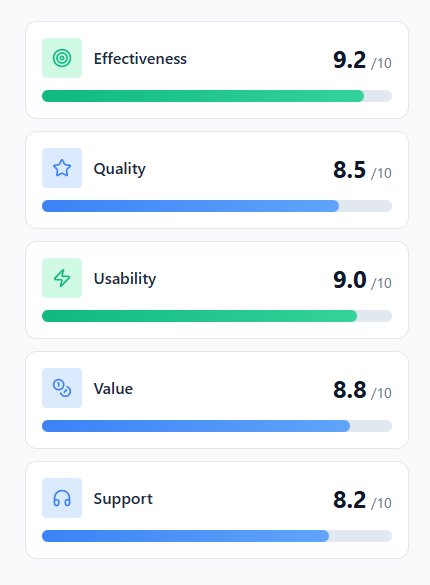
It depends significantly on your specific affiliate marketing strategy and budget. GetResponse generally offers a more comprehensive suite for advanced funnel building, while Aweber provides a robust and user-friendly foundation, particularly for beginners.
- GetResponse’s integrated landing pages and webinar tools offer a strong advantage for direct conversion funnels.
- Aweber’s primary limitation lies in its less sophisticated native landing page builder compared to GetResponse.
- GetResponse is ideal for affiliates who need an all-in-one platform for lead generation, nurturing, and direct sales.
Aweber vs. GetResponse: Affiliate Marketing Showdown
| Key Aspect | Aweber | GetResponse |
|---|---|---|
| Primary Use Case | Email list building, basic automation, reliable broadcast sending for content-focused affiliates. | Full-funnel marketing, advanced automation, landing pages, webinars for direct offer promotion. |
| Strengths | User-friendly interface, strong deliverability reputation, excellent customer support, robust tagging. | Integrated marketing suite, advanced automation, A/B testing, robust landing page builder, webinars. |
| Limitations | Less advanced native landing page creation, fewer integrated tools beyond email, higher cost at scale. | Steeper learning curve for new users, potentially higher entry price for advanced features, complex interface. |
Understanding Affiliate Marketing Email Needs
Affiliate marketing thrives on effective communication, and email remains one of the most powerful channels. The core need for any affiliate marketer is to build a relationship with their audience, deliver value, and strategically present offers. This requires an email platform that not only sends messages but also helps segment audiences, automate sequences, and track engagement effectively.
Many affiliates face the challenge of balancing promotional content with value-driven emails, a crucial aspect for long-term success. Choosing a platform that supports this delicate balance, while also adhering to strict anti-spam policies, is paramount. The wrong choice can lead to poor deliverability, wasted ad spend, and even account suspension, making the initial decision a critical strategic move.
- List Segmentation: Ability to categorize subscribers based on interests, purchase history, or engagement levels.
- Automation Capabilities: Setting up sequences for onboarding, nurturing, and promotional campaigns.
- Deliverability Rates: Ensuring emails consistently reach the inbox, not the spam folder.
- Tracking and Analytics: Monitoring open rates, click-through rates, and conversion metrics.
- Compliance Features: Tools to help adhere to CAN-SPAM, GDPR, and other regulations.
Pros of a Dedicated Email Platform for Affiliates
- Builds a direct, owned audience asset, reducing reliance on social media algorithms.
- Enables highly personalized communication, leading to higher conversion rates.
- Automates follow-ups and nurturing sequences, saving significant time.
Cons and Risks for Affiliate Marketers
- Requires consistent content creation and audience engagement to maintain list health.
- Initial setup and learning curve can be steep for advanced automation.
- Risk of account suspension if affiliate marketing practices violate platform terms of service.
Aweber’s Core Strengths for Affiliates
Aweber has long been a stalwart in the email marketing space, known for its user-friendliness and reliable email delivery. For affiliate marketers, its strength lies in its straightforward approach to list building and email broadcasting. The platform makes it relatively easy to create sign-up forms, manage subscribers, and send out newsletters or automated campaigns. This simplicity can be a significant advantage for those new to email marketing or who prefer a less complex interface.
The platform offers robust tagging and segmentation features, allowing affiliates to organize their subscribers based on various criteria, such as interests or engagement with specific offers. This capability is vital for sending targeted promotions and avoiding generic blasts that can alienate parts of an audience. Aweber’s customer support is also highly regarded, providing quick assistance when technical issues or questions arise, which can be a game-changer for solo affiliates.
- Intuitive Interface: Easy for beginners to navigate and set up campaigns.
- Strong Deliverability: A long-standing reputation for getting emails into inboxes.
- Tagging and Segmentation: Effective tools for organizing and targeting subscribers.
- Excellent Customer Support: Responsive and helpful assistance via phone, email, and chat.
- Pre-built Templates: A variety of email templates to speed up content creation.
Insider tip: Leveraging Aweber’s Tagging
Instead of creating multiple lists for different affiliate niches, use Aweber’s tagging system. Tag subscribers based on the lead magnet they opted in for or the links they clicked. This allows for hyper-targeted follow-up sequences without managing numerous, disconnected lists, streamlining your campaigns significantly.
GetResponse’s Affiliate-Friendly Features
GetResponse positions itself as an all-in-one marketing solution, which can be incredibly appealing to affiliate marketers looking to consolidate their tools. Beyond email marketing, it offers integrated landing page builders, webinar hosting, and CRM functionalities. These features allow affiliates to build entire sales funnels within a single platform, from lead capture to conversion, without relying on multiple third-party integrations for core tasks.
Its advanced automation capabilities are particularly powerful, enabling complex workflows based on subscriber behavior, such as opening specific emails, clicking certain links, or visiting particular pages. This level of behavioral targeting allows for highly personalized and timely affiliate offers, significantly increasing the chances of conversion. The ability to conduct A/B testing on emails and landing pages further empowers affiliates to optimize their campaigns for maximum performance and ROI.
- Integrated Landing Page Builder: Create high-converting pages without external tools.
- Webinar Hosting: Engage audiences live and promote offers directly.
- Advanced Marketing Automation: Design complex workflows based on user actions.
- CRM Functionality: Track customer interactions and manage leads effectively.
- Robust A/B Testing: Optimize emails, landing pages, and automation flows.
Data Insight: Conversion Lift from Integrated Tools
Businesses utilizing integrated marketing platforms, like GetResponse, often report a 15-20% higher conversion rate on average compared to those piecing together disparate tools. This lift is typically attributed to seamless data flow and consistent user experience across the funnel.
Deliverability and Spam Compliance: A Critical Look
For affiliate marketers, email deliverability is not just a metric; it’s the lifeline of their business. If emails consistently land in spam folders, all efforts in list building and content creation are wasted. Both Aweber and GetResponse have strong reputations for deliverability, investing heavily in maintaining good sender scores and adhering to ISP best practices. However, the nature of affiliate marketing, which often involves promotional content, can sometimes trigger spam filters more readily.
It is crucial for affiliates to understand that the platform provides the tools, but the marketer is responsible for content quality and list hygiene. Using double opt-in, segmenting lists, and avoiding overly promotional language in every email are key strategies. Both platforms offer features to help with compliance, such as easy unsubscribe options and clear privacy policies, but the ultimate responsibility for ethical and effective email practices rests with the user.
- Sender Reputation: Both platforms actively manage their IP reputation to ensure high deliverability.
- Spam Trap Avoidance: Internal mechanisms to identify and remove problematic email addresses.
- Authentication Protocols: Support for SPF, DKIM, and DMARC to verify sender identity.
- Unsubscribe Management: Automated handling of unsubscribes to maintain compliance.
- Bounce Management: Automatic removal of invalid email addresses to protect sender score.
Myth: Using an email marketing platform guarantees inbox delivery.
Many believe that simply using a reputable email service provider (ESP) means their emails will always land in the primary inbox.
Reality: Deliverability is a shared responsibility.
While ESPs like Aweber and GetResponse provide the infrastructure, your content quality, list hygiene, sending frequency, and subscriber engagement heavily influence whether your emails reach the inbox or the spam folder. Poor practices can severely damage your sender reputation, regardless of the platform.
Automation Workflows: Building Your Funnel
Automation is the backbone of efficient affiliate marketing. It allows marketers to set up sequences that automatically engage subscribers based on their actions, ensuring timely and relevant communication without constant manual intervention. Aweber offers a solid, easy-to-use automation builder, primarily focused on email sequences and tagging. You can set up welcome series, nurture campaigns, and segment users based on basic triggers like opens or clicks.
GetResponse, however, takes automation to a more advanced level with its ‘Marketing Automation’ feature. This visual workflow builder allows for complex, multi-channel sequences that can include not just emails, but also landing page visits, webinar registrations, and even CRM updates. For affiliates running sophisticated funnels that require intricate branching logic and behavioral triggers, GetResponse’s automation provides a distinct competitive edge, enabling highly customized user journeys.
- Aweber’s Campaigns: Simple drag-and-drop builder for email sequences.
- GetResponse’s Marketing Automation: Visual workflow builder for complex, multi-channel journeys.
- Behavioral Triggers: Both allow triggers based on opens and clicks, GetResponse adds more.
- Tagging and Scoring: Essential for dynamic segmentation within automation.
- Conditional Logic: GetResponse offers more advanced ‘if/then’ branching for personalized paths.
Case Study: The Affiliate’s Automated Nurture
The trap: An affiliate promoting a high-ticket software product was sending generic follow-up emails to all new subscribers, regardless of their engagement with initial content. Conversions were low, and many leads went cold quickly.
The win: By implementing a GetResponse automation workflow, the affiliate segmented subscribers based on whether they clicked a specific product demo link. Those who clicked received a series of emails addressing common objections and showcasing advanced features, while those who didn’t received more educational content. This targeted approach increased demo sign-ups by 35% and overall sales by 18% within three months.
Landing Pages and Conversion Tools Comparison
For affiliate marketers, capturing leads effectively is just as important as sending emails. Landing pages are the front line of lead generation, and having a robust, integrated builder can streamline the entire process. Aweber offers a basic landing page builder that is functional for simple lead capture forms and content pages. It’s easy to use and integrates seamlessly with Aweber’s email lists, but its design flexibility and advanced features are somewhat limited compared to dedicated landing page solutions.
GetResponse, on the other hand, includes a much more sophisticated landing page builder as part of its all-in-one suite. It provides a wider range of templates, more design customization options, and built-in A/B testing capabilities. This allows affiliates to create highly optimized, conversion-focused pages directly within the platform, eliminating the need for a separate landing page tool. For affiliates who frequently test different offers and need high-performing capture pages, GetResponse’s integrated solution offers a clear advantage in funnel optimization.
- Aweber Landing Pages: Simple, functional, easy to integrate with email lists.
- GetResponse Landing Pages: Advanced builder with extensive templates, A/B testing, and pop-ups.
- Form Builders: Both offer customizable forms for lead capture.
- Conversion Tracking: Both allow for tracking conversions on forms and pages.
- Design Flexibility: GetResponse provides more granular control over page design and elements.
Insider tip: A/B Test Your Lead Magnets
Don’t just A/B test your landing page design; test different lead magnets. A slightly different headline or promise for your freebie can drastically alter conversion rates, even if the core offer remains the same. GetResponse’s integrated A/B testing makes this process seamless.
Pricing Structures and Scalability for Growth
The cost of an email marketing platform can significantly impact an affiliate’s profitability, especially for those just starting or operating on tight margins. Both Aweber and GetResponse offer tiered pricing based primarily on the number of subscribers. Aweber has a free plan for up to 500 subscribers, which is excellent for beginners to get started without upfront investment. Beyond that, its pricing can become less competitive at higher subscriber counts, often increasing in larger jumps.
GetResponse also offers a free plan for up to 500 subscribers, but its paid tiers introduce more advanced features earlier, such as marketing automation and landing pages, which can justify a higher price point for some. As an affiliate’s list grows, the cost difference between the two can become substantial, particularly when considering the value of GetResponse’s integrated tools. It’s crucial to project future list growth and assess which platform offers the best long-term value for money, factoring in the cost of additional tools if one platform lacks them.
- Free Plans: Both offer free plans up to 500 subscribers, ideal for starting out.
- Subscriber-Based Tiers: Pricing scales with the number of contacts.
- Feature-Based Tiers: GetResponse ties advanced features like automation and webinars to higher plans.
- Cost at Scale: Aweber can become more expensive per subscriber at higher volumes.
- Value Proposition: GetResponse often offers more ‘bang for your buck’ due to integrated tools.
Data Insight: Affiliate Marketing Software Spend
Affiliate marketers typically allocate 10-15% of their total marketing budget to software and tools. Over 60% of this allocation often goes towards email marketing and lead generation platforms, highlighting their perceived value and necessity for sustained growth.
Integration Ecosystem: Connecting Your Tools
No email marketing platform exists in a vacuum. Affiliate marketers often use a suite of tools for various aspects of their business, including CRM, e-commerce platforms, payment processors, and analytics. The ability of an email platform to integrate seamlessly with these other tools is paramount for efficient operations and data synchronization. Both Aweber and GetResponse offer a wide range of integrations, primarily through direct connections and Zapier.
Aweber provides numerous direct integrations with popular services like PayPal, WordPress, and various lead generation tools. Its focus is generally on connecting with essential marketing and sales platforms. GetResponse, with its broader feature set, also offers extensive integrations, often with a slight edge in connecting to more advanced CRM systems and e-commerce platforms due to its built-in functionalities. When making a choice, affiliates should verify that their existing or planned tech stack is well-supported by the chosen platform’s ecosystem.
- Direct Integrations: Both offer native connections to popular marketing and sales tools.
- Zapier Support: Extends integration capabilities to thousands of other applications.
- CRM Integrations: GetResponse has an advantage with its built-in CRM and deeper integrations.
- E-commerce Integrations: Both connect to major platforms like Shopify and WooCommerce.
- API Access: Allows for custom integrations for developers.
Insider tip: Test Critical Integrations Early
Before fully committing to a platform, test your most critical integrations (e.g., lead capture forms from your website, payment processor connections) with a small test list. This can uncover compatibility issues or unexpected workflows before they impact your live campaigns.
Support and Resources: When You Need Help
Even the most experienced affiliate marketers will encounter questions or technical issues. The quality and accessibility of customer support can significantly impact productivity and problem resolution. Aweber is widely praised for its excellent customer service, offering support via phone, email, and live chat, often with quick response times. Their knowledge base is also comprehensive, providing detailed guides and tutorials that are easy to follow.
GetResponse also provides robust customer support, including 24/7 live chat and email support, along with an extensive help center and video tutorials. While both platforms offer strong support, Aweber’s reputation for highly personalized and rapid phone support can be a deciding factor for some users who prefer direct communication. For affiliates who value immediate assistance and comprehensive self-help resources, both platforms generally deliver a high standard of service.
- Live Chat: Both offer live chat support, GetResponse 24/7.
- Email Support: Available for both platforms, typically with good response times.
- Phone Support: Aweber offers phone support, which is a strong differentiator.
- Knowledge Bases: Extensive self-help articles and guides for both.
- Video Tutorials: Both provide video content to guide users through features.
Myth: Technical issues are rare with established email platforms.
Some believe that choosing a well-known email service provider means they will rarely encounter technical glitches or need support.
Reality: All software can have issues, and user error is common.
While established platforms are generally stable, technical issues can arise, and user configuration mistakes are frequent. Reliable and accessible customer support is crucial for troubleshooting, understanding complex features, and ensuring your campaigns run smoothly, making it a key factor in platform selection.
Common Pitfalls When Choosing an Email Platform
Selecting an email marketing platform for affiliate marketing is a significant decision, and several common mistakes can lead to frustration, wasted money, and missed opportunities. One major pitfall is choosing a platform solely based on its lowest price without considering the features essential for affiliate success, such as advanced segmentation or integrated landing pages. A cheap solution that doesn’t meet core needs will ultimately cost more in lost conversions or the need to switch platforms later.
Another common error is underestimating the importance of deliverability and compliance. Some affiliates might be tempted by platforms with lax terms of service regarding affiliate links, only to find their emails consistently blocked or their accounts suspended. It is vital to prioritize platforms with strong reputations and clear policies that support ethical affiliate marketing. Ignoring the learning curve of a complex platform can also lead to underutilization of powerful features, negating the investment. A thorough evaluation of needs versus platform capabilities is a prudent first step.
- Ignoring Terms of Service: Failing to check affiliate marketing policies can lead to account suspension.
- Feature Overload/Underload: Choosing a platform with too many unused features or too few essential ones.
- Neglecting Scalability: Selecting a plan that becomes prohibitively expensive as your list grows.
- Poor Deliverability Reputation: Opting for platforms known for low inbox rates, impacting ROI.
- Lack of Integration: Choosing a platform that doesn’t connect with your existing critical tools.
Case Study: The Feature-Rich Platform Trap
The trap: A new affiliate marketer, overwhelmed by the promise of an ‘all-in-one’ solution with every possible feature, chose a high-tier GetResponse plan. However, they only used basic email sending and struggled with the advanced automation, landing page builder, and webinar tools, leading to underutilization and a higher monthly cost than necessary.
The win: After six months, they re-evaluated their actual needs. They downgraded their GetResponse plan to one that aligned with their current usage, focusing on mastering the core email and basic automation features. This reduced their monthly spend by 40% and allowed them to invest more in traffic generation, improving their overall profitability without sacrificing essential functionality.
Insider tip: Start Lean, Scale Smart
Begin with a plan that covers your immediate, essential needs. As your affiliate business grows and your strategies evolve, you can always upgrade your plan or explore more advanced features. This prevents overspending on tools you’re not yet ready to fully leverage.
Action Checklist for Your Affiliate Email Platform Decision
- Define Your Core Needs (Day 1): List the absolute must-have features for your current affiliate strategy.
- Review Affiliate Policies (Day 2): Thoroughly read the terms of service for both Aweber and GetResponse regarding affiliate marketing.
- Test Free Trials (Week 1): Sign up for the free plans of both platforms and actively test their email builders, form creators, and basic automation.
- Evaluate Integration Needs (Week 2): Confirm compatibility with your existing website, CRM, or lead generation tools.
- Project Future Growth (Week 2): Estimate your subscriber growth over the next 12-24 months and compare pricing at those tiers.
- Make a Decision (Week 3): Commit to one platform and begin migrating any existing lists or setting up new campaigns.
- Implement Double Opt-in (Ongoing): Ensure all new subscribers confirm their email address to maintain list quality and deliverability.
Can I use both Aweber and GetResponse for affiliate marketing?
While technically possible, it is generally not recommended. Managing two separate email platforms adds unnecessary complexity, doubles your costs, and can lead to audience fragmentation. It’s more efficient to choose one platform that best fits your needs and master its features.
Which platform is better for complete beginners in affiliate marketing?
For complete beginners, Aweber’s user-friendly interface and strong support might offer a gentler learning curve for core email marketing tasks. However, if you anticipate quickly needing integrated landing pages and more advanced funnels, GetResponse’s free plan can also be a good starting point to explore those features early.
Do these platforms allow direct linking to affiliate offers in emails?
Both Aweber and GetResponse generally allow affiliate marketing, but they strongly advise against direct linking to raw affiliate URLs in emails. It’s always best practice to link to a bridge page or your own content (e.g., a blog post review) that then links to the affiliate offer. This improves deliverability and provides more value to your audience.
What if my affiliate niche is considered ‘high-risk’ by email providers?
If your niche (e.g., certain health supplements, crypto, make-money-online) is often flagged as ‘high-risk,’ you must be extra diligent with list hygiene, content quality, and compliance. Some platforms may have stricter policies or even prohibit certain niches. Always check their terms of service specifically for your industry. In extreme cases, a specialized email provider for high-risk industries might be necessary, but Aweber and GetResponse are generally suitable for most standard affiliate niches with proper practice.