Affiliate Marketing: The Unvarnished Truth About What Actually Works (And What Doesn’t)
The Profit Verdict on Affiliate Marketing
Forget the hype and the ‘passive income’ fantasies. Affiliate marketing absolutely works, but only for those who treat it like a serious business, not a lottery ticket. The game has evolved; success now demands deep strategic thinking, relentless optimization, and a willingness to build genuine value, not just push products. Most fail because they chase quick bucks with outdated tactics. The winners? They’re building authority, mastering conversion funnels, and leveraging data to secure their unfair advantage.
- Strategic Imperative: Success isn’t about volume, it’s about targeted value delivery and high-converting funnels.
- Authority is Currency: Building a trusted platform or audience is non-negotiable for sustainable, high-ticket commissions.
- Data-Driven Decisions: Gut feelings are for amateurs. Every optimization must be backed by analytics.
- Long-Term Game: Forget ‘get rich quick.’ This is a marathon of consistent effort, testing, and adaptation.
Let’s cut through the noise. You’ve heard the whispers, seen the flashy headlines, and probably even stumbled into a few ‘guru’ webinars promising overnight riches. The question isn’t whether affiliate marketing can work, but whether your approach to it will actually generate profit. Most people dive in blind, armed with generic advice and a hope for passive income, only to crash and burn. This isn’t a game for the faint of heart or the easily distracted. It’s a battleground where only the strategic, the data-driven, and the relentlessly persistent emerge victorious. Are you ready to stop playing and start winning?
The landscape of affiliate marketing is littered with the digital corpses of those who chased fleeting trends or relied on outdated tactics. The brutal truth is, what worked five years ago is likely a recipe for failure today. Search engine algorithms are smarter, consumers are savvier, and competition is fiercer than ever. To truly succeed, you need to understand the underlying mechanics of influence, trust, and conversion, not just the surface-level mechanics of link placement. This guide isn’t about theory; it’s about actionable strategies that move the needle, backed by the cold, hard reality of what generates revenue.
The Unseen Foundations: Why Most Affiliates Fail Before They Start
Ignoring Niche Dominance: The Fatal Flaw
The biggest mistake aspiring affiliates make is chasing broad, competitive niches where they have no chance of standing out. They see high-ticket items and think ‘easy money,’ without considering the gargantuan marketing budgets of established players. This isn’t about finding a niche; it’s about dominating one. You need to identify a specific, underserved segment where you can become the undisputed authority. Without this laser focus, you’re just another voice in a cacophony, destined to be ignored. True profit lies in precision, not popularity.
The Authority Vacuum: Trust as Your Ultimate Asset
In an era of information overload, trust is the most valuable commodity. Many affiliates operate as anonymous link-droppers, offering no unique perspective or genuine expertise. Why would anyone buy from you when they can go directly to the merchant or a more established reviewer? Building authority isn’t optional; it’s the bedrock of sustainable affiliate success. This means creating valuable content, sharing genuine insights, and cultivating a loyal audience that views you as a trusted advisor, not just a salesperson. Without authority, your conversion rates will always be abysmal.
Cracking the Code: Niche Selection for Maximum Leverage
Beyond Passion: The Profitability Matrix
Everyone says ‘follow your passion,’ but in affiliate marketing, passion without profit is a hobby, not a business. You need to identify niches that not only interest you but also possess a demonstrable demand and a healthy commission structure. This involves deep market research, analyzing search volumes, competitor strength, and, crucially, the average customer lifetime value for products within that niche. Don’t just look at the product price; consider the recurring commissions, upsell potential, and the overall ecosystem. Strategic niche selection is your first unfair advantage.
Micro-Niches: The Path to Undisputed Dominance
Forget ‘health and fitness.’ Think ‘keto diet for busy professionals over 40.’ This level of specificity allows you to target your audience with surgical precision, creating content that speaks directly to their unique pain points and desires. When you’re the go-to expert for a highly specific problem, your competition shrinks, and your conversion rates skyrocket. It’s about owning a small pond rather than being a tiny fish in a vast ocean. This micro-niche approach minimizes ad spend and maximizes relevance, leading to superior ROI.
The Content Conundrum: Creating Value That Converts
From Information to Transformation: The Content Shift
Most affiliates churn out generic blog posts or superficial reviews that offer little real value. This isn’t content; it’s noise. To convert, your content must move beyond mere information and offer a transformation. It needs to solve a problem, answer a burning question, or guide the reader through a complex decision. Think in terms of comprehensive guides, in-depth comparisons, or personalized case studies. Your content should be so valuable that people would pay for it, even if you’re giving it away for free. This builds trust and positions you as an expert.
SEO as a Weapon: Dominating Organic Search
Relying solely on paid ads is a fast track to draining your budget. Organic search is where the long-term, sustainable traffic lives. This means mastering SEO, not just keyword stuffing. Focus on creating pillar content that comprehensively covers a topic, earning backlinks through genuine outreach and value, and optimizing for user experience. Google rewards authority and relevance. Ignoring SEO is like leaving money on the table, especially when your competitors are actively vying for those top spots. It’s a long game, but the dividends are immense.
Conversion Mastery: Turning Clicks into Cash
The Conversion Funnel: Your Profit Pipeline
A common rookie mistake is simply dropping an affiliate link and hoping for the best. That’s not a strategy; it’s wishful thinking. You need a meticulously designed conversion funnel that guides your audience from initial interest to purchase. This involves understanding user psychology, crafting compelling calls to action, and optimizing every step of the journey. From lead magnets to email sequences and landing page design, every element must be engineered for maximum conversion. Without a robust funnel, you’re just sending traffic into a black hole.
Veteran Secret: The Pre-Sell Page Advantage
Don’t send traffic directly to the merchant. Create a highly optimized ‘pre-sell’ page on your own site. This allows you to warm up the audience, address objections, build more trust, and control the narrative before they ever see the merchant’s offer. It’s your last chance to persuade and differentiate, significantly boosting conversion rates compared to direct linking.
A/B Testing: The Relentless Pursuit of Perfection
Your first funnel will rarely be your best. Conversion rate optimization (CRO) is an ongoing process of testing, analyzing, and refining. A/B test everything: headlines, calls to action, button colors, images, and even the length of your content. Small improvements can lead to massive gains over time. Guessing is for amateurs; data-driven optimization is for serious players. Embrace the iterative process, because every test is a step closer to unlocking higher profits.
Traffic Generation: Beyond the Basics
Paid Traffic Precision: Scaling Your Wins
While organic traffic is the holy grail, paid traffic offers immediate scalability, provided you know what you’re doing. This isn’t about blindly throwing money at Facebook Ads. It’s about precise targeting, compelling ad copy, and a deep understanding of your audience’s psychology. Start small, test rigorously, and only scale what works. Paid traffic, when done right, is a force multiplier, allowing you to pour fuel on the fire of a proven offer. When done wrong, it’s a financial black hole.
The Hard Proof: ROI on Targeted Paid Ads
A recent study by Statista indicated that businesses see an average ROI of $2 for every $1 spent on Google Ads. However, top-performing affiliate campaigns often report ROAS (Return on Ad Spend) ratios of 3:1 or even 5:1 when leveraging highly targeted audiences and optimized landing pages, proving that precision pays off significantly.
Email Marketing: Your Owned Audience, Your Goldmine
If you’re not building an email list, you’re building someone else’s business. Your email list is your most valuable asset, an audience you own and can communicate with directly, without relying on algorithms or ad platforms. Use it to nurture leads, offer exclusive content, and promote relevant affiliate products. An engaged email list provides consistent, high-converting traffic on demand. Neglecting it is a strategic blunder that costs you recurring revenue.
Monetization Strategies: Maximizing Every Click
High-Ticket Offers: The Smart Money Move
Why chase tiny commissions when you can earn substantial payouts for fewer sales? Focusing on high-ticket affiliate products or services allows you to generate significant revenue with less volume. This requires a more sophisticated approach to content and conversion, but the payoff is exponentially greater. It’s about working smarter, not harder, and understanding that your time and effort are best spent on opportunities with higher profit margins. Don’t be afraid to aim high.
Why you need high-ticket offers
- Higher profit per sale
- Less volume needed for significant income
- Attracts more serious buyers
Dealbreakers for high-ticket
- Requires more sophisticated marketing
- Longer sales cycles
- Higher trust barrier to overcome
Recurring Commissions: The True Passive Income
The real ‘passive income’ in affiliate marketing comes from recurring commission programs, typically found with SaaS products, memberships, or subscription services. A single sale can continue to pay you month after month, year after year, as long as the customer remains active. This builds a stable, predictable revenue stream that compounds over time. Prioritize recurring revenue models whenever possible; they are the bedrock of a truly sustainable affiliate business. One sale, endless payments – that’s the dream.
The Affiliate Ecosystem: Partnerships and Platforms
Choosing Your Network: Beyond the Obvious
Don’t just sign up for the first affiliate network you find. Research and select networks that align with your niche, offer competitive commissions, and provide robust tracking and support. Think beyond Amazon Associates. Explore specialized networks like ShareASale, CJ Affiliate, or Impact Radius for higher-paying programs. The right network can provide access to exclusive offers and better tools, giving you a distinct edge. Your choice of network directly impacts your earning potential.
| Network Type | Pros for Affiliates | Cons for Affiliates |
|---|---|---|
| Large Marketplaces (e.g., Amazon) | Vast product selection, high trust with consumers | Low commission rates, short cookie duration |
| Niche-Specific Networks (e.g., SaaS, Digital) | Higher commissions, recurring revenue potential | Fewer products, requires specialized audience |
| Direct Merchant Programs | Highest commissions, direct relationship | Limited product range, less support infrastructure |
Direct Merchant Relationships: The Ultimate Leverage
Once you’ve established yourself, seek out direct partnerships with merchants. This often leads to higher commission rates, exclusive offers, and direct communication with the product team. These relationships are built on trust and proven performance. By cutting out the middleman, you maximize your earnings and gain a competitive advantage. Cultivating direct relationships is a sign of a mature, successful affiliate business, and it opens doors to opportunities unavailable to the masses.
Avoiding the Pitfalls: What Not to Do
The Myth of ‘Set It and Forget It’ Passive Income
This is the biggest lie peddled by fake gurus. Affiliate marketing requires constant attention, optimization, and adaptation. Algorithms change, products evolve, and competition intensifies. If you ‘set it and forget it,’ your revenue will inevitably dwindle. True passive income is the result of active, intelligent work upfront, followed by consistent maintenance and strategic adjustments. Anyone promising effortless riches is selling you a fantasy, not a business model.
Stop believing this
“Affiliate marketing is easy money; just drop links and watch the cash roll in.”
The Truth
Affiliate marketing is a demanding business requiring strategic planning, content creation, SEO, conversion optimization, and constant adaptation. It’s profitable, but far from ‘easy.’
Chasing Every Shiny Object: The Road to Burnout
The affiliate world is full of new tools, tactics, and ‘secret’ methods. Resist the urge to chase every shiny object. Focus on mastering the fundamentals: niche selection, content creation, traffic generation, and conversion optimization. Spreading yourself too thin leads to mediocrity across the board. Discipline and focus on core principles are far more valuable than chasing fleeting trends. Stick to what works, refine it, and scale it.
Scaling for Sustainable Growth: Building an Affiliate Empire
Team Building: Delegating for Expansion
At some point, you can’t do it all yourself. To truly scale, you need to build a team. This could involve hiring content writers, SEO specialists, virtual assistants, or ad managers. Delegating tasks frees up your time to focus on high-level strategy and business development. Trying to be a one-person army will severely limit your growth potential. Smart delegation is the key to unlocking exponential growth and moving beyond the solopreneur trap.
Veteran Secret: The 80/20 Rule for Content
Focus 80% of your content efforts on evergreen, high-value pieces that will rank for years and consistently drive organic traffic. Dedicate the remaining 20% to timely, trending topics that can generate quick bursts of traffic and social shares. This balance ensures long-term stability and short-term relevance.
Diversification: Protecting Your Revenue Streams
Relying on a single traffic source or a single affiliate program is a recipe for disaster. What happens if an algorithm changes, or a merchant shuts down their program? Diversify your traffic sources (SEO, paid, social, email) and your affiliate programs. This creates a resilient business model that can withstand market fluctuations. Diversification isn’t just a good idea; it’s a critical survival strategy in the volatile online world.
The Future of Affiliate Marketing: Staying Ahead of the Curve
AI Integration: Leveraging Technology for Edge
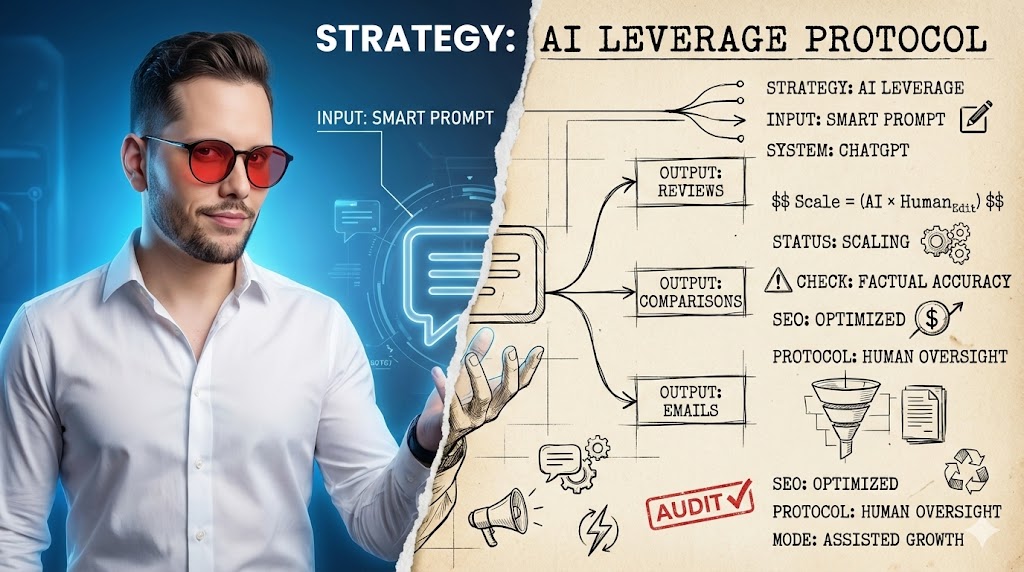
Artificial intelligence is rapidly changing the game. From AI-powered content generation tools to advanced analytics and personalized marketing, integrating AI can give you a significant competitive edge. Learn how to use these tools to optimize your workflow, identify trends, and enhance your targeting. Ignoring AI is not an option; embracing it strategically is paramount for future success. It’s not about replacing humans, but augmenting their capabilities.
Veteran Secret: The Power of Personalization
Leverage data to personalize your content and offers. Segment your email list, tailor product recommendations based on past behavior, and use dynamic content on your site. Personalized experiences convert at significantly higher rates because they resonate deeply with individual needs and preferences.
Ethical Practices: Building a Sustainable Brand
The days of shady tactics and deceptive marketing are over. Consumers are increasingly discerning, and regulators are cracking down. Build your affiliate business on a foundation of transparency, honesty, and genuine value. Disclose your affiliate relationships, provide unbiased reviews, and always prioritize your audience’s best interests. Ethical practices aren’t just good for your conscience; they’re essential for building a sustainable, reputable brand that stands the test of time.
Mastering Analytics and Reporting: The Numbers Game
Beyond Vanity Metrics: Focusing on Profitability
Don’t get caught up in vanity metrics like page views or social media likes. The only numbers that truly matter are those that impact your bottom line: conversion rates, average order value, customer lifetime value, and return on ad spend. Set up robust analytics tracking to understand exactly where your profits are coming from and where your efforts are wasted. Every decision must be informed by hard data, not by guesswork or ego. If you can’t measure it, you can’t improve it.
Attribution Modeling: Understanding the Customer Journey
The customer journey is rarely linear. They might discover you through a blog post, then see an ad, then receive an email, and finally convert. Understanding attribution models helps you credit the right touchpoints and optimize your entire funnel. Don’t just rely on ‘last click wins.’ Explore models that give credit to earlier interactions to truly understand what drives conversions. Accurate attribution allows you to allocate your resources effectively and maximize your ROI across all channels.
Legal and Compliance: Navigating the Regulatory Landscape
Disclosure Requirements: Transparency is Non-Negotiable
The FTC and other regulatory bodies require clear and conspicuous disclosure of affiliate relationships. This isn’t optional; it’s a legal mandate. Ensure your disclosures are prominent on every page where affiliate links appear. Hiding them in a footer or burying them in terms of service is a recipe for fines and reputational damage. Transparency builds trust and protects your business from legal repercussions. Don’t cut corners here.
Privacy Policies and Data Handling: Protecting Your Audience
With GDPR, CCPA, and other privacy regulations, handling user data responsibly is paramount. Ensure you have a clear privacy policy, obtain necessary consents, and protect any personal information you collect. Compliance isn’t just about avoiding penalties; it’s about demonstrating respect for your audience. A strong commitment to privacy enhances your brand’s credibility and fosters long-term loyalty. Treat your audience’s data as carefully as you would your own.
The Mindset of a Winning Affiliate Strategist
Resilience and Adaptability: The Only Constants
The online world is constantly changing. Algorithms shift, trends emerge, and competition evolves. A winning affiliate strategist possesses unwavering resilience and an ability to adapt quickly. What worked yesterday might not work tomorrow, and that’s okay. The key is to stay informed, test new approaches, and never give up. Your ability to pivot and learn from setbacks is your greatest asset in this dynamic environment. Embrace change, don’t fear it.
Continuous Learning: Staying Sharper Than the Competition
The moment you stop learning, you start falling behind. The most successful affiliates are voracious learners, constantly consuming industry news, testing new tools, and refining their skills. Attend webinars, read case studies, and connect with other high-level marketers. The investment in your own education will pay dividends many times over. Your knowledge base is your competitive advantage; keep it sharp, keep it current.
Your Strategic Implementation Blueprint
- Pinpoint Your Micro-Niche: Research and commit to a highly specific, profitable segment where you can genuinely dominate.
- Build Authority First: Create foundational, high-value content that positions you as the go-to expert, not just a product pusher.
- Engineer Your Conversion Funnel: Map out the user journey from initial contact to purchase, optimizing every step for maximum conversion.
- Master SEO Fundamentals: Invest in organic search to build sustainable, free traffic. Don’t rely solely on paid ads.
- Prioritize Email List Building: Your owned audience is your most valuable asset. Nurture it relentlessly for consistent revenue.
- Integrate High-Ticket & Recurring Offers: Focus on opportunities that provide substantial, long-term payouts for your efforts.
- Leverage Data for Decisions: A/B test everything, analyze metrics beyond vanity, and let numbers guide your strategic pivots.
- Stay Compliant & Ethical: Disclose affiliate relationships clearly and handle user data responsibly to build a trustworthy brand.
- Embrace Continuous Learning & Adaptation: The landscape changes; your ability to learn and pivot is your ultimate survival tool.
Is affiliate marketing still profitable in 2024?
Absolutely, but the game has matured. It’s less about quick wins and more about building genuine authority, providing immense value, and optimizing conversion funnels. Those who treat it as a serious business are seeing significant profits, while those chasing old tactics are struggling.
What’s the biggest mistake new affiliates make?
The most common fatal flaw is a lack of niche focus and an over-reliance on generic content or direct linking. They fail to build trust or a unique selling proposition, leading to low conversion rates and wasted effort. Ignoring SEO and email list building is also a major misstep.
How important is content quality for affiliate success?
It’s paramount. In today’s competitive landscape, generic content gets ignored. Your content must be exceptionally valuable, solving specific problems, offering unique insights, or providing comprehensive comparisons. High-quality content builds authority, trust, and ultimately, drives conversions.
Should I focus on high-ticket or low-ticket affiliate products?
For serious profit, prioritize high-ticket and recurring commission offers. While they may require a more sophisticated marketing approach, the higher payout per sale means you need fewer conversions to achieve substantial revenue. Low-ticket items can work for volume, but often demand immense traffic to be truly profitable.
How can I stand out in a crowded affiliate market?
Dominate a micro-niche, build an undeniable personal brand and authority, create truly transformative content, and relentlessly optimize your conversion funnels based on data. Don’t just promote products; become the trusted expert who guides your audience to the best solutions.
Is it better to use paid traffic or organic traffic for affiliate marketing?
Both are crucial. Organic traffic (SEO) provides sustainable, long-term, and often higher-converting leads. Paid traffic offers immediate scalability and allows you to test offers quickly. A balanced strategy leverages organic for foundational growth and paid for accelerating proven campaigns. Never rely solely on one.