
Monetizing Fashion Blogs with ‘Shop the Look’ Features: A Strategic Verdict
It depends on your goals and technical comfort. Implementing ‘Shop the Look’ features is highly suitable for fashion bloggers aiming to directly monetize visual content and enhance user engagement, but less so for static portfolio sites without regular product updates.
- Strongest Advantage: Transforms visual inspiration into direct, trackable revenue streams by linking products to outfits.
- Biggest Limitation: Requires consistent product curation, plugin management, and adherence to affiliate disclosure regulations.
- Concrete Use Case: Ideal for style bloggers showcasing daily outfits, seasonal trends, or specific product reviews, driving immediate purchase intent.
What is ‘Shop the Look’ and Why Does it Matter for Fashion Blogs?
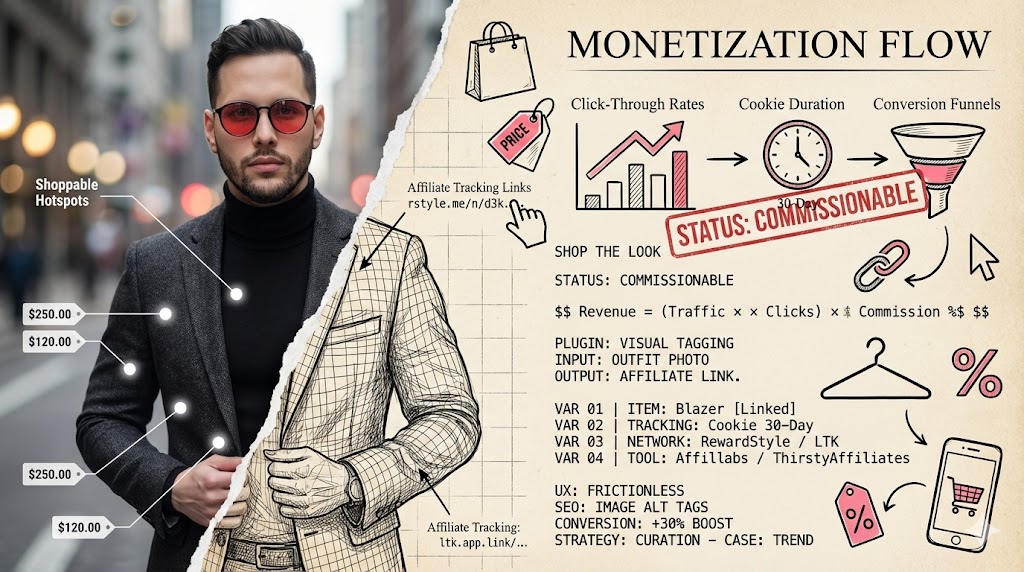
Shop the Look: A content strategy where visually presented items (e.g., an outfit photo) are directly linked to purchasable products, allowing readers to easily find and buy the featured clothing, accessories, or home decor items.
The ‘Shop the Look’ feature has become a cornerstone for modern fashion blogs, transforming passive browsing into active purchasing opportunities. It allows bloggers to curate entire outfits or styled scenes, then provide direct links to each individual product, making it incredibly convenient for their audience to replicate the look. This approach not only enhances the user experience by removing friction from the buying journey but also significantly boosts a blog’s monetization potential through affiliate commissions.
For fashion bloggers, the ability to seamlessly integrate product links within engaging visual content is paramount. It bridges the gap between inspiration and transaction, turning a reader’s desire for a specific style into a tangible sale. Without this functionality, readers might struggle to identify products, leading to lost sales and a less satisfying experience, highlighting why this feature is now an industry standard rather effectively converting engagement into revenue.
- Visual Storytelling: Connects aesthetic appeal with actionable purchasing.
- Direct Monetization: Converts reader interest into affiliate commissions.
- Enhanced User Experience: Simplifies product discovery and acquisition.
- Increased Engagement: Encourages longer visits and interaction with content.
Pros of ‘Shop the Look’ Monetization
- Boosts Affiliate Revenue: Directly links inspiration to purchase, increasing click-through rates and sales.
- Improves User Engagement: Provides an interactive and convenient shopping experience for readers.
- Positions Blog as Authority: Showcases expertise in styling and product curation, building trust with the audience.
Cons of ‘Shop the Look’ Monetization
- Requires Constant Updates: Product links can break or go out of stock, demanding regular maintenance.
- Technical Setup Complexity: Implementing plugins and managing product feeds can be challenging for beginners.
- Disclosure Requirements: Strict FTC and local regulations necessitate clear affiliate disclaimers, adding a layer of compliance.
Key Benefits of Implementing ‘Shop the Look’ Features
Implementing ‘Shop the Look’ functionality offers a multitude of benefits that extend beyond simple monetization, profoundly impacting a fashion blog’s overall value proposition. By integrating shoppable content, bloggers can significantly elevate their platform from a mere source of inspiration to a comprehensive style guide and personal shopper. This strategic shift not only makes the blog more valuable to its audience but also strengthens its position within the competitive fashion niche, fostering loyalty and repeat visits.
The direct correlation between visual content and purchasable items creates a powerful feedback loop, allowing bloggers to understand what resonates most with their audience. This data-driven insight can then inform future content creation, product selections, and overall strategy, leading to more effective monetization and sustained growth. Ultimately, ‘Shop the Look’ is not just a feature; it’s a fundamental business model for fashion influencers.
- Higher Conversion Rates: Direct links reduce steps to purchase, increasing sales.
- Audience Loyalty: Provides convenience and value, encouraging repeat visits.
- Data-Driven Insights: Tracks popular items and styles, informing future content.
- Brand Partnerships: Attracts brands seeking direct product exposure and sales.
E-commerce Conversion Boost
Studies suggest that shoppable content can increase e-commerce conversion rates by an average of 20-30% compared to traditional static images, primarily due to reduced friction in the buyer’s journey.
Choosing the Right WordPress Plugin for ‘Shop the Look’
Selecting the appropriate WordPress plugin is a critical step in successfully implementing ‘Shop the Look’ features on your fashion blog. The market offers a variety of solutions, each with its own strengths and weaknesses, ranging from comprehensive affiliate management tools to specialized visual tagging plugins. Your choice should align with your technical expertise, budget, and the specific functionalities you prioritize, such as ease of use, customization options, and robust analytics.
When evaluating plugins, consider factors like integration with existing affiliate networks, mobile responsiveness, and the ability to handle a large volume of products without slowing down your site. While many plugins focus on visual tagging, a comprehensive affiliate management solution like Affililabs.ai can streamline the entire process, from link creation to performance tracking, offering a powerful alternative or complement to visual-only tools. It’s essential to research and test different options to find the best fit for your unique blog needs.
- Visual Tagging Plugins: Enable clickable hotspots on images (e.g., ShopStyle Collective, RewardStyle/LTK).
- Affiliate Link Management Plugins: Centralize, cloak, and track affiliate links (e.g., ThirstyAffiliates, Pretty Links, or consider Affililabs.ai for advanced features).
- E-commerce Integration Plugins: For blogs selling their own products alongside affiliate items (e.g., WooCommerce Product Add-ons).
- Gallery & Grid Plugins: Some offer shoppable features within image galleries.
Essential Features to Look for in a ‘Shop the Look’ Plugin
When diving into the selection of a ‘Shop the Look’ plugin for your WordPress fashion blog, identifying the non-negotiable features is paramount for long-term success and efficiency. A robust plugin should offer more than just basic image tagging; it needs to provide a seamless experience for both the blogger and the reader. Key functionalities include intuitive product linking, responsive design, and compatibility with various affiliate networks, ensuring your monetization efforts are both effective and sustainable across all devices.
Beyond the core tagging capabilities, consider plugins that offer advanced features such as analytics integration, allowing you to track clicks and conversions directly. Look for options that support dynamic content, automatically updating product availability or pricing. Furthermore, a plugin with excellent customer support and regular updates is crucial, as this ensures compatibility with the latest WordPress versions and provides assistance when technical issues arise, safeguarding your investment and operational continuity.
- Intuitive Visual Tagging: Easy drag-and-drop or click-to-tag functionality on images.
- Affiliate Network Compatibility: Seamless integration with major networks like Amazon Associates, RewardStyle, or ShopStyle.
- Responsive Design: Ensures shoppable content looks and functions perfectly on all devices, especially mobile.
- Analytics & Tracking: Provides insights into clicks, conversions, and popular products.
- Customization Options: Allows branding of hotspots, pop-ups, and product displays.
Insider Tip: Future-Proof Your Affiliate Links
Always choose a plugin or platform that allows you to easily update or replace affiliate links globally. This saves immense time when products go out of stock or affiliate programs change, preventing broken links and lost revenue. Tools like Affililabs.ai excel at centralizing link management for this purpose.
Step-by-Step: Setting Up Your First ‘Shop the Look’ Post
Setting up your inaugural ‘Shop the Look’ post on WordPress can seem daunting, but by following a structured approach, you can efficiently transform your visual content into a powerful monetization engine. The process typically begins with selecting a high-quality, inspiring image that showcases a complete outfit or styled scene. This image serves as the canvas upon which you’ll layer your shoppable elements, making it crucial to choose visuals that are clear, engaging, and representative of the products you intend to feature.
Once your image is ready, the next steps involve using your chosen plugin to tag individual products within the image and then publishing your post. Remember to include compelling descriptive text that complements the visuals and encourages clicks. Always double-check all links before publishing to ensure they direct to the correct product pages and are functioning properly, as broken links can severely impact user experience and revenue potential.
- Select Your Feature Image: Choose a high-resolution image showcasing the look.
- Install & Activate Plugin: Ensure your ‘Shop the Look’ plugin is ready.
- Upload Image to Post: Insert the image into your WordPress editor.
- Tag Products: Use the plugin’s interface to add clickable hotspots and link each product to its respective affiliate URL.
- Add Descriptive Content: Write engaging text about the outfit, styling tips, and product details.
- Include Affiliate Disclosure: Clearly state that the post contains affiliate links.
- Publish & Promote: Share your shoppable post across social media and other channels.
Warning: The Peril of Broken Links
Critical mistake to avoid: Neglecting to regularly check and update your affiliate links. Broken or expired product links lead to a frustrating user experience, lost commissions, and can damage your blog’s credibility, ultimately impacting your SEO and reader trust.
Optimizing Product Curation for Maximum Conversions
Effective product curation is the art and science behind maximizing conversions from your ‘Shop the Look’ features, moving beyond simply linking items to strategically selecting them. It involves understanding your audience’s preferences, staying ahead of trends, and choosing products that genuinely complement the aesthetic and message of your blog. High-quality curation ensures that every linked item feels like a natural extension of your content, rather than a forced advertisement, thereby building trust and encouraging purchases.
To truly optimize for conversions, consider factors such as product availability, price point, and relevance to the overall look. Prioritize items that offer good commission rates but never compromise on authenticity or quality. Regularly analyze which products perform best and adjust your curation strategy accordingly. A well-curated selection not only drives sales but also reinforces your blog’s unique style and authority, making your ‘Shop the Look’ sections a valuable resource for your readers.
- Audience Alignment: Select products that resonate with your target demographic’s style and budget.
- Trend Awareness: Feature current and upcoming trends to maintain relevance.
- Quality over Quantity: Focus on fewer, high-quality, and well-reviewed items.
- Visual Cohesion: Ensure all linked products contribute to a harmonious overall look.
- Strategic Pricing: Offer a mix of price points to cater to diverse budgets.
Case Study: The ‘Seasonal Refresh’ Success
The trap: A fashion blogger consistently linked to the same evergreen products, leading to declining engagement and sales as seasons changed and trends evolved.
The win: By implementing a strict ‘seasonal refresh’ strategy, updating all ‘Shop the Look’ posts quarterly with new, trend-aligned products and ensuring links were active, the blogger saw a 45% increase in affiliate revenue within six months and a significant boost in reader interaction, proving the power of dynamic curation.
Affiliate Marketing Best Practices for ‘Shop the Look’
Mastering affiliate marketing within your ‘Shop the Look’ strategy requires adherence to best practices that prioritize transparency, value, and strategic placement. Simply inserting links isn’t enough; bloggers must cultivate trust with their audience by clearly disclosing affiliate relationships and ensuring that recommended products genuinely offer value. This approach not only complies with regulatory guidelines but also fosters a loyal readership that trusts your recommendations, leading to more sustainable long-term revenue.
Beyond transparency, effective affiliate marketing involves diversifying your partnerships and continually optimizing your link performance. Explore various affiliate networks to find products that best fit your niche and audience. Utilize tools like Affililabs.ai to manage your links, track their performance, and identify which products and placements yield the highest conversions. Regular analysis allows you to refine your strategy, ensuring your ‘Shop the Look’ features remain a highly profitable component of your fashion blog.
- Full Disclosure: Always clearly state that you use affiliate links (e.g., ‘This post contains affiliate links’).
- Authenticity & Trust: Only recommend products you genuinely like or would use yourself.
- Diverse Partnerships: Work with multiple affiliate networks to broaden product selection and revenue streams.
- Strategic Placement: Integrate links naturally within content, not just as a list at the end.
- Performance Monitoring: Regularly track click-through rates and conversions to optimize strategy.
“Authenticity is the currency of influence. In affiliate marketing, if your recommendations aren’t genuine, your audience will eventually see through it, and you’ll lose the most valuable asset: trust.” — Neil Patel, Digital Marketing Expert
Tracking Performance and Analyzing ‘Shop the Look’ Success
Tracking the performance of your ‘Shop the Look’ features is indispensable for understanding what resonates with your audience and optimizing your monetization strategy. Without robust analytics, you’re essentially operating in the dark, unable to identify top-performing products, most effective placements, or areas needing improvement. Implementing comprehensive tracking allows you to gather crucial data on clicks, conversions, and revenue generated, providing actionable insights to refine your content and product curation.
Leverage the analytics provided by your chosen ‘Shop the Look’ plugin, affiliate networks, and general website analytics tools like Google Analytics. Pay close attention to metrics such as click-through rates (CTR) on individual products, conversion rates from clicks to sales, and the average order value. This data will reveal patterns in consumer behavior, helping you to make informed decisions about future content, product selections, and even potential brand collaborations, ensuring your efforts are always directed towards maximum impact.
- Click-Through Rate (CTR): Measures how many people click on your product links relative to views.
- Conversion Rate: Tracks how many clicks result in actual purchases.
- Revenue Generated: Direct measure of your monetization success from ‘Shop the Look’.
- Popular Products: Identifies which items consistently attract clicks and sales.
- Traffic Sources: Understands where your ‘Shop the Look’ audience is coming from.
The Power of Data-Driven Optimization
Blogs that actively track and optimize their shoppable content based on performance data report an average of 15-25% higher engagement and a 10-18% increase in affiliate income compared to those that do not.
Enhancing User Experience with Interactive ‘Shop the Look’ Elements
Beyond basic image tagging, enhancing the user experience with interactive ‘Shop the Look’ elements can significantly elevate your fashion blog’s appeal and effectiveness. Modern readers expect dynamic and engaging content, and static product lists often fall short. Incorporating features like hover effects, quick-view pop-ups, or even short video clips demonstrating the items in motion can make the shopping experience more immersive and enjoyable, encouraging deeper exploration and ultimately, more purchases.
Consider implementing carousels for alternative product suggestions or integrated wishlists that allow users to save items for later. The goal is to make the ‘Shop the Look’ section feel less like a transactional page and more like a personalized styling session. By focusing on intuitive navigation and visually appealing interactions, you not only improve conversion rates but also build a stronger, more memorable brand experience that keeps readers coming back for more style inspiration and shoppable content.
- Hover Effects: Display product names or prices on mouse-over, enhancing discoverability.
- Quick View Pop-ups: Allow users to see product details without leaving the page.
- Interactive Carousels: Showcase alternative products or different angles of an item.
- Integrated Wishlists: Enable users to save favorite items for future reference.
- Video Integration: Short clips demonstrating how products look and move in real life.
Insider Tip: Leverage Micro-Interactions
Small, delightful micro-interactions, like a subtle animation when a product tag is clicked or a smooth transition to a product detail pop-up, can significantly improve the perceived quality and user experience of your ‘Shop the Look’ features, making them more engaging and memorable.
Legal Compliance and Disclosure for Affiliate Content
Navigating the legal landscape of affiliate marketing is a critical, non-negotiable aspect of running a ‘Shop the Look’ fashion blog. Regulatory bodies like the FTC (Federal Trade Commission) in the US, and similar organizations globally, mandate clear and conspicuous disclosure of any material connection between the blogger and the advertised products or brands. Failure to comply can result in significant fines and reputational damage, making it imperative to understand and implement proper disclosure practices across all your shoppable content.
Your disclosure must be easy to find, easy to understand, and placed prominently near the affiliate links or at the beginning of the post. Simply burying a small disclaimer in your footer is insufficient. Use clear language such as ‘This post contains affiliate links’ or ‘I may earn a commission if you purchase through my links.’ This transparency not only ensures legal compliance but also builds trust with your audience, demonstrating your commitment to ethical blogging practices. Regularly review your disclosure strategy to ensure it remains compliant with evolving regulations.
- Clear & Conspicuous Placement: Disclosure must be visible at the top of the post or near the links.
- Unambiguous Language: Use phrases like ‘affiliate links,’ ‘sponsored,’ or ‘commission earned.’
- FTC Guidelines Adherence: Understand and follow the Federal Trade Commission’s endorsement guidelines.
- Platform-Specific Rules: Comply with disclosure requirements of individual affiliate networks (e.g., Amazon Associates).
- Consistent Application: Apply disclosure consistently across all posts containing affiliate links.
Action Checklist for Launching Your ‘Shop the Look’ Feature
Your ‘Shop the Look’ Launch Readiness Checklist
- Select and Install Plugin (Day 1): Choose a ‘Shop the Look’ plugin (e.g., ShopStyle Collective, or consider Affililabs.ai for comprehensive affiliate management) and activate it on your WordPress site.
- Create First Shoppable Image (Day 2): Prepare a high-resolution outfit photo and use your plugin to tag at least 5 individual products with their respective affiliate links.
- Draft & Publish Disclosure (Day 3): Write a clear, prominent affiliate disclosure statement and integrate it into your post template, ensuring it appears on all future shoppable content.
- Test All Links (Day 4): Manually click every single affiliate link in your new ‘Shop the Look’ post to confirm it directs to the correct product page and is functioning.
- Promote Across Channels (Day 5): Share your new shoppable post on at least two social media platforms, linking directly to the blog post.
Common Questions
How often should I update my ‘Shop the Look’ posts?
You should aim to review and update your ‘Shop the Look’ posts at least quarterly, or whenever there are significant seasonal changes, product stock issues, or broken links. High-performing posts might warrant more frequent checks to ensure all links are active and products are still relevant.
Can I use ‘Shop the Look’ with my own products, not just affiliate links?
Absolutely. Many ‘Shop the Look’ plugins and strategies are flexible enough to accommodate both affiliate links and direct links to your own e-commerce store (e.g., a WooCommerce shop). This allows for a hybrid monetization model, blending commissions with direct sales.
What if I don’t have many products to link?
Focus on quality over quantity. Even a few well-curated, high-converting products can be more effective than a multitude of irrelevant ones. Consider creating themed posts around specific items, showcasing different ways to style them, and linking to those core pieces.