Unlocking the AI Advantage in Affiliate Marketing
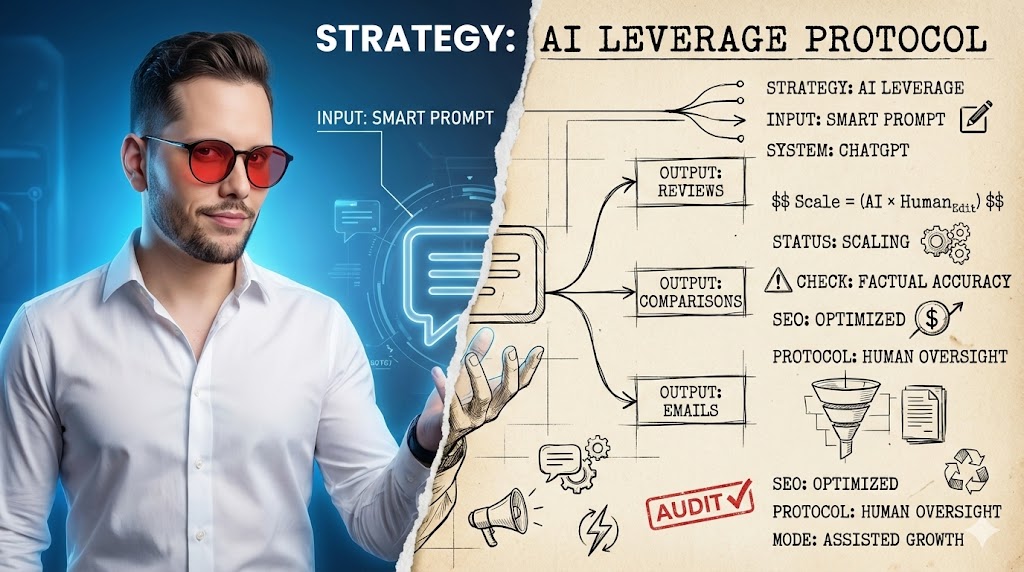
Artificial Intelligence is no longer a futuristic concept but a present-day imperative for affiliate marketers seeking a decisive competitive edge. By automating complex tasks, refining targeting, and providing predictive insights, AI transforms traditional affiliate strategies into highly efficient, data-driven operations. This shift moves beyond mere automation, enabling a deeper understanding of market dynamics and consumer behavior, ultimately leading to superior conversion rates and sustained profitability.
- Precision Targeting: AI refines audience segmentation, ensuring offers reach the most receptive consumers, drastically improving conversion potential.
- Content Automation: AI tools streamline content creation and optimization, producing high-quality, SEO-friendly assets at scale.
- Predictive Insights: Leverage AI to forecast campaign performance, identify emerging trends, and mitigate risks before they impact ROI.
- Fraud Prevention: AI systems proactively detect and prevent fraudulent activities, safeguarding commissions and maintaining campaign integrity.
The landscape of affiliate marketing is in constant flux, demanding adaptability and foresight from its practitioners. While traditional methods have served their purpose, the advent of Artificial Intelligence presents an unparalleled opportunity to transcend conventional limitations and achieve unprecedented levels of efficiency and profitability. This guide delves into the practical applications of AI, offering a clear roadmap for integrating these powerful tools into your affiliate marketing strategies.
The Strategic Reality of AI in Affiliate Marketing
Understanding AI’s Foundational Role
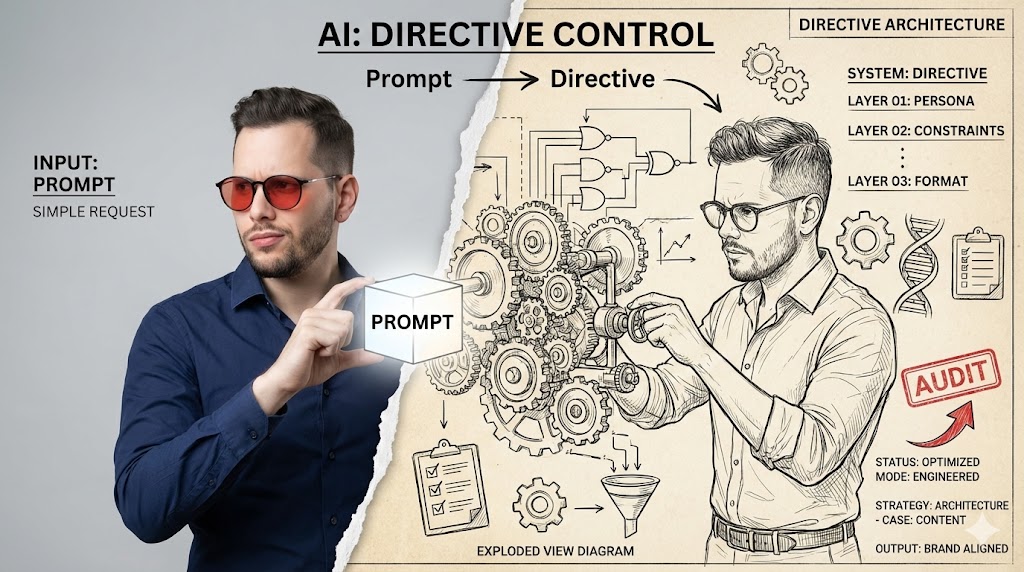
AI’s integration into affiliate marketing is fundamentally about augmenting human capabilities, not replacing them. It provides the computational power to process vast datasets, identify intricate patterns, and execute tasks with a speed and accuracy simply unattainable by manual means. The core value lies in its ability to offer actionable intelligence, transforming raw data into strategic insights that drive better decision-making across all facets of a campaign. This foundational understanding is crucial for any affiliate looking to leverage AI effectively.
Consider this perspective: AI acts as a sophisticated co-pilot, handling the analytical heavy lifting and routine optimizations, thereby freeing up marketers to focus on high-level strategy and creative innovation. It shifts the paradigm from reactive adjustments to proactive, data-informed interventions, ensuring campaigns are always operating at their peak potential. The strategic reality is that those who embrace this technological shift will inevitably gain a significant advantage.
Shifting from Manual to Intelligent Operations
Many affiliates still rely on manual processes for tasks like keyword research, content creation, and campaign optimization. While these methods are standard practice, they are inherently limited by human capacity and prone to oversight. The transition to intelligent operations, powered by AI, introduces a level of automation and precision that drastically reduces operational costs and enhances output quality. This shift is not merely about automation; it’s about embedding intelligence into every operational layer.
The data suggests: By automating repetitive and data-intensive tasks, affiliates can reallocate valuable human resources to more strategic initiatives, such as building stronger relationships with merchants or exploring new market segments. This intelligent operational model ensures that every decision is backed by robust data analysis, moving away from guesswork towards a predictable and scalable growth trajectory.
Precision Niche Identification and Validation
Leveraging AI for Market Gap Analysis
Identifying profitable niches is the cornerstone of successful affiliate marketing. Traditionally, this involved extensive manual research, often relying on intuition and limited data points. AI revolutionizes this process by performing sophisticated market gap analysis, scanning vast amounts of online data – including search trends, social media discussions, and competitor offerings – to pinpoint underserved or emerging niches. This allows affiliates to discover high-demand, low-competition opportunities with unparalleled accuracy.
Here is the key insight: AI algorithms can detect subtle shifts in consumer interest and identify micro-niches that might be invisible to human researchers. By analyzing sentiment, search queries, and purchasing patterns, AI provides a comprehensive view of market needs that are not being adequately met, enabling affiliates to position themselves as first-movers in lucrative segments.
Predictive Modeling for Niche Profitability
Beyond identification, AI offers predictive modeling capabilities to assess the long-term profitability of a niche. This involves analyzing historical data, current market trends, and potential future developments to forecast revenue potential, competition levels, and audience engagement. Such predictive power allows affiliates to make informed decisions about resource allocation, investing only in niches with a high probability of sustained success.
Why is this significant? Instead of launching campaigns based on hopeful estimates, affiliates can leverage AI to validate niche viability with data-backed projections. This significantly reduces the risk associated with entering new markets and ensures that efforts are directed towards areas with the highest potential for return on investment, transforming speculative ventures into strategic plays.
Strategic Advantage Point
Utilize AI tools not just for identifying broad niches, but for uncovering hyper-specific sub-niches within larger markets. These often have less competition and a highly engaged audience, leading to significantly higher conversion rates and a more loyal customer base. Focus on the long-tail of niche opportunities.
Advanced Audience Segmentation and Personalization
Micro-Segmentation Beyond Demographics
Standard audience segmentation often relies on broad demographic data, which, while useful, can be limiting. AI takes personalization to the next level through micro-segmentation, analyzing behavioral data, psychographics, online interactions, and purchase history to create incredibly granular audience profiles. This allows for the identification of specific user groups with distinct needs, preferences, and buying triggers, far beyond age or location.
The data suggests: By understanding individual user journeys and preferences, AI can group users into segments so precise that each segment can be treated almost as an individual. This level of detail enables affiliates to craft messages and offers that resonate deeply, moving beyond generic appeals to highly relevant and impactful communications.
Dynamic Content Delivery for Individual Users
Once micro-segments are identified, AI facilitates dynamic content delivery. This means that the content a user sees—whether it’s an ad, a blog post, or an email—is automatically tailored to their specific segment, or even their individual profile, in real-time. This includes adjusting headlines, images, product recommendations, and even the call-to-action to maximize relevance and engagement. The goal is to present the perfect message at the perfect moment.
Consider this perspective: Traditional affiliate marketing often uses a one-size-fits-all approach, hoping to catch a broad audience. AI-driven dynamic content delivery ensures that every interaction feels personalized, creating a stronger connection with the user and significantly increasing the likelihood of conversion. This is the essence of hyper-personalization at scale.
Crafting Hyper-Relevant Offers
AI’s ability to understand user intent and preferences extends to offer selection. Instead of promoting a general range of products, AI can analyze a user’s past interactions, browsing behavior, and expressed interests to recommend the most relevant affiliate products or services. This results in hyper-relevant offers that align perfectly with the user’s needs, making the purchasing decision feel natural and beneficial. This approach transforms mere promotion into value-driven recommendation.
Why is this significant? When an offer feels tailor-made, the psychological barrier to purchase is significantly lowered. AI ensures that affiliates are not just pushing products, but genuinely solving problems or fulfilling desires for their audience, leading to higher conversion rates and a more positive brand association. This is about building trust through intelligent product matching.
Automated Content Generation and Optimization
AI-Driven Copywriting for Affiliate Assets
Creating compelling content is time-consuming, yet crucial for affiliate success. AI-driven copywriting tools can generate high-quality, engaging text for various affiliate assets, including blog posts, product reviews, social media updates, and ad copy. These tools can be trained on specific brand voices and target audience preferences, ensuring consistency and relevance. This capability allows affiliates to produce a vast volume of content rapidly and efficiently.
Here is the key insight: While AI can generate initial drafts, the true power lies in its ability to iterate and optimize. It can analyze the performance of different copy variations and suggest improvements, ensuring that every piece of content is not just well-written, but also highly effective in driving conversions. This means a continuous cycle of creation, analysis, and refinement.
Optimizing Visuals and Multimedia for Engagement
Beyond text, AI can also play a pivotal role in optimizing visual and multimedia content. This includes generating eye-catching images, videos, and infographics that are specifically designed to resonate with target audiences. AI tools can analyze which visual elements perform best in terms of engagement and conversion, suggesting optimal color schemes, layouts, and even emotional cues. This ensures that all content, visual or textual, is maximized for impact.
Consider this perspective: In a visually saturated online world, standing out is critical. AI helps affiliates cut through the noise by creating visuals that are not only aesthetically pleasing but also strategically effective. This leads to higher click-through rates and a more memorable user experience, solidifying the brand’s presence in the consumer’s mind.
Predictive Analytics for Campaign Foresight
Forecasting Performance and ROI
One of the most powerful applications of AI in affiliate marketing is its ability to provide predictive analytics. By analyzing historical campaign data, market trends, and external factors, AI can forecast the likely performance of future campaigns, including expected click-through rates, conversion rates, and overall return on investment (ROI). This foresight allows affiliates to make proactive adjustments rather than reactive ones.
Why is this significant? Knowing what to expect before a campaign even launches empowers affiliates to optimize budgets, refine targeting, and adjust offers to maximize profitability. It transforms the often-speculative nature of marketing into a more scientific endeavor, providing a clear path to achieving desired financial outcomes.
Proactive Risk Mitigation Strategies
Predictive analytics also extends to identifying potential risks. AI can flag unusual patterns or emerging trends that might negatively impact campaign performance, such as shifts in competitor strategy, changes in search algorithm rankings, or declining product interest. This early warning system enables affiliates to develop proactive mitigation strategies, safeguarding their investments.
The data suggests: By anticipating challenges, affiliates can pivot quickly, reallocate resources, or adjust their messaging to avoid significant losses. This capability is invaluable in dynamic markets, allowing for continuous adaptation and ensuring that campaigns remain resilient against unforeseen obstacles. It’s about building a robust and future-proof affiliate operation.
Market Performance Indicators
A recent study indicated that affiliate marketers leveraging AI for predictive analytics reported an average 22% increase in campaign ROI compared to those relying solely on historical data analysis. This demonstrates the tangible financial benefits of foresight in strategy.
Intelligent Keyword Research and SEO Domination
Uncovering Latent Semantic Indexing (LSI) Keywords
Traditional keyword research often focuses on primary keywords, which are highly competitive. AI, however, excels at uncovering Latent Semantic Indexing (LSI) keywords and long-tail variations that are less competitive but highly relevant. These are terms and phrases conceptually related to the main topic, which search engines use to understand content context and relevance. AI tools can analyze vast amounts of search data to identify these hidden gems, allowing affiliates to target a broader, yet highly specific, audience. This leads to improved organic visibility and targeted traffic.
Consider this perspective: By focusing on LSI keywords, affiliates can create content that comprehensively covers a topic, signaling to search engines that their content is authoritative and valuable. This not only helps in ranking for a wider array of terms but also attracts users who are further along in their buying journey, resulting in higher conversion potential.
AI-Powered Content Gap Analysis
Another powerful application of AI in SEO is content gap analysis. AI tools can compare an affiliate’s existing content against top-ranking competitors, identifying topics, keywords, and content formats that are missing from their strategy. This allows affiliates to strategically fill these gaps, creating content that directly addresses user queries and outranks competitors. This process ensures a holistic and competitive content strategy.
The data suggests: By systematically addressing content gaps, affiliates can significantly expand their organic footprint, capturing traffic that would otherwise go to competitors. This proactive approach to SEO ensures that an affiliate’s content library is not only extensive but also strategically optimized for maximum search engine visibility.
Dynamic Ad Creative Development and A/B Testing
Generating High-Converting Ad Variations
Creating effective ad creatives is an iterative process of design, testing, and refinement. AI streamlines this by automatically generating numerous ad variations—including headlines, body copy, images, and calls-to-action—based on predefined parameters and historical performance data. This allows affiliates to quickly produce a diverse range of creatives, each optimized for different audience segments or platforms. The goal is to rapidly identify the most compelling ad combinations.
Here is the key insight: AI can analyze which elements of an ad creative contribute most to its success, such as specific colors, emotional appeals, or phrasing. This enables the generation of new creatives that incorporate these high-performing attributes, leading to a continuous improvement in ad effectiveness and a higher return on ad spend.
Automated Performance Iteration
Beyond generation, AI can automate the A/B testing and optimization of ad creatives. It can run multiple variations simultaneously, collect performance data in real-time, and automatically reallocate budget towards the best-performing ads. This eliminates the manual effort involved in monitoring and adjusting campaigns, ensuring that only the most effective creatives are actively running. This continuous iteration leads to maximized campaign efficiency and conversion rates.
Why is this significant? The ability to rapidly test and optimize ad creatives means that campaigns are always evolving towards peak performance. This automated iteration ensures that affiliates are consistently presenting the most engaging and persuasive messages to their audience, leading to a significant uplift in clicks and conversions. It’s about achieving perpetual campaign improvement.
Optimizing for Tomorrow
Don’t just use AI for generating initial ad concepts. Implement AI-driven feedback loops that continuously analyze ad performance and suggest micro-adjustments to copy, visuals, and targeting. This ensures your campaigns are always adapting to real-time market shifts and audience responses.
Robust Fraud Detection and Prevention Mechanisms
Identifying Malicious Traffic Patterns
Affiliate fraud, ranging from bot traffic to cookie stuffing, can significantly erode profits and damage relationships with merchants. AI systems are exceptionally adept at identifying malicious traffic patterns that human analysis might miss. They can detect anomalies in click-through rates, conversion ratios, IP addresses, and user behavior that indicate fraudulent activity. This proactive monitoring is crucial for maintaining campaign integrity and profitability.
The data suggests: By continuously analyzing vast streams of data, AI can build a baseline of legitimate user behavior and instantly flag deviations. This allows affiliates to block fraudulent sources in real-time, ensuring that their marketing spend and commission earnings are protected from illicit activities. It’s an essential layer of security for any serious affiliate operation.
Protecting Commission Integrity
Beyond identifying fraudulent traffic, AI also plays a vital role in protecting commission integrity. It can verify conversions, cross-reference data points, and ensure that commissions are legitimately earned and attributed correctly. This provides affiliates with greater confidence in their earnings and fosters stronger, more transparent relationships with their merchant partners. This level of scrutiny ensures that every earned commission is secure.
Consider this perspective: The financial implications of undetected fraud can be substantial. AI acts as a vigilant guardian, ensuring that the hard-earned efforts of affiliates are not undermined by fraudulent actors. This protection extends to ensuring compliance with program terms and conditions, thereby safeguarding the affiliate’s reputation and long-term business viability.
Optimizing Landing Page Conversion Pathways
AI-Driven UX/UI Enhancements
A high-converting landing page is critical for affiliate success, yet optimizing its user experience (UX) and user interface (UI) can be complex. AI tools can analyze user behavior on landing pages—tracking clicks, scroll depth, heatmaps, and session recordings—to identify friction points and areas for improvement. This data-driven approach allows for precise recommendations on layout, navigation, and content placement, leading to smoother user journeys and higher conversion rates.
Here is the key insight: AI can conduct multivariate testing at a scale impossible for humans, testing hundreds of variations of a landing page simultaneously to determine the optimal design elements. This continuous optimization ensures that landing pages are always performing at their peak, directly impacting the effectiveness of affiliate campaigns.
Personalized Call-to-Actions (CTAs)
Generic calls-to-action often yield suboptimal results. AI enables the dynamic personalization of CTAs based on individual user behavior, demographics, and the specific traffic source. For example, a returning visitor might see a CTA emphasizing urgency or a special discount, while a new visitor might see one focused on benefits or trust. This tailoring ensures that the CTA is maximally persuasive for each user. This personalization makes the final conversion step highly effective.
Why is this significant? A personalized CTA removes ambiguity and speaks directly to the user’s immediate needs or concerns, significantly increasing the likelihood of them taking the desired action. AI’s ability to deliver these context-aware CTAs transforms a simple button into a powerful, individualized conversion trigger.
Common Misconception Debunked
AI will make affiliate marketing impersonal and robotic.
Strategic Reality
AI, when implemented correctly, enhances personalization by allowing marketers to understand and cater to individual user needs at scale. It frees up human marketers to focus on creative strategy and building genuine relationships, making the overall experience more human, not less.
AI-Powered Customer Engagement and Support
Intelligent Chatbots for Pre-Sale Queries
Affiliate success often hinges on providing timely and accurate information to potential customers. AI-powered chatbots can handle a significant volume of pre-sale queries 24/7, answering common questions about products, services, or offers. These chatbots can guide users through the sales funnel, provide relevant product recommendations, and even qualify leads before handing them off to a human, if necessary. This ensures that no potential customer is left unattended.
The data suggests: By providing instant support and information, intelligent chatbots significantly improve the user experience, reducing bounce rates and increasing the likelihood of conversion. They act as an always-on sales assistant, ensuring that crucial information is delivered precisely when the customer needs it, thereby optimizing the pre-purchase journey.
Enhancing Post-Conversion Customer Experience
While the affiliate’s primary role often ends at conversion, contributing to a positive post-conversion experience can foster loyalty and encourage repeat purchases, which can indirectly benefit affiliates through better merchant relationships and higher lifetime value. AI can assist by providing automated follow-up emails, personalized product usage tips, or even proactive support for common issues. This contributes to a holistic and satisfying customer journey.
Consider this perspective: A satisfied customer is more likely to become a repeat customer and recommend products to others. By leveraging AI to enhance the post-conversion experience, affiliates contribute to a stronger ecosystem, ultimately leading to more stable and profitable partnerships with merchants. It’s about building a reputation for excellence beyond the initial sale.
Competitive Intelligence and Market Landscape Analysis
Monitoring Competitor Strategies in Real-Time
Staying ahead in affiliate marketing requires a keen awareness of competitor activities. AI tools can continuously monitor competitor websites, ad campaigns, social media presence, and content strategies in real-time. This provides affiliates with invaluable insights into what their rivals are doing, what’s working for them, and where vulnerabilities might exist. This constant vigilance allows for agile strategic adjustments.
Here is the key insight: By understanding competitor moves, affiliates can identify emerging trends, adapt their own strategies, and even preemptively counter rival campaigns. This real-time competitive intelligence transforms market observation into a powerful tool for maintaining a dominant position in the affiliate landscape.
Identifying Untapped Opportunities
Beyond direct competitor analysis, AI can scan the broader market landscape to identify untapped opportunities. This includes detecting shifts in consumer sentiment, emerging product categories, or new platforms where affiliate marketing could thrive. By analyzing vast datasets, AI can reveal white spaces that human analysis might overlook, providing affiliates with a chance to diversify their portfolios and explore new revenue streams. This proactive exploration leads to sustainable business expansion.
Why is this significant? The ability to spot opportunities before they become mainstream gives affiliates a significant first-mover advantage. AI acts as a strategic radar, constantly scanning the horizon for the next big trend, ensuring that affiliates are always positioned to capitalize on new and profitable ventures.
The Data-Driven Edge
Integrate AI-powered competitive analysis tools that not only track keywords and ads but also analyze competitor landing page structures and conversion funnels. Understanding their entire journey can reveal critical insights for optimizing your own performance.
Granular Attribution Modeling and ROI Measurement
Understanding Multi-Touchpoint Journeys
The customer journey is rarely linear, often involving multiple touchpoints across various channels before a conversion occurs. Traditional attribution models (e.g., last-click) often fail to give credit where it’s due, misrepresenting the true impact of different marketing efforts. AI-powered attribution modeling analyzes every touchpoint in the customer journey, assigning appropriate credit to each interaction based on its influence on the final conversion. This provides a much clearer picture of campaign effectiveness.
The data suggests: By understanding the full customer journey, affiliates can optimize their strategies to focus on the touchpoints that genuinely drive conversions, rather than just the final click. This granular insight ensures that marketing budgets are allocated efficiently, maximizing the overall return on investment.
Accurate Campaign Performance Evaluation
With precise attribution, affiliates can conduct a far more accurate evaluation of their campaign performance. AI models can break down ROI by channel, content type, audience segment, and even individual creative, revealing exactly what is working and what isn’t. This level of detail allows for highly targeted optimizations, ensuring that every dollar spent is contributing to the bottom line. This leads to data-backed strategic adjustments.
Consider this perspective: Moving beyond surface-level metrics to deep, AI-driven performance evaluation transforms guesswork into certainty. Affiliates can confidently scale successful strategies and swiftly discontinue underperforming ones, leading to a more agile and profitable operation. It’s about making decisions based on unquestionable evidence.
Scaling Affiliate Partnerships with AI Assistance
Identifying High-Potential Partners
For affiliates managing their own networks or seeking direct partnerships, identifying high-potential partners can be a labor-intensive task. AI can analyze vast databases of potential affiliates, evaluating their audience demographics, content quality, engagement rates, and historical performance to identify those most likely to drive conversions for specific offers. This streamlines the recruitment process, ensuring focus on partners with genuine synergy.
Here is the key insight: AI can go beyond surface-level metrics to predict the success of a partnership, considering factors like audience overlap, content relevance, and even brand alignment. This predictive capability allows affiliates to build a robust network of high-performing partners, accelerating growth and expanding market reach efficiently.
Automating Onboarding and Relationship Management
Once partners are identified, AI can assist in automating aspects of the onboarding process, such as sending welcome kits, providing access to resources, and setting up tracking. Furthermore, AI-powered tools can help manage ongoing relationships by monitoring partner performance, identifying areas for improvement, and even suggesting personalized incentives. This ensures that partnerships are nurtured effectively, leading to long-term, mutually beneficial collaborations.
Why is this significant? Efficient relationship management is crucial for scaling. By automating administrative tasks, affiliates can dedicate more time to strategic discussions and fostering deeper connections with their top partners, leading to increased loyalty and performance. It’s about building a scalable and supportive partner ecosystem.
| Aspect | Traditional Affiliate Marketing | AI-Enhanced Affiliate Marketing |
|---|---|---|
| Niche Research | Manual analysis, intuition-driven, limited data. | AI-driven market gap analysis, predictive profitability modeling. |
| Audience Targeting | Broad demographics, general segments. | Micro-segmentation, dynamic personalization, hyper-relevant offers. |
| Content Creation | Manual writing, time-consuming, iterative. | AI-driven copywriting, automated optimization, rapid generation. |
| Campaign Optimization | Reactive adjustments, A/B testing limitations. | Predictive analytics, real-time iteration, automated budget allocation. |
| Fraud Prevention | Basic monitoring, often reactive. | Proactive detection of malicious patterns, real-time blocking. |
| ROI Measurement | Last-click attribution, limited insights. | Granular multi-touchpoint attribution, precise performance evaluation. |
Ethical Considerations and Transparent AI Deployment
Ensuring Data Privacy and Compliance
As AI relies heavily on data, ethical considerations, particularly around data privacy and compliance, are paramount. Affiliates must ensure that their AI tools and practices adhere strictly to regulations such as GDPR, CCPA, and other relevant data protection laws. This involves obtaining proper consent, anonymizing data where necessary, and maintaining robust security protocols. Ethical data handling builds trust.
Consider this perspective: Transparency with users about how their data is collected and used by AI systems is not just a legal requirement but a moral imperative. Building trust with the audience through clear privacy policies and responsible data practices is essential for long-term success and avoids potential reputational damage. It’s about fostering a responsible and trustworthy digital ecosystem.
Building Trust with AI-Driven Practices
The perception of AI can sometimes be one of cold automation. Affiliates must actively work to build trust by being transparent about their use of AI, explaining its benefits to the user experience, and ensuring that AI-driven interactions remain helpful and respectful. This includes clearly labeling chatbot interactions and ensuring that personalization feels helpful rather than intrusive. Trust is the foundation of any sustainable affiliate business.
Why is this significant? When users understand that AI is being used to enhance their experience—by providing more relevant content or better support—they are more likely to engage positively. This transparency transforms potential skepticism into appreciation, strengthening the bond between the affiliate and their audience. It’s about leveraging AI to create a more human-centric experience.
Future Trajectories: Emerging AI in Affiliate Marketing
The Rise of Generative AI for Full Campaign Orchestration
The current capabilities of generative AI are just the beginning. In the near future, we can expect generative AI to orchestrate entire affiliate campaigns, from initial market research and niche selection to content creation, ad design, and even real-time optimization. These systems will be able to autonomously launch, monitor, and adjust campaigns based on predefined goals, requiring minimal human intervention. This represents a significant leap towards fully autonomous marketing operations.
Here is the key insight: This evolution will free up affiliate marketers to focus almost exclusively on high-level strategy, partnership building, and exploring entirely new business models. The role will shift from execution to oversight and innovation, making the affiliate landscape more dynamic and intellectually stimulating. It’s about enabling unprecedented scalability and efficiency.
Augmented Reality and Virtual Reality in Affiliate Funnels
As AR and VR technologies become more mainstream, AI will play a crucial role in integrating them into affiliate marketing funnels. Imagine AI-powered virtual showrooms where users can try on products or explore destinations before purchasing, with affiliate links seamlessly embedded. AI will personalize these immersive experiences, ensuring the most relevant products and information are presented in a highly engaging format. This opens up entirely new avenues for product demonstration and conversion.
Consider this perspective: These immersive technologies, combined with AI’s personalization capabilities, will create incredibly powerful and persuasive affiliate experiences. The ability to virtually interact with a product before buying will significantly reduce purchase friction and increase conversion rates, marking a new frontier for experiential affiliate marketing.
Scaling with Intelligence
Look beyond current AI tools and start experimenting with emerging generative AI platforms. Understanding their capabilities now will position you to lead when these technologies become mainstream, giving you a significant head start in automating complex campaign workflows.
Strategic Implementation: A Phased Adoption Blueprint
Assessing Current Infrastructure and Needs
Implementing AI into affiliate marketing is not a one-size-fits-all solution. The first step in a phased adoption blueprint is to thoroughly assess your current technological infrastructure, existing data sources, and specific business needs. Identify areas where manual processes are inefficient, where data insights are lacking, or where scalability is a challenge. This initial assessment helps in prioritizing AI applications that will yield the most immediate and significant impact.
The data suggests: A clear understanding of your current state allows for a more targeted and effective AI integration strategy. Avoid the temptation to implement AI everywhere at once; instead, focus on specific pain points where AI can provide a measurable improvement, ensuring a cost-effective and impactful rollout.
Pilot Programs and Iterative Rollouts
Once needs are identified, begin with pilot programs. Select a specific campaign, a particular content type, or a single aspect of your marketing funnel to test AI integration. Start small, gather data, analyze results, and iterate. This iterative rollout approach minimizes risk, allows for learning and adjustment, and builds internal confidence in AI’s capabilities. It’s about proving the value of AI through tangible, measurable successes.
Why is this significant? A phased, iterative approach ensures that AI adoption is smooth and sustainable. Each successful pilot provides valuable insights and momentum for further integration, gradually transforming your entire affiliate operation into an AI-powered powerhouse. This systematic approach ensures long-term success and adaptation.
Navigating the Challenges of AI Integration
Addressing Data Quality and Volume
AI models are only as good as the data they are trained on. A significant challenge in AI integration is ensuring the quality, cleanliness, and volume of data available. Inaccurate, incomplete, or biased data can lead to flawed insights and suboptimal campaign performance. Affiliates must invest in data governance strategies, data cleaning processes, and robust data collection methods to feed their AI systems with reliable and actionable information.
Consider this perspective: Poor data quality can undermine even the most sophisticated AI algorithms. Prioritizing data integrity from the outset is crucial for unlocking the true potential of AI and ensuring that the insights generated are trustworthy and effective. It’s about building a solid foundation for intelligent decision-making.
Upskilling Teams for AI Collaboration
The successful integration of AI also requires an investment in human capital. Affiliate teams need to be upskilled to understand AI’s capabilities, interpret its outputs, and collaborate effectively with AI tools. This involves training in data literacy, analytical skills, and understanding the ethical implications of AI. The goal is not to replace human expertise but to empower it with AI. This ensures a harmonious human-AI workflow.
Here is the key insight: A well-trained team can leverage AI to its fullest potential, transforming AI from a mere tool into a strategic partner. Investing in education and development ensures that your human talent remains at the forefront of innovation, driving continuous improvement and maximizing the value of AI investments.
Measuring Impact: Key Performance Indicators for AI Success
Defining Relevant Metrics Beyond Clicks
When measuring the success of AI in affiliate marketing, it’s crucial to look beyond traditional metrics like clicks and impressions. While these are important, AI’s impact extends to more sophisticated KPIs such as improved conversion rates, reduced customer acquisition costs (CAC), increased customer lifetime value (CLTV), enhanced personalization scores, and improved fraud detection rates. Defining these relevant metrics provides a holistic view of AI’s contribution.
The data suggests: By focusing on these advanced KPIs, affiliates can accurately assess the strategic value of AI, demonstrating its impact on profitability, efficiency, and long-term business growth. This shift in measurement ensures that AI’s true benefits are recognized and optimized, leading to a more comprehensive understanding of success.
Continuous Optimization and Adaptation
AI implementation is not a one-time event; it’s an ongoing process of continuous optimization and adaptation. Regularly review the performance of your AI-powered strategies against your defined KPIs, identify areas for further improvement, and adapt your models and approaches based on new data and market changes. This iterative process ensures that your AI systems remain effective and relevant in an ever-evolving digital landscape. This commitment to continuous improvement ensures sustained competitive advantage.
Consider this perspective: The digital world is dynamic, and so too must be your AI strategy. By embracing continuous optimization, affiliates ensure that their AI tools are always learning, evolving, and delivering maximum value, keeping them at the forefront of innovation and profitability. It’s about building a culture of intelligent, data-driven excellence.
Future-Proofing Your Funnel
Don’t just track immediate conversions. Use AI to analyze the long-term impact of personalized content and offers on customer lifetime value. This provides a more accurate picture of AI’s true ROI and helps in building a sustainable affiliate business model.
Your AI Affiliate Marketing Action Plan
- Audit Current Processes: Identify manual, data-intensive tasks ripe for AI automation and areas lacking deep insights.
- Define Clear Objectives: Set specific, measurable goals for AI integration, focusing on improved efficiency, personalization, or fraud prevention.
- Invest in Data Infrastructure: Ensure your data is clean, organized, and accessible to feed AI models effectively.
- Start with Pilot Projects: Implement AI in a small, controlled environment to test its efficacy and gather initial learnings.
- Upskill Your Team: Provide training on AI tools and data literacy to ensure your team can effectively collaborate with AI.
- Monitor and Iterate: Continuously track AI performance against KPIs and make iterative adjustments to models and strategies.
- Prioritize Ethics & Transparency: Ensure all AI practices comply with data privacy regulations and build trust with your audience.
What specific AI tools are most beneficial for affiliate marketers?
Tools for AI-driven content generation (e.g., Jasper, Copy.ai), predictive analytics platforms (e.g., Google Analytics 4 with AI features, specialized marketing AI tools), advanced audience segmentation software, and fraud detection systems are highly beneficial. The best tools will depend on your specific needs and budget, but focus on those that offer actionable insights and automation capabilities.
How can a small affiliate business afford AI integration?
Many AI tools now offer tiered pricing, including free or low-cost plans suitable for smaller businesses. Start with AI features integrated into existing platforms (like Google Ads or Meta Ads) or explore affordable SaaS solutions for specific tasks like content optimization or basic analytics. The key is to begin with high-impact, low-cost solutions and scale as your business grows.
Will AI replace human affiliate marketers?
No, AI is designed to augment human capabilities, not replace them. It automates repetitive tasks and provides data-driven insights, freeing human marketers to focus on higher-level strategy, creativity, relationship building, and ethical oversight. The future of affiliate marketing involves a powerful human-AI collaboration.
What are the biggest risks of using AI in affiliate marketing?
Key risks include poor data quality leading to flawed insights, over-reliance on AI without human oversight, potential biases in AI algorithms, and issues related to data privacy and compliance. Mitigating these risks requires careful data governance, continuous monitoring, and a strong understanding of ethical AI deployment principles.
How can AI help with compliance and ethical considerations in affiliate marketing?
AI can help monitor content for compliance with advertising standards and regulatory guidelines, ensuring disclosures are present and claims are substantiated. Ethically, AI can be used to ensure fair targeting practices and prevent discriminatory ad delivery, promoting a more responsible and transparent marketing ecosystem. However, human oversight remains crucial for final ethical judgments.