

Quick Summary: How to Start Affiliate Marketing as a Beginner in 2026
Starting affiliate marketing in 2026 as a beginner involves building a niche-focused content platform, selecting relevant, high-quality products, and mastering ethical promotion strategies. Success hinges on consistent content creation, understanding audience needs, and adapting to evolving digital marketing trends and AI integration.
- 💡 Niche Selection: Choose a passion-driven, profitable niche with low competition.
- 💡 Platform Building: Establish a blog, YouTube channel, or social media presence as your content hub.
- 💡 Ethical Promotion: Focus on providing genuine value and transparent recommendations to build trust.
Navigating the Future: Your Definitive Guide to Starting Affiliate Marketing as a Beginner in 2026
The digital landscape is in constant flux, and affiliate marketing, while a perennial powerhouse in online commerce, is no exception. For beginners looking to enter this dynamic field in 2026, understanding the foundational principles alongside emerging trends is paramount. This comprehensive guide will dissect the process, offering actionable insights to build a sustainable and profitable affiliate marketing venture from the ground up.
Understanding the Evolving Landscape of Affiliate Marketing in 2026
Affiliate marketing, at its core, remains a performance-based marketing strategy where a business rewards one or more affiliates for each visitor or customer brought by the affiliate’s own marketing efforts. However, the methods, tools, and audience expectations have undergone significant transformations. In 2026, the emphasis has shifted even more towards authenticity, value creation, and leveraging advanced technologies like AI.
The Core Mechanism: How It Works
The fundamental process involves an affiliate promoting a product or service, typically through a unique affiliate link. When a user clicks this link and completes a desired action (like making a purchase or signing up for a service), the affiliate earns a commission. This simple model has fueled countless online businesses, but the nuances of execution are where success is truly forged.
Why 2026 is Different: Key Trends to Watch
- AI-Powered Content Creation & Optimization: AI tools are no longer just for generating basic text. They assist in keyword research, content outlining, audience analysis, and even optimizing conversion paths.
- Hyper-Personalization: Generic recommendations are losing traction. Affiliates must leverage data (ethically) to provide highly personalized product suggestions.
- Video & Audio Dominance: Short-form video (TikTok, YouTube Shorts, Instagram Reels) and podcasts continue their explosive growth, demanding affiliates to diversify their content formats.
- Trust and Transparency: Regulatory bodies and consumer expectations demand clear disclosure of affiliate relationships. Building genuine trust is paramount.
- Niche Specialization: Broad, generalist approaches are increasingly difficult. Deep dives into micro-niches offer better opportunities for authority and conversion.
Expert Consensus: “The future of affiliate marketing lies in the intersection of authentic content, data-driven personalization, and ethical AI integration. Beginners who prioritize building genuine communities around specific needs will thrive.”
Common Misconceptions for Beginners
Many newcomers fall prey to misconceptions that can derail their efforts. Affiliate marketing is not a ‘get-rich-quick’ scheme. It requires consistent effort, strategic planning, and a long-term vision. It’s also not about spamming links; it’s about providing value and solving problems for your audience.
📌 Key Learnings dieses Abschnitts
- Affiliate marketing in 2026 emphasizes authenticity, value, and AI leverage.
- Key trends include AI-powered tools, hyper-personalization, video content, and niche specialization.
- Success requires consistent effort and a focus on solving audience problems, not quick riches.
Step-by-Step Guide: Launching Your Affiliate Marketing Journey in 2026
Embarking on an affiliate marketing career requires a structured approach. This section breaks down the essential steps, from initial planning to scaling your efforts.
Step 1: Niche Selection – The Foundation of Your Success
Choosing the right niche is arguably the most critical decision. A well-chosen niche is one you are passionate about, has a viable audience, and offers profitable affiliate programs. Avoid overly broad topics like “health” or “money.” Instead, narrow it down to something specific, like “sustainable vegan meal prep for busy professionals” or “budget-friendly smart home automation for renters.”
Identifying Your Passion and Expertise
Your genuine interest will fuel your motivation during challenging times. If you’re passionate, creating content will feel less like work and more like sharing. Consider your hobbies, skills, and areas where you naturally seek out information.
Market Research: Is There an Audience and Profit?
Use tools like Google Trends, keyword research platforms (e.g., Ahrefs, SEMrush), and social media analytics to gauge audience interest. Look for niches with active communities, questions being asked, and products being discussed. Crucially, identify if there are existing affiliate programs for products within that niche.
| Niche Characteristic | Why It Matters | Example |
|---|---|---|
| Passion/Interest | Sustains motivation, enables authentic content. | You genuinely love hiking and outdoor gear. |
| Audience Demand | Ensures people are looking for solutions/products. | High search volume for “best lightweight hiking boots.” |
| Profitability | Availability of affiliate programs with decent commissions. | Outdoor retailers offer 5-10% commissions on gear. |
Step 2: Choosing Your Content Platform
Your content platform is where you will attract and engage your audience. The choice depends on your comfort level, the nature of your niche, and where your target audience congregates.
Blogging: The Timeless Authority Builder
A blog provides a central hub for in-depth reviews, comparisons, how-to guides, and evergreen content. It allows for strong SEO optimization and builds long-term authority. Platforms like WordPress are highly recommended for their flexibility and scalability.
YouTube: The Visual Powerhouse
Video content is incredibly engaging. Product reviews, unboxings, tutorials, and comparison videos perform exceptionally well. YouTube offers massive reach and strong monetization potential beyond just affiliate links.
Social Media: Community and Direct Engagement
Platforms like Instagram, TikTok, Pinterest, and Facebook can be powerful for building a community and driving traffic. Short-form video, visually appealing content, and direct interaction with followers are key here. Remember to check platform-specific rules for affiliate link sharing.
Email Marketing: Building a Direct Line to Your Audience
While not a primary content platform, email marketing is crucial for nurturing leads and direct promotion. It allows you to bypass algorithm changes and build a loyal subscriber base. Start collecting emails early.
Step 3: Finding and Joining Affiliate Programs
Once your platform is ready, it’s time to find products or services to promote. Focus on relevance, quality, and fair commission rates.
Major Affiliate Networks
- Amazon Associates: Ideal for beginners due to its vast product catalog, though commission rates can be lower.
- ShareASale: Hosts thousands of merchants across various niches, offering diverse products.
- ClickBank: Specializes in digital products (e-books, courses, software) often with higher commission rates.
- Rakuten Advertising: Connects affiliates with major brands.
- Impact.com: A global platform for partnerships, including many SaaS and tech companies.
Direct Merchant Programs
Many companies run their own affiliate programs directly. If you love a specific product, check its website for a “Partners,” “Affiliates,” or “Referral Program” link.
Criteria for Product Selection
- Relevance: Does it genuinely fit your niche and audience’s needs?
- Quality: Only promote products you genuinely believe in or have personally used and recommend. Your reputation is paramount.
- Commission Rate: While not the only factor, ensure the commission is fair and makes your efforts worthwhile.
- Cookie Duration: A longer cookie duration gives you more time for a sale to be attributed to you after a click.
Step 4: Creating High-Value Content
Content is the engine of affiliate marketing. Your goal is to educate, entertain, and solve problems for your audience, naturally integrating product recommendations where appropriate.
Types of Engaging Content
- Product Reviews: In-depth analysis, pros and cons, personal experience.
- Comparison Posts: “Product A vs. Product B,” helping users make informed decisions.
- How-To Guides/Tutorials: Showing how to use a product to achieve a specific outcome.
- “Best Of” Lists: Curated selections of top products in a category.
- Problem/Solution Content: Addressing a common pain point and offering a product as a solution.
SEO and Content Optimization for 2026
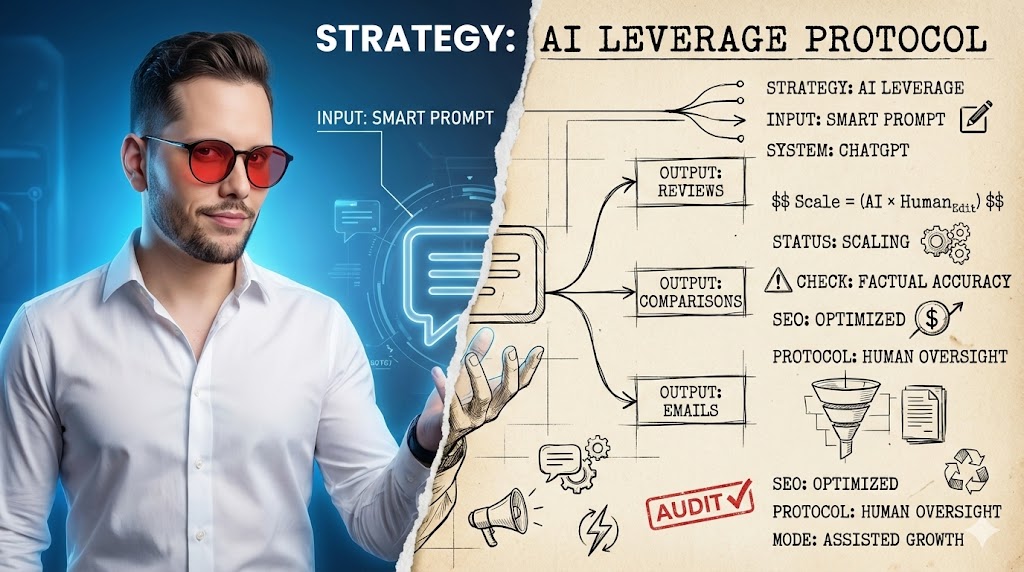
Search Engine Optimization (SEO) remains crucial. Focus on long-tail keywords, user intent, and creating comprehensive, authoritative content. AI tools can assist with keyword research, content structuring, and even generating initial drafts, but human oversight for quality, nuance, and E-E-A-T (Experience, Expertise, Authoritativeness, Trustworthiness) is indispensable.
Step 5: Driving Traffic to Your Content
Even the best content won’t generate sales if no one sees it. Traffic generation is a continuous process.
Organic Traffic (SEO)
This is the most sustainable long-term strategy. Optimize your content for search engines, build high-quality backlinks, and ensure a good user experience on your platform.
Social Media Marketing
Actively promote your content on relevant social media platforms. Engage with your audience, participate in groups, and use trending hashtags. Short-form video content is particularly effective for driving initial interest.
Paid Advertising (Optional for Beginners)
Platforms like Google Ads, Facebook Ads, and TikTok Ads can accelerate traffic, but they require a budget and a solid understanding of ad campaigns. Beginners should typically master organic methods first.
Email Marketing
Regularly send newsletters, exclusive content, and product recommendations to your subscriber list. This is often the highest converting traffic source.
Step 6: Building Trust and Transparency
In an era of increasing skepticism, trust is your most valuable asset.
Disclosure is Non-Negotiable
Always clearly disclose your affiliate relationship. This is not only a legal requirement in many regions (e.g., FTC guidelines in the US) but also builds credibility with your audience. A simple statement like “This post contains affiliate links, and I may earn a commission if you make a purchase” at the top of your content is usually sufficient.
Authenticity and Value
Only recommend products you genuinely believe will benefit your audience. Focus on providing honest reviews, highlighting both pros and cons. Your audience will quickly discern genuine recommendations from sales pitches.
Step 7: Analyzing and Optimizing Your Performance
Affiliate marketing is an iterative process. Continuously monitor your results and make data-driven adjustments.
Key Metrics to Track
- Click-Through Rate (CTR): How many people click your affiliate links.
- Conversion Rate: What percentage of clicks result in a sale.
- Earnings Per Click (EPC): Your average earnings for each click on an affiliate link.
- Traffic Sources: Where your audience is coming from.
- Top-Performing Content: Which pieces of content drive the most sales.
Tools for Analysis
Google Analytics, affiliate network dashboards, and your chosen platform’s analytics (e.g., YouTube Studio) are invaluable for understanding your audience and content performance.
📌 Key Learnings dieses Abschnitts
- Begin with a deep dive into niche selection, balancing passion, audience, and profitability.
- Establish a primary content platform (blog, YouTube, social media) and build an email list.
- Join relevant affiliate programs, prioritizing product quality and relevance over high commissions alone.
- Create high-value, SEO-optimized content that genuinely helps your audience.
- Drive traffic through organic SEO, social media, and potentially paid ads, always disclosing affiliate relationships.
- Continuously analyze performance metrics to refine strategies and optimize for better results.
Advanced Strategies and Future-Proofing Your Affiliate Business in 2026
As you gain experience, incorporating more advanced tactics will be crucial for scaling and maintaining relevance in the ever-evolving digital landscape.
Leveraging AI for Enhanced Efficiency and Personalization
AI is no longer a futuristic concept; it’s a present-day tool that can significantly enhance your affiliate marketing efforts.
AI in Content Creation and Optimization
- Topic Generation: AI can identify trending topics and underserved content gaps within your niche.
- Outline & Draft Generation: Speed up your content creation process by having AI generate initial outlines or even first drafts, which you then refine and infuse with your unique expertise.
- SEO Analysis: AI-powered tools can analyze competitor content, suggest optimal keyword placement, and identify opportunities for internal linking.
- Grammar & Style Refinement: Ensure your content is polished and professional.
AI for Audience Understanding and Personalization
AI can help segment your audience based on behavior, preferences, and demographics, allowing for highly targeted email campaigns and content recommendations. This level of personalization can significantly boost conversion rates.
Diversifying Traffic Sources and Monetization
Relying on a single traffic source or monetization method is a risky strategy. Diversification provides stability and growth opportunities.
Beyond Google: Exploring Niche Search Engines and Platforms
While Google remains dominant, consider optimizing for platforms like Pinterest (visual search), YouTube (video search), or even niche-specific forums and communities where your audience seeks information.
Expanding Monetization Beyond Direct Affiliate Sales
- Information Products: Create your own e-books, courses, or guides related to your niche.
- Consulting/Coaching: If you establish significant expertise, offer one-on-one services.
- Display Advertising: Once you have substantial traffic, display ads can provide an additional revenue stream.
- Sponsored Content: Partner with brands for sponsored posts or videos, ensuring full disclosure.
Building a Strong Brand and Community
In a crowded market, your unique brand voice and the community you cultivate will set you apart.
Developing Your Unique Selling Proposition (USP)
What makes you different? Is it your humor, your in-depth technical analysis, your focus on sustainability, or your personal story? Define it and weave it into all your content.
Engaging with Your Audience
Respond to comments, answer questions, run polls, and create interactive content. A loyal community is more likely to trust your recommendations and become repeat customers.
📌 Key Learnings dieses Abschnitts
- Embrace AI for content generation, optimization, and audience personalization to gain efficiency.
- Diversify traffic sources beyond Google, exploring niche platforms and social media.
- Expand monetization strategies beyond direct affiliate sales, considering information products or consulting.
- Focus on building a unique brand and fostering a strong, engaged community around your content.
Common Pitfalls and How to Avoid Them
The path to affiliate marketing success is not without its challenges. Being aware of common mistakes can help you navigate them effectively.
The “Shiny Object Syndrome”
Beginners often jump from one niche or strategy to another, chasing the latest trend. This lack of focus prevents any single effort from gaining traction. Stick to your chosen niche and strategy for at least 6-12 months before evaluating and making significant changes.
Neglecting SEO or Content Quality
Underestimating the importance of SEO or publishing low-quality, thin content is a recipe for failure. Google and other platforms prioritize valuable, authoritative content. Invest time in research, writing, and optimization.
Lack of Transparency
Failing to disclose affiliate relationships erodes trust and can lead to legal repercussions. Always be upfront with your audience.
Ignoring Analytics
Without tracking your performance, you’re flying blind. Regularly review your data to understand what’s working and what isn’t. This allows for informed decision-making and optimization.
Expecting Overnight Success
Affiliate marketing is a marathon, not a sprint. It takes time to build an audience, establish authority, and see significant returns. Patience and persistence are key virtues.
📌 Key Learnings dieses Abschnitts
- Avoid constantly changing niches or strategies; commit to a plan for sustained periods.
- Prioritize high-quality content and robust SEO to attract and retain an audience.
- Maintain complete transparency regarding affiliate relationships to build and preserve trust.
- Regularly analyze performance data to guide strategic decisions and optimize efforts.
- Cultivate patience and persistence, as significant success in affiliate marketing is a long-term endeavor.
Conclusion: Your Path to Affiliate Marketing Success in 2026
Starting affiliate marketing as a beginner in 2026 is an exciting and viable venture, provided you approach it with a strategic mindset and a commitment to long-term growth. The core principles of providing value, building trust, and understanding your audience remain timeless, but the tools and tactics have evolved significantly. By embracing niche specialization, leveraging AI responsibly, diversifying your efforts, and consistently analyzing your performance, you can build a robust and profitable affiliate business.
Remember, the digital landscape of 2026 rewards authenticity, deep expertise, and a genuine desire to help others. Focus on creating exceptional content that solves real problems, and the financial rewards will naturally follow. Your journey will require dedication and continuous learning, but the potential for passive income and entrepreneurial freedom makes it a truly worthwhile endeavor.
Frequently Asked Questions (FAQ) About Affiliate Marketing in 2026
Q1: How long does it take to see results in affiliate marketing?
A: For beginners, it typically takes anywhere from 6 to 12 months to start seeing consistent, meaningful income. This timeframe allows for content creation, SEO to kick in, audience building, and optimization. Expecting overnight success is unrealistic; patience and consistent effort are crucial.
Q2: Do I need a website to start affiliate marketing?
A: While not strictly mandatory (you can use social media, YouTube, or email lists), having your own website (blog) is highly recommended. It provides a stable, owned platform, allows for strong SEO, and builds long-term authority and trust, which are invaluable assets.
Q3: What are the best niches for affiliate marketing in 2026?
A: Profitable niches often revolve around evergreen problems or passions. In 2026, strong contenders include sustainable living, AI tools and productivity, mental wellness, personalized fitness, niche tech gadgets, remote work solutions, and specialized digital skills training. The key is to find a specific sub-niche within these broader categories.
Q4: Is affiliate marketing still profitable with so much competition?
A: Absolutely. While competition exists, the market is also constantly expanding. Success in 2026 comes from deep niche specialization, providing exceptional value, building genuine trust, and adapting to new technologies like AI. Generic approaches will struggle, but focused, high-quality efforts can thrive.
Q5: How important is AI in affiliate marketing for beginners?
A: AI is becoming increasingly important. For beginners, it can be a powerful assistant for keyword research, content outlining, grammar checks, and even generating initial content drafts. It helps streamline workflows and optimize for better performance, allowing you to focus more on strategy and human-centric content refinement.
Q6: What are the legal requirements for affiliate marketers?
A: The primary legal requirement is transparency. You must clearly disclose your affiliate relationship to your audience, typically at the beginning of any content containing affiliate links. This is mandated by regulatory bodies like the FTC in the US and similar organizations globally. Also, be mindful of data privacy regulations (e.g., GDPR, CCPA) if collecting user data.
Q7: Can I do affiliate marketing without showing my face or voice?
A: Yes, absolutely. Many successful affiliate marketers operate anonymously or semi-anonymously. Blogging is a prime example where your writing and research skills are paramount. You can also create faceless YouTube channels using stock footage, animations, or screen recordings, or focus on platforms like Pinterest where visual curation is key.