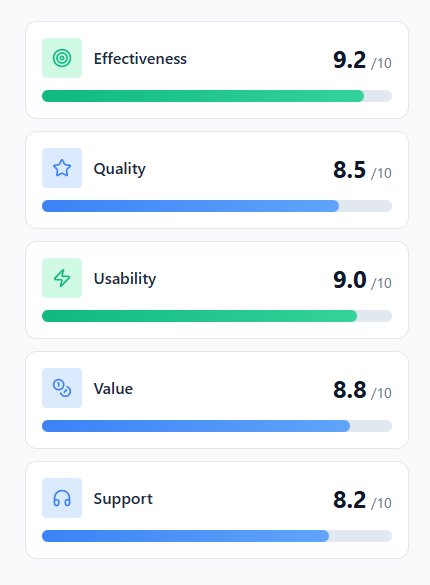


Profitability of Selling Shoes Online
It depends on strategic execution. Selling shoes online can be highly profitable for those who approach it with a clear niche and robust operational plan, but it is not a passive income stream.
- Strongest advantage: Access to a global market and diverse customer base, allowing for high sales volume.
- Biggest limitation: Intense competition and the complexities of managing inventory, sizing, and returns.
- Concrete use case: Ideal for entrepreneurs passionate about footwear who can identify and serve a specific niche with unique or high-demand products.
Understanding the Market: Is Selling Shoes Online Profitable?
The online shoe market is a vast and competitive landscape, yet it offers significant opportunities for profit. Success hinges on a deep understanding of market trends and consumer behavior, rather than simply listing products. Many aspiring sellers face initial hesitation regarding market saturation and the effort required to stand out.
- Market Size: The global online footwear market continues to expand, driven by e-commerce growth.
- Profit Margins: Margins vary widely based on sourcing, brand, and pricing strategy, but can be substantial for niche products.
- Competitive Landscape: Dominated by large retailers, but smaller brands can thrive by offering unique value propositions.
- Operational Costs: Consider expenses for inventory, shipping, marketing, and platform fees.
Choosing Your Niche: What Types of Shoes Sell Best Online?
Niche selection is perhaps the most critical step in establishing a profitable online shoe business. Attempting to compete with major retailers across all categories is often unsustainable. Focusing on an underserved segment allows for targeted marketing and a stronger brand identity, reducing comparison paralysis for potential buyers.
- Specialty Footwear: Running shoes for specific terrains, dance shoes, or medical footwear.
- Sustainable & Ethical Brands: Growing demand for eco-friendly and responsibly produced shoes.
- Custom & Handmade: Unique designs or personalized options command higher prices.
- Vintage & Collectible: Rare or retro sneakers and dress shoes appeal to enthusiasts.
Sourcing Your Inventory: Where Can You Find Shoes to Sell?
Securing reliable and cost-effective inventory is fundamental to your online shoe business. Different sourcing methods cater to various business models and capital availability. Understanding each option’s implications for quality control and scalability is crucial for long-term success.
- Wholesale Suppliers: Purchasing in bulk from distributors or manufacturers for better pricing.
- Dropshipping: Selling products directly from a third-party supplier to the customer, minimizing inventory risk.
- Private Label: Designing your own shoes and having them manufactured under your brand.
- Consignment & Resale: Sourcing pre-owned or unique items from individuals or liquidation sales.
Building Your Online Store: Which Platform is Best for Shoe Sales?
Selecting the right e-commerce platform is a foundational decision that impacts your store’s functionality, scalability, and ease of management. The ideal platform should support high-quality product displays, secure payment processing, and efficient inventory tracking, addressing common execution anxieties about setup.
- Shopify: User-friendly, robust features, and extensive app store for growth.
- WooCommerce: Flexible and customizable for WordPress users, offering full control.
- Etsy: Best for handmade, vintage, or unique artisanal footwear.
- Amazon Seller Central: Access to a massive audience, but with higher fees and competition.
Pros of Selling Shoes Online
- Access to a global customer base, not limited by geography.
- Lower overhead costs compared to a physical retail store.
- Ability to scale operations quickly with demand fluctuations.
Cons of Selling Shoes Online
- High competition from established brands and marketplaces.
- Complexities with sizing, returns, and customer expectations for fit.
- Significant investment required for marketing and inventory.
Optimizing Product Listings: How Do You Make Shoes Look Appealing Online?
Effective product listings are paramount for converting browsers into buyers, especially when customers cannot physically examine the shoes. High-quality visuals and detailed descriptions are essential to convey the product’s value and address common customer questions about fit, material, and style. This helps overcome the challenge of selling a tactile product online.
- Multiple High-Resolution Images: Show shoes from all angles, including close-ups of details.
- Lifestyle Photography: Depict shoes being worn in relevant contexts.
- Accurate Sizing Charts: Provide clear guidance, including conversions for international sizes.
- Rich Descriptions: Highlight materials, features, benefits, and care instructions.
Product Listing Optimization: The process of enhancing product pages with compelling content, high-quality media, and relevant keywords to improve search engine visibility and conversion rates for online shoppers.
Marketing Your Business: How Can You Attract Shoe Buyers?
Attracting your target audience requires a strategic approach to digital marketing. With countless options available, focusing on channels where your ideal customer spends their time is key. A well-executed marketing plan can significantly boost visibility and drive sales, mitigating the risk of being overlooked in a crowded market.
- Social Media Marketing: Platforms like Instagram and Pinterest are highly visual and ideal for showcasing shoes.
- Search Engine Optimization (SEO): Optimize product titles and descriptions for relevant keywords to improve organic search rankings.
- Paid Advertising: Google Ads and social media ads can provide immediate visibility and targeted traffic.
- Email Marketing: Build a list to nurture leads, announce new arrivals, and offer promotions.
Insider tip
Leverage user-generated content (UGC) by encouraging customers to share photos of themselves wearing your shoes. This builds social proof and authentic marketing material at a low cost.
Online Shoe Shopping Trends
Approximately 60-70% of online shoe purchases are influenced by product images and detailed descriptions, underscoring the importance of visual and textual content quality.
Managing Shipping and Returns: What Are the Logistics of Selling Shoes?
Efficient fulfillment and a transparent return policy are critical for customer satisfaction and repeat business in the online shoe market. Poor logistics can quickly erode trust and lead to negative reviews. Customers expect fast, affordable shipping and hassle-free returns, making these operational aspects a significant challenge.
- Shipping Carriers: Research options for cost, speed, and reliability (e.g., USPS, FedEx, UPS).
- Packaging: Ensure shoes are well-protected during transit to prevent damage.
- Return Policy: Clearly state terms, timeframe, and who covers return shipping costs.
- Inventory Management: Implement systems to track stock levels accurately and prevent overselling.
Warning: The Hidden Cost of Returns
Critical mistake to avoid: Underestimating the financial and logistical burden of returns. High return rates, especially due to sizing issues, can significantly impact profitability and operational efficiency if not managed proactively.
Scaling Your Operations: How Can You Grow Your Online Shoe Business?
Once your online shoe business is established, scaling involves strategic expansion and optimization of existing processes. This could mean broadening your product line, exploring new markets, or enhancing customer experience. Implementing automation for repetitive tasks is key to managing increased volume without proportional increases in labor.
- Expand Product Categories: Introduce complementary items like accessories, socks, or shoe care products.
- International Shipping: Explore global markets to reach a wider customer base.
- Automate Processes: Use software for inventory, order fulfillment, and customer service.
- Build Brand Loyalty: Implement loyalty programs and exceptional customer service to retain buyers.
“The future of retail is about creating immersive, personalized experiences, whether online or offline. For shoes, this means making the digital try-on as close to the physical as possible.”
— Sarah Jones, E-commerce Strategist
Insider tip
Consider offering virtual try-on technology or augmented reality (AR) features on your website. This innovative approach can significantly reduce return rates and enhance the online shopping experience for shoes.
Leveraging Affiliate Marketing: Can You Earn More Through Partnerships?
Affiliate marketing offers a powerful avenue for expanding your reach and driving sales without direct advertising spend. By partnering with influencers, bloggers, or content creators, you can tap into their established audiences. This strategy focuses on performance-based commissions, making it a cost-effective way to acquire new customers and build brand awareness.
- Increased Reach: Access new audiences through trusted third-party endorsements.
- Cost-Effective: Pay only for conversions or leads generated, reducing upfront marketing risk.
- Brand Credibility: Leverage the authority and trust of your affiliates.
- Diverse Marketing Channels: Affiliates can promote your products across various platforms.
Case Study: Niche Sneaker Brand’s Affiliate Win
The trap: A small, independent sneaker brand struggled to gain visibility against larger competitors, relying heavily on expensive paid ads with diminishing returns.
The win: They launched an affiliate program, partnering with 10 micro-influencers specializing in streetwear and sneaker culture. Within six months, affiliate sales accounted for 25% of total revenue, with a significantly lower customer acquisition cost, demonstrating the power of targeted partnerships and tools like a robust WordPress affiliate plugin to manage these relationships efficiently.
Affiliate Marketing ROI
Businesses often see a significant return on investment (ROI) from affiliate marketing, with some reports indicating an average ROI of 12:1, making it a highly attractive channel for growth.
Action Checklist
Your Next Steps to Selling Shoes Online
- Define Your Niche: Within the next 7 days, finalize your specific shoe niche and target audience.
- Source Initial Inventory: Over the next 30 days, establish relationships with at least two reliable suppliers for your chosen niche.
- Build E-commerce Store: Within 60 days, launch your basic online store with essential product listings and payment gateways.
- Implement Marketing Strategy: Over the next 90 days, launch your first digital marketing campaign, focusing on social media or SEO.
- Establish Return Policy: Immediately finalize a clear and customer-friendly return and shipping policy.
Common Questions
Is it necessary to have a large budget to start selling shoes online?
No, you can start with a relatively small budget, especially if you begin with dropshipping or selling a limited, highly curated inventory. The key is to reinvest profits to scale.
How do I handle customer concerns about shoe sizing without physical try-ons?
Provide comprehensive sizing charts, include customer reviews with sizing feedback, and offer a flexible return policy. Some brands also use virtual try-on apps.
What are the biggest challenges in selling shoes online?
Key challenges include intense competition, managing inventory and returns efficiently, accurately conveying product quality and fit through digital means, and effective marketing to stand out.