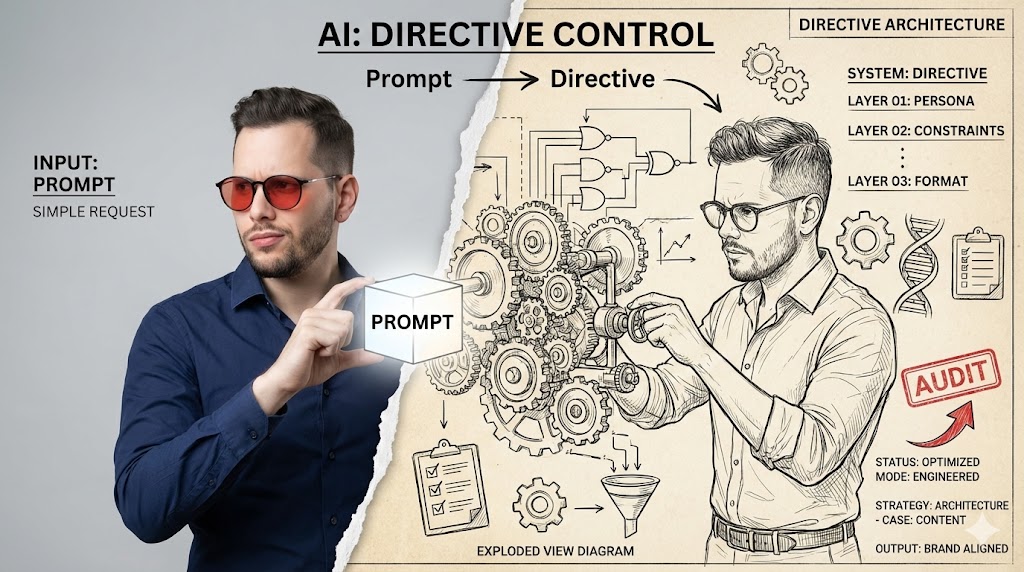
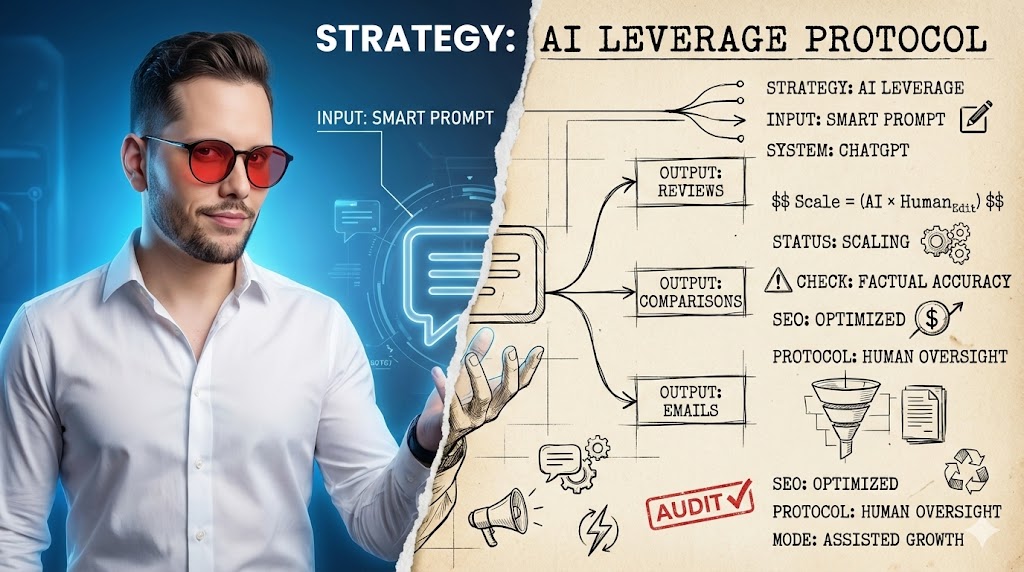
The Strategic Reality of AI in Affiliate Marketing
Integrating Artificial Intelligence into affiliate marketing strategies is no longer a futuristic concept but a present-day imperative for sustained growth and competitive advantage. While traditional methods have served adequately, AI offers a pathway to unparalleled efficiency, personalization, and profitability, transforming how affiliates identify opportunities, engage audiences, and optimize campaigns.
- Efficiency & Scale: AI automates repetitive tasks, allowing affiliates to manage more campaigns and analyze larger datasets with greater precision.
- Hyper-Personalization: AI enables the delivery of highly relevant content and product recommendations, significantly boosting conversion rates.
- Predictive Insights: Leverage AI to forecast trends, identify lucrative niches, and optimize ad spend before competitors.
- Risk Mitigation: AI assists in detecting fraud and ensuring compliance, safeguarding affiliate operations and brand reputation.
The landscape of digital marketing is in constant flux, and for affiliate marketers, staying ahead means embracing technological advancements that offer a genuine edge. Artificial Intelligence, often perceived as a complex frontier, is rapidly becoming a foundational tool for those looking to elevate their strategies beyond conventional approaches. This comprehensive guide explores the practical integration of AI, moving from uncertainty to a clear understanding of its transformative power.
Many affiliates currently rely on manual processes and intuition, which, while effective to a point, often limit scalability and precision. The shift towards AI is not about replacing human ingenuity but about augmenting it, providing affiliates with supercharged analytical capabilities and automation that can unlock new levels of performance. Understanding this synergy is the first step towards a more profitable and sustainable affiliate business model.
The Strategic Imperative: Why AI is Essential for Affiliates
The affiliate marketing ecosystem is characterized by intense competition and rapidly evolving consumer behaviors. In this dynamic environment, relying solely on traditional methods can lead to stagnation, making AI integration a strategic necessity rather than an option. Affiliates who adopt AI are better positioned to respond to market shifts, identify emerging opportunities, and maintain a decisive advantage over their peers.
Shifting Market Dynamics and Competitive Edge
Consumer expectations for personalized experiences and instant gratification have never been higher. AI provides the tools to meet these demands, allowing affiliates to deliver highly relevant content and offers at precisely the right moment. This capability translates directly into a stronger competitive stance, as AI-powered strategies can adapt and optimize far more rapidly than manual ones, securing a larger share of attention and conversions.
Beyond Manual Limitations: Scaling Operations
One of the most significant challenges for growing affiliate businesses is the inherent limitation of manual effort. Tasks such as keyword research, content generation, campaign optimization, and data analysis consume vast amounts of time. AI automates these repetitive, data-intensive processes, enabling affiliates to scale their operations exponentially without a proportional increase in human resources. This efficiency gain is crucial for maximizing output and profitability.
Data Overload and the Need for Intelligent Processing
Modern affiliate marketing generates an overwhelming volume of data, from website analytics and ad performance to user behavior and market trends. Sifting through this data manually to extract actionable insights is often impractical. AI-driven analytics platforms can process and interpret vast datasets in real-time, revealing patterns and correlations that would otherwise remain hidden. This intelligent processing capability is vital for making informed, data-backed decisions.
Understanding AI’s Core Capabilities for Affiliate Success
To effectively integrate AI, affiliates must first grasp its fundamental capabilities and how these can be leveraged within their specific workflows. AI is not a monolithic technology but a collection of diverse tools, each offering unique advantages. Focusing on key areas like machine learning, natural language processing, and automation will clarify its practical applications and help in identifying the most impactful integrations.
Machine Learning for Predictive Insights
Machine Learning (ML) is the backbone of many AI applications, enabling systems to learn from data, identify patterns, and make predictions without explicit programming. For affiliates, ML can predict consumer behavior, forecast market trends, and identify high-converting audience segments. This predictive power allows for proactive strategy adjustments, moving beyond reactive responses to market changes and securing a forward-looking advantage.
Natural Language Processing for Content Generation
Natural Language Processing (NLP) empowers AI to understand, interpret, and generate human language. This capability is revolutionary for content creation, allowing affiliates to generate ad copy, product descriptions, blog posts, and even email sequences at scale. NLP tools can also analyze existing content for sentiment and readability, ensuring that messaging is both engaging and optimized for target audiences. The result is high-quality content produced with unprecedented speed.
Automation and Robotic Process Automation (RPA)
Automation, particularly Robotic Process Automation (RPA), refers to the use of software robots to automate repetitive, rule-based tasks. In affiliate marketing, this includes automating data entry, report generation, email scheduling, and even certain aspects of campaign management. By offloading these mundane tasks to AI, affiliates can free up valuable time to focus on higher-level strategic thinking and creative endeavors, significantly boosting overall productivity.
AI-Powered Content Creation and Optimization
Content remains king in affiliate marketing, but the demands for quality, relevance, and volume are constantly increasing. AI offers powerful solutions to enhance every stage of the content lifecycle, from initial ideation to final optimization. By leveraging AI, affiliates can produce more engaging, higher-converting content more efficiently, ensuring their message resonates deeply with their target audience and drives superior engagement metrics.
Generating High-Converting Ad Copy and Product Reviews
Crafting compelling ad copy and persuasive product reviews is crucial for driving clicks and conversions. AI writing assistants can generate multiple variations of headlines, body copy, and calls-to-action, tailored to specific platforms and audience segments. These tools learn from successful past campaigns, suggesting language that is more likely to convert. This capability allows affiliates to rapidly test and deploy highly optimized messaging, reducing the guesswork involved in ad creation.
Optimizing Blog Posts and Landing Page Text
Beyond short-form copy, AI can significantly improve the performance of longer content formats like blog posts and landing pages. AI tools can analyze content for SEO effectiveness, readability, keyword density, and even emotional tone. They can suggest improvements, rephrase sentences, and ensure the content flows naturally while remaining optimized for search engines and user engagement. This leads to better organic rankings and increased time on page, directly impacting affiliate revenue.
A/B Testing Content Variations at Scale
Traditional A/B testing can be time-consuming and resource-intensive, especially when testing multiple content variations. AI platforms can automate the process of generating, deploying, and analyzing A/B tests for various content elements, from headlines to entire page layouts. They can quickly identify winning variations and dynamically serve the best-performing content to different user segments, ensuring that affiliates are always presenting the most effective version of their message to maximize conversions.
Optimizing Content with AI
Focus on using AI for generating initial drafts and optimizing existing content. While AI can produce text, the human touch is still essential for adding unique perspectives, brand voice, and emotional resonance. Think of AI as your co-pilot, not the sole pilot, in content creation. This balanced approach ensures authenticity alongside efficiency.
Enhancing SEO with AI-Driven Insights
Search Engine Optimization (SEO) is a cornerstone of affiliate marketing, driving organic traffic and long-term visibility. AI is revolutionizing SEO by providing deeper insights, automating complex analysis, and enabling more precise optimization strategies. By integrating AI into their SEO efforts, affiliates can uncover hidden opportunities, outmaneuver competitors, and secure higher rankings, leading to a consistent stream of qualified leads.
Advanced Keyword Research and Topic Clustering
Traditional keyword research often involves manual sifting through data, which can be limited in scope. AI tools can analyze vast amounts of search data, identify semantic relationships between keywords, and group them into comprehensive topic clusters. This allows affiliates to target broader, more relevant topics rather than just individual keywords, leading to more authoritative content and improved search engine visibility across a wider range of queries.
Competitor Analysis and Gap Identification
Understanding what competitors are doing well and where they are falling short is critical for strategic SEO. AI can perform in-depth competitor analysis, identifying their top-ranking content, backlink profiles, and keyword strategies. More importantly, AI can pinpoint content gaps and underserved niches that competitors have missed, providing affiliates with clear pathways to create unique, high-value content that captures untapped organic traffic.
On-Page Optimization Recommendations
Optimizing individual web pages for search engines involves numerous factors, from meta descriptions and heading structures to image alt text and internal linking. AI-powered SEO tools can audit pages in real-time, providing specific, actionable recommendations for on-page improvements. These recommendations are often based on analysis of top-ranking pages, ensuring that affiliates are implementing strategies that are proven to be effective and contribute to superior search performance.
Personalized User Experiences through AI
In an increasingly crowded digital space, generic marketing messages are easily ignored. Personalization is key to capturing and retaining audience attention, and AI excels at delivering highly tailored experiences. By understanding individual user preferences and behaviors, AI allows affiliates to present content and offers that are uniquely relevant to each visitor, fostering deeper engagement and significantly boosting conversion rates and customer loyalty.
Dynamic Content Delivery and Product Recommendations
AI can analyze a user’s browsing history, demographics, and real-time behavior to dynamically adjust the content they see on a website or in an email. This includes displaying personalized product recommendations, relevant articles, or even different versions of a landing page. Such dynamic content delivery ensures that every interaction feels bespoke, making the user feel understood and increasing the likelihood of them taking the desired action, thereby driving more effective affiliate conversions.
Tailoring User Journeys for Higher Conversions
Beyond individual content pieces, AI can map and optimize entire user journeys. By predicting the next best action for a user based on their past interactions, AI can guide them through a personalized sales funnel. This might involve triggering specific email sequences, displaying targeted pop-ups, or adjusting the navigation path on a site. The goal is to remove friction and provide a seamless, intuitive experience that naturally leads to a purchase, resulting in a streamlined path to affiliate revenue.
Predictive User Behavior Analysis
One of AI’s most powerful applications is its ability to predict future user behavior. By analyzing historical data, AI can forecast which users are most likely to convert, churn, or respond to a specific offer. This allows affiliates to allocate their resources more effectively, focusing their efforts on high-potential leads and proactively addressing potential issues. This predictive capability is a game-changer for optimizing marketing spend and maximizing ROI.
Optimizing Ad Spend and Campaign Performance
Advertising is a significant investment for many affiliates, and ensuring every dollar is spent effectively is paramount. AI brings unprecedented precision to ad campaign management, moving beyond broad targeting to hyper-optimization. By leveraging AI, affiliates can achieve higher ad relevance, reduce wasted spend, and significantly improve their return on advertising investment, leading to more profitable and scalable campaigns.
Intelligent Bid Management and Budget Allocation
AI algorithms can analyze real-time auction data, competitor bids, and historical performance to automatically adjust ad bids for maximum impact. This intelligent bid management ensures that affiliates are paying the optimal price for clicks and impressions, avoiding overspending while still securing prime ad placements. Furthermore, AI can dynamically allocate budgets across different campaigns and platforms based on performance, ensuring resources are always directed towards the most effective channels for conversion.
Identifying High-Performing Audiences
Traditional audience targeting relies on broad demographic and interest categories. AI, however, can delve much deeper, identifying nuanced audience segments that are most likely to convert. By analyzing vast datasets of user behavior, purchase history, and online interactions, AI can uncover hidden correlations and create highly specific custom audiences. This precision targeting ensures that ad spend reaches the most receptive individuals, dramatically increasing ad relevance and conversion rates.
Real-time Campaign Adjustments
Ad campaign performance can fluctuate rapidly due to market changes, competitor actions, or shifting consumer sentiment. AI platforms can monitor campaigns in real-time, detecting anomalies and opportunities as they arise. This allows for immediate, automated adjustments to ad creative, targeting parameters, or bidding strategies. Such agility ensures that campaigns are always operating at peak efficiency, minimizing losses and capitalizing on emerging trends for continuous performance improvement.
Strategic Ad Spend Allocation
Don’t just set and forget your AI ad tools. Regularly review the AI’s recommendations and performance data. Understand *why* the AI is making certain decisions. This human oversight ensures that the AI aligns with your broader business goals and helps you learn from its insights, fostering a smarter, more adaptive advertising strategy.
Predictive Analytics for Niche Identification and Trend Spotting
The ability to identify profitable niches and anticipate market trends before they become mainstream is a significant advantage in affiliate marketing. Predictive analytics, powered by AI, offers affiliates a crystal ball into future market dynamics. By analyzing historical data and current signals, AI can uncover emerging opportunities, allowing affiliates to position themselves strategically and capitalize on demand before the competition catches up, securing a first-mover advantage in lucrative markets.
Uncovering Untapped Market Opportunities
AI can process vast amounts of data from social media, search queries, forums, and e-commerce platforms to identify underserved markets or emerging product categories. These are often niches with high demand but low competition, representing significant opportunities for affiliates. By using AI to detect these nascent trends, marketers can be among the first to create content and promote products, establishing authority and capturing market share early, leading to substantial long-term gains.
Forecasting Product Demand and Seasonal Trends
Understanding when demand for certain products will peak or wane is crucial for inventory management, content scheduling, and campaign timing. AI models can analyze historical sales data, search trends, and external factors like holidays or cultural events to accurately forecast product demand and seasonal fluctuations. This foresight allows affiliates to prepare their campaigns in advance, ensuring they are ready to capitalize on peak periods and avoid promoting products during times of low interest, thereby optimizing promotional efforts.
Early Warning Systems for Market Saturation
Just as AI can identify emerging opportunities, it can also signal when a niche is becoming oversaturated or when a product’s lifecycle is nearing its end. By monitoring competitor activity, search volume trends, and consumer sentiment, AI can provide early warnings of declining profitability in a particular area. This allows affiliates to pivot their strategies, explore new niches, or adjust their promotional tactics before they incur significant losses, ensuring a resilient and adaptable business model.
Automating Affiliate Operations and Workflows
The operational side of affiliate marketing often involves numerous repetitive tasks that consume valuable time and resources. AI and automation tools are transforming these workflows, freeing affiliates from mundane administrative duties and allowing them to focus on strategic initiatives. By streamlining operations, affiliates can achieve greater efficiency, reduce errors, and accelerate their overall business growth, leading to a more productive and less stressful work environment.
Streamlining Reporting and Analytics
Gathering data from various platforms, compiling reports, and extracting insights can be a labor-intensive process. AI-powered reporting tools can automatically collect data from all connected sources, generate customized reports, and even highlight key performance trends and anomalies. This automation ensures that affiliates have access to up-to-date, actionable insights without the manual effort, enabling faster and more informed decision-making.
Automated Outreach and Communication
Maintaining relationships with merchants, partners, and even potential collaborators often involves extensive communication. AI can automate aspects of this outreach, such as sending personalized follow-up emails, scheduling appointments, or managing social media interactions. While human oversight remains crucial for sensitive communications, AI can handle the initial stages and routine interactions, ensuring timely engagement and fostering stronger professional networks.
Task Management and Efficiency Gains
From content scheduling to campaign deployment, affiliate marketing involves managing a multitude of tasks. AI-driven project management and workflow automation tools can help organize these tasks, assign priorities, and even automate their execution. This leads to significant efficiency gains, reducing the chances of missed deadlines and ensuring that all operational aspects of the business run smoothly. The result is a more organized and productive affiliate operation.
Leveraging AI for Fraud Detection and Compliance
Fraud and compliance issues pose significant risks to affiliate marketers, potentially leading to lost revenue, damaged reputation, and legal complications. AI offers robust solutions for identifying and mitigating these risks, protecting both the affiliate and their merchant partners. By employing AI for vigilant monitoring and analysis, affiliates can ensure the integrity of their campaigns and maintain a trustworthy business operation, which is essential for long-term success.
Identifying Suspicious Traffic Patterns
Click fraud, bot traffic, and other forms of fraudulent activity can severely skew campaign data and waste ad spend. AI systems are adept at analyzing vast amounts of traffic data in real-time, identifying unusual patterns, IP addresses, or behavioral anomalies that indicate fraudulent activity. This allows affiliates to quickly block suspicious sources and prevent further losses, ensuring that their traffic is legitimate and their data is accurate for reliable performance measurement.
Ensuring Adherence to Brand Guidelines
Affiliates are often bound by strict brand guidelines and promotional terms set by their merchant partners. Non-compliance can lead to penalties or even termination of partnerships. AI tools can monitor affiliate content, ad creatives, and landing pages to ensure they adhere to all specified guidelines, flagging any potential violations before they become an issue. This proactive compliance management helps maintain strong relationships with merchants and protects the affiliate’s reputation.
Protecting Against Click Fraud and Bot Traffic
Beyond general suspicious patterns, AI can specifically target and neutralize click fraud and bot traffic. These sophisticated algorithms can distinguish between genuine human interactions and automated bot activity, preventing fraudulent clicks from draining ad budgets. By implementing AI-powered fraud detection, affiliates can ensure that their marketing spend is directed towards real potential customers, thereby maximizing the effectiveness of their campaigns and improving ROI.
The Role of AI in Affiliate Link Management
Affiliate links are the lifeblood of the business, and their effective management is critical for accurate tracking and revenue generation. AI can significantly enhance link management by automating monitoring, optimizing placement, and ensuring their continuous functionality. This intelligent approach to link management reduces manual overhead, minimizes broken links, and maximizes the earning potential from every single click, contributing to a more robust and reliable revenue stream.
Automated Link Monitoring and Health Checks
Broken or expired affiliate links can lead to lost commissions and a poor user experience. Manually checking hundreds or thousands of links is impractical. AI-powered tools can continuously monitor all affiliate links, automatically detecting broken links, changes in destination URLs, or expired offers. Upon detection, these systems can alert the affiliate or even suggest alternative links, ensuring that every click is monetized and that the user journey remains seamless, thereby safeguarding potential earnings.
Dynamic Link Generation and Tracking
For large-scale operations, generating and managing unique tracking links for various campaigns, channels, and promotions can be complex. AI can automate the dynamic generation of these links, ensuring proper attribution and tracking across all touchpoints. Furthermore, AI can analyze which link variations or placements perform best, providing insights for future optimization. This dynamic capability simplifies complex tracking setups and provides granular performance data.
Optimizing Link Placement for Engagement
The placement of affiliate links within content significantly impacts their click-through rates. AI can analyze user behavior data, eye-tracking patterns (if available), and content context to recommend optimal link placements. It can identify the most engaging sections of an article or the most effective positions on a landing page for a call-to-action. This data-driven approach to link placement ensures that links are visible, relevant, and strategically positioned to encourage clicks, leading to higher conversion rates.
Building AI-Enhanced Landing Pages for Conversion
Landing pages are critical conversion points in the affiliate funnel, and their design and content directly impact performance. AI offers powerful capabilities to optimize landing pages, moving beyond static designs to dynamic, personalized experiences. By leveraging AI, affiliates can create pages that adapt to individual user preferences, leading to significantly higher engagement and conversion rates, thereby maximizing the effectiveness of every visitor.
AI-Driven Layout and Element Optimization
Determining the optimal layout, color schemes, image choices, and form placements on a landing page can be a complex design challenge. AI tools can analyze vast amounts of user interaction data to identify which design elements contribute most to conversions. They can then suggest improvements or even automatically generate optimized page variations. This AI-driven optimization ensures that every component of the landing page is working in harmony to guide the user towards the desired action, resulting in superior page performance.
Personalizing Call-to-Actions (CTAs)
A generic call-to-action (CTA) may not resonate with all visitors. AI can personalize CTAs based on a user’s demographics, browsing history, and real-time behavior. For instance, a first-time visitor might see a CTA offering a guide, while a returning visitor who has viewed specific products might see a CTA for a discount. This dynamic personalization makes CTAs far more compelling and relevant, significantly increasing their click-through rates and leading to more qualified conversions.
Predictive Conversion Rate Optimization
AI can go beyond simply optimizing existing elements; it can predict which changes are most likely to improve conversion rates before they are even implemented. By simulating user interactions and analyzing potential outcomes, AI can recommend the most impactful adjustments to a landing page. This predictive CRO allows affiliates to make data-backed decisions about page design and content, reducing the risk of ineffective changes and ensuring that every optimization effort contributes to measurable improvements in performance.
| Aspect | Traditional Affiliate Strategy | AI-Enhanced Affiliate Strategy |
|---|---|---|
| Content Creation | Manual writing, limited A/B testing, intuition-based topics. | AI-generated drafts, sentiment analysis, automated A/B testing, data-driven topic selection. |
| Audience Targeting | Broad demographics, manual segmentation, limited real-time adjustments. | Hyper-segmentation, predictive behavior analysis, dynamic audience adjustments, real-time optimization. |
| Campaign Optimization | Manual bid adjustments, periodic performance reviews, reactive changes. | Automated bid management, continuous real-time optimization, proactive anomaly detection, budget allocation. |
| Niche Identification | Market research, trend reports, subjective analysis, often reactive. | Predictive trend spotting, untapped market discovery, early warning for saturation, data-driven forecasting. |
| Fraud Detection | Manual monitoring, basic filters, often after the fact. | Real-time anomaly detection, bot traffic identification, proactive fraud prevention. |
Data-Driven Decision Making with AI
In the complex world of affiliate marketing, making decisions based on intuition alone is a recipe for inconsistency. AI transforms decision-making by providing a robust framework of data analysis, insight generation, and predictive modeling. This shift empowers affiliates to move from guesswork to precision, ensuring that every strategic choice is backed by solid evidence, leading to more consistent and predictable results.
Consolidating Disparate Data Sources
Affiliate marketers often deal with data scattered across various platforms: ad networks, analytics tools, CRM systems, and affiliate dashboards. Manually consolidating this data for a holistic view is challenging. AI-powered data integration platforms can automatically collect, clean, and unify data from all these sources, creating a single, comprehensive view of performance. This consolidation is fundamental for generating accurate and complete insights.
Actionable Insights from Complex Datasets
Raw data, no matter how abundant, is only valuable if it can be translated into actionable insights. AI algorithms are designed to identify complex patterns, correlations, and anomalies within vast datasets that would be impossible for humans to discern. These insights can reveal optimal times for promotions, the most effective channels, or even subtle shifts in consumer preferences, enabling affiliates to make strategic adjustments that directly impact profitability.
Reducing Guesswork in Strategic Planning
Every strategic decision, from entering a new niche to launching a major campaign, carries a degree of risk. AI helps mitigate this risk by providing data-backed predictions and scenario analyses. By simulating potential outcomes based on historical data and current market conditions, AI reduces the reliance on guesswork, allowing affiliates to make more confident and informed strategic plans. This leads to a more predictable and successful business trajectory.
Ethical Considerations and Responsible AI Use
While AI offers immense benefits, its integration also brings forth important ethical considerations that affiliates must address. Responsible AI use is not just about compliance; it’s about building trust with your audience and maintaining a sustainable business model. By proactively addressing issues like data privacy, algorithmic bias, and transparency, affiliates can ensure their AI strategies are both effective and ethically sound, fostering a reputation for integrity and trustworthiness.
Data Privacy and Compliance (GDPR, CCPA)
AI systems often rely on vast amounts of user data, making data privacy a paramount concern. Affiliates must ensure that their AI tools and data collection practices comply with global regulations such as GDPR, CCPA, and other regional privacy laws. This involves obtaining proper consent, anonymizing data where necessary, and implementing robust security measures. Adhering to these regulations is crucial for avoiding legal penalties and maintaining consumer trust, which is a non-negotiable aspect of modern marketing.
Avoiding Bias in AI Algorithms
AI algorithms are trained on data, and if that data contains inherent biases, the AI will perpetuate and even amplify them. This can lead to discriminatory targeting, unfair content recommendations, or skewed performance metrics. Affiliates must be vigilant in auditing their AI systems and the data they use to identify and mitigate any biases. Ensuring fairness and inclusivity in AI outputs is essential for reaching a diverse audience effectively and maintaining an equitable marketing approach.
Maintaining Transparency with Your Audience
As AI becomes more prevalent, consumers are increasingly aware of its use in marketing. Being transparent with your audience about how AI is used to personalize their experience or recommend products can build trust rather than erode it. While not every detail needs to be disclosed, acknowledging the use of AI in a general sense can foster a sense of honesty and openness. This transparency contributes to a stronger brand-consumer relationship and enhances long-term loyalty.
Ethical AI Deployment
Always prioritize user privacy and transparency. Ensure your AI tools are used to enhance user experience, not to manipulate. Regularly review your data sources for bias and ensure compliance with all relevant data protection regulations. A strong ethical foundation builds lasting trust and protects your brand’s reputation.
Overcoming Common Implementation Challenges
While the benefits of AI are clear, the path to integration is not without its hurdles. Affiliates, particularly those new to advanced technologies, may encounter challenges related to investment, skill gaps, and system integration. Addressing these proactively is key to a successful AI adoption. By anticipating and planning for these common obstacles, affiliates can ensure a smoother transition and maximize the return on their AI investments, leading to a more effective and less disruptive implementation.
Initial Investment and ROI Justification
Implementing AI tools often requires an initial financial investment, which can be a barrier for smaller affiliates. Justifying this investment requires a clear understanding of the potential ROI. Affiliates should conduct thorough cost-benefit analyses, focusing on projected efficiency gains, increased conversion rates, and reduced operational costs. Presenting a clear business case for AI helps in securing the necessary resources and demonstrating the long-term value, making the initial outlay a strategic asset.
Skill Gaps and Training Requirements
Working with AI tools often requires new skills, from understanding data analytics to configuring machine learning models. Many affiliates may face a skill gap within their existing teams. Addressing this requires investing in training programs, hiring specialized talent, or leveraging AI tools with intuitive user interfaces that minimize the need for deep technical expertise. Bridging this gap is crucial for ensuring that the AI tools are used effectively and that the team can fully leverage their capabilities, leading to empowered and knowledgeable personnel.
Integrating AI Tools with Existing Stacks
Affiliates typically use a variety of marketing tools, from email platforms to analytics dashboards. Integrating new AI solutions with this existing technology stack can sometimes be complex. Compatibility issues, data silos, and API limitations can hinder seamless operation. It’s important to choose AI tools that offer robust integration capabilities or to plan for custom integrations. A smooth integration ensures that AI augments existing workflows rather than creating new operational complexities, resulting in a cohesive and powerful technology ecosystem.
Measuring the Return on Investment (ROI) of AI Initiatives
To truly understand the value of AI integration, affiliates must establish clear metrics for measuring its return on investment. Without a robust framework for tracking performance, it’s difficult to justify ongoing investment or identify areas for improvement. By defining relevant KPIs and meticulously tracking incremental gains, affiliates can demonstrate the tangible impact of AI on their bottom line, ensuring that every AI initiative contributes to measurable business success.
Defining Key Performance Indicators (KPIs)
Before implementing any AI solution, it’s crucial to define specific Key Performance Indicators (KPIs) that will be used to measure its success. These might include increased conversion rates, reduced customer acquisition costs, improved ad click-through rates, time saved on content creation, or enhanced organic search rankings. Clear KPIs provide a benchmark against which the AI’s performance can be objectively evaluated, ensuring that the focus remains on achieving tangible business outcomes.
Tracking Incremental Revenue and Efficiency Gains
Measuring ROI involves not just tracking overall performance but also identifying the incremental revenue and efficiency gains directly attributable to AI. This might involve A/B testing AI-powered vs. manual campaigns, comparing pre- and post-AI metrics, or analyzing the time saved on automated tasks. Quantifying these incremental benefits provides concrete evidence of AI’s value, allowing affiliates to precisely understand its contribution to their financial success and operational efficiency, thereby validating the strategic investment.
Long-Term Strategic Advantages
Beyond immediate financial returns, AI also offers significant long-term strategic advantages that contribute to ROI. These include enhanced data intelligence, a deeper understanding of customer behavior, improved adaptability to market changes, and the ability to scale operations more effectively. While harder to quantify in the short term, these strategic benefits build a more resilient and competitive affiliate business, ensuring sustained growth and market leadership over time, which is a critical component of enduring success.
Choosing the Right AI Tools and Platforms for Your Business
The market for AI tools is rapidly expanding, offering a dizzying array of options. Selecting the right platforms is a critical decision that can significantly impact the success of your AI integration. A thoughtful approach involves assessing your specific needs, evaluating vendor capabilities, and considering the long-term scalability of the chosen solutions. Making informed choices ensures that your AI investments are well-placed and contribute effectively to your strategic goals, leading to a harmonious and powerful technology stack.
Assessing Needs and Budget Constraints
Before diving into tool selection, clearly define your most pressing needs and the specific problems you aim to solve with AI. Are you primarily focused on content generation, ad optimization, or data analytics? Simultaneously, establish a realistic budget. Some AI tools offer free tiers or affordable entry points, while others require substantial investment. Matching your needs with your budget ensures that you select tools that are both effective and financially viable, providing the best possible value for your investment.
Evaluating Vendor Capabilities and Support
Not all AI tools are created equal. Thoroughly evaluate potential vendors based on their track record, the sophistication of their AI models, ease of use, and the quality of their customer support. Look for tools that offer clear documentation, tutorials, and responsive technical assistance. A strong vendor partnership can be invaluable, especially during the initial implementation phase, ensuring that you have the necessary resources to maximize the tool’s potential and overcome any technical challenges efficiently.
Scalability and Future-Proofing Your Stack
As your affiliate business grows, your AI needs will likely evolve. Choose AI tools and platforms that are scalable, meaning they can handle increasing data volumes and more complex tasks without significant overhauls. Additionally, consider tools that are regularly updated and integrate well with other emerging technologies. Future-proofing your AI stack ensures that your investments continue to provide value as the industry progresses, maintaining a flexible and adaptable technological foundation.
Navigating AI Implementation
Start small with AI. Identify one or two key areas where AI can provide immediate value, such as content ideation or ad copy optimization. Implement and learn, then gradually expand. This iterative approach reduces risk and allows for continuous improvement, making the transition to AI more manageable and demonstrating tangible results early on.
Future Trends: AI and the Evolving Affiliate Landscape
The integration of AI into affiliate marketing is not a static event but an ongoing evolution. Staying abreast of emerging trends is crucial for maintaining a competitive edge and preparing for the next wave of technological advancements. The future promises even more sophisticated AI applications that will further redefine how affiliates operate, offering new avenues for personalization, automation, and strategic growth. Understanding these trends allows affiliates to proactively adapt and innovate.
The Rise of Hyper-Personalization
While current AI offers strong personalization, the future points towards hyper-personalization, where AI systems will anticipate individual needs and preferences with uncanny accuracy, delivering truly one-to-one marketing experiences. This will involve deeper integration of behavioral data, biometric signals, and even emotional states to craft incredibly precise offers and content. Affiliates who master hyper-personalization will command unparalleled engagement and loyalty, leading to unprecedented conversion rates.
AI in Voice Search and Conversational Commerce
Voice search and conversational AI (chatbots, virtual assistants) are growing rapidly, changing how consumers interact with brands and make purchasing decisions. Affiliates will need to optimize their content and strategies for voice queries and integrate AI-powered conversational interfaces to guide users through the sales funnel. This shift will open new channels for discovery and conversion, requiring affiliates to adapt their content and engagement models for a more natural, spoken interaction, thereby tapping into emerging consumer behaviors.
Autonomous Affiliate Marketing Systems
Looking further ahead, the concept of autonomous affiliate marketing systems, where AI manages entire campaigns from content creation and ad placement to optimization and reporting with minimal human intervention, is becoming a tangible possibility. While full autonomy is still some way off, the trend towards increasingly self-optimizing systems will continue. Affiliates who embrace this evolution will be able to manage vast portfolios with incredible efficiency, focusing their human efforts on strategic oversight and innovation, leading to a highly scalable and automated business model.
Cultivating an AI-Ready Mindset for Sustainable Growth
Beyond tools and technologies, the most crucial aspect of successful AI integration is cultivating the right mindset within your affiliate business. Embracing a culture of continuous learning, adaptability, and innovation is paramount. This human element ensures that AI is not just a technological add-on but a fundamental driver of strategic thinking and long-term growth, positioning affiliates for sustained success in an evolving digital landscape, thereby fostering a resilient and forward-thinking organization.
Embracing Continuous Learning and Adaptation
The field of AI is constantly advancing, with new algorithms, tools, and best practices emerging regularly. Affiliates must commit to continuous learning, staying informed about the latest developments and understanding how they can be applied to their strategies. This adaptive mindset ensures that the business remains agile and responsive to technological shifts, preventing stagnation and ensuring that AI investments continue to yield optimal returns. It is a commitment to ongoing improvement and strategic evolution.
Fostering Innovation within Your Affiliate Team
AI should be seen as a catalyst for innovation, not just an automation tool. Encourage your team to experiment with new AI applications, challenge existing workflows, and think creatively about how AI can solve complex problems. Creating an environment where experimentation is encouraged, and failures are viewed as learning opportunities, will unlock the full potential of AI within your organization. This innovative spirit is essential for discovering unique competitive advantages and driving breakthrough results.
Strategic Vision for AI Integration
Finally, successful AI integration requires a clear strategic vision. It’s not enough to simply adopt a few AI tools; there must be a cohesive plan for how AI will support the overall business objectives. This involves defining long-term goals, identifying key areas where AI can provide the most impact, and establishing a roadmap for phased implementation. A well-articulated strategic vision ensures that all AI efforts are aligned and contribute to the overarching success of the affiliate business, providing a clear direction for future growth.
Your Strategic AI Integration Roadmap
- Assess Current Operations: Identify manual, repetitive tasks and data-intensive processes that are prime candidates for AI automation.
- Define Clear Objectives: Establish specific, measurable goals for what you want AI to achieve (e.g., 15% increase in conversion, 20% reduction in content creation time).
- Research & Select Tools: Evaluate AI platforms based on your needs, budget, scalability, and integration capabilities with your existing tech stack.
- Pilot & Learn: Start with a small-scale pilot project in a low-risk area. Gather data, analyze results, and refine your approach before wider deployment.
- Invest in Training: Provide your team with the necessary skills and knowledge to effectively utilize AI tools and interpret AI-generated insights.
- Monitor & Optimize: Continuously track AI performance against your KPIs. Be prepared to make adjustments and explore new applications as the technology evolves.
- Prioritize Ethics & Compliance: Ensure all AI implementations adhere to data privacy regulations and ethical guidelines to build and maintain trust.
- Foster an Innovative Culture: Encourage experimentation and continuous learning within your team to fully leverage AI’s potential for strategic advantage.
Is AI going to replace affiliate marketers?
No, AI is not expected to replace affiliate marketers entirely. Instead, it serves as a powerful tool to augment human capabilities, automate repetitive tasks, and provide deeper insights. Affiliates who learn to leverage AI will gain a significant competitive advantage, focusing their efforts on strategic thinking, creativity, and relationship building, which AI cannot replicate.
What’s the biggest advantage of AI for small affiliate businesses?
For small affiliate businesses, the biggest advantage of AI is its ability to provide scalability and efficiency without a massive increase in headcount. AI can automate content creation, optimize ad spend, and analyze data, allowing small teams to compete more effectively with larger players by maximizing their limited resources and identifying niche opportunities faster.
How much does it cost to integrate AI into affiliate marketing?
The cost of integrating AI varies widely. There are free or low-cost AI tools for specific tasks (e.g., content generation, basic analytics) and enterprise-level platforms that require significant investment. The cost depends on the complexity of the tools, the scope of integration, and whether custom development is needed. It’s crucial to start with a clear budget and prioritize tools that offer the highest ROI for your specific needs.
Can AI help with finding new affiliate programs?
Yes, AI can significantly assist in finding new affiliate programs. By analyzing market trends, competitor activities, and consumer demand, AI tools can identify emerging niches and products that are gaining traction. This allows affiliates to discover lucrative programs before they become saturated, providing a strategic advantage in program selection and partnership development.
What are the risks of using AI in affiliate marketing?
While beneficial, risks include potential algorithmic bias leading to skewed results, data privacy concerns if not handled correctly, over-reliance on automation without human oversight, and the initial learning curve for implementation. It’s essential to use AI responsibly, maintain ethical standards, and regularly monitor its performance to mitigate these risks effectively.
How quickly can I see results from AI integration?
The timeline for seeing results from AI integration can vary. For tasks like ad optimization or content generation, you might see improvements in weeks. For broader strategic shifts, such as niche identification or comprehensive workflow automation, it could take several months to fully realize and measure the impact. Starting with pilot projects and clear KPIs helps in demonstrating tangible results sooner.