

The Strategic Blueprint for Affiliate Marketing Excellence
Achieving sustained success in affiliate marketing transcends mere link placement; it demands a strategic, data-driven approach focused on delivering genuine value to an identified audience. The core principle involves meticulous niche selection, creating authoritative content, and optimizing every stage of the conversion funnel. This methodology empowers affiliates to build resilient businesses that thrive amidst evolving market dynamics.
- Niche Mastery: Focus on a specific audience need to establish authority and trust.
- Content Value: Prioritize creating high-quality, problem-solving content over aggressive sales pitches.
- Traffic Diversification: Rely on a mix of SEO, paid ads, and email to mitigate risks.
- CRO Focus: Continuously optimize landing pages and calls to action for improved performance.
- Ethical Practice: Maintain transparency and build long-term credibility with your audience.
Understanding the Modern Affiliate Landscape
The affiliate marketing industry has undergone a significant transformation, moving beyond simple banner ads to become a sophisticated ecosystem driven by content, data, and authentic engagement. Today’s successful affiliates operate as trusted authorities and content creators, guiding consumers through complex purchasing decisions. This evolution necessitates a deeper understanding of market forces and consumer behavior.
Evolution from Traditional Models
Historically, affiliate marketing often involved broad reach and less targeted promotions. However, the digital landscape has matured, demanding a shift towards more refined strategies. The focus has moved from sheer volume to quality traffic and high-intent conversions, emphasizing the importance of relevance and user experience. This means understanding where your audience spends their time and what problems they seek to solve.
Key Trends and Market Dynamics
Current market dynamics highlight the increasing importance of mobile optimization, video content, and personalized user experiences. Affiliates who adapt to these trends by creating responsive websites and engaging multimedia content are better positioned for success. The rise of influencer marketing also underscores the value of authentic recommendations and community trust, which traditional models often overlooked.
The Role of AI and Automation
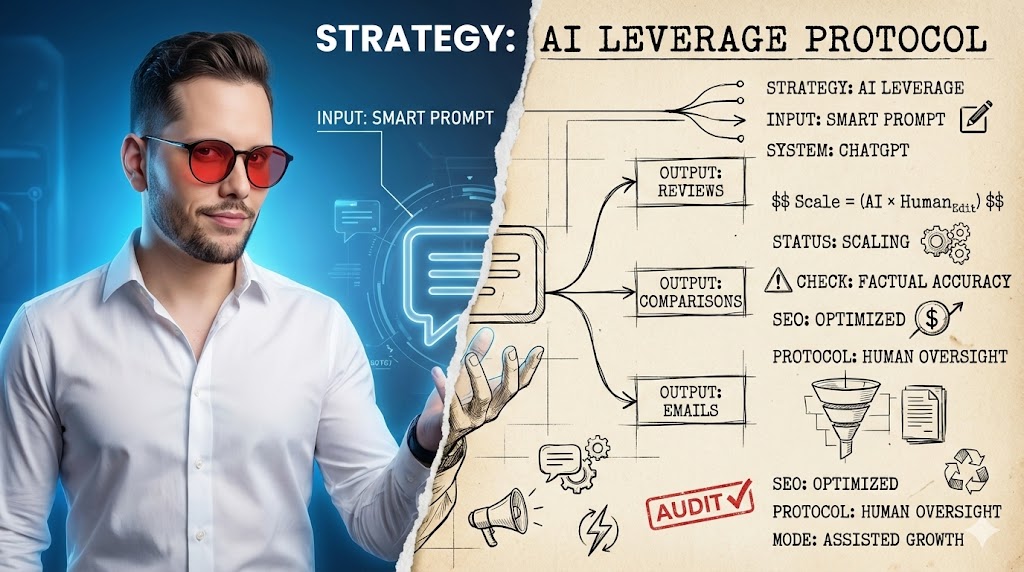
Artificial intelligence and automation are reshaping affiliate marketing by streamlining tasks such as keyword research, content optimization, and ad campaign management. Leveraging AI tools can provide a significant competitive advantage, allowing affiliates to analyze vast datasets, predict trends, and personalize content at scale. This technological integration is not about replacing human insight but augmenting it for greater efficiency and precision.
Niche Selection and Audience Identification
The foundation of any successful affiliate venture lies in the meticulous selection of a niche and a profound understanding of its target audience. A well-defined niche allows for focused effort and the establishment of genuine authority, which is crucial for building trust and driving conversions. Without this clarity, efforts can become diluted and ineffective, leading to suboptimal results and wasted resources.
Identifying Profitable Niches with Low Competition
Identifying a profitable niche involves more than just looking at high-commission products; it requires analyzing market demand, competition levels, and long-term viability. Tools for keyword research and competitive analysis are indispensable for uncovering underserved segments where your content can truly stand out. The goal is to find a sweet spot where there is sufficient interest but not overwhelming saturation, allowing for sustainable growth and market penetration.
Deep Diving into Audience Demographics and Psychographics
Understanding your audience goes beyond basic demographics; it delves into their psychographics – their motivations, pain points, desires, and online behavior. Creating detailed buyer personas helps in tailoring content, product recommendations, and marketing messages that resonate deeply. This deep understanding enables you to speak directly to their needs, fostering a stronger connection and increasing the likelihood of conversion, as you are addressing their specific challenges and aspirations.
Validating Niche Potential
Before committing significant resources, it is crucial to validate your chosen niche’s potential. This can involve analyzing search trends, participating in relevant online communities, and even running small-scale test campaigns. Early validation helps confirm demand and ensures that there is a genuine audience willing to engage with and purchase through your recommendations. This proactive step minimizes risk and confirms the viability of your strategic direction.
Strategic Niche Validation
Instead of guessing, use tools like Google Trends and Reddit subreddits to gauge genuine interest and identify common questions within a potential niche. Look for active communities and recurring problems that products can solve. This approach provides real-world demand signals.
Product/Service Vetting and Selection
Selecting the right products or services to promote is paramount to your credibility and long-term success as an affiliate. It’s not enough to simply choose high-commission offers; the products must genuinely align with your audience’s needs and uphold a high standard of quality. This careful vetting process ensures that your recommendations are trustworthy and valuable, reinforcing your position as a reliable source of information.
Criteria for High-Quality Affiliate Offers
High-quality affiliate offers are characterized by several key factors: a strong reputation, excellent customer support, clear value proposition, and positive user reviews. Prioritize products you would personally use or confidently recommend to friends and family. This commitment to quality not only protects your reputation but also leads to higher conversion rates and fewer chargebacks, contributing to a more stable and profitable business model.
Analyzing Commission Structures and Payouts
Understanding the commission structure and payout terms is critical for profitability. Different programs offer various models, such as CPA (Cost Per Acquisition), CPL (Cost Per Lead), or revenue share. Evaluate cookie durations, minimum payout thresholds, and payment frequencies. A lucrative commission rate is appealing, but it must be balanced with the product’s conversion potential and the reliability of the affiliate program itself, ensuring you receive fair compensation for your marketing efforts and generated sales.
Aligning Products with Audience Needs
The most effective affiliate promotions are those where the product seamlessly solves a problem or fulfills a desire for your audience. Conduct thorough research to understand what solutions your target demographic is actively seeking. When your recommendations genuinely address their pain points, you move beyond mere selling to providing valuable assistance, which significantly enhances trust and drives organic conversions. This alignment is the cornerstone of ethical and effective affiliate marketing.
Building a High-Converting Content Hub
Your content hub, whether it’s a blog, YouTube channel, or podcast, serves as the primary interface between you and your audience. Its purpose is not just to inform but to persuade and guide users towards making informed purchasing decisions through your affiliate links. A high-converting content hub is built on a foundation of value, authority, and an intuitive user experience, ensuring that visitors find what they need and are encouraged to take the next step.
Crafting Authoritative Review Content
Authoritative review content goes beyond listing features; it provides in-depth analysis, pros and cons, personal experiences, and comparative insights. Focus on addressing common questions and potential objections your audience might have about a product. By offering a balanced and comprehensive perspective, you establish yourself as a credible expert, making your recommendations far more impactful and leading to a higher likelihood of conversion, as users trust your unbiased and detailed evaluations.
Developing Engaging Educational Resources
Educational resources, such as how-to guides, tutorials, and comparison articles, are powerful tools for attracting and nurturing your audience. These pieces demonstrate your expertise and help users understand how a product can solve their problems or improve their lives. By providing genuine value upfront, you build goodwill and position yourself as a helpful guide, which naturally leads to increased trust and a greater willingness to consider your affiliate recommendations. This strategy focuses on long-term audience cultivation.
Optimizing Content for User Experience
User experience (UX) is critical for content that converts. This includes clear navigation, fast loading times, mobile responsiveness, and easy-to-read formatting. Break up long paragraphs with headings, subheadings, and relevant images or videos. A positive UX keeps visitors engaged longer, reduces bounce rates, and makes it easier for them to find your affiliate links and complete a purchase. A well-optimized site is a silent salesperson working tirelessly for you.
Advanced SEO for Affiliate Marketers
Search Engine Optimization (SEO) remains one of the most cost-effective and sustainable strategies for driving targeted traffic to your affiliate offers. However, basic SEO tactics are no longer sufficient. Modern affiliate SEO demands a sophisticated approach that encompasses technical optimization, deep keyword intent analysis, and strategic link building to achieve and maintain top rankings in competitive niches. This ensures a consistent flow of highly qualified visitors.
Technical SEO for Enhanced Visibility
Technical SEO ensures that search engines can efficiently crawl, index, and understand your content. This involves optimizing site speed, implementing structured data (schema markup), ensuring mobile-friendliness, and managing crawl budget effectively. Addressing technical issues can significantly improve your site’s visibility and user experience, which are critical ranking factors. A technically sound website provides a strong foundation for all other SEO efforts.
Strategic Keyword Research and Intent Mapping
Beyond identifying high-volume keywords, strategic keyword research focuses on understanding user intent behind search queries. Are users looking for information, comparisons, or ready to buy? Mapping keywords to specific stages of the buyer’s journey allows you to create highly targeted content that addresses their immediate needs. This precision in keyword targeting leads to higher conversion rates because you are attracting visitors who are already predisposed to take action, making your content more relevant and effective.
Building High-Quality Backlink Profiles
Backlinks from authoritative and relevant websites remain a powerful signal of trust and credibility to search engines. Focus on earning natural, high-quality backlinks through genuine outreach, creating link-worthy content, and fostering relationships within your industry. Avoid black-hat link-building tactics, as these can lead to penalties. A robust and diverse backlink profile is essential for achieving and maintaining high search rankings, signifying your site’s authority and trustworthiness.
Common Misconception
“Affiliate marketing is a get-rich-quick scheme that requires minimal effort once links are placed.
Strategic Reality
Sustainable affiliate success demands consistent effort in content creation, SEO, audience engagement, and continuous optimization. It’s a legitimate business model requiring strategic planning and diligent execution, not a passive income shortcut. Long-term vision and persistent work are the true drivers.
Leveraging Paid Traffic Strategically
While organic traffic is invaluable, paid traffic channels offer immediate visibility and precise targeting capabilities, making them a powerful tool for scaling affiliate campaigns. However, success with paid ads requires a strategic approach to platform selection, budget management, and continuous optimization to ensure a positive return on investment. It’s about smart spending, not just big spending, to reach the right audience at the right time.
Platforms and Audience Targeting
Different paid platforms (Google Ads, Facebook Ads, native advertising networks) offer unique targeting options and audience demographics. Choose platforms that align with your niche and where your target audience is most active. Leverage advanced targeting features, such as custom audiences, lookalike audiences, and demographic filters, to reach highly specific segments. This precision ensures your ad spend is directed towards those most likely to convert, maximizing your campaign efficiency and profitability.
Budget Allocation and Bid Management
Effective budget allocation and bid management are crucial for maximizing ROI in paid advertising. Start with a conservative budget, test different ad sets, and scale up only when you identify profitable campaigns. Implement smart bidding strategies and continuously monitor your Cost Per Click (CPC) and Cost Per Acquisition (CPA) to ensure your campaigns remain profitable. Strategic budget management prevents overspending and ensures your campaigns are financially sustainable in the long run.
Ad Copy and Landing Page Optimization
The effectiveness of your paid campaigns hinges on compelling ad copy and highly optimized landing pages. Your ad copy must grab attention, clearly communicate the value proposition, and align perfectly with the landing page content. The landing page itself should be fast-loading, mobile-responsive, and feature a clear call to action. Continuous A/B testing of headlines, images, and CTAs can significantly improve conversion rates, turning clicks into commissions more efficiently and effectively, thus enhancing your overall campaign performance.
Email Marketing Automation for Affiliates
Email marketing remains one of the most potent channels for affiliate marketers, offering direct communication with a highly engaged audience. Automation takes this power a step further, allowing you to nurture leads, deliver timely recommendations, and build lasting relationships without constant manual intervention. A well-structured email automation strategy can significantly boost conversions and foster customer loyalty, creating a predictable stream of revenue.
Building a Responsive Email List
The quality of your email list is more important than its size. Focus on ethical list-building strategies, offering valuable lead magnets (e.g., free guides, checklists) in exchange for email addresses. Ensure your opt-in process is clear and compliant with privacy regulations. A responsive list consists of subscribers who genuinely want to hear from you, leading to higher open rates, click-through rates, and ultimately, more conversions. This active engagement is key to long-term email marketing success.
Segmenting Audiences for Targeted Campaigns
Generic email blasts are far less effective than segmented campaigns. Divide your email list into smaller groups based on their interests, past behavior, or engagement levels. For example, segment users who clicked on a specific product link versus those who downloaded a particular guide. This allows you to send highly relevant content and product recommendations, increasing engagement and conversion rates by addressing the specific needs of each segment.
Crafting High-Converting Email Sequences
Automated email sequences, such as welcome series, nurture sequences, and abandoned cart reminders, are powerful tools. Each email in a sequence should have a clear purpose, provide value, and subtly guide the subscriber towards an affiliate offer. Focus on storytelling, addressing pain points, and demonstrating how the recommended product provides a solution. Optimize subject lines, preview text, and calls to action to maximize engagement and drive conversions, ensuring your messages are both impactful and persuasive.
Conversion Rate Optimization (CRO) Techniques
Driving traffic to your affiliate offers is only half the battle; the other half is ensuring that traffic converts into sales. Conversion Rate Optimization (CRO) is the systematic process of increasing the percentage of website visitors who complete a desired action, such as clicking an affiliate link or making a purchase. By focusing on CRO, affiliates can significantly boost their earnings without necessarily increasing their traffic volume, making every visitor more valuable.
Understanding User Journey Analytics
Before optimizing, you must understand how users interact with your site. Utilize analytics tools to track user paths, identify drop-off points, and understand engagement patterns. Heatmaps, session recordings, and funnel analysis can reveal critical insights into user behavior, highlighting areas where visitors get stuck or abandon the conversion process. This data-driven understanding is the first step towards making informed optimization decisions and improving the overall user experience.
Implementing A/B Testing for Micro-Conversions
A/B testing allows you to compare two versions of a webpage element to see which one performs better. Focus on testing elements that impact micro-conversions, such as headline variations, call-to-action button colors, image placements, or even the phrasing of a product description. Even small improvements in these micro-conversions can lead to significant gains in overall affiliate sales. This iterative testing process ensures that every change you make is backed by data, leading to continuous performance enhancements.
Enhancing Trust Signals and Social Proof
Trust is a major factor in online conversions. Incorporate trust signals such as clear privacy policies, secure site badges, and transparent affiliate disclosures. Social proof, in the form of testimonials, user reviews, and expert endorsements, can also significantly influence purchasing decisions. Highlighting positive experiences from others builds confidence and reduces perceived risk, making visitors more comfortable clicking through your affiliate links and completing a purchase, thereby strengthening your site’s persuasive power.
The Evidence: CRO Impact
According to recent industry reports, companies that prioritize CRO see an average increase of 223% in ROI. This underscores the profound impact that dedicated optimization efforts can have on an affiliate’s bottom line, turning existing traffic into significantly more revenue without additional acquisition costs.
Ethical Disclosure and Trust Building
In the competitive world of affiliate marketing, trust is your most valuable asset. Building and maintaining it requires unwavering commitment to transparency and ethical practices. Disclosing your affiliate relationships not only complies with legal requirements but also fosters a deeper connection with your audience, positioning you as an honest and reliable source of information. This approach cultivates long-term loyalty, which is far more valuable than short-term gains.
Transparent Affiliate Disclosures
Clearly and conspicuously disclose your affiliate relationships on every page where affiliate links appear. This is a legal requirement in many regions (e.g., FTC guidelines in the US) and a fundamental ethical practice. Place disclosures prominently at the top of your content, ensuring they are easy to understand and not hidden. Transparency builds credibility and assures your audience that you are upfront about your monetization methods, reinforcing their trust in your recommendations and content.
Building Authenticity and Credibility
Authenticity is key to standing out. Share your genuine experiences with products, including both their strengths and weaknesses. Avoid overly promotional language that sounds disingenuous. Engage with your audience in comments, social media, and email, showing that you value their input and are genuinely there to help. This personal touch and honest approach foster a strong sense of credibility, making your audience more receptive to your advice and more likely to act on your affiliate suggestions.
Prioritizing Audience Value Over Sales
Your primary goal should always be to provide immense value to your audience, even if it doesn’t immediately lead to an affiliate sale. Focus on solving their problems, educating them, and entertaining them. When your audience perceives you as a valuable resource, they will naturally be more inclined to trust your recommendations when you do present them. This long-term value-first strategy builds a loyal following that will return to your content repeatedly, ensuring a sustainable and ethical affiliate business model.
Data Analytics and Performance Tracking
In modern affiliate marketing, intuition alone is insufficient. Data analytics and rigorous performance tracking are indispensable for understanding what works, identifying areas for improvement, and making informed strategic decisions. By meticulously monitoring key metrics, affiliates can optimize their campaigns, allocate resources effectively, and ensure a continuous trajectory of growth and profitability. This data-driven approach transforms guesswork into precise, actionable insights.
Key Metrics for Affiliate Success
Focus on key performance indicators (KPIs) such as click-through rates (CTR), conversion rates, earnings per click (EPC), average order value (AOV), and customer lifetime value (CLTV). Tracking these metrics provides a holistic view of your campaign’s health and profitability. Understanding which metrics are most critical for your specific goals allows you to prioritize your optimization efforts and measure the true impact of your strategies, ensuring you are always moving towards greater efficiency and revenue.
Utilizing Analytics Tools Effectively
Leverage powerful analytics tools like Google Analytics, affiliate network dashboards, and CRM systems to gather and interpret data. Configure custom reports and dashboards to visualize your most important KPIs at a glance. Learn to segment your data to understand performance across different traffic sources, content types, and audience segments. Effective use of these tools transforms raw data into meaningful insights, enabling you to pinpoint opportunities and address weaknesses with precision and confidence.
Interpreting Data for Strategic Adjustments
Collecting data is only the first step; the real value lies in interpreting it to make strategic adjustments. If a particular content piece has a high CTR but low conversion rate, it might indicate a mismatch between the content’s promise and the product’s offering. If a traffic source has a high bounce rate, it suggests poor audience targeting. Use these insights to refine your content, optimize landing pages, or adjust your advertising spend, ensuring your efforts are always aligned with maximum profitability and impact.
Diversifying Affiliate Income Streams
Relying on a single affiliate program or a limited number of products introduces significant risk. Market shifts, program changes, or even merchant decisions can severely impact your income. Diversifying your affiliate income streams is a proactive strategy to build resilience, mitigate risks, and create a more stable and scalable business. This approach ensures that your revenue is not solely dependent on one source, providing a buffer against unforeseen challenges.
Exploring Multiple Affiliate Programs
Actively seek out and join multiple reputable affiliate programs within your niche. This not only provides a wider range of products to promote but also reduces your dependence on any single merchant. Research programs offered by different companies, including direct merchant programs and larger networks like ShareASale or CJ Affiliate. A diverse portfolio of programs ensures that if one program changes its terms or closes, your entire business isn’t jeopardized, maintaining a consistent revenue flow.
Integrating Complementary Monetization Methods
Beyond direct affiliate commissions, consider integrating complementary monetization methods. This could include displaying non-intrusive ads (e.g., Google AdSense), offering your own digital products (e.g., e-books, courses), or providing consulting services related to your niche. These additional revenue streams can significantly boost your overall income and provide financial stability, allowing you to invest more back into your affiliate business. This holistic approach builds a more robust and multi-faceted business model.
Building a Portfolio Approach
Think of your affiliate business as an investment portfolio. Just as investors diversify across different asset classes, you should diversify across different types of affiliate products, programs, and even niches if feasible. This portfolio approach balances higher-risk, higher-reward opportunities with more stable, consistent income streams. It’s a strategic way to ensure long-term growth and protect against market volatility, fostering a more secure and adaptable business.
| Monetization Strategy | Pros | Considerations |
|---|---|---|
| Direct Affiliate Links | High scalability, passive income potential | Reliance on merchant, commission variability |
| Own Digital Products | High profit margins, full control | Requires product creation, customer support |
| Display Advertising | Low effort, additional passive income | Lower RPM, potential for user experience impact |
| Consulting/Services | High income per client, direct client relationship | Time-intensive, not scalable without delegation |
Legal and Compliance Considerations
Navigating the legal landscape of affiliate marketing is crucial for long-term sustainability and avoiding costly penalties. Compliance with various regulations, from consumer protection laws to data privacy acts, is not optional but a fundamental requirement for operating an ethical and legitimate business. Understanding and adhering to these guidelines protects both you and your audience, fostering a trustworthy environment.
Understanding FTC Guidelines and Regional Laws
The Federal Trade Commission (FTC) in the United States, alongside similar regulatory bodies globally, mandates clear and conspicuous disclosure of affiliate relationships. Familiarize yourself with these guidelines and any specific regional laws that apply to your audience. Ignorance of these regulations is not an excuse and can lead to significant fines or reputational damage. Proactive compliance demonstrates professionalism and protects your business from legal repercussions and scrutiny.
Privacy Policies and Data Protection (GDPR, CCPA)
If you collect any personal data from your audience (e.g., email addresses for a newsletter), you must comply with data protection regulations such as GDPR (General Data Protection Regulation) in Europe and CCPA (California Consumer Privacy Act) in California. This includes having a clear privacy policy, obtaining explicit consent for data collection, and providing users with control over their data. Prioritizing data privacy builds trust and ensures your operations are legally sound, safeguarding your business against potential legal challenges.
Contractual Obligations with Merchants
Before promoting any product, thoroughly read and understand the terms and conditions of the affiliate program. Pay attention to clauses regarding prohibited promotional methods, trademark usage, and payout terms. Breaching these contractual obligations can lead to account termination and forfeiture of earned commissions. Maintaining a clear understanding of your agreements with merchants ensures a smooth and professional working relationship, protecting your affiliate income and standing.
Future-Proofing Your Affiliate Business
The digital landscape is constantly evolving, with new technologies, algorithms, and consumer behaviors emerging regularly. To ensure the longevity and continued success of your affiliate business, it’s imperative to adopt a forward-thinking approach. Future-proofing involves building adaptability into your strategy, embracing innovation, and cultivating a brand that transcends mere affiliate links. This proactive stance ensures your business remains relevant and profitable for years to come.
Adapting to Algorithm Changes
Search engine and social media algorithms are frequently updated, often impacting traffic and visibility. Instead of reacting defensively, build a strategy that is less reliant on any single algorithm. Diversify your traffic sources, focus on evergreen content, and prioritize user experience above all else. A strong, authoritative brand that consistently provides value is less susceptible to algorithm fluctuations, ensuring a more stable and long-term traffic flow.
Embracing Emerging Technologies
Stay informed about emerging technologies like AI, voice search, and new social platforms. Consider how these innovations might impact consumer behavior and create new opportunities for affiliate promotion. Experiment with new content formats or distribution channels that leverage these technologies. Early adoption, when strategic, can provide a significant competitive advantage and open up new avenues for growth, positioning your business at the forefront of industry trends.
Building Brand Equity Beyond Affiliate Links
Ultimately, your goal should be to build a recognizable and trusted brand that stands independently of the products you promote. This means cultivating a unique voice, a strong community, and a reputation for excellence. When your audience trusts your brand, they will seek out your recommendations regardless of the specific affiliate link. Brand equity provides a powerful competitive moat and ensures your business has intrinsic value, making it resilient to market changes and securing its future.
Cultivating Brand Loyalty
Focus on creating a distinct brand identity and voice. Engage actively with your audience, respond to comments, and build a community around your content. This fosters loyalty that goes beyond transactional relationships, making your audience more likely to trust your recommendations consistently.
The Power of Community and Engagement
In an increasingly digital and often impersonal world, building a genuine community around your affiliate content can be a powerful differentiator. Engaged communities provide valuable feedback, act as brand advocates, and contribute to a loyal audience base that is more receptive to your recommendations. Fostering interaction transforms passive readers into active participants, creating a vibrant ecosystem around your brand.
Fostering Interaction on Your Platform
Encourage comments, questions, and discussions on your blog posts, videos, and social media channels. Respond thoughtfully and promptly to demonstrate that you value your audience’s input. Create dedicated forums or Q&A sessions to facilitate deeper conversations. Active interaction not only builds rapport but also provides invaluable insights into your audience’s needs and preferences, allowing you to tailor your content and product recommendations more effectively, thereby strengthening your community bonds.
Leveraging Social Media for Audience Connection
Social media platforms offer direct channels for connecting with your audience. Don’t just broadcast your content; engage in conversations, ask questions, run polls, and share behind-the-scenes glimpses. Different platforms cater to different types of engagement, so tailor your strategy accordingly. Building a strong social media presence enhances your brand’s visibility and allows for real-time interaction, cultivating a loyal following that is more likely to trust your affiliate recommendations.
Creating a Loyal Following
A loyal following is built on consistent value, authenticity, and genuine care for your audience. Beyond providing great content, offer exclusive insights, early access to information, or special deals to your most dedicated followers. Treat your community members as valued individuals, not just statistics. This dedication fosters a strong sense of belonging and loyalty, ensuring that your audience remains engaged and continues to support your affiliate efforts over the long term.
Strategic Partnerships and Collaborations
Expanding your reach and influence often requires looking beyond your immediate sphere. Strategic partnerships and collaborations with other content creators, influencers, or complementary businesses can unlock new audiences, enhance your credibility, and create mutually beneficial growth opportunities. This approach leverages the strengths of multiple entities to achieve greater impact than any single affiliate could achieve alone.
Identifying Synergistic Opportunities
Seek out individuals or brands whose audience aligns with yours but who are not direct competitors. Look for complementary niches or content creators who address different aspects of a similar problem. For example, if you review productivity software, partner with someone who teaches time management techniques. Identifying these synergistic opportunities ensures that collaborations introduce your content to a relevant and receptive new audience, leading to more qualified traffic and potential conversions.
Negotiating Mutually Beneficial Agreements
Successful collaborations are founded on clear, mutually beneficial agreements. Define the scope of the partnership, expected outcomes, responsibilities of each party, and how success will be measured. Whether it’s a joint webinar, a co-authored guide, or cross-promotion on social media, ensure both parties gain significant value. A fair and transparent agreement fosters a strong working relationship and encourages future collaborations, building a network of support for your affiliate endeavors.
Co-creating Value with Influencers and Brands
Collaborating on content creation with influencers or established brands can significantly amplify your message. This could involve guest posting on their site, having them feature your content, or co-hosting a live event. The credibility and reach of your partners can expose your affiliate offers to a much wider audience, while their endorsement acts as powerful social proof. This co-creation of value benefits all parties involved and can lead to substantial gains in audience growth and affiliate revenue, leveraging the power of shared influence and expertise.
Scaling Your Operations Effectively
As your affiliate business grows, manual processes can become bottlenecks, hindering further expansion. Scaling effectively means implementing strategies and systems that allow you to increase output and revenue without a proportional increase in effort or resources. This involves smart automation, strategic delegation, and continuous expansion of your content and traffic channels, ensuring your business can handle increased demand and capitalize on new opportunities.
Automating Repetitive Tasks
Identify repetitive tasks that consume significant time but don’t require complex decision-making. These often include social media scheduling, email follow-ups, data reporting, and certain aspects of content distribution. Utilize automation tools and software to streamline these processes, freeing up your time to focus on higher-level strategic activities. Automation not only improves efficiency but also reduces the potential for human error, ensuring your operations run smoothly and consistently, contributing to overall business scalability.
Delegating and Outsourcing Responsibilities
You cannot do everything yourself as your business expands. Learn to delegate tasks that can be handled by others, such as content writing, graphic design, SEO audits, or virtual assistant duties. Outsourcing to skilled freelancers or agencies can provide access to specialized expertise without the overhead of full-time employees. Effective delegation allows you to focus on your core competencies and strategic growth initiatives, accelerating your business’s expansion while maintaining quality and efficiency.
Expanding Content and Traffic Channels
Scaling also involves strategically expanding your content output and diversifying your traffic channels. Once one channel is optimized, explore new platforms or content formats (e.g., podcasts, video, interactive tools). Continue to research new keyword opportunities and explore untapped audience segments. This continuous expansion ensures a broader reach and reduces reliance on any single source of traffic or content, creating a more resilient and scalable affiliate enterprise.
Smart Automation First
Before delegating, try to automate. If a task can be done by a machine, it’s often more cost-effective and consistent. Only delegate tasks that require human judgment, creativity, or direct interaction. This approach ensures you’re optimizing your workflow at every level.
A/B Testing and Iterative Improvement
The pursuit of affiliate marketing excellence is an ongoing journey of refinement and optimization. A/B testing, also known as split testing, is a fundamental practice for making data-driven improvements to your content, landing pages, and calls to action. By systematically testing different variations, you can identify what resonates most effectively with your audience, leading to continuous iterative improvements that compound over time and significantly boost your conversion rates.
Establishing a Testing Framework
To conduct effective A/B tests, establish a clear framework. Define your hypothesis (e.g., “Changing the CTA button color from blue to green will increase clicks by 10%”), identify the single variable you will test, and determine your success metrics. Use dedicated A/B testing tools to ensure statistical significance and accurate results. A structured testing framework prevents haphazard changes and ensures that every optimization effort is purposeful and measurable, leading to reliable performance gains.
Analyzing Test Results for Actionable Insights
Once a test concludes, meticulously analyze the results. Don’t just look at which variation “won”; understand *why* it won. Was it the color, the copy, the placement, or a combination? Look for patterns and insights that can inform future tests and broader strategic decisions. Actionable insights transform raw data into a roadmap for improvement, enabling you to make informed decisions that drive tangible results and optimize your affiliate marketing strategies.
Continuous Optimization Cycles
A/B testing is not a one-time activity but a continuous cycle of experimentation, analysis, and implementation. Even after a successful test, there’s always room for further optimization. Keep a running log of your tests and their outcomes to build a knowledge base of what works for your specific audience and niche. This commitment to continuous iterative improvement ensures that your affiliate assets are always performing at their peak potential, leading to sustained growth and enhanced profitability.
Understanding Affiliate Program Structures
Navigating the various structures of affiliate programs is essential for maximizing your earnings and choosing partners that align with your business model. Different programs offer distinct commission models, cookie durations, and attribution methods, each with implications for your potential income. A thorough understanding allows you to select programs that offer the best return for your specific traffic and conversion strategies, ensuring you are adequately compensated for your efforts.
CPA, CPL, RevShare Models
Affiliate programs typically compensate based on different models: Cost Per Acquisition (CPA) pays for a completed sale, Cost Per Lead (CPL) pays for a qualified lead (e.g., form submission), and Revenue Share (RevShare) pays a percentage of the sale value. Each model has its advantages and disadvantages depending on your audience and content. CPA can offer higher payouts but requires a full conversion, while CPL might be easier to achieve. Understanding these differences helps you choose programs that best fit your conversion funnel and audience behavior, optimizing your earning potential.
Cookie Durations and Attribution Models
Cookie duration determines how long your referral link remains active after a user clicks it. A longer cookie duration (e.g., 90 days) means you can earn a commission even if the user purchases much later. Attribution models dictate how credit is given for a sale if multiple affiliates or marketing channels are involved. Familiarize yourself with these terms as they directly impact whether you receive credit for a conversion. Prioritizing programs with favorable cookie durations and clear attribution models ensures you are fairly compensated for your referral efforts.
Tiered Programs and Performance Bonuses
Many affiliate programs offer tiered commission structures or performance bonuses for high-volume affiliates. As you generate more sales or leads, your commission rate might increase, or you could qualify for special incentives. These structures reward consistent performance and provide a strong motivation to scale your efforts. Actively seek out programs that offer these growth incentives, as they can significantly boost your long-term earnings and provide a clear path for income expansion.
Crafting Compelling Calls to Action
A well-crafted Call to Action (CTA) is the bridge between your valuable content and the desired action – whether it’s clicking an affiliate link, signing up for an email list, or making a purchase. Effective CTAs are not just buttons; they are persuasive prompts that guide the user seamlessly through the conversion funnel. Optimizing your CTAs is critical for converting engaged readers into valuable leads or customers, directly impacting your affiliate revenue.
Principles of Effective CTA Design
Effective CTAs are clear, concise, and action-oriented. Use strong verbs and create a sense of urgency or benefit. The design should make the CTA visually prominent, using contrasting colors and appropriate sizing without being intrusive. Ensure the text clearly communicates what the user will gain by clicking. Adhering to these design principles ensures your CTAs stand out and effectively prompt the desired action, making them more likely to be clicked and leading to higher conversion rates.
Placement and Visibility Optimization
The placement of your CTAs significantly impacts their effectiveness. Strategic placement includes within the content (after key points), at the end of a review, in sidebars, or as pop-ups (used sparingly). Ensure CTAs are visible on both desktop and mobile devices without requiring excessive scrolling. Test different placements to find what works best for your specific content and audience, ensuring your calls to action are always where your audience expects them, maximizing their visibility and impact.
Psychological Triggers in CTAs
Leverage psychological triggers to enhance CTA effectiveness. Scarcity (e.g., “Limited Stock!”), urgency (e.g., “Offer Ends Soon!”), social proof (e.g., “Join 10,000+ Satisfied Users!”), and benefit-oriented language (e.g., “Unlock Your Potential”) can significantly increase click-through rates. Use these triggers ethically and authentically to motivate action without resorting to manipulative tactics. Understanding these psychological principles allows you to craft CTAs that resonate deeply with your audience, driving more meaningful engagement and conversions.
Overcoming Common Affiliate Challenges
Even the most experienced affiliate marketers encounter challenges. From algorithm updates that impact traffic to low conversion rates or even burnout, these hurdles are an inevitable part of the journey. The key to sustained success lies not in avoiding these challenges but in developing robust strategies to anticipate, address, and overcome them. A proactive and resilient mindset is crucial for navigating the complexities of the affiliate landscape.
Navigating Algorithm Updates and Penalties
Search engine algorithm updates can drastically affect organic traffic. To mitigate this, diversify your traffic sources beyond SEO, build a strong brand, and consistently produce high-quality, user-focused content. If hit by a penalty, conduct a thorough audit to identify the cause, rectify the issues, and submit reconsideration requests. Proactive measures and a diversified strategy are your best defense against the unpredictable nature of algorithm changes, ensuring your business remains resilient and adaptable.
Dealing with Low Conversion Rates
Low conversion rates can be frustrating, but they are also opportunities for optimization. Analyze your user journey, conduct A/B tests on your landing pages and CTAs, and re-evaluate your product-audience fit. Is your content truly persuasive? Is the product genuinely solving a problem? Address issues like slow loading times, poor mobile experience, or lack of trust signals. A systematic CRO approach can turn low conversion rates into significant gains, making every visitor more valuable and improving your overall profitability.
Sustaining Motivation and Preventing Burnout
Affiliate marketing can be a demanding endeavor, and burnout is a real risk. To sustain motivation, set realistic goals, celebrate small victories, and take regular breaks. Connect with other affiliates for support and shared learning. Remember your ‘why’ – the freedom, impact, or financial goals that drive you. Prioritizing your well-being ensures you have the energy and focus to consistently grow your business, making it a sustainable and enjoyable pursuit.
Your Strategic Implementation Roadmap
- Refine Your Niche: Conduct in-depth research to ensure your niche is profitable and aligns with your expertise.
- Audit Content Quality: Review existing content for value, authority, and user experience, updating as needed.
- Diversify Traffic: Explore new organic and paid channels to reduce reliance on single sources.
- Implement CRO: Systematically A/B test headlines, CTAs, and page layouts for incremental gains.
- Enhance Trust: Ensure transparent disclosures and actively build credibility with your audience.
- Analyze Performance: Regularly track key metrics to identify opportunities and inform strategic adjustments.
- Automate & Delegate: Streamline repetitive tasks and outsource non-core activities to scale efficiently.
- Stay Compliant: Review and adhere to all relevant legal and ethical guidelines (FTC, GDPR, etc.).
- Foster Community: Engage actively with your audience to build loyalty and gather valuable feedback.
- Future-Proof Strategy: Adapt to industry changes, embrace new technologies, and build a strong brand identity.
What is the most critical factor for long-term affiliate marketing success?
The most critical factor is building and maintaining trust with your audience. This is achieved through transparent disclosures, providing genuine value, recommending high-quality products, and consistently delivering authoritative content. Trust leads to loyalty, which is the foundation of a sustainable affiliate business.
How important is niche selection in affiliate marketing?
Niche selection is profoundly important. A well-defined niche allows you to focus your efforts, become an authority, and attract a highly targeted audience. This leads to higher engagement and conversion rates compared to a broad, unfocused approach. It dictates your content strategy, product choices, and competitive landscape.
Should I focus on organic SEO or paid advertising for traffic?
A balanced approach is often most effective. Organic SEO provides sustainable, cost-effective long-term traffic, while paid advertising offers immediate visibility and precise targeting. Combining both strategies mitigates risks and allows for both rapid scaling and long-term stability. The optimal mix depends on your budget, niche, and timeline.
How can I ensure my affiliate disclosures are compliant?
Ensure your disclosures are clear, conspicuous, and easy to understand. Place them prominently at the top of any content containing affiliate links, using language like “I may earn a commission” or “Sponsored content.” Avoid hiding them in footers or terms of service. Regularly review guidelines from regulatory bodies like the FTC.
What is Conversion Rate Optimization (CRO) and why is it vital?
CRO is the process of improving your website or content to increase the percentage of visitors who complete a desired action (e.g., clicking an affiliate link). It’s vital because it maximizes the value of your existing traffic, boosting earnings without needing more visitors. By systematically testing and refining elements, you make your efforts more efficient and profitable.
Is it better to promote many products or just a few high-quality ones?
It is generally more effective to promote a few high-quality, highly relevant products that you genuinely believe in. This allows you to create in-depth, authoritative reviews and content, building trust with your audience. Promoting too many products can dilute your focus and credibility, leading to lower conversion rates and a less cohesive brand message.