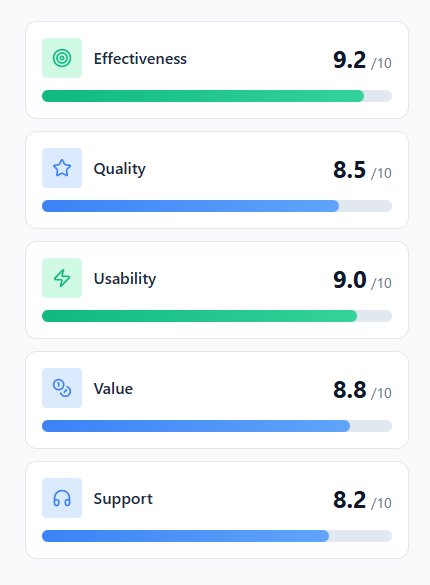


Navigating Your AAWP Migration: A Strategic Verdict
A successful migration from AAWP is entirely feasible, yet it depends heavily on meticulous planning and execution. This process is suitable for established affiliate marketers seeking greater flexibility or advanced features from a new platform, but not for those with minimal AAWP links or who are unwilling to invest significant time in the transition.
- Preserves SEO Value: Properly implemented 301 redirects protect your existing search engine rankings and organic traffic.
- Meticulous Effort Required: The process demands careful auditing, data export, and link mapping to prevent revenue loss.
- Enhanced Control: Ideal for affiliates aiming to transition to a more robust or customized affiliate management solution.
Understanding the Criticality of Affiliate Link Migration
Migrating affiliate links from one WordPress plugin like AAWP to another system is a task often underestimated, carrying significant risks if not handled correctly. A botched migration can lead to a cascade of problems, including broken links, lost commissions, and a severe hit to your site’s SEO performance. The core challenge lies in ensuring that every single affiliate link, whether embedded in posts, pages, or custom fields, continues to function flawlessly after the switch.
The primary goal during any migration is to maintain the integrity of your affiliate revenue streams and the trust of your audience. This involves not just moving links but also preserving their historical data and ensuring that search engines understand the change. Failing to implement proper redirects or overlooking hidden links can result in a substantial financial setback, making a thorough and systematic approach absolutely essential for long-term success.
- Revenue Protection: Safeguarding existing affiliate commissions from disruption.
- SEO Preservation: Maintaining search engine rankings and organic traffic flow.
- User Experience: Preventing broken links that frustrate visitors and damage credibility.
- Data Integrity: Ensuring all historical link performance data is transferred or accounted for.
Affiliate Link Migration: The systematic process of transferring affiliate links and their associated data from one platform or plugin to another, typically involving auditing, data export, link mapping, and implementing redirects to maintain functionality and SEO value.
Advantages of a Strategic Link Migration
- Future-Proofing Your Business: Moving to a more scalable or feature-rich platform can support long-term growth and new monetization strategies.
- Enhanced Performance & Features: Accessing advanced analytics, better link management tools, or improved user interfaces can streamline operations.
- Reduced Dependency: Diversifying away from a single plugin can mitigate risks associated with updates, support, or compatibility issues.
Potential Drawbacks and Risks
- Significant Time Investment: The process is often complex and requires substantial time for planning, execution, and verification.
- Risk of Revenue Loss: Errors in migration can lead to broken links, resulting in missed commissions and a direct impact on income.
- Temporary SEO Fluctuations: Even with perfect redirects, search engines may take time to fully re-index, potentially causing temporary ranking shifts.
Why Consider Alternatives to AAWP?
While AAWP has served many affiliate marketers well, there are various reasons why a business might seek an alternative solution. These can range from a desire for more advanced features, better integration with other marketing tools, or a need for a more flexible pricing model. Some users might find AAWP’s specific functionalities no longer align with their evolving content strategy or the growing complexity of their affiliate portfolio, prompting a search for a platform that offers greater control and customization.
Exploring alternatives opens up opportunities to leverage new technologies and streamline workflows. For instance, platforms like Affililabs.ai offer powerful features for managing affiliate links, tracking performance, and automating various aspects of affiliate marketing. Evaluating your current needs against the capabilities of modern affiliate plugins is crucial for determining if a migration will provide a significant return on investment through improved efficiency and increased earnings potential.
- Feature Set Limitations: Seeking more advanced tracking, reporting, or automation capabilities.
- Scalability Concerns: Needing a solution that can handle a rapidly growing number of links or products.
- Integration Needs: Requiring seamless connections with CRM, email marketing, or analytics platforms.
- Cost-Benefit Analysis: Finding a more cost-effective solution that still delivers robust performance.
Insider tip: Future-Proof Your Choice
When evaluating new affiliate solutions, don’t just look at current features. Consider the platform’s development roadmap, community support, and how easily it integrates with other tools you might adopt in the next 3-5 years. Choosing a flexible and actively developed solution can prevent another migration down the line.
The Pre-Migration Audit: Identifying All Your AAWP Links
Before any migration begins, a comprehensive audit of your existing AAWP links is non-negotiable. This involves systematically identifying every instance where an AAWP link is used across your website. Beyond standard posts and pages, consider custom post types, widgets, shortcodes embedded in page builders, and even comments. Many affiliate marketers underestimate the sheer volume and hidden locations of their links, leading to overlooked revenue opportunities during the transition.
The audit process should create a detailed inventory, noting the original URL, the target affiliate product, and the location on your site. This inventory will serve as your master reference throughout the migration, ensuring no link is left behind. Tools for database searching and content scanning can significantly aid in uncovering all instances of AAWP shortcodes or direct links, providing a complete picture before you make any changes.
- Content Scan: Use database search tools to find all AAWP shortcodes or specific link patterns.
- Manual Review: Systematically check high-traffic pages, evergreen content, and key money pages.
- Widget & Menu Check: Inspect sidebars, footers, and navigation menus for embedded links.
- Custom Fields: Verify any custom fields that might store affiliate links or product IDs.
Selecting Your New Affiliate Management Platform
Choosing the right replacement for AAWP is a pivotal decision that will impact your affiliate marketing strategy for years to come. The selection process should go beyond simply matching features and delve into aspects like ease of use, scalability, support, and the platform’s ability to adapt to future market changes. Consider your specific needs: Do you require advanced geo-targeting, sophisticated reporting, or seamless integration with specific e-commerce platforms?
Many modern solutions offer compelling advantages. For example, Affililabs.ai stands out as a powerful WordPress affiliate plugin, providing robust features for link management, detailed analytics, and automation capabilities that can significantly enhance your affiliate operations. Prioritize platforms that offer excellent import/export functionality and clear documentation for migration, as this will directly influence the smoothness of your transition and minimize potential headaches.
- Feature Alignment: Does the new platform offer the specific tools you need for growth?
- User Interface: Is it intuitive and easy for you and your team to manage?
- Scalability: Can it handle your current and future link volume and traffic?
- Support & Community: What kind of assistance and resources are available?
Warning: The Hidden Cost of Incompatibility
A critical mistake to avoid is choosing a new platform without thoroughly testing its compatibility with your existing content and themes. Incompatibility can lead to broken layouts, non-functional features, and a complete breakdown of your site’s affiliate monetization, requiring costly and time-consuming rework.
Exporting and Preparing Your AAWP Data
Once you’ve selected your new platform, the next crucial step is to meticulously export and prepare your data from AAWP. This process isn’t always straightforward, as AAWP primarily uses shortcodes which embed product information rather than direct links. You’ll need to extract the underlying Amazon ASINs, product titles, and any custom tracking IDs associated with your links. This data will form the foundation for recreating your affiliate links in the new system.
Depending on the complexity of your AAWP usage, this might involve custom database queries or using specialized WordPress export tools. The goal is to obtain a clean, structured dataset that can be easily imported or mapped to your new affiliate solution. Ensure you capture all relevant metadata, such as custom CSS classes or specific display options, that you wish to replicate, as these details contribute to the user experience and conversion rates.
- ASIN Extraction: Identify and list all Amazon Standard Identification Numbers used by AAWP.
- Shortcode Parsing: Develop a method to extract parameters from AAWP shortcodes.
- Custom Data Export: Export any custom fields or attributes associated with your AAWP links.
- Data Cleaning: Remove duplicates or irrelevant entries to streamline the import process.
Crafting a Robust 301 Redirect Strategy
A well-executed 301 redirect strategy is the cornerstone of a safe affiliate link migration. When you move or change the structure of your affiliate links, the old URLs will no longer point to the correct destination. A 301 redirect permanently tells browsers and search engines that a page has moved, passing on most of the link equity (SEO value) to the new URL. Without this, you risk losing valuable organic traffic and search rankings that your existing links have accumulated.
Your redirect map should be created based on the audit performed earlier, matching every old AAWP-generated link to its new counterpart. This can be a one-to-one mapping for direct links or a more complex rule-based system for shortcode-generated content. Prioritize creating redirects for your highest-performing and most trafficked affiliate links first, as these have the greatest impact on your immediate revenue and SEO health.
- Identify Old URLs: List all URLs that contain AAWP-generated links or shortcodes.
- Determine New URLs: Map each old URL to its corresponding new affiliate link or product page.
- Create a Redirect Map: Document all old-to-new URL pairs in a spreadsheet.
- Test Redirects: Verify each redirect functions correctly before going live.
The Impact of Broken Links on SEO
Studies indicate that a high percentage of broken internal or external links can negatively impact a website’s search engine rankings and user experience. Some reports suggest that even a small percentage of broken links (e.g., 5-10%) can signal poor site maintenance to search engines, potentially leading to a decrease in organic visibility and authority.
Implementing Redirects: Tools and Best Practices
Implementing your 301 redirect strategy requires careful attention to detail. For WordPress sites, plugins like ‘Redirection’ or ‘Rank Math’ offer robust tools to manage redirects efficiently. These plugins allow you to set up individual redirects or use regular expressions for pattern-based redirection, which is particularly useful for handling large volumes of similar AAWP-generated URLs. Alternatively, for advanced users or specific server configurations, redirects can be implemented directly in your `.htaccess` file (for Apache servers) or Nginx configuration.
Regardless of the method chosen, best practices dictate a phased approach. Start with a small batch of redirects, test them thoroughly, and then scale up. Always back up your website before making significant changes to your `.htaccess` file or redirect rules, as errors can render your site inaccessible. Regular expression redirects, while powerful, require precise syntax to avoid unintended consequences, making careful testing even more critical.
- Choose a Reliable Tool: Utilize a reputable WordPress plugin or server-level configuration.
- Start Small, Test Often: Implement redirects in batches and verify functionality immediately.
- Use Regex Wisely: Leverage regular expressions for efficiency but double-check syntax.
- Backup Your Site: Always create a full backup before implementing widespread redirects.
“In the realm of website migrations, a 301 redirect is not just a technicality; it’s a declaration of continuity to both users and search engines. Neglect it, and you risk severing the digital threads that connect your past efforts to your future success.”
— Sarah Miller, SEO Migration Specialist
Comprehensive Testing and Verification Post-Migration
After implementing your new affiliate links and redirect strategy, the work is far from over. Comprehensive testing and verification are paramount to ensure everything is functioning as intended. This involves systematically checking every link from your pre-migration audit list, confirming that the old URLs correctly redirect to the new ones and that the new affiliate links are properly tracked by your chosen affiliate networks. Manual spot-checks on high-traffic pages are essential, but automated tools can significantly expedite the process for larger sites.
Utilize browser developer tools to inspect redirect chains and ensure they are 301 permanent redirects, not temporary 302s. Also, verify that your new affiliate links are correctly formatted and that clicking them leads to the intended product page with your affiliate ID intact. Any discrepancies or broken links identified during this phase must be immediately addressed and re-tested to prevent revenue loss and maintain a positive user experience.
- Manual Spot-Checks: Verify key links on critical pages by hand.
- Automated Link Scanners: Use tools to crawl your site for broken links and redirect errors.
- Affiliate Network Testing: Confirm that clicks on new links are registered by your affiliate networks.
- Redirect Chain Analysis: Ensure 301 redirects are correctly implemented and not creating loops.
Monitoring Performance and Addressing Broken Links
Post-migration, continuous monitoring of your website’s performance and affiliate link functionality is crucial. This involves regularly checking your Google Analytics (or equivalent) for unusual drops in traffic, particularly to pages that heavily featured AAWP links. Pay close attention to your affiliate network dashboards for any unexpected dips in clicks or conversions, which could signal underlying issues with your new links or redirects. Server logs can also provide valuable insights into redirect behavior and potential errors.
Tools like Google Search Console’s ‘Crawl Errors’ report are invaluable for identifying broken links or redirect issues that search engines encounter. Set up alerts for 404 errors and proactively fix any identified problems. A proactive approach to monitoring and maintenance will minimize the long-term impact of any unforeseen migration glitches, ensuring your affiliate income remains stable and your SEO health is preserved.
- Analytics Review: Monitor traffic and conversion rates for any anomalies.
- Search Console Checks: Regularly review crawl errors and index coverage reports.
- Affiliate Dashboard Analysis: Track clicks and earnings for unexpected declines.
- Broken Link Scans: Utilize site audit tools to identify and fix new broken links.
Insider tip: Implement a ‘Catch-All’ Redirect
For any old AAWP-generated URLs that might have been missed, consider implementing a generic ‘catch-all’ 301 redirect from your old affiliate link structure to a relevant category page or your homepage. While not ideal for SEO, it prevents users from hitting 404 pages and ensures some traffic is salvaged, rather than lost entirely.
Updating Content and Internal Link Structures
While 301 redirects handle external and existing internal links, a complete migration strategy also involves updating your actual content. Over time, you should aim to replace all instances of old AAWP shortcodes or direct links with your new affiliate link format. This not only cleans up your database but also ensures that new content creation naturally uses the correct link structure, reducing reliance on redirects for the long term.
This process can be gradual, starting with your highest-performing pages and evergreen content. As you update articles, ensure that any internal links pointing to pages that previously contained AAWP links are also updated to reflect the new structure. Regularly refreshing your content with the new link format contributes to a healthier, more maintainable website and reduces the complexity of future updates or migrations.
- Prioritize High-Value Content: Update your most important pages first.
- Systematic Content Review: Plan a schedule to update older articles and posts.
- Internal Link Audit: Ensure all internal links point to the correct, new URLs.
- New Content Protocol: Establish guidelines for using the new affiliate link format in all future publications.
Case Study: The Affiliate Site that Doubled Down on Migration
The trap: A rapidly growing niche affiliate site, reliant on AAWP, faced performance bottlenecks and limited customization options. The owner feared a migration would cripple their traffic and revenue.
The win: By meticulously auditing 5,000+ links, implementing a phased 301 redirect strategy, and transitioning to a more robust platform like Affililabs.ai over three months, the site experienced a temporary 5% dip in traffic, but within six months, saw a 15% increase in conversions due to better link management and faster page loads. The owner credited the detailed planning and verification for preserving SEO and boosting long-term profitability.
Long-Term Management and Optimization of Affiliate Links
A successful migration is not an endpoint but a new beginning for optimizing your affiliate marketing efforts. With your links now managed by a new, potentially more advanced system, you can focus on long-term strategies for growth. This includes leveraging the new platform’s analytics to identify top-performing products and content, experimenting with different link display formats, and continuously refining your content strategy to maximize conversions. Regular audits of your affiliate links should become a standard practice, ensuring they remain active and profitable.
Stay informed about changes in affiliate network policies and product availability, updating your links as needed. Consider implementing A/B testing for different call-to-actions or link placements to further boost performance. Proactive management and continuous optimization are key to sustaining and growing your affiliate income, transforming your migration from a one-time chore into a foundation for ongoing success.
- Leverage New Analytics: Utilize advanced reporting for deeper insights into link performance.
- Regular Link Audits: Periodically check for broken links or outdated product information.
- A/B Testing: Experiment with different link styles, placements, and calls-to-action.
- Stay Updated: Monitor affiliate network changes and product availability.
The Value of Proactive Link Management
Affiliate links can degrade over time due to product discontinuations, merchant website changes, or network policy updates. Industry data suggests that without regular auditing, up to 10-15% of affiliate links can become broken or non-converting within a year, highlighting the critical need for continuous management post-migration.
Your Essential Affiliate Link Migration Checklist
- Week 1-2: Comprehensive Link Audit – Identify and document all AAWP links across your site, creating a master inventory.
- Week 2-3: Platform Selection & Data Export – Choose your new affiliate solution (e.g., Affililabs.ai) and export all relevant AAWP data.
- Week 3-4: Develop Redirect Map – Create a detailed 301 redirect plan, mapping old AAWP URLs to new affiliate links.
- Week 4-5: Implement & Test Redirects – Deploy redirects in batches and perform rigorous testing to ensure functionality. This is an irreversible action once your site is live.
- Ongoing: Monitor & Optimize – Continuously monitor traffic, conversions, and crawl errors; proactively update content and internal links.
Common Questions About AAWP Link Migration
How long does an AAWP link migration typically take?
The duration of an AAWP link migration varies significantly based on the size and complexity of your website. For smaller sites with a few hundred links, it might take 2-4 weeks of dedicated effort. Larger sites with thousands of links and extensive content could require several months, including planning, execution, and post-migration monitoring.
Will migrating my links affect my SEO?
If executed correctly with proper 301 redirects, a migration should have minimal long-term negative impact on your SEO. There might be temporary fluctuations as search engines re-index your site, but the goal of 301 redirects is to pass on most of the link equity. Poorly implemented redirects or broken links, however, can severely damage your search rankings and organic traffic.
What if I find broken links after the migration?
It’s common to find a few broken links even after thorough testing. Implement a robust monitoring system using tools like Google Search Console, site crawlers, and affiliate network reports. Address any identified broken links immediately by either correcting the new link, updating the content, or adding a specific 301 redirect to a relevant page.