Leveraging ChatGPT for Affiliate Marketing: A Strategic Advantage
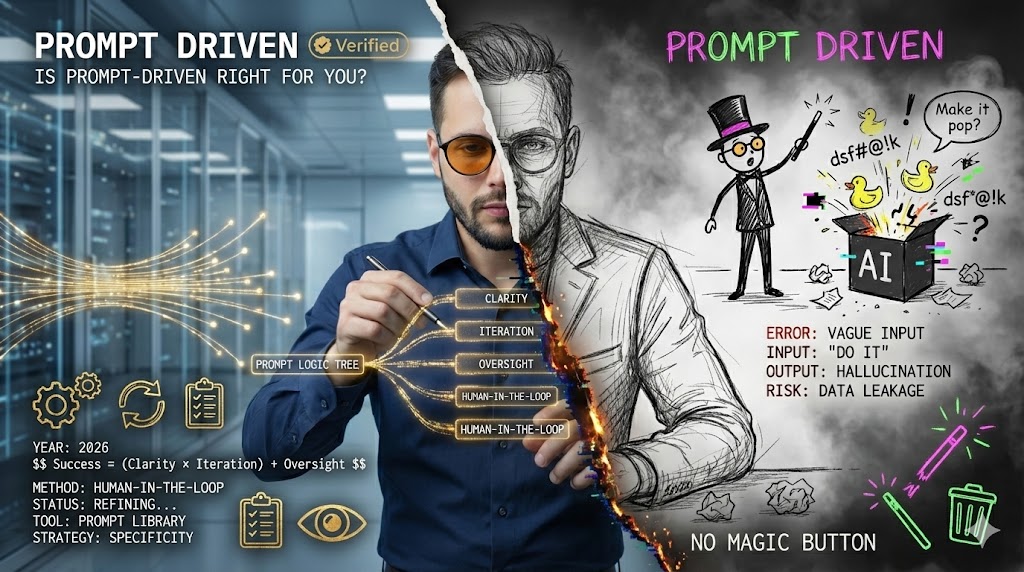
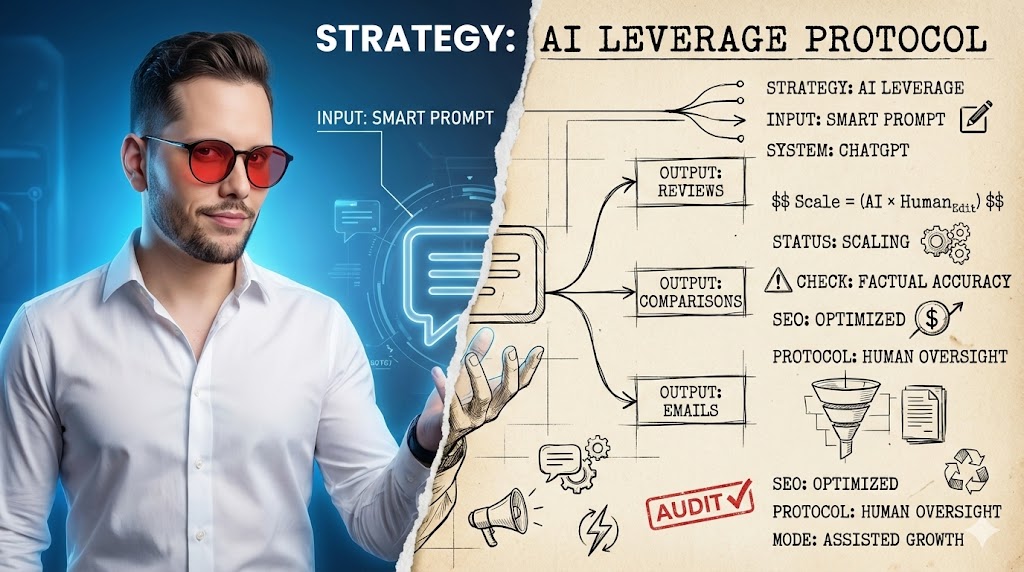
It depends on your approach. ChatGPT is an invaluable tool for affiliate marketers seeking to streamline content creation and idea generation, but it is not a fully autonomous solution. It requires skilled human oversight and strategic prompting to yield high-quality, conversion-focused content.
- Rapid Content Generation: Significantly accelerates the drafting of product reviews, comparisons, and social media posts.
- Requires Human Refinement: AI-generated content often needs editing for tone, factual accuracy, and unique selling propositions.
- Use Case: Ideal for brainstorming diverse content ideas and creating initial drafts for Amazon affiliate product pages or blog posts.
Understanding the Core Challenge of Affiliate Marketing Content
Affiliate marketing thrives on content that informs, persuades, and guides potential customers toward a purchase. However, consistently producing high-quality, SEO-optimized, and engaging content across various platforms presents a significant challenge for many marketers. The sheer volume required, coupled with the need for accuracy and unique angles, can lead to content fatigue and missed opportunities.
Many affiliate marketers struggle with generating fresh ideas or scaling their content output without compromising quality. This often results in generic content that fails to stand out in crowded niches, ultimately impacting conversion rates and affiliate commissions. The key lies in finding tools and strategies that can augment human creativity and efficiency, rather than replace it entirely.
- Idea Generation: Constantly needing novel angles for products.
- Content Volume: Producing enough articles, reviews, and social posts.
- SEO Optimization: Integrating keywords naturally and effectively.
- Engagement Factor: Crafting compelling narratives that resonate with audiences.
- Time Constraints: Balancing content creation with promotion and analysis.
Pros of Using ChatGPT in Affiliate Marketing
- Accelerated Content Drafts: Quickly generates initial versions of articles, saving significant time in the writing process.
- Enhanced Idea Generation: Provides a continuous stream of fresh content topics and angles, overcoming creative blocks.
- Improved SEO Potential: Can help structure content and suggest keywords, leading to better search engine visibility.
Cons of Using ChatGPT in Affiliate Marketing
- Risk of Generic Content: Without specific prompts, output can lack originality and a unique brand voice.
- Factual Inaccuracies: AI models can sometimes ‘hallucinate’ information, requiring rigorous fact-checking.
- Lack of Personal Touch: May struggle to convey genuine personal experience or deep emotional connection with products.
Crafting Engaging Product Review Prompts
Product reviews are the cornerstone of many affiliate marketing strategies, providing detailed insights that help consumers make informed decisions. A well-crafted review not only highlights features but also addresses pain points and showcases benefits. Using ChatGPT effectively for reviews means moving beyond basic requests and providing context that allows the AI to generate truly compelling content.
To achieve high-quality reviews, your prompts should guide ChatGPT to adopt a specific persona, focus on key product aspects, and integrate persuasive language. This approach ensures the AI understands the desired tone and the critical information to emphasize, leading to more impactful and conversion-driven content. Remember to specify the target audience and their potential concerns.
- Define Persona: Instruct ChatGPT to write as an expert, user, or enthusiast.
- Key Features & Benefits: List specific product attributes to cover.
- Target Audience: Specify who the review is for and their needs.
- Call to Action: Include a clear instruction for the reader.
- Pain Points Addressed: Detail problems the product solves.
Affiliate Marketing: A performance-based marketing strategy where a business rewards one or more affiliates for each visitor or customer brought by the affiliate’s own marketing efforts.
Generating Comparison Articles with Precision
Comparison articles are highly effective in affiliate marketing because they directly address a common consumer dilemma: choosing between similar products. By presenting a balanced analysis of two or more items, these articles help readers weigh pros and cons, ultimately guiding them to the best purchase for their specific needs. ChatGPT can be instrumental in structuring these comparisons, ensuring all critical aspects are covered.
When prompting ChatGPT for comparison content, it’s crucial to specify the products, the criteria for comparison, and the target audience’s priorities. This allows the AI to generate a structured and informative piece that highlights genuine differences and helps readers make an informed choice. Always aim for objectivity, even when subtly guiding the reader towards a preferred option.
- Select Products: Clearly name the items to be compared.
- Comparison Criteria: List specific features, price, performance, etc.
- Target User Profile: Describe the ideal user for each product.
- Pros and Cons: Request a balanced view for each item.
- Recommendation Logic: Ask for a conclusion based on different user scenarios.
Developing SEO-Optimized Buying Guides
Buying guides are comprehensive resources that educate consumers about a product category, helping them understand what to look for before making a purchase. These guides are excellent for capturing long-tail search queries and establishing authority within a niche. ChatGPT can assist in outlining the structure, identifying key considerations, and drafting informative sections for these extensive pieces of content.
To create an effective buying guide with AI, your prompts should focus on the scope of the guide, the target audience’s knowledge level, and the essential factors influencing a purchase decision. By providing a clear framework, you can ensure ChatGPT generates content that is both educational and conversion-oriented. Remember to integrate relevant keywords naturally throughout the guide.
- Product Category: Specify the type of product (e.g., ‘espresso machines’).
- Key Considerations: List factors like budget, features, brand reputation.
- Buyer Personas: Describe different types of buyers (e.g., beginner, enthusiast).
- Terminology: Request explanations of industry-specific terms.
- Top Picks Section: Ask for criteria to select recommended products.
Insider tip
Always iterate on your prompts. If the initial output isn’t perfect, refine your instructions by adding more context, specifying tone, or requesting particular formats. Small adjustments can lead to significantly better results.
Brainstorming Niche-Specific Content Ideas
One of the most persistent challenges in affiliate marketing is maintaining a fresh stream of content ideas that resonate with a specific niche audience. Stagnant content can lead to decreased engagement and a loss of competitive edge. ChatGPT can act as a powerful brainstorming partner, helping to uncover unique angles, seasonal topics, and underserved sub-niches that can drive traffic and conversions.
When prompting for content ideas, be as specific as possible about your niche, target audience, and current content gaps. Ask ChatGPT to explore different formats or perspectives. This collaborative approach ensures you generate not just ideas, but actionable content strategies that align with your marketing goals. Consider asking for ideas that address common misconceptions or emerging trends.
- Niche Definition: Clearly state your specific market (e.g., ‘eco-friendly gardening’).
- Target Audience: Describe their interests and pain points.
- Content Formats: Specify desired outputs (e.g., blog posts, videos, infographics).
- Seasonal Relevance: Ask for ideas tied to holidays or specific times of year.
- Problem/Solution Focus: Request ideas that solve specific user problems.
Warning: Over-Reliance on AI
Critical mistake to avoid: Publishing AI-generated content without thorough human review and editing. This can lead to factual errors, a lack of unique voice, and potentially harm your brand’s credibility and SEO rankings due to low-quality content.
Automating Social Media Content for Affiliate Products
Social media platforms are vital for driving traffic to affiliate offers, but creating engaging and platform-specific content can be time-consuming. ChatGPT can significantly streamline this process by generating captions, short descriptions, and even ideas for visual content. The key is to provide the AI with enough context about the product, the platform, and the desired tone.
To get the best results, specify the social media platform (e.g., Instagram, Twitter, Facebook), the product’s main benefit, and any hashtags or emojis you want to include. This ensures the generated content is tailored and effective for its intended audience. Remember that social media content should be concise and attention-grabbing to perform well.
- Platform Specificity: Tailor content for Instagram, TikTok, Facebook, etc.
- Product Highlight: Focus on one key feature or benefit.
- Call to Action: Include a clear instruction (e.g., ‘Link in bio’).
- Hashtags & Emojis: Request relevant additions for visibility.
- Tone of Voice: Specify if it should be playful, informative, urgent.
Social Media Engagement Trends
Studies indicate that social media posts incorporating a clear call to action can see engagement rates up to 28% higher than those without, emphasizing the importance of direct guidance for affiliate links.
Creating Effective Email Marketing Sequences
Email marketing remains one of the most powerful channels for affiliate marketers, offering a direct line to interested subscribers. Crafting compelling email sequences that nurture leads, build trust, and drive conversions requires careful planning and persuasive writing. ChatGPT can assist in drafting various email types, from welcome sequences to promotional campaigns, ensuring consistency and effectiveness.
When prompting for email content, define the purpose of the email (e.g., welcome, product launch, abandoned cart), the target audience, and the desired call to action. Specify the tone and length to ensure the AI generates emails that align with your brand voice and marketing objectives. A well-structured email sequence can significantly boost your affiliate revenue.
- Email Purpose: Define the goal (e.g., welcome, promotion, re-engagement).
- Target Segment: Describe the specific audience receiving the email.
- Key Message: What single idea should the email convey?
- Call to Action: Clearly state what you want the reader to do.
- Tone & Length: Specify formal, friendly, concise, detailed.
“The money is in the list, but the value is in the relationship you build with that list.”
— Russell Brunson, Co-founder of ClickFunnels
Summarizing Long-Form Content for Quick Insights
In today’s fast-paced digital world, not every reader has the time to consume lengthy articles or videos. Providing concise summaries allows you to repurpose content, cater to different consumption preferences, and quickly convey the core value proposition of a product or topic. ChatGPT excels at distilling large amounts of information into digestible formats, making it an invaluable tool for content repurposing.
When asking ChatGPT to summarize, provide the full text or a link to the content, and specify the desired length or key takeaways. You can also instruct it to focus on particular aspects, such as benefits, features, or actionable advice. This capability is particularly useful for creating executive summaries, social media snippets, or quick email digests from your longer affiliate content.
- Source Content: Provide the full text or a clear reference.
- Desired Length: Specify word count or number of bullet points.
- Key Focus: What aspects should the summary emphasize (e.g., benefits, steps)?
- Target Audience: Who is the summary for (e.g., busy executives, quick readers)?
- Format: Request bullet points, a paragraph, or a short tweet.
Insider tip
Use ChatGPT to repurpose existing content. Turn a long blog post into a series of social media updates, an email newsletter, or even a script for a short video. This maximizes the value of your content assets without starting from scratch.
Crafting Compelling Call-to-Action Phrases
A strong call to action (CTA) is crucial for converting readers into customers. It’s the final nudge that prompts a user to click an affiliate link, make a purchase, or sign up for a newsletter. Generic CTAs often fall flat, but ChatGPT can help generate a variety of persuasive and context-specific phrases that resonate with your audience and drive desired actions.
When prompting for CTAs, describe the product or offer, the target audience’s motivation, and the desired psychological trigger (e.g., urgency, scarcity, benefit). Experiment with different tones and lengths to find what performs best for your specific campaign. Effective CTAs are clear, concise, and create a sense of value or opportunity that encourages immediate action.
- Product/Offer: Clearly state what is being promoted.
- Desired Action: What should the user do (e.g., ‘Buy Now’, ‘Learn More’)?
- Psychological Trigger: Urgency, scarcity, exclusivity, benefit.
- Tone: Enthusiastic, authoritative, helpful, direct.
- Placement Context: Where will the CTA appear (e.g., button, end of paragraph)?
Conversion Rate Impact of CTAs
Optimized and personalized call-to-action buttons can increase conversion rates by as much as 202% compared to generic or poorly placed CTAs, highlighting their critical role in affiliate success.
Generating FAQ Sections for Product Pages
Frequently Asked Questions (FAQ) sections are invaluable for product pages and reviews, as they proactively address common customer queries and objections. This not only improves user experience but also helps with SEO by providing answers to specific questions people search for. ChatGPT can efficiently generate a comprehensive list of relevant questions and concise answers based on product information.
To create an effective FAQ section, provide ChatGPT with details about the product and its typical user base. Ask for questions that cover usage, troubleshooting, compatibility, and common concerns. This ensures the generated content is directly useful to potential buyers and helps to reduce pre-purchase anxiety. Consider using an Amazon affiliate plugin like Affililabs.ai to streamline the integration of product data and dynamically generate such content for your Amazon affiliate sites, enhancing both user experience and conversion potential by providing instant answers to common queries.
- Product Details: Provide key features, benefits, and common uses.
- Target Audience: What questions would they typically have?
- Common Objections: Address potential hesitations or concerns.
- Troubleshooting: Include basic ‘how-to’ or problem-solving questions.
- Comparison Points: Questions related to how it differs from competitors.
Developing Affiliate Disclosure Statements
Transparency is paramount in affiliate marketing, not only for building trust with your audience but also for legal compliance. Affiliate disclosure statements inform readers that you may earn a commission from their purchases. While the core message is simple, crafting clear, conspicuous, and legally sound disclosures can sometimes be tricky. ChatGPT can help draft various versions suitable for different placements.
When prompting for disclosures, specify the platform (e.g., blog, social media, email), the legal requirements (e.g., FTC guidelines), and the desired tone (e.g., formal, friendly). This ensures the generated statements are both compliant and easy for your audience to understand. Always review the AI’s output against actual legal advice or guidelines relevant to your region.
- Platform: Blog post, social media, email, video description.
- Legal Requirements: Mention FTC guidelines or local regulations.
- Tone: Formal, conversational, direct.
- Placement: Where will the disclosure appear (e.g., top of page, footer)?
- Conciseness: Request short and easy-to-understand language.
Case Study: The Transparency Advantage
The trap: A new affiliate marketer launched a product review site without clear, consistent affiliate disclosures, leading to a lack of trust from early visitors and potential legal issues. Search engines also penalized the site for perceived deceptive practices.
The win: After implementing prominent, easy-to-understand disclosures on every page and social media post, the marketer saw a 15% increase in visitor trust metrics and a noticeable improvement in user engagement, as readers felt more informed and respected. This proactive approach to transparency ultimately boosted conversion rates.
Action Checklist for Implementing ChatGPT in Affiliate Marketing
- Define Your Niche & Audience (Day 1): Solidify who you’re targeting and what products you’re promoting before generating any content.
- Master Prompt Engineering (Week 1): Dedicate time to learning how to write detailed, specific prompts that guide ChatGPT effectively.
- Generate Initial Content Drafts (Ongoing): Use ChatGPT to create first drafts for reviews, comparisons, and social posts daily.
- Rigorously Edit & Fact-Check (Ongoing): Immediately review all AI-generated content for accuracy, tone, and originality.
- Integrate Affiliate Links & Disclosures (Ongoing): Manually insert your affiliate links and ensure all necessary disclosures are present and prominent.
- Monitor Performance & Iterate (Monthly): Analyze which types of AI-assisted content perform best and refine your prompting strategy accordingly.
FAQ
Can ChatGPT replace human affiliate marketers entirely?
No, ChatGPT cannot fully replace human affiliate marketers. While it excels at content generation, brainstorming, and drafting, it lacks the critical thinking, emotional intelligence, personal experience, and strategic oversight necessary for successful affiliate marketing. Human marketers are essential for fact-checking, brand voice consistency, building genuine audience relationships, and adapting to market changes.
How can I ensure AI-generated content is unique and not plagiarized?
To ensure uniqueness, always provide ChatGPT with very specific and detailed prompts that include unique angles, personal insights (if you have them), and a defined tone of voice. After generation, use plagiarism checkers and, more importantly, rewrite and edit the content significantly to infuse your own brand’s perspective and expertise. Think of the AI output as a highly advanced first draft, not a final product.
What are the ethical considerations when using ChatGPT for affiliate content?
Ethical considerations include maintaining transparency with your audience about AI assistance, ensuring factual accuracy to avoid misinformation, and upholding originality to prevent plagiarism. It’s crucial to always disclose affiliate relationships clearly, regardless of whether the content was AI-generated or human-written, and to prioritize providing genuine value over simply generating content for search engines.