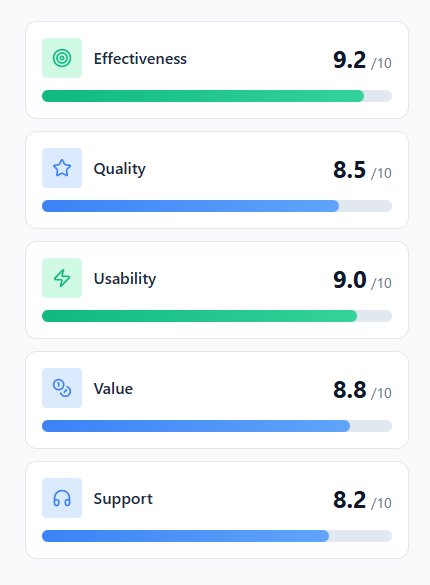


Should You Use a WordPress Affiliate Link Masking Plugin?
Yes, for most affiliate marketers. These plugins are highly suitable for anyone managing numerous affiliate links on their WordPress site, especially those concerned with user experience and link management.
- Simplifies link management and improves user trust by creating clean, branded URLs.
- Adds a layer of complexity to initial setup and requires ongoing maintenance for optimal performance.
- Ideal for content creators and bloggers who frequently publish product reviews or recommendations.
What is an Affiliate Link Masking Plugin for WordPress?
An affiliate link masking plugin for WordPress is a tool designed to transform long, often unattractive affiliate links into shorter, branded URLs. Instead of displaying the raw, tracking-heavy link from an affiliate network, these plugins create a clean, user-friendly redirect. This process helps to improve the overall aesthetic of your content and can significantly enhance user trust.
The primary function is to cloak or hide the original destination URL, presenting visitors with a link that appears to be internal to your website. This approach is not just about aesthetics; it also plays a role in link management and potentially discouraging direct competitor analysis of your affiliate partners. Understanding the core mechanism of link cloaking is essential for effective implementation.
- Converts complex affiliate URLs into simple, branded links.
- Helps in organizing and categorizing various affiliate partnerships.
- Provides a centralized dashboard for managing all masked links.
- Often includes features for tracking clicks and performance data.
Why is Link Masking Crucial for Affiliate Marketers?
Link masking offers several compelling advantages that are crucial for the success and sustainability of an affiliate marketing business. One of the most significant benefits is the enhancement of user trust. Visitors are often wary of long, unfamiliar URLs that might look spammy or lead to unexpected destinations. A clean, branded link instills confidence and encourages clicks.
Beyond trust, link masking simplifies the management of a growing portfolio of affiliate links. Manually updating dozens or hundreds of raw affiliate links across a website can be a daunting and error-prone task. A dedicated plugin centralizes this process, making updates and changes far more efficient. This efficiency directly impacts your ability to maintain accurate and profitable affiliate campaigns.
- Builds greater credibility with your audience through professional-looking links.
- Protects your affiliate commissions by making it harder for others to steal or manipulate links.
- Simplifies the process of updating affiliate links site-wide if programs change.
- Can prevent ad blockers from identifying and blocking affiliate links based on their raw format.
Advantages of Link Masking
- Enhances user experience with clean, trustworthy URLs that blend seamlessly into content.
- Centralizes affiliate link management, making updates and tracking significantly easier.
- Potentially deters commission theft and improves click-through rates by appearing less promotional.
Limitations of Link Masking
- Requires careful configuration to avoid SEO penalties or issues with affiliate program terms.
- Adds another plugin dependency to your WordPress site, potentially impacting performance.
- Some affiliate programs explicitly prohibit link cloaking, necessitating careful review of terms.
How Does a WordPress Affiliate Link Masking Plugin Work?
At its core, a WordPress affiliate link masking plugin functions by creating a redirect. When a user clicks on your masked link (e.g., yourdomain.com/go/product-name), the plugin intercepts this request. Instead of directly sending the user to the affiliate merchant’s site, it first processes the request internally on your server. This internal processing then redirects the user to the original, long affiliate URL.
Most plugins achieve this through a 301 or 302 redirect, though some might use JavaScript-based redirects or even iframe methods. The choice of redirect type is crucial for both SEO and compliance with affiliate program terms. A 301 redirect is generally preferred for permanent changes and passes link equity, while a 302 signifies a temporary move. Understanding these technical nuances helps in making informed decisions about plugin settings.
- Intercepts clicks on branded internal URLs.
- Performs a server-side redirect to the actual affiliate link.
- Records click data before sending the user to the merchant.
- Allows for easy modification of the target URL without editing every instance on your site.
Insider tip
Always check your affiliate program’s terms of service regarding link cloaking. Some programs, particularly those in sensitive niches, may have strict rules or even prohibit it. Non-compliance could lead to commission forfeiture or account termination.
Choosing the Right Affiliate Link Masking Plugin: Key Features
Selecting the appropriate affiliate link masking plugin involves evaluating several key features that go beyond basic cloaking. A robust plugin should offer comprehensive link management capabilities, allowing you to easily add, edit, and categorize your links. Look for an intuitive interface that simplifies the process, especially if you manage a large number of affiliate partnerships.
Another critical aspect is reporting and analytics. The ability to track clicks, unique visitors, and conversion rates directly from your WordPress dashboard provides invaluable insights into your campaign performance. This data helps you identify which links are performing well and which might need optimization. Consider plugins that integrate well with other WordPress tools or analytics platforms for a holistic view of your site’s performance.
- Click Tracking: Essential for monitoring link performance and identifying popular products.
- Link Categorization: Helps organize links by merchant, product type, or campaign.
- NoFollow/NoIndex Options: Important for SEO control over masked links.
- Bulk Import/Export: Useful for managing many links or migrating data.
- Customizable Redirect Types: Offers flexibility for SEO and compliance needs.
Affiliate Link Performance Data
Studies suggest that clean, branded affiliate links can see up to a 15-20% higher click-through rate compared to raw, unmasked URLs, based on typical user behavior patterns and trust indicators.
Step-by-Step: Installing and Configuring Your Link Masking Plugin
The process of installing and configuring an affiliate link masking plugin generally follows standard WordPress procedures, but with specific attention to initial setup. First, you will need to install the plugin via the WordPress dashboard, either by searching the plugin repository or uploading a downloaded file. Once activated, the plugin will typically add a new menu item to your dashboard, providing access to its settings.
Initial configuration often involves defining your default slug for masked links (e.g., /go/, /recommends/, /out/). This slug forms the base of your branded URLs. You will then proceed to add your first affiliate link, inputting the original destination URL and assigning it a custom, short slug. It is crucial to test each masked link immediately after creation to ensure it redirects correctly and tracks clicks accurately. This verification step prevents broken links and lost commissions.
- Install the plugin from the WordPress repository or by uploading the zip file.
- Activate the plugin through your WordPress dashboard.
- Navigate to the plugin’s settings and define your preferred link slug (e.g., ‘/go/’).
- Add your first affiliate link by entering the target URL and a custom short slug.
- Test the newly created masked link to confirm correct redirection and functionality.
Best Practices for Managing Masked Affiliate Links
Effective management of masked affiliate links extends beyond initial setup; it requires ongoing attention to detail and adherence to best practices. Regularly auditing your links is paramount to ensure they remain active and lead to the correct destinations. Affiliate programs can change URLs, products can be discontinued, or merchants might update their tracking parameters. A proactive approach to link maintenance prevents revenue loss from broken or outdated links.
Another crucial best practice involves consistent use of your chosen link slug. Maintaining a uniform structure across all your masked links improves site organization and makes it easier for both you and search engines to understand your site’s architecture. Additionally, consider using descriptive, keyword-rich slugs for your masked links where appropriate, as this can offer minor SEO benefits and improve user clarity.
- Conduct monthly audits to check for broken or outdated affiliate links.
- Consistently use a single, branded slug for all masked links (e.g., ‘/recommends/’).
- Utilize descriptive and relevant keywords in your link slugs for better organization.
- Implement ‘nofollow’ or ‘sponsored’ attributes on all masked links for SEO compliance.
- Backup your link data regularly to prevent loss in case of site issues.
Case Study: The Broken Link Dilemma
The trap A blogger with hundreds of affiliate links across years of content neglected to regularly check their masked links. An affiliate program changed its product URLs without notification, leading to dozens of broken links and a significant drop in monthly commissions.
The win After implementing a weekly link audit routine and using a plugin with bulk link checking features, the blogger quickly identified and updated all broken links. This proactive approach restored their commission flow and prevented future revenue loss, highlighting the importance of ongoing link management.
Common Pitfalls and Troubleshooting for Affiliate Link Masking
While affiliate link masking offers many benefits, users can encounter several common pitfalls that require careful troubleshooting. One frequent issue is incorrect redirection, where a masked link either leads to a 404 error or redirects to an unintended page. This often stems from typos in the original affiliate URL or incorrect plugin settings. Always double-check the target URL when creating or editing a masked link.
Another significant concern is compliance with affiliate program terms. Some programs have strict policies against cloaking, or they may require specific disclosure. Failure to adhere to these terms can result in account suspension or loss of commissions. Before implementing any masking, review the terms of service for each affiliate program you participate in. If in doubt, contact the affiliate manager for clarification to avoid potential penalties.
- Masked links leading to 404 pages due to incorrect original URLs.
- Affiliate program terms prohibiting or restricting link cloaking.
- Performance issues or slow redirects caused by plugin conflicts or server load.
- Inaccurate click tracking data due to caching problems or misconfiguration.
- Difficulty in updating multiple links when an affiliate program changes its structure.
SEO Implications of Affiliate Link Masking
The SEO implications of affiliate link masking are a critical consideration for any WordPress site owner. Historically, there has been some debate and concern regarding how search engines perceive cloaked links. Google’s guidelines generally advise against practices that attempt to deceive users or search engines. However, modern affiliate link masking, when implemented correctly with appropriate attributes, is generally accepted.
The key is to use the correct rel attributes, specifically ‘nofollow’ or ‘sponsored’, on your masked links. These attributes signal to search engines that the link is an advertisement or paid placement and should not pass PageRank. This transparency helps maintain compliance with search engine guidelines and prevents potential penalties. Properly configured masked links, therefore, do not typically harm your site’s SEO but rather help maintain a clean and compliant link profile.
- Use ‘rel=”nofollow”‘ or ‘rel=”sponsored”‘ on all masked affiliate links.
- Avoid using 302 redirects for permanent affiliate links; prefer 301 redirects if allowed.
- Ensure your masked links are crawlable but not indexed if they are purely for redirection.
- Focus on user experience; clean links can indirectly improve engagement signals.
Myth
Affiliate link masking automatically harms your website’s SEO and can lead to penalties from Google.
Reality
When implemented correctly with ‘nofollow’ or ‘sponsored’ attributes and appropriate redirect types, affiliate link masking does not inherently harm SEO. It’s a standard practice that, when transparent, aligns with search engine guidelines for sponsored content.
Alternatives to Dedicated Link Masking Plugins
While dedicated affiliate link masking plugins offer comprehensive features, there are alternatives for those who prefer a more minimalist approach or have specific needs. One common alternative is to use a custom redirect rule within your WordPress site’s .htaccess file or through a general redirection plugin. This method provides basic cloaking without the advanced tracking or management features of specialized plugins.
Another option for very small-scale affiliate efforts is to manually create redirects using a page builder or custom code snippets. However, these methods quickly become cumbersome as the number of affiliate links grows. For larger sites, the efficiency and centralized management offered by a dedicated plugin usually outweigh the perceived simplicity of manual alternatives. The trade-off is often between granular control and ease of scaling.
- Using a general redirection plugin for basic URL cloaking.
- Manually creating redirects via .htaccess file for advanced users.
- Implementing JavaScript redirects for specific, limited use cases.
- Utilizing shortcode functionality from certain themes or custom functions.
- Directly embedding raw affiliate links (not recommended for most cases).
Insider tip
If you’re hesitant about adding another plugin, consider using a general redirection plugin that also offers ‘nofollow’ options. This can provide basic cloaking and management without the full feature set of a dedicated affiliate plugin, suitable for smaller sites.
Maximizing Click-Through Rates with Smart Link Presentation
Beyond simply masking links, optimizing their presentation can significantly impact your click-through rates (CTRs). The way you integrate and display your masked affiliate links within your content plays a crucial role in user engagement. Instead of just embedding plain text links, consider using attractive call-to-action buttons or visually appealing product boxes. These elements draw the reader’s eye and make the link more enticing to click.
Contextual placement is also vital. Links should appear naturally within the flow of your content, at points where a reader is most likely to be interested in taking the next step. For example, placing a link immediately after a strong product benefit or a compelling review summary can be highly effective. Experiment with different placements and presentation styles to discover what resonates best with your specific audience and niche.
- Design engaging call-to-action buttons for key affiliate offers.
- Integrate links naturally within your content, not just at the end.
- Use product images or comparison tables with embedded masked links.
- Employ clear, benefit-driven anchor text for your links.
- Test different link colors, sizes, and placements to optimize CTR.
Affiliate Link Masking Action Checklist
- Install and activate your chosen affiliate link masking plugin within 24 hours.
- Define a consistent, branded link slug (e.g., ‘/go/’) and configure plugin settings today.
- Mask at least five existing affiliate links and test each one for correct redirection this week.
- Review the terms of service for all your affiliate programs regarding link cloaking immediately.
- Implement ‘nofollow’ or ‘sponsored’ attributes on all masked links before publishing new content.
- Schedule a recurring monthly audit to check all masked links for functionality and accuracy starting next month.
Is affiliate link masking necessary for every WordPress site?
While not strictly necessary for functionality, it is highly recommended for most affiliate marketers. It improves user experience, simplifies link management, and can enhance trust, which are all crucial for long-term success.
Can link masking hurt my SEO?
No, not if done correctly. By using ‘nofollow’ or ‘sponsored’ attributes on your masked links, you signal to search engines that they are paid placements, aligning with SEO best practices and preventing penalties.
Are all affiliate programs okay with link cloaking?
No. While many programs permit it, some have strict rules or outright prohibit link cloaking. Always check the terms of service for each affiliate program you join to ensure compliance and avoid potential account issues.
What is the difference between a 301 and 302 redirect for masked links?
A 301 redirect indicates a permanent move and passes link equity, generally preferred for stable affiliate links. A 302 redirect signifies a temporary move. For affiliate links, a 301 is often better for SEO, but always ensure it aligns with your plugin’s capabilities and program terms.
How often should I check my masked affiliate links?
It is best practice to audit your masked affiliate links at least once a month. This helps identify any broken links, changed URLs, or discontinued products, ensuring you don’t lose out on potential commissions.