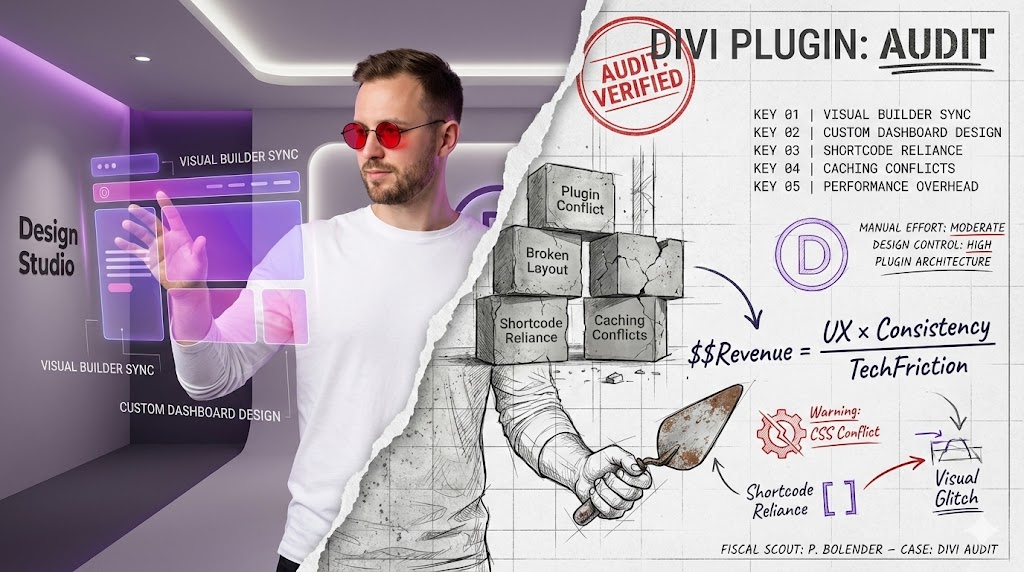
Leveraging Affiliate Marketing with Divi: A Clear Verdict
Highly Recommended. A dedicated Divi affiliate plugin is an excellent choice for businesses aiming to integrate and manage their affiliate programs directly within their WordPress and Divi-powered ecosystem.
- Offers seamless integration with the Divi builder, ensuring consistent branding and user experience for affiliate-related pages.
- Can introduce performance overhead if not properly optimized, especially with a large number of affiliates or complex tracking.
- Ideal for online course creators, digital product sellers, or service providers using Divi who want to empower their audience to promote products and earn commissions.
What is a Divi Affiliate Plugin and why use one?
A Divi affiliate plugin is a specialized WordPress extension designed to integrate affiliate marketing functionalities directly into websites built with the Divi theme and page builder. These plugins enable site owners to create, manage, and track their own affiliate programs, allowing others to promote their products or services in exchange for a commission. The primary goal is to leverage a network of promoters to expand reach and drive sales without extensive upfront marketing costs.
Utilizing such a plugin within the Divi ecosystem offers distinct advantages, primarily maintaining a cohesive user experience and streamlined workflow. Instead of relying on external platforms, all affiliate management, from registration to commission payouts, occurs within the familiar WordPress dashboard. This approach simplifies data management and ensures that affiliate-facing pages can be customized with Divi, aligning perfectly with the site’s overall design.
- Expanded Market Reach: Affiliates introduce your offerings to new audiences you might not otherwise access.
- Cost-Effective Marketing: You typically pay commissions only when a sale or desired action occurs, making it a performance-based model.
- Enhanced Brand Credibility: Endorsements from trusted affiliates can significantly boost your brand’s reputation and trustworthiness.
- Streamlined Management: Centralizes all affiliate data and processes within your WordPress site, simplifying oversight.
Pros of Using a Divi Affiliate Plugin
- Deep integration with Divi allows for consistent design and branding across all affiliate-related pages.
- Full ownership and control over affiliate data, commissions, and program rules directly on your server.
- Potentially lower ongoing costs compared to subscription-based external affiliate platforms for smaller programs.
Cons of Using a Divi Affiliate Plugin
- Can increase server load and potentially impact website performance, especially with high traffic or many affiliates.
- Feature sets might be less extensive or specialized than dedicated SaaS affiliate management solutions.
- Requires more hands-on setup, maintenance, and troubleshooting compared to fully managed external services.
How do affiliate plugins integrate with Divi?
Divi affiliate plugins achieve integration through various methods, ensuring that affiliate program elements seamlessly blend with your website’s design and functionality. The most common approach involves using shortcode integration. These shortcodes can be placed within any Divi module, allowing you to display affiliate registration forms, login areas, dashboards, and creative assets directly on pages built with Divi. This method ensures that the visual presentation remains consistent with your site’s aesthetic.
Beyond shortcodes, many plugins also leverage custom post types and custom fields, which Divi can often display and style. This allows for dedicated sections for affiliate profiles, referral links, and commission data. Furthermore, the plugins typically inject tracking scripts into your website’s header or footer. These scripts are crucial for monitoring clicks, conversions, and other affiliate activities across your site, ensuring accurate attribution and commission calculation. Proper placement and configuration are vital to avoid conflicts with Divi’s own scripts or caching plugins.
- Shortcode Placement: Embed affiliate forms, dashboards, and links directly into Divi modules.
- Custom Page Templates: Utilize Divi’s theme builder to design unique layouts for affiliate registration and login pages.
- Global Script Injection: Automatically add necessary tracking code to monitor affiliate activity sitewide.
- Divi Module Compatibility: Some advanced plugins offer dedicated Divi modules for specific affiliate functions, simplifying design.
Insider tip
Always test your affiliate plugin’s integration thoroughly on a staging site before going live. Pay close attention to how forms display, whether tracking works across different browsers, and if caching plugins interfere with commission attribution. A small oversight here can lead to significant payout errors.
Which are the essential features for a Divi affiliate plugin?
When selecting a Divi affiliate plugin, certain features are non-negotiable for a robust and effective program. Foremost among these are flexible commission structures, allowing you to set different rates for various products, affiliates, or tiers. This flexibility is crucial for incentivizing performance and adapting to diverse marketing strategies. The ability to define both percentage-based and flat-rate commissions, and even recurring commissions for subscriptions, is a significant advantage.
Another critical feature is comprehensive real-time reporting and analytics. This includes detailed insights into clicks, conversions, earnings, and top-performing affiliates. Without clear data, optimizing your program and identifying successful strategies becomes nearly impossible. Look for dashboards that provide an at-a-glance overview and allow for deep dives into specific metrics. Additionally, robust payout management, including various payment methods and automated payout scheduling, is essential for maintaining affiliate satisfaction and operational efficiency.
- Flexible Commission Types: Support for percentage, flat-rate, recurring, and tiered commissions.
- Real-time Tracking & Reporting: Accurate monitoring of clicks, sales, and detailed performance analytics.
- Affiliate Dashboard: A dedicated area for affiliates to access links, creatives, and view their earnings.
- Payout Management: Options for manual or automated payouts, with support for common payment gateways.
- Creative Asset Management: Ability to upload and manage banners, text links, and other promotional materials for affiliates.
The Impact of Clear Reporting
Data from various affiliate networks commonly indicates that programs providing affiliates with transparent, real-time performance data often see a 15-25% higher engagement rate from their affiliates compared to those with delayed or opaque reporting systems. This directly translates to more active promotion and potentially higher sales.
What are the common challenges when setting up affiliate tracking in Divi?
Setting up affiliate tracking, especially within a dynamic environment like Divi, can present several common hurdles. One significant challenge revolves around cookie tracking and its interaction with caching plugins. Caching mechanisms, while vital for website performance, can sometimes interfere with the accurate placement and reading of affiliate cookies, leading to missed commissions or incorrect attribution. It is crucial to configure caching plugins to exclude affiliate-related pages or scripts from being cached.
Another frequent issue is compatibility conflicts, particularly with other plugins or custom code. Divi itself is a powerful theme, and when combined with an affiliate plugin and other third-party extensions, conflicts can arise, manifesting as broken forms, non-tracking links, or even site errors. Debugging these issues often requires careful isolation of the conflicting elements. Furthermore, ensuring that all referral links are correctly generated and that the tracking logic accounts for various user journeys, including direct and indirect conversions, demands meticulous setup and testing.
- Caching Conflicts: Affiliate cookies can be overwritten or not set correctly due to aggressive caching.
- Theme/Plugin Conflicts: Interactions between the affiliate plugin, Divi, and other plugins can cause unexpected behavior.
- Incorrect Link Generation: Affiliates may use incorrectly formatted links, leading to untracked sales.
- Cross-Device Tracking: Challenges in attributing sales when a user clicks on one device and converts on another.
- Fraudulent Activity: Dealing with self-referrals, fake clicks, or other forms of commission fraud.
Myth
Setting up an affiliate program with a Divi plugin is a ‘set it and forget it’ process that requires minimal ongoing effort.
Reality
While initial setup can be straightforward, successful affiliate programs require continuous management, including affiliate recruitment, communication, fraud monitoring, commission adjustments, and regular performance analysis to thrive and grow effectively.
How to choose the right affiliate plugin for your Divi website?
Selecting the optimal affiliate plugin for your Divi website involves a careful evaluation of several factors beyond just basic functionality. The first consideration should always be Divi compatibility itself. While most WordPress affiliate plugins will technically work, look for those that explicitly mention Divi integration, offer dedicated Divi modules, or are known to play well with the builder without requiring extensive custom coding. This ensures a smoother setup and fewer potential conflicts down the line.
Next, assess the plugin’s scalability. Consider your long-term goals: do you anticipate hundreds or thousands of affiliates? Will you need advanced features like multi-tier commissions, recurring payments, or integration with CRM systems? Choosing a plugin that can grow with your program will save you the headache of migrating data later. Finally, evaluate the plugin’s support, documentation, and community. A well-supported plugin with clear guides can be invaluable when troubleshooting or implementing advanced configurations, especially for complex tracking scenarios.
- Divi Integration: Look for explicit compatibility, dedicated modules, or proven track record with Divi.
- Feature Set: Match the plugin’s capabilities (commission types, reporting, payouts) to your program’s needs.
- Scalability: Ensure the plugin can handle your anticipated growth in affiliates and sales volume.
- Support & Documentation: Prioritize plugins with responsive support and comprehensive guides.
- Pricing Model: Compare one-time costs versus annual subscriptions and feature tiers.
Case Study: The E-Learning Platform’s Affiliate Shift
The trap: An e-learning platform, built on Divi, initially chose a free, basic affiliate plugin. While easy to set up, it lacked robust reporting and tiered commission options. As their program grew, they couldn’t track specific course sales per affiliate or offer performance bonuses, leading to demotivated top affiliates and stagnant growth.
The win: They migrated to a premium Divi-friendly affiliate plugin that offered advanced reporting, custom commission rates per product, and a tiered system. Within six months, affiliate engagement increased by 30%, and overall referral sales grew by 45%, directly attributable to the ability to incentivize and reward top performers effectively.
What are the steps for configuring an affiliate program with Divi?
Configuring an affiliate program with a Divi plugin involves a systematic approach to ensure all components are correctly set up and integrated. The initial step is always to install and activate the chosen affiliate plugin on your WordPress site. Once active, navigate to its settings to begin the core configuration. This typically involves defining your general program rules, such as the cookie duration for tracking referrals and any global commission defaults.
The next crucial phase is setting up your commission rates. Decide whether you’ll offer a flat rate, a percentage of sales, or a combination. Many plugins allow for product-specific commission rates, which is vital if you have varying profit margins across your offerings. Following this, you’ll need to create and upload creative assets like banners, text links, and social media graphics that affiliates can use to promote your products. Finally, design your affiliate registration and dashboard pages using Divi, ensuring they are user-friendly and clearly communicate program terms and conditions. Thorough testing of the entire referral process from click to conversion is paramount before launching.
- Install & Activate: Upload and activate your chosen affiliate plugin.
- Define Global Settings: Set cookie duration, default commission rates, and general program rules.
- Configure Commission Structures: Establish specific rates for products, services, or affiliate tiers.
- Upload Creative Assets: Provide banners, text links, and other marketing materials for affiliates.
- Design Affiliate Pages: Create registration, login, and dashboard pages using Divi.
- Test End-to-End: Verify that tracking, link generation, and commission calculations work correctly.
How to manage affiliates and track commissions effectively?
Effective affiliate management goes beyond initial setup; it requires ongoing attention to nurture relationships and ensure accurate tracking. A key component is the affiliate dashboard provided by your plugin. This central hub allows affiliates to log in, access their unique referral links, view their performance statistics, and request payouts. Ensuring this dashboard is intuitive and provides clear data is crucial for affiliate satisfaction and engagement. Regularly reviewing affiliate applications and approving legitimate partners is also a continuous task.
For commission tracking, it’s vital to monitor sales in real-time and address any discrepancies promptly. Most plugins offer detailed reports that show clicks, conversions, and earnings. Regularly reconcile these reports against your sales data to catch any potential issues. Implementing strong fraud detection measures is also essential. This includes monitoring for self-referrals, suspicious click patterns, or unusually high conversion rates from new affiliates. Clear communication with your affiliates regarding program updates, new promotions, and payout schedules helps maintain a healthy and transparent relationship, fostering long-term partnerships.
- Regular Communication: Keep affiliates informed about new products, promotions, and program changes.
- Performance Monitoring: Actively track affiliate sales, clicks, and conversion rates to identify top performers and areas for improvement.
- Fraud Prevention: Implement rules and monitoring to detect and prevent fraudulent commission claims.
- Timely Payouts: Process commissions accurately and on schedule to build trust and motivation.
- Affiliate Support: Provide clear documentation and a dedicated channel for affiliates to get help.
Insider tip
Automate as much of your affiliate communication as possible. Use your plugin’s email notifications for new sign-ups, sales alerts, and payout confirmations. This saves time and ensures consistent, timely updates, which are crucial for keeping affiliates engaged and informed.
Are there performance considerations when running an affiliate program on Divi?
Integrating an affiliate program into your Divi website can introduce performance considerations that require attention to maintain optimal site speed and user experience. The primary concern often revolves around database efficiency. Affiliate plugins store a significant amount of data, including affiliate profiles, clicks, referrals, and commission records. With a large number of affiliates or high traffic, the database can experience increased queries, potentially slowing down page load times. Optimizing your database and choosing a well-coded plugin are crucial.
Another factor is the impact of additional scripts and tracking mechanisms. Affiliate plugins often inject JavaScript to track clicks and conversions, which can contribute to the overall server load and page rendering time. While essential for functionality, poorly optimized scripts can create bottlenecks. It’s important to use a robust hosting provider, implement effective caching strategies (while carefully excluding affiliate-sensitive pages), and regularly review your site’s performance metrics. Minimizing unnecessary plugins and optimizing images also contribute to mitigating any performance degradation caused by the affiliate system.
- Database Load: Increased queries for affiliate data can impact site speed.
- Script Overhead: Additional JavaScript for tracking can add to page load times.
- Caching Conflicts: Improper caching can lead to untracked sales or slow down affiliate-specific pages.
- Server Resources: A high volume of affiliate activity demands adequate CPU and RAM from your hosting.
- Image Optimization: Ensuring all creative assets provided to affiliates are optimized for web use.
What are the best practices for promoting your Divi affiliate program?
Successfully promoting your Divi affiliate program involves more than just setting it up; it requires strategic outreach and ongoing engagement to attract and retain high-quality affiliates. One best practice is to clearly define your ideal affiliate profile. Understanding who your target affiliates are (e.g., bloggers, influencers, complementary businesses) allows for more focused affiliate recruitment efforts. Tailor your outreach messages to highlight the specific benefits for them, such as generous commission rates, a strong product, or a supportive community.
Another crucial element is creating compelling incentive structures. While commission rates are primary, consider offering bonuses for reaching certain sales milestones, running contests, or providing exclusive access to new products. Equip your affiliates with high-quality, conversion-optimized marketing materials, including banners, email swipe files, and social media templates. Finally, foster a sense of community and provide excellent support. Regular communication, dedicated resources, and quick responses to affiliate queries can significantly boost motivation and long-term participation, turning casual promoters into dedicated brand advocates.
- Define Ideal Affiliates: Identify the specific types of individuals or businesses that would best promote your products.
- Offer Competitive Commissions: Ensure your payout rates are attractive and fair compared to similar programs.
- Provide High-Quality Creatives: Supply affiliates with diverse, professional, and effective marketing materials.
- Communicate Regularly: Keep affiliates updated on new products, promotions, and program changes.
- Build a Community: Create a space for affiliates to connect, share tips, and feel valued.
- Offer Performance Incentives: Implement bonuses, contests, or tiered commissions to reward top performers.
What are the legal and ethical considerations for Divi affiliate programs?
Running an affiliate program, regardless of the platform, comes with significant legal and ethical responsibilities that must be addressed to maintain trust and avoid potential penalties. Foremost among these are disclosure requirements. In many jurisdictions, including the US (FTC guidelines) and EU, affiliates are legally obligated to disclose their affiliate relationship when promoting products. As the program owner, you must ensure your terms and conditions explicitly state this requirement and educate your affiliates on how to comply. Failure to do so can result in fines and damage to your brand’s reputation.
Another critical area is data privacy, particularly concerning GDPR and CCPA regulations. Affiliate tracking often involves cookies and collecting user data. You must have a clear privacy policy that explains what data is collected, how it’s used, and how users can control it. Ensure your affiliate plugin is compliant with these regulations and that your website’s cookie consent mechanisms are properly integrated. Ethically, maintaining transparency with both affiliates and customers about how the program operates builds trust. This includes clear communication about commission structures, payout schedules, and any potential conflicts of interest, fostering a fair and reputable program.
- Affiliate Disclosure: Mandate that all affiliates clearly disclose their relationship when promoting products.
- Privacy Policy: Ensure your site’s privacy policy covers data collection related to affiliate tracking.
- GDPR/CCPA Compliance: Verify your plugin and tracking methods adhere to data protection regulations.
- Transparent Terms: Clearly outline commission rates, payout terms, and rules for affiliates.
- Anti-Spam Policies: Prohibit affiliates from using spammy or unethical marketing tactics.
- Fair Payouts: Ensure commissions are calculated accurately and paid on time to maintain trust.
What are the alternatives to dedicated Divi affiliate plugins?
While dedicated Divi affiliate plugins offer seamless integration, there are several alternatives for managing an affiliate program, each with its own set of trade-offs. One common alternative involves using external SaaS affiliate platforms. Services like ShareASale, Refersion, or PartnerStack operate independently of your WordPress site, handling all tracking, reporting, and payouts. These platforms often boast advanced features, extensive networks of affiliates, and robust fraud protection, but come with monthly subscription fees and may require more complex integration with your Divi site to pass conversion data.
Another option is to implement a custom development solution. For highly specific needs or very large-scale operations, a bespoke affiliate system can be built to integrate precisely with your existing systems and Divi setup. This offers maximum flexibility but involves significant upfront development costs and ongoing maintenance. Finally, for very small-scale or informal programs, manual tracking using spreadsheets and simple referral codes might suffice. However, this method is prone to errors, lacks automation, and quickly becomes unmanageable as the program grows, making it unsuitable for serious affiliate marketing efforts.
- SaaS Affiliate Platforms: External, feature-rich services that manage all aspects of your program.
- Custom-Built Solutions: Bespoke development for highly specific requirements, offering maximum control.
- Manual Tracking: Basic spreadsheet-based tracking for informal or very small-scale referral programs.
- E-commerce Platform Integrations: Some e-commerce platforms (e.g., WooCommerce) have built-in affiliate add-ons that might be less Divi-specific but functional.
- Marketing Automation Tools: Certain CRM or marketing automation platforms offer basic referral tracking features.
Your Divi Affiliate Program Launch Checklist
- Within 1 Day: Install and activate your chosen Divi-compatible affiliate plugin on your WordPress site.
- Within 3 Days: Define your core commission structure (percentage/flat rate) and set global program rules in the plugin settings.
- Within 5 Days: Design and publish your affiliate registration page and a basic affiliate dashboard using Divi’s builder.
- Within 7 Days: Create and upload at least three essential creative assets (e.g., a banner, a text link, an email swipe) for affiliates.
- Within 10 Days: Recruit your first 3-5 pilot affiliates and have them generate their unique referral links.
- Within 14 Days: Conduct a full end-to-end test of the affiliate tracking process, from click to sale, to ensure accurate commission attribution.
- Within 21 Days: Publish your clear and comprehensive affiliate terms and conditions, including disclosure requirements, and make them accessible to all affiliates.
Can I use any WordPress affiliate plugin with Divi?
While most WordPress affiliate plugins will function on a Divi site, optimal integration and a seamless user experience are best achieved with plugins that explicitly state Divi compatibility or offer dedicated Divi modules. Generic plugins might require more manual styling or custom code to look cohesive with your Divi design.
How do I handle commission payouts to affiliates?
Most Divi affiliate plugins offer built-in payout management features. This typically includes options for manual payouts (e.g., via PayPal, bank transfer, or store credit) or integrations with third-party payment services for automated processing. You’ll usually define a minimum payout threshold and a payout schedule within the plugin settings.
Will an affiliate plugin slow down my Divi website?
Any additional plugin can potentially impact site performance. Affiliate plugins add database queries and tracking scripts, which can increase server load. To mitigate this, choose a well-optimized plugin, use robust hosting, implement efficient caching (with affiliate-specific exclusions), and regularly monitor your site’s speed.
Is it difficult to set up an affiliate program with Divi?
The initial setup can be moderately complex, especially if you’re new to affiliate marketing or WordPress plugin configurations. It involves defining rules, setting commissions, designing pages, and testing tracking. However, most reputable plugins offer extensive documentation and support, making the process manageable for those willing to follow a practical guide.